Key Takeaways
Start here
What Liability Coverage Actually Is
Build on it
The Two Parts of Liability Coverage
Go deeper
How Liability Limits Work — and Why They Matter
Know the gaps
What Liability Coverage Does Not Pay For
Make decisions
How Much Coverage Should a New Driver Carry?
Take action
What Liability Coverage Costs — and How to Manage It
What Liability Coverage Actually Is
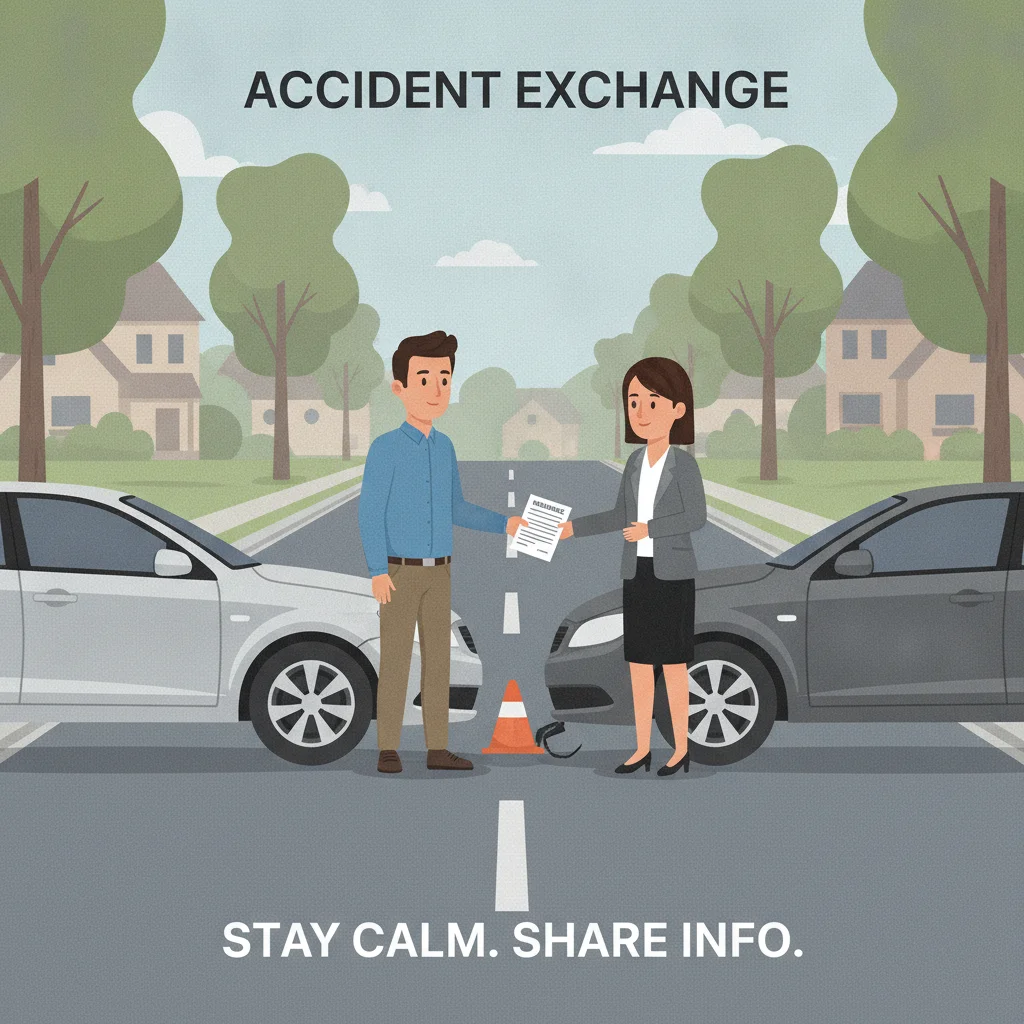
When you cause an accident, liability coverage is what stands between you and a potentially devastating financial judgment. It exists to pay for the harm you do to other people — their medical bills, their lost wages, and the damage to their property. Without it, you'd owe all of that out of your own pocket.
Here's the foundational idea to hold onto: liability insurance protects others from you, not you from others. That distinction sounds simple, but it's the single most important thing new drivers misunderstand. If you're in an accident that's your fault, your liability policy goes to work for the other party — not for you.
For a deeper look at the specific scenarios liability does and doesn't cover, see what liability car insurance actually covers.
Liability coverage
Car insurance that pays for injuries and property damage you cause to other people in an accident. It does not cover your own injuries or vehicle damage.
Bodily injury liability
The part of liability coverage that pays for medical bills, lost wages, and pain and suffering claims made by people you injure in an at-fault accident.
Property damage liability
The part of liability coverage that pays to repair or replace another person's property — usually their vehicle — when you're at fault in an accident.
Split limits
A way of expressing liability coverage as three separate dollar caps: the maximum per injured person, the maximum per accident for all injuries combined, and the maximum for property damage.
Combined single limit (CSL)
A single total dollar amount of liability coverage that can be applied flexibly across bodily injury and property damage from one accident, rather than using separate caps.
State minimum
The lowest level of liability coverage your state legally requires you to carry in order to register and drive a vehicle.
Umbrella policy
A separate, low-cost insurance policy that provides extra liability coverage — typically $1 million or more — that kicks in after your auto policy limits are exhausted.
Personal injury protection (PIP)
Coverage that pays for your own medical expenses after an accident, regardless of who was at fault. Required in some states, optional in others.
Every U.S. state except New Hampshire requires drivers to carry a minimum level of liability insurance. (New Hampshire allows drivers to demonstrate financial responsibility another way.) This isn't optional paperwork — driving without it can result in fines, license suspension, and even vehicle impoundment. More importantly, it means you'd have no financial buffer if you caused a serious crash.
Liability coverage is also the foundation of every standard auto insurance policy. Before you think about collision coverage, comprehensive coverage, or any of the optional add-ons, you need to understand liability. Everything else builds on top of it.
The Two Parts of Liability Coverage
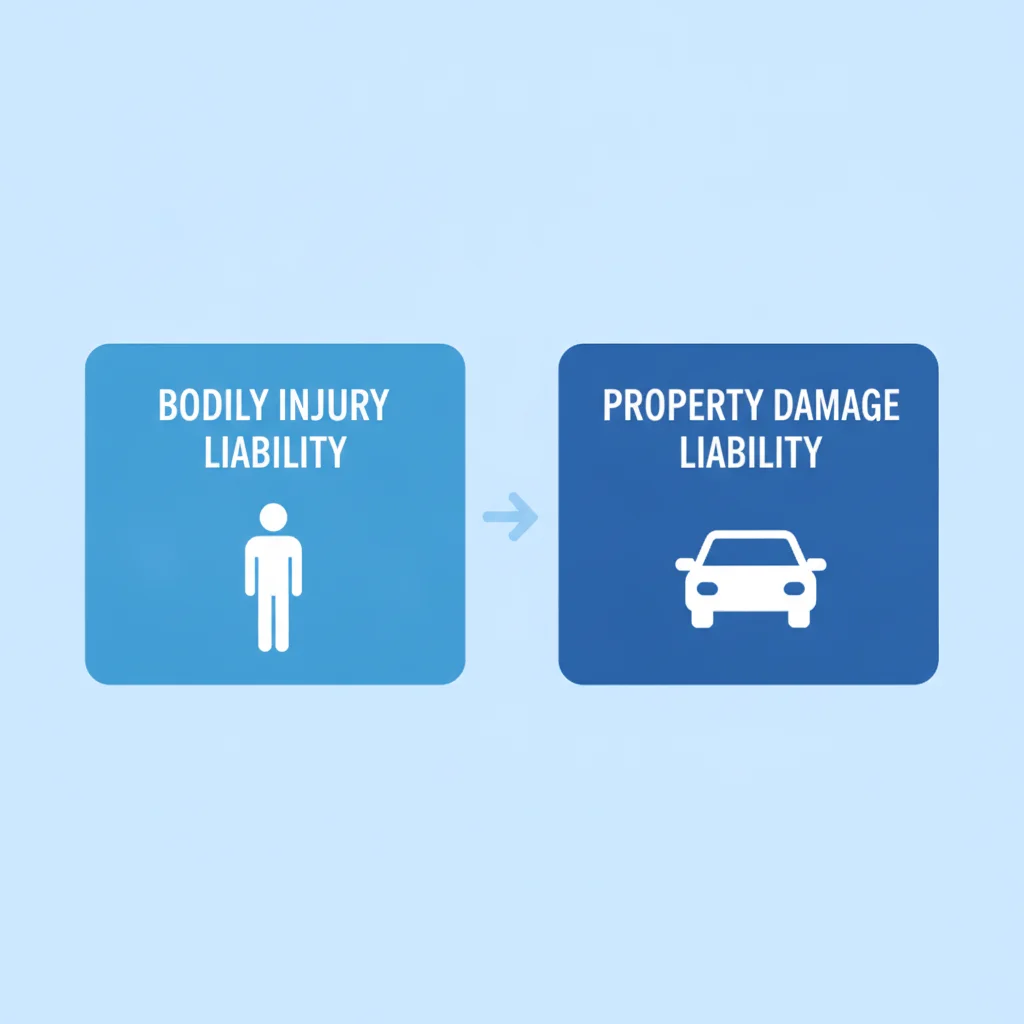
Liability insurance isn't a single blanket — it's divided into two distinct components that protect against two different kinds of harm. Understanding both is essential before you choose a policy.
Bodily Injury Liability (BI)
Bodily injury liability pays for physical injuries suffered by other people when you're at fault in an accident. This includes:
- Emergency medical care and hospitalization
- Ongoing treatment, surgery, and rehabilitation
- Lost wages if the injured person can't work
- Pain and suffering damages awarded in a lawsuit
- Legal defense costs if you're sued
That last point is worth emphasizing: your liability insurer will also pay to defend you in court if the other party sues, up to your policy limits. This legal protection alone makes adequate bodily injury coverage critically valuable.
Property Damage Liability (PD)
Property damage liability covers physical damage you cause to someone else's property. In most accidents, this means the other driver's car. But it can also cover:
- Fences, mailboxes, or landscaping
- Storefronts or structures
- Utility poles or guardrails
- Any other physical property that isn't yours
Property damage claims are often resolved faster than bodily injury claims because the costs are more straightforward to calculate. Even so, a single collision with a newer vehicle can easily run $10,000 to $30,000 in repair bills — something to keep in mind when selecting your limits.
Always Read Your Declarations Page
Your policy's declarations page summarizes your coverage types, limits, and premium in one place. Review it carefully when you first receive it and again at every renewal. Errors on this page — wrong vehicle, wrong address, wrong limits — can affect your coverage in a claim.
Match Your Limits to Your Lifestyle
If you commute daily in heavy traffic, carry rideshare passengers, or frequently drive long distances, your accident exposure is higher than someone who drives occasionally. Let that reality inform the limits you choose, not just what's cheapest at checkout.
For a plain-language breakdown of the terminology you'll encounter across both coverage types, the liability insurance glossary is a helpful reference to bookmark alongside your policy documents.
How Liability Limits Work — and Why They Matter
When you purchase a liability policy, you choose a set of limits that define the maximum your insurer will pay. These limits are the most consequential decision you'll make when buying coverage — not the deductible, not the insurer's brand name.
Understanding Split Limits
Most liability policies use a split-limit format, expressed as three numbers. For example: 25/50/25. Here's what each number means:
| Number | What It Represents | Example |
|---|---|---|
| First (25) | Maximum paid per injured person (BI) | $25,000 per person |
| Second (50) | Maximum paid per accident total (BI) | $50,000 total for all injuries |
| Third (25) | Maximum paid for property damage (PD) | $25,000 for damaged property |
So if you caused an accident that injured three people, each with $20,000 in medical bills, your 25/50/25 policy would pay only $25,000 for the most severely injured person and cap out at $50,000 total — leaving $10,000 in bills unpaid. You'd owe that difference personally.
Combined Single Limit Policies
Some insurers offer a combined single limit (CSL) instead. Rather than splitting the coverage into separate per-person and per-accident buckets, a CSL policy provides one total amount — say, $300,000 — that can be distributed flexibly across all damages from a single accident. CSL policies are simpler and often more protective in complex multi-person accidents, though they can carry a higher premium.
State Minimums Can Leave You Exposed
State-mandated minimums are set as a legal floor, not a financial recommendation. A serious accident involving multiple injuries or a newer vehicle can generate costs ten to twenty times higher than minimum limits cover. If your coverage runs out, you personally owe the difference — and that debt can follow you for years through wage garnishments and liens on assets.
Why the Limits You Choose Follow You
Here's what makes this so important: when your liability coverage runs out, you don't. The injured party can pursue a personal injury lawsuit against you directly. A court judgment can attach to your wages, your savings account, your home equity — essentially anything you own. The liability limit isn't a ceiling on what you owe; it's a ceiling on what your insurer pays.
For a state-by-state view of the minimum limits required where you live, see state minimum liability requirements.
What Liability Coverage Does Not Pay For
Knowing the boundaries of your coverage is just as important as knowing what it includes. Liability coverage has clear limits on scope, and filling those gaps is why other types of coverage exist.
Your Own Injuries
If you cause an accident and you're hurt, your liability policy pays nothing toward your own medical care. To cover your own injuries, you'd need medical payments coverage (MedPay) or personal injury protection (PIP), depending on your state. Some drivers also rely on their health insurance, though copays, deductibles, and coverage gaps can still leave significant out-of-pocket costs.
Damage to Your Own Vehicle
Liability coverage does not repair or replace your car after an at-fault accident. That's handled by collision coverage, which is a separate add-on. Without it, your vehicle repairs come entirely out of pocket. To understand how collision and comprehensive coverage complement a liability policy, see the collision and comprehensive coverage hub.
Intentional Acts
Liability insurance is designed for accidents — unintentional negligence. If you deliberately use your vehicle to cause harm, your insurer will not pay claims arising from that act.
Business Use
If you're driving for a rideshare service, making deliveries, or otherwise using your personal vehicle for commercial purposes, your personal liability policy likely won't cover accidents that happen during those activities. Commercial or rideshare endorsements exist to fill this gap.
Coverage Gaps Are Surprisingly Common
Many drivers confidently believe their liability policy covers more than it actually does — including their own injuries, their passengers, and their vehicle. These misunderstandings are extremely common, especially among first-time policyholders. Taking the time to read your policy documents, even just the declarations page and coverage summary, goes a long way toward avoiding unpleasant surprises after an accident.
Rideshare and Delivery Driving Changes Everything
If you're using your personal vehicle to drive for a rideshare or delivery platform, your personal liability policy likely won't cover you during those trips. Most major platforms provide some coverage while the app is active, but there are gaps — particularly between trips. Talk to your insurer before starting any paid driving work to understand exactly where your coverage stands.
Many drivers assume their liability policy is a comprehensive safety net. The reality is much more specific. For a thorough look at common misunderstandings, common misconceptions about what liability insurance covers addresses the gaps that trip up even experienced drivers.
How Much Coverage Should a New Driver Carry?
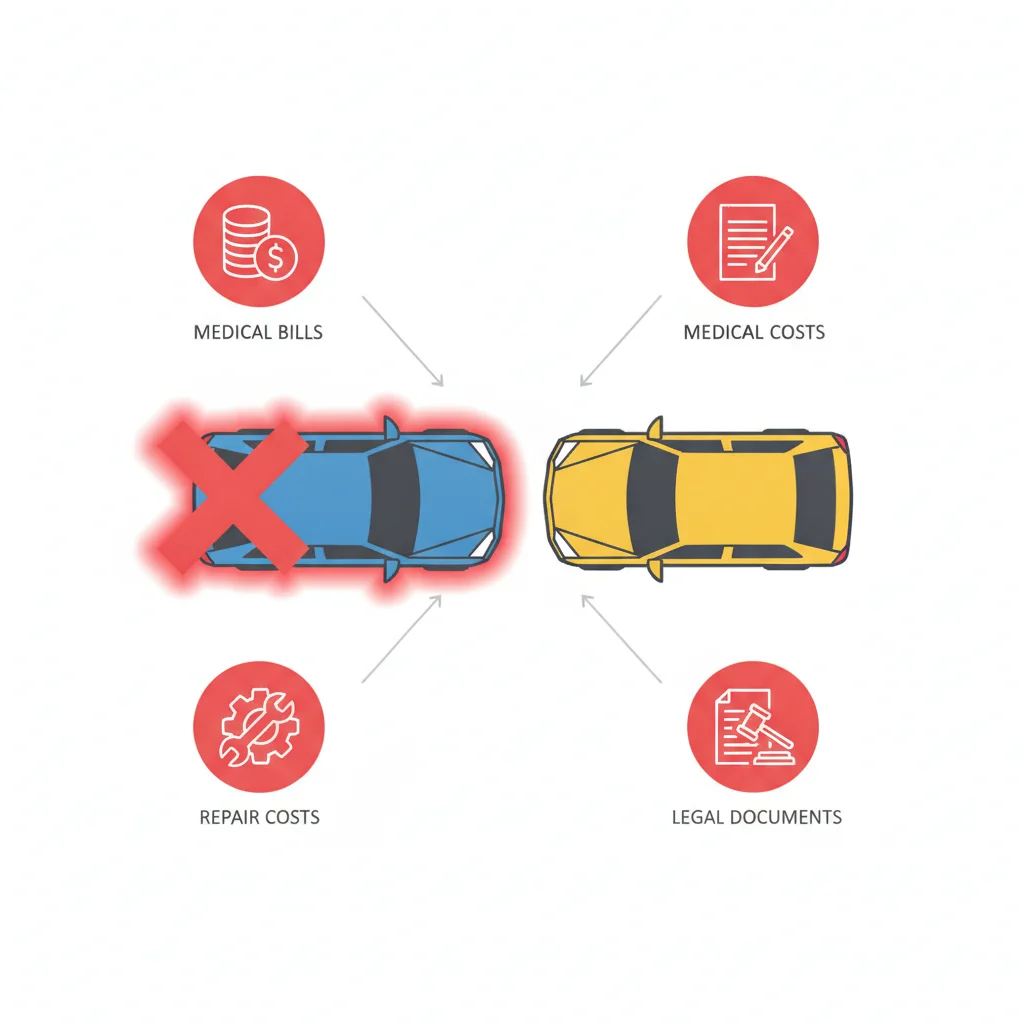
State minimums exist to set a legal floor — not to tell you what's financially smart. In most states, the minimum bodily injury limit is somewhere between $15,000 and $25,000 per person. A single ambulance ride and emergency room visit can exceed that. A serious injury with surgery and rehabilitation can cost ten times as much.
The Case for Higher Limits
Most insurance professionals recommend that drivers carry at least 100/300/100 limits — that's $100,000 per person, $300,000 per accident, and $100,000 for property damage. This isn't arbitrary. Modern vehicles are expensive, medical costs are high, and personal injury judgments can be substantial. Carrying only state-minimum limits is a calculated gamble that no serious accident will happen on your watch.
As a new driver, you may have fewer assets to protect right now. But habits formed early tend to stick. Getting into the practice of carrying adequate limits — even if it costs a bit more — protects you as your financial life grows and is far less disruptive than trying to restructure coverage after a claim.
Consider an Umbrella Policy
Once your income and assets grow, an umbrella policy is worth considering. It provides a layer of liability coverage — typically $1 million or more — that kicks in after your auto policy limits are exhausted. For most people, an umbrella policy costs $150–$300 per year for $1 million in additional protection, making it one of the most cost-effective insurance products available.
Always Read Your Declarations Page
Your policy's declarations page summarizes your coverage types, limits, and premium in one place. Review it carefully when you first receive it and again at every renewal. Errors on this page — wrong vehicle, wrong address, wrong limits — can affect your coverage in a claim.
Match Your Limits to Your Lifestyle
If you commute daily in heavy traffic, carry rideshare passengers, or frequently drive long distances, your accident exposure is higher than someone who drives occasionally. Let that reality inform the limits you choose, not just what's cheapest at checkout.
What to Think About When Choosing Limits
- Your net worth: The more you have, the more you have to lose in a judgment.
- Your income: Wage garnishment can follow a judgment for years.
- Where you drive: Dense urban areas with heavy traffic carry higher accident risk than rural roads.
- Your driving history: A clean record helps, but accidents can happen to anyone at any time.
When you're reviewing your first policy, don't anchor on price alone. The difference between minimum coverage and solid 100/300/100 limits is often $30–$60 per month — a meaningful but manageable amount compared to the alternative.
What Liability Coverage Costs — and How to Manage It
New drivers typically pay more for insurance than experienced drivers — that's the honest reality. Insurers use statistical risk data, and statistically, newer drivers have higher accident rates. But there's meaningful variation in what you'll pay, and several levers you can pull to keep costs reasonable.

Factors That Influence Your Premium
- Age and driving experience
- Young drivers under 25 typically face higher rates, which decrease as they accumulate a clean driving record.
- Vehicle type
- Sports cars and luxury vehicles cost more to insure. Modest, practical vehicles with good safety ratings generally carry lower premiums.
- Location
- Urban zip codes with higher traffic density and theft rates push premiums up. Suburban and rural areas tend to be less expensive.
- Coverage limits
- Higher limits cost more. But as noted above, the cost increase for meaningful additional coverage is usually smaller than people expect.
- Credit history
- In most states, insurers use credit-based insurance scores as a rating factor. Maintaining good credit can noticeably lower your premium over time.
Ways to Reduce What You Pay
- Shop multiple insurers: Rates for the same coverage can vary by hundreds of dollars annually across companies. Getting at least three quotes is a minimum baseline.
- Bundle policies: Combining your auto policy with renters or homeowners insurance typically earns a 5–15% discount.
- Take a defensive driving course: Many insurers offer a discount for completing an approved course, and the skills genuinely reduce your accident risk.
- Maintain a clean record: Every year without a claim or violation works in your favor at renewal.
- Ask about good student discounts: If you're a student with strong grades, many insurers extend a meaningful discount.
Coverage Gaps Are Surprisingly Common
Many drivers confidently believe their liability policy covers more than it actually does — including their own injuries, their passengers, and their vehicle. These misunderstandings are extremely common, especially among first-time policyholders. Taking the time to read your policy documents, even just the declarations page and coverage summary, goes a long way toward avoiding unpleasant surprises after an accident.
Rideshare and Delivery Driving Changes Everything
If you're using your personal vehicle to drive for a rideshare or delivery platform, your personal liability policy likely won't cover you during those trips. Most major platforms provide some coverage while the app is active, but there are gaps — particularly between trips. Talk to your insurer before starting any paid driving work to understand exactly where your coverage stands.
When you're finalizing your coverage, take a moment to understand the other documents tied to your vehicle and policy. The car buying paperwork and contracts guide can help you sort out what you're signing when you register a vehicle and purchase insurance simultaneously at a dealership.
The bottom line on cost: liability coverage is not the place to cut corners to save money. It's the part of your policy that determines whether a single bad day on the road becomes a financial catastrophe or a manageable claim. Spend the time to understand what you're buying, compare quotes carefully, and choose limits that reflect your actual exposure — not just the legal minimum.
State Minimum Liability Requirements at a Glance
A state-by-state reference of minimum bodily injury and property damage limits required by law. Useful for comparing your state's floor against what you're actually considering purchasing.
Liability Insurance Glossary: Key Terms Decoded
A plain-language reference for the terms that appear on your policy — from indemnity to subrogation — so you know exactly what you're agreeing to.
What Liability Car Insurance Actually Covers
A more detailed look at specific coverage scenarios: what liability pays for, what it doesn't, and how claims play out in practice.
Collision & Comprehensive Coverage Hub
Explains the other major coverage types that work alongside liability. Essential reading once you understand your liability foundation.

All claims are backed by peer-reviewed research. Sources on request.