Key Takeaways
The Anatomy of a Collision Claim Denial
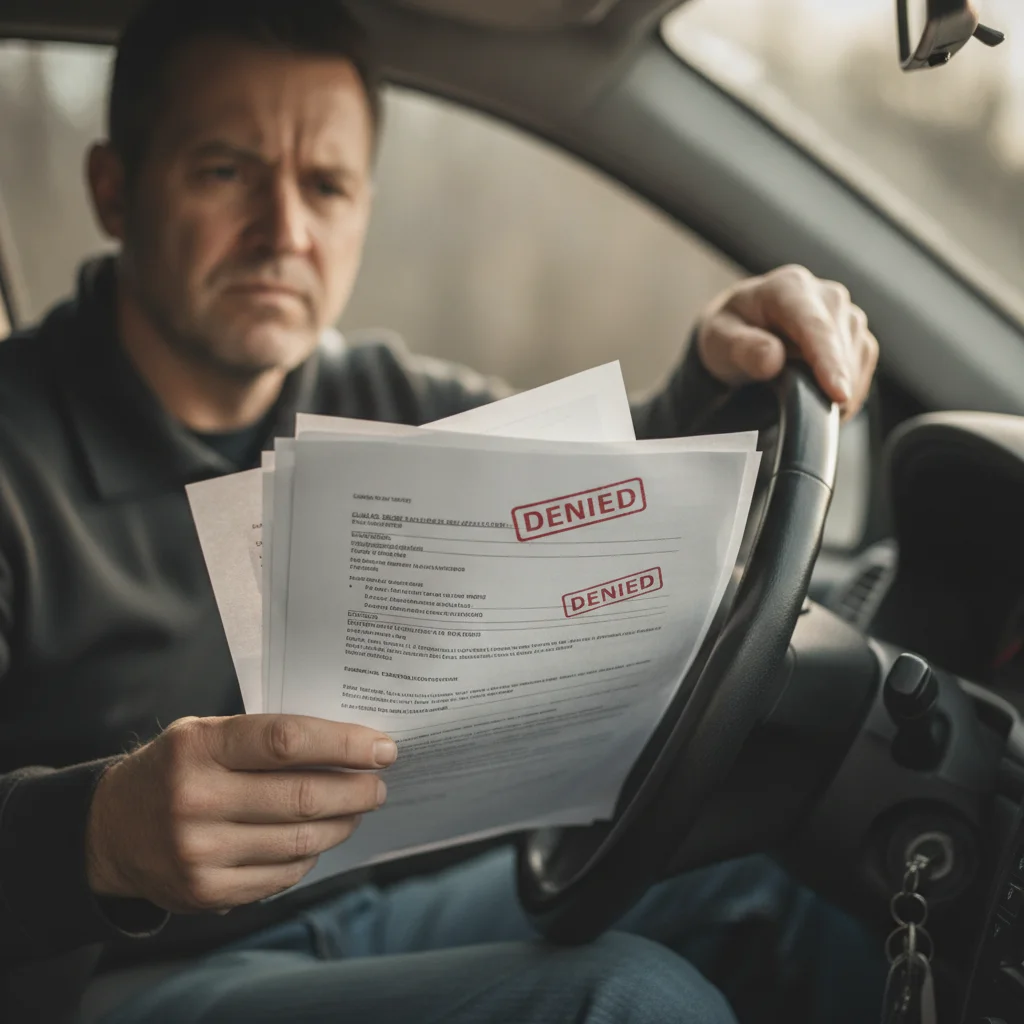
Few things are more disorienting than filing a collision claim after an already-stressful accident, only to receive a letter informing you that your insurer is refusing to pay. Yet claim denials are more common than most drivers expect — and in a significant share of cases, they're the result of mistakes the policyholder could have avoided.
Understanding why denials happen requires a quick look at what collision coverage is actually designed to do. Collision coverage pays for damage to your own vehicle when it strikes another car or object, or when your car rolls over — regardless of fault. It does not cover every type of vehicle damage, and it operates within a defined set of policy conditions that must be met for a claim to be honored. When those conditions aren't satisfied, insurers have contractual grounds to deny payment.
Collision coverage has specific triggers and exclusions that many drivers don't fully internalize until a claim is on the table. The good news: once you understand where denials typically originate, you can take targeted steps to protect yourself — both before an accident occurs and in the critical hours and days afterward.
This article walks through the most common mistakes that lead to denied collision claims, why they happen, and — crucially — what you can do about them, whether you're reading this before an accident as a precaution or after a denial as a next step.
Common Mistakes That Lead to Collision Claim Denials
The mistakes below aren't hypothetical edge cases — they represent patterns that insurance adjusters encounter regularly. Each one is avoidable with the right preparation.
Letting your policy lapse before the accident occurred.
Why it happens: Drivers sometimes miss a payment deadline, switch insurers mid-process, or cancel coverage on a vehicle they still drive occasionally — leaving a window of uninsured exposure they're not fully aware of.
Failing to report the accident to your insurer within the required timeframe.
Why it happens: Many drivers assume they have plenty of time, especially if the damage seems minor or they're unsure whether they'll file a claim. Policy language, however, typically requires "prompt" or "timely" reporting — and some policies specify a window as short as 24 to 72 hours.
Providing an account of the incident that contradicts the physical damage evidence.
Why it happens: Stress, shock, and imprecise recollection can cause drivers to describe an accident in ways that don't align with what the damage pattern actually shows. Adjusters are trained to evaluate whether the described impact is consistent with the location, severity, and direction of damage.
Filing a collision claim for damage that isn't actually covered by collision coverage.
Why it happens: Collision and comprehensive coverage are frequently confused. Damage from hail, flooding, theft, or hitting an animal is covered under comprehensive — not collision. Drivers who file under the wrong coverage type face denial on those grounds.
Failing to document the accident scene adequately before leaving.
Why it happens: After an accident, drivers are often shaken, focused on exchanging information, or pressured by traffic conditions to move their vehicles quickly. Scene documentation gets skipped or rushed as a result.
Excluding or misrepresenting how the vehicle is used when purchasing the policy.
Why it happens: Some drivers understate their annual mileage or describe a vehicle as personal-use only when it's occasionally used for rideshare, deliveries, or business purposes — often to secure a lower premium.
Accepting a denial without reviewing the policy language or pursuing an appeal.
Why it happens: Denial letters can feel authoritative and final, and many policyholders — already stressed from the accident — assume the insurer's decision is correct and move on.
Don't Delay Reporting to "See How Bad It Is"
A common instinct after a minor-seeming accident is to wait before contacting your insurer — either to assess whether the damage is worth claiming or to see if it worsens. This can backfire significantly. Late reporting is a legitimate grounds for denial in most policies, and damage that appears minor at the scene often reveals hidden structural or mechanical issues during a professional inspection. Report promptly and let the process determine the claim's merit.
Rideshare and Delivery Driving Changes Your Coverage
If you drive for a rideshare platform or delivery service — even occasionally — your standard personal auto policy may not cover accidents that occur while the app is active. Filing a collision claim for an accident during a rideshare trip without disclosing that use is considered material misrepresentation. Check whether your insurer offers a rideshare endorsement, or secure a commercial policy that explicitly covers your driving activities.
If your claim has already been denied, don't assume the decision is final. A denied claim isn't always the final word — there are formal appeal processes, and in many cases, denials are overturned when policyholders provide additional documentation or escalate appropriately.
The Documentation Gap: Your Biggest Vulnerability
Among all the reasons collision claims get denied or disputed, inadequate documentation is the most consistently damaging — and the most fixable. Insurers operate on evidence. When the evidence you provide is thin, contradictory, or incomplete, adjusters have less basis to approve your claim and more grounds to question it.
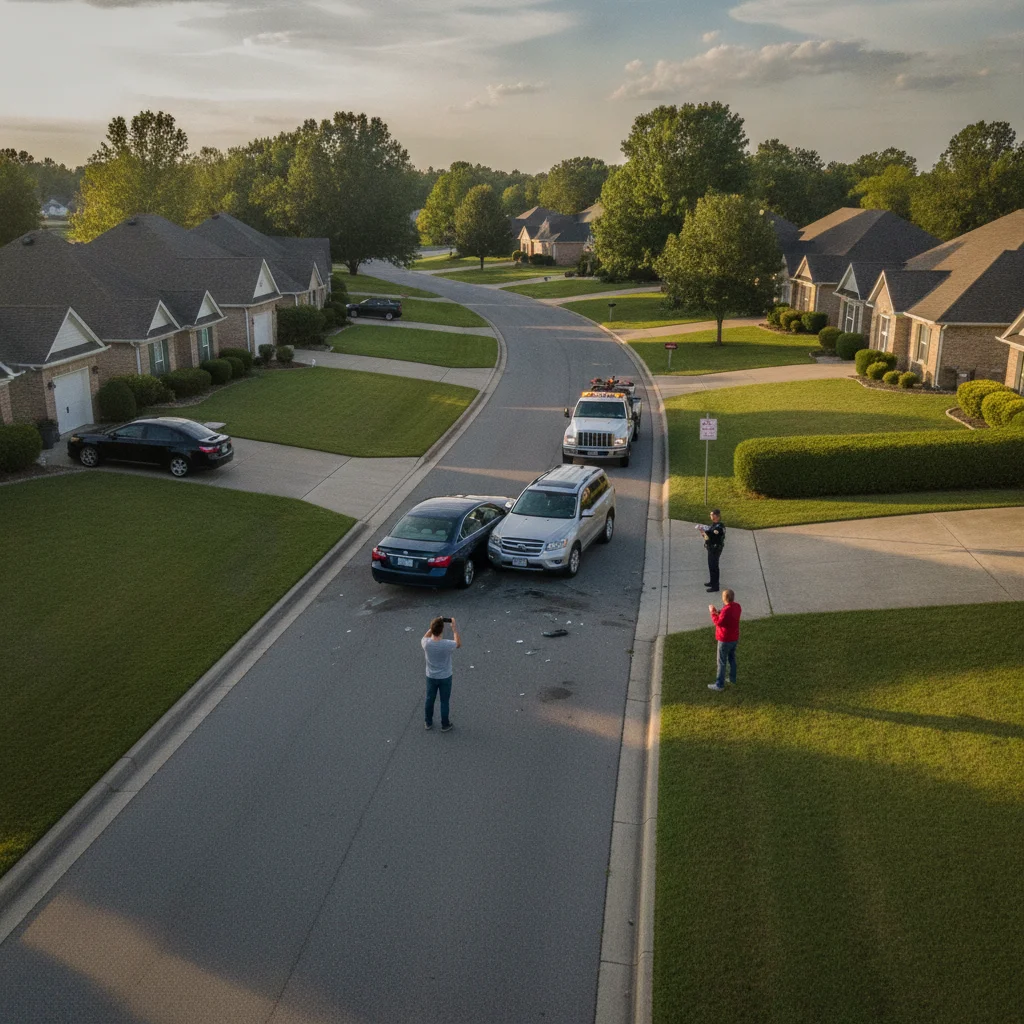
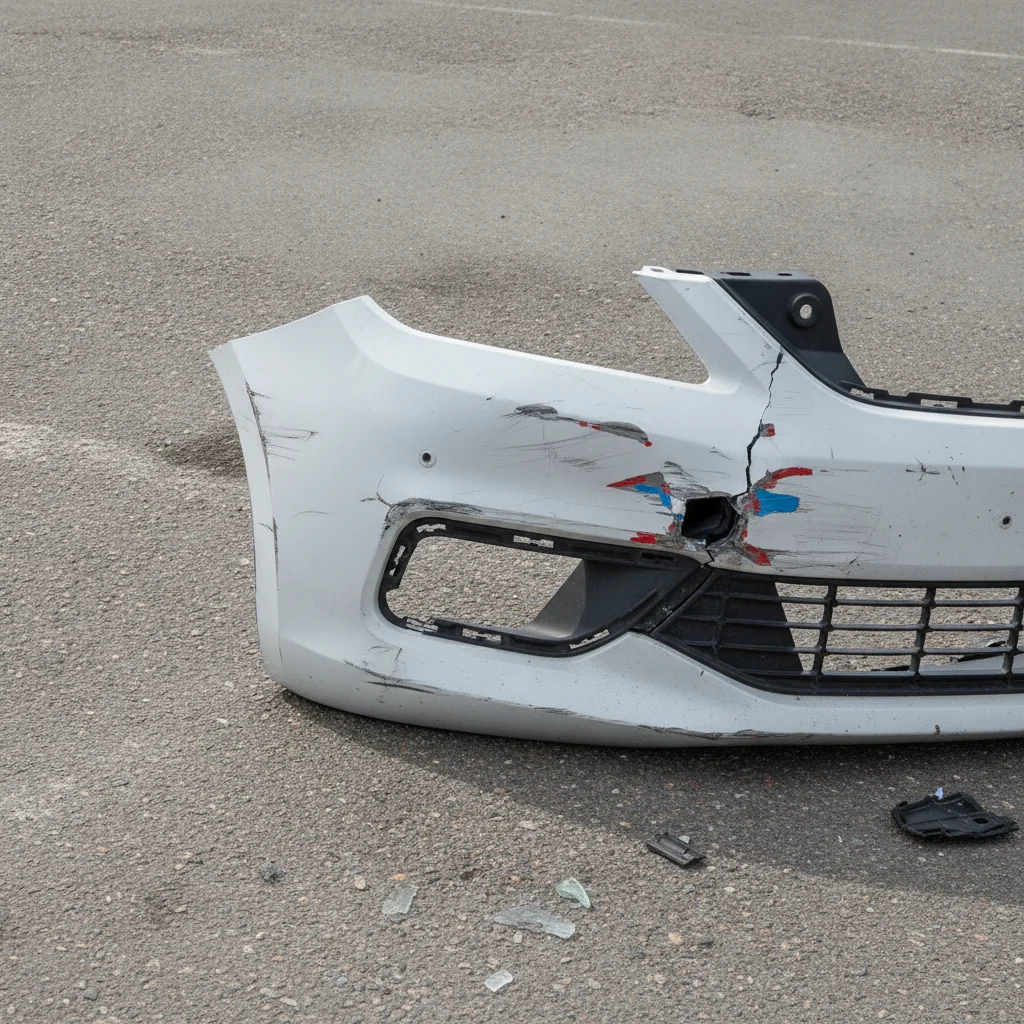
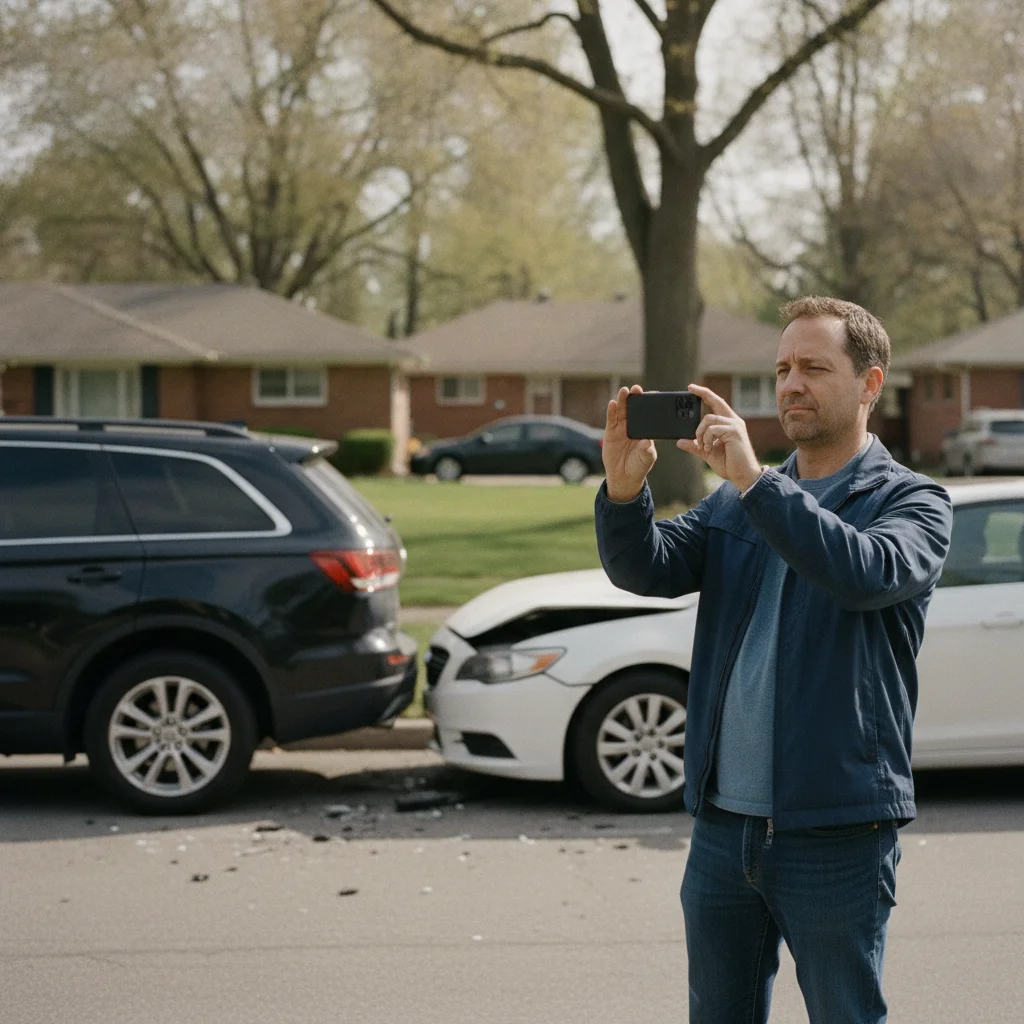
The documentation standard your insurer expects includes: photographs of all vehicle damage from multiple angles, images of the accident scene showing road conditions, traffic controls, and vehicle positions, the other driver's insurance and contact information, a copy of the police report, contact information for any witnesses, and records of any medical treatment if injuries were involved.
From documenting the scene to receiving your settlement, the steps you take immediately after an accident have a direct impact on your claim outcome. Smartphones make thorough scene documentation easier than ever — there's rarely a legitimate excuse for walking away from an accident scene with fewer than 20 to 30 photographs.
1 in 8
U.S. drivers estimated to be uninsured
According to the Insurance Research Council's most recent estimates, approximately 12.6% of drivers on American roads carry no auto insurance at all — a figure that underscores coverage-gap risks.
$900M+
Recovered for consumers via state complaints
The National Association of Insurance Commissioners reports that state regulators collectively recovered over $900 million in claims on behalf of consumers in a single year through the complaint resolution process.
43%
Of denied claims involve documentation issues
Industry analysis from claims consulting firms consistently finds that incomplete or contradictory documentation is among the leading contributing factors in collision claim denials.
24–72 hrs
Typical insurer reporting window
While policies vary, many auto insurers require prompt accident reporting — some specifying windows as short as 24 to 72 hours — making timely notification critical to preserving your claim.
One often-overlooked documentation step: write down your own account of what happened as soon as possible after the incident, before memory details begin to blur. This contemporaneous narrative can serve as a useful reference if an adjuster later asks clarifying questions or if the claim goes to dispute.
Misrepresentation Can Void Your Entire Policy
Providing false information about vehicle use, primary driver, or accident circumstances isn't just grounds for claim denial — it can result in full policy rescission, meaning the insurer retroactively cancels your coverage as if it never existed. In serious cases, intentional misrepresentation can constitute insurance fraud, which carries criminal penalties. Always be accurate and complete in all communications with your insurer.
You Have a Right to a Written Denial Explanation
In all 50 states, policyholders are entitled to a written explanation of any claim denial that cites the specific policy language or legal grounds for the decision. If your insurer provides only a vague or verbal denial, request written documentation immediately. This written record is essential for any appeal, state complaint filing, or legal action you may pursue.
When the Denial Is Wrong: How to Push Back
Not every claim denial is correct. Insurers can make errors in coverage interpretation, fail to account for all available evidence, or misapply policy language. If you believe your claim was wrongly denied, you have multiple avenues of recourse — and the process is more accessible than most drivers realize.
Step 1: Get the denial in writing. Request a written explanation of the denial that cites the specific policy language the insurer relied upon. This is your foundation for any appeal.
Step 2: Review your policy. Read the relevant exclusions and conditions carefully. Many denial letters cite provisions in broad language — the actual policy text may tell a more nuanced story. If the language is ambiguous, courts have historically interpreted policy ambiguities in favor of the policyholder.
Step 3: File a formal appeal. Most insurers have an internal appeal process. Submit a written appeal with any additional documentation — supplemental photos, a more detailed incident description, repair estimates, witness statements — that addresses the specific grounds for denial.
Step 4: Contact your state insurance commissioner. Every state has a department of insurance that handles consumer complaints against insurers. Filing a complaint is free, creates a formal record, and often prompts insurers to reconsider their position. According to the National Association of Insurance Commissioners, state regulators recovered over $900 million in claims on behalf of consumers in a single recent year through complaint resolution processes.
Step 5: Consult a public adjuster or attorney. For significant claim amounts, a licensed public adjuster or an insurance bad-faith attorney can evaluate whether the denial has legal merit and represent your interests. Many insurance attorneys work on contingency for bad-faith cases, meaning you pay nothing unless they recover funds for you.

Missing documents, disputed liability, and adjuster backlogs all slow claims down — and the same issues that delay a claim can ultimately contribute to a denial if they're not resolved. Staying organized and proactive throughout the process is essential.
Preventing the Next Denial: Proactive Policy Management
The most effective strategy against a collision claim denial is one you execute before any accident occurs. That means understanding your coverage, maintaining your policy in good standing, and building the documentation habits that protect you when it matters most.
Start by doing a coverage audit. Pull out your declarations page and review what you actually have. Confirm your collision deductible, check for any endorsements or exclusions specific to your vehicle or driving situation, and verify that your policy is current. Many drivers misunderstand what collision insurance covers — and those misconceptions are most dangerous when a claim is on the line.
It's also worth understanding how collision coverage interacts with comprehensive coverage, since misidentifying the type of damage can lead you to file under the wrong coverage type — another common denial trigger. Hail damage, a fender bender, a stolen car — learn which type of claim to file depending on what happened to your vehicle is foundational knowledge every driver should have.
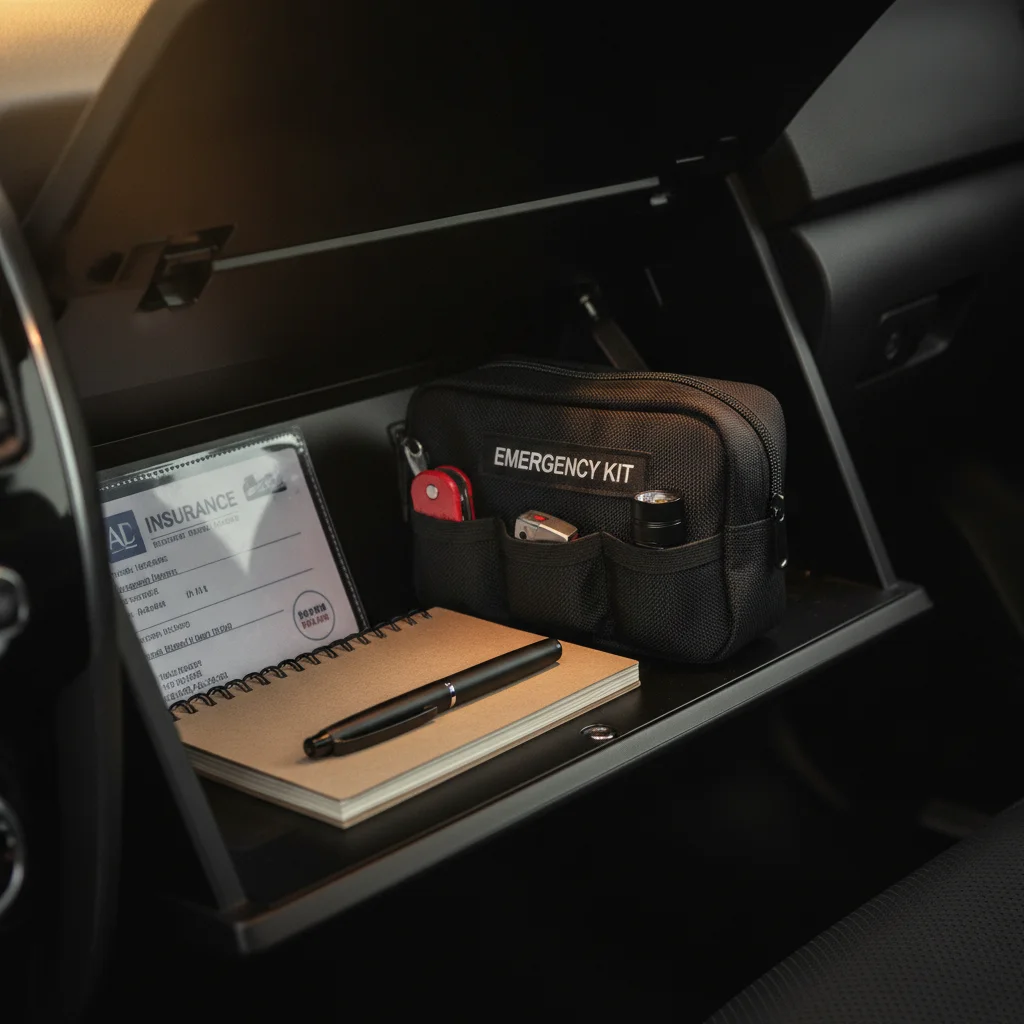
Beyond your coverage specifics, build practical readiness habits: keep a small emergency kit in your glove compartment with a pen, notepad, and printed insurance card. Save your insurer's claims hotline number in your phone. Know the reporting timeline your policy requires. These aren't dramatic preparations — they're the kind of low-effort steps that make a concrete difference when you're standing at the side of a road trying to manage a stressful situation.
Finally, maintain continuity of coverage. Payment lapses — even brief ones — create real vulnerability. Set up autopay if you're prone to missing due dates, and if you're changing insurers, time the new policy's start date to overlap slightly with the end of your existing coverage rather than leaving even a single day of exposure.
For a comprehensive look at the full claims process from start to finish, the step-by-step claims filing process covers everything from first notice of loss through settlement.

All claims are backed by peer-reviewed research. Sources on request.