Key Takeaways
Why Comprehensive Coverage Is So Widely Misunderstood
Ask most drivers whether they have "full coverage" and the confident answer is usually yes. Ask them what that actually means, and the confidence tends to evaporate. Comprehensive insurance sits at the center of this confusion — a policy that sounds like it covers everything but is precisely defined to cover specific, limited risks.
The problem isn't that drivers are careless. It's that auto insurance terminology was never designed for clarity. The word "comprehensive" implies totality. In practice, it describes one narrow slice of physical damage protection: events that are neither your fault nor the result of a collision. Think hail, theft, flooding, fire, and falling objects. As our guide on what collision and comprehensive each actually protect explains, these two coverages are often bundled but serve very different purposes.
The misconceptions that follow aren't trivial. They shape how drivers assess their risk, whether they file claims, and how financially exposed they are when something goes wrong. Getting the facts straight matters — not just for peace of mind, but for your bank account.

The Most Damaging Myths About Comprehensive Coverage
Below are the comprehensive insurance myths most likely to cost drivers real money, paired with the accurate information you need to make better decisions about your coverage.
Myth
"Full coverage" means my car is protected in every possible situation.
Fact
"Full coverage" is an informal term with no standardized legal definition — it typically means liability plus comprehensive and collision, each with their own exclusions and deductibles.
The phrase "full coverage" is one of the most misleading terms in personal auto insurance. It's used by dealers, lenders, and drivers alike as shorthand for a combination of coverages, but no policy exists that covers everything. Even a policy carrying comprehensive, collision, and liability leaves gaps: mechanical breakdown, wear and tear, personal property inside the vehicle, rideshare liability in many cases, and flood damage to electronics may all fall outside standard coverage.
When someone says they have "full coverage," they usually mean their policy includes both physical damage coverages (comprehensive and collision) in addition to state-mandated liability limits. That's meaningful protection — but it's not total protection. Understanding what's excluded is just as important as knowing what's included. Drivers who assume otherwise tend to be the ones blindsided by a denied claim.
Myth
Comprehensive coverage pays for damage to my car regardless of how it happened.
Fact
Comprehensive only covers specific non-collision perils — events like theft, weather, fire, and animal strikes. It does not cover collision damage of any kind.
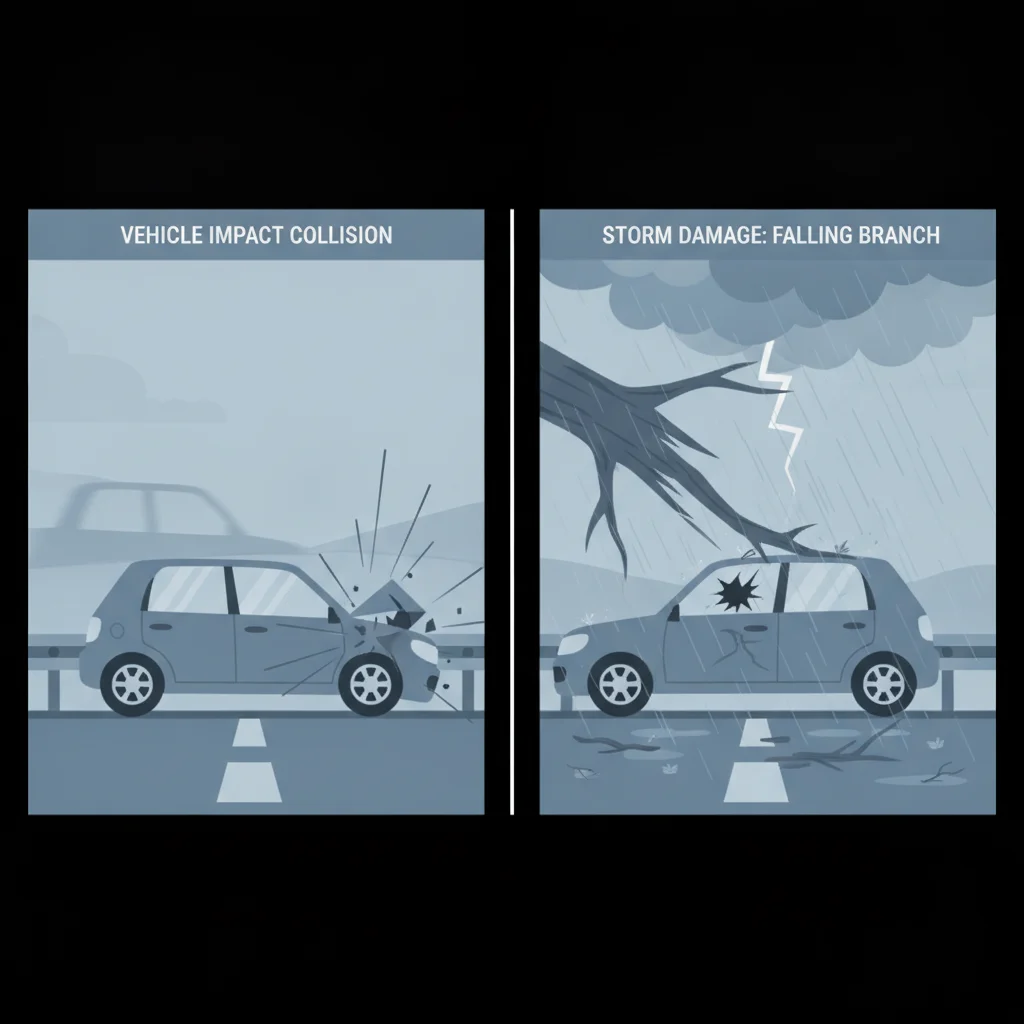
The term "comprehensive" is genuinely misleading by implication. In practice, it applies to a defined list of non-collision perils. If your car is damaged in an accident — whether with another vehicle, a pothole, a guardrail, or your own garage door — that's a collision claim, not a comprehensive claim.
This distinction matters enormously when drivers carry one coverage but not the other. A driver who adds comprehensive to save money over a combined policy may discover after backing into a fence post that comprehensive won't respond at all. That's a collision event, requiring collision coverage. Our breakdown of what collision and comprehensive each cover maps out these boundaries clearly.
Myth
If my car is stolen, comprehensive will pay to replace it with an equivalent new vehicle.
Fact
Comprehensive pays actual cash value — your vehicle's depreciated market value at the time of loss, minus your deductible. That figure is rarely enough to buy a comparable new car.
This myth can be especially painful in the context of theft or total loss. Drivers expect to be made whole — to walk away with enough to replace what they lost. But comprehensive pays ACV, not replacement cost. ACV reflects current market value after depreciation, which begins the moment you drive off the lot and continues every year.
If your three-year-old car was worth $18,000 at purchase and is now worth $13,000 ACV, a theft claim yields approximately $13,000 minus your deductible. If you still owe $15,500 on the loan, you're $2,500+ short — and responsible for the balance. This is the exact scenario gap insurance is designed to address. See our hub on optional add-ons like gap insurance for how supplemental coverages can close this gap.
Myth
My personal belongings are covered under comprehensive if they're stolen from my car.
Fact
Comprehensive covers the vehicle and its permanently installed components — not personal property inside the car. Stolen laptops, bags, or clothing fall under renters or homeowners insurance.
This is one of the most frequently misunderstood aspects of comprehensive coverage, particularly in the context of vehicle break-ins. If someone smashes your window and steals your laptop bag, comprehensive will cover the broken window — but not the laptop, the bag, or anything else inside it.
Personal property stolen from a vehicle is typically covered under renters insurance or homeowners insurance, subject to those policies' own deductibles and limits. If you don't carry either, that loss comes entirely out of pocket. Knowing which policy to contact after a break-in avoids delays and misdirected claims — and it reinforces why auto insurance and property insurance together form a complete personal protection picture, not any one policy alone.
Myth
Comprehensive coverage includes roadside assistance and a rental car while mine is being repaired.
Fact
Roadside assistance and rental reimbursement are separate, optional add-ons — comprehensive does not include them unless you've specifically purchased them.
After a covered comprehensive event — say, your car is damaged by flooding — many drivers expect their insurer to arrange a tow and cover a rental vehicle during repairs. Both of those expectations require separate coverage endorsements that must be purchased in addition to comprehensive.
Roadside assistance covers towing, flat tire changes, battery jumps, and lockout service. Rental reimbursement covers a daily rental car rate (up to policy limits) while your vehicle is being repaired after a covered claim. Neither comes standard. Drivers who assume comprehensive is an all-in-one solution often discover these gaps only after an incident leaves them stranded. Check your declarations page for these line items, and review the full range of optional add-ons available to fill specific gaps in your coverage.
Myth
Hail damage to my car is automatically covered because it's a weather event.
Fact
Hail damage is covered under comprehensive — but only if you carry comprehensive. It also requires you to pay your deductible before the insurer covers the rest.
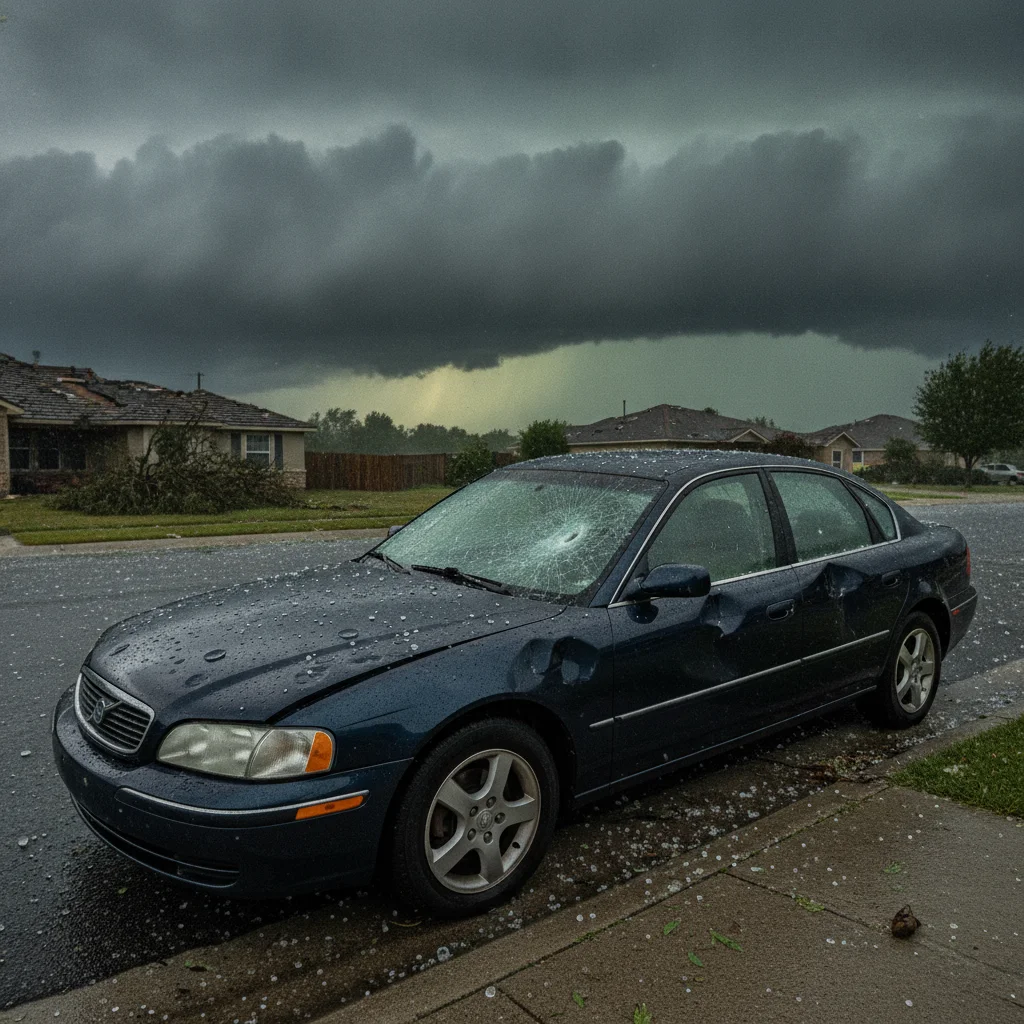
Weather-related damage, including hail, is indeed within the comprehensive coverage scope. But "automatic" is the wrong word. Coverage only exists if you've purchased it. Drivers with liability-only policies — or even those who carry collision but dropped comprehensive to save on premiums — have no coverage for hail damage at all.
Even when comprehensive is in place, your deductible applies. If hail causes $600 in damage and your deductible is $500, you'll receive a $100 check — and may face the downstream consequence of a claim on your record. Some insurers allow policyholders to choose separate, lower deductibles for glass claims specifically, which can be worth requesting if you live in a hail-prone region. It's worth reassessing whether your current deductible level makes practical sense given your climate and vehicle value.
~6 million
Comprehensive claims filed annually in the U.S.
According to the Insurance Information Institute, comprehensive claims — led by weather, theft, and animal collisions — represent a significant share of total auto insurance claims each year.
$1,650
Average comprehensive claim payment
The Insurance Research Council has estimated average comprehensive claim costs in this range, though payouts vary widely based on vehicle value, deductible, and type of loss.
1 in 88
Odds of a vehicle theft claim in a given year
The Insurance Information Institute reports that vehicle theft remains one of the most common comprehensive perils, with risk varying significantly by geography and vehicle type.
20%+
Drivers who carry liability only — no physical damage coverage
Industry estimates suggest a meaningful share of U.S. drivers operate without collision or comprehensive, leaving them fully exposed to vehicle loss from theft or weather.
What Comprehensive Coverage Actually Pays For
Strip away the mythology and comprehensive insurance is actually a well-defined product. It reimburses you — minus your deductible — when your vehicle is damaged or destroyed by a covered peril that does not involve a collision. Covered perils typically include:
- Theft — if your vehicle is stolen and not recovered, or recovered with damage
- Weather events — hail, wind, flooding, lightning, tornadoes
- Fire — including wildfire and electrical fires not caused by a crash
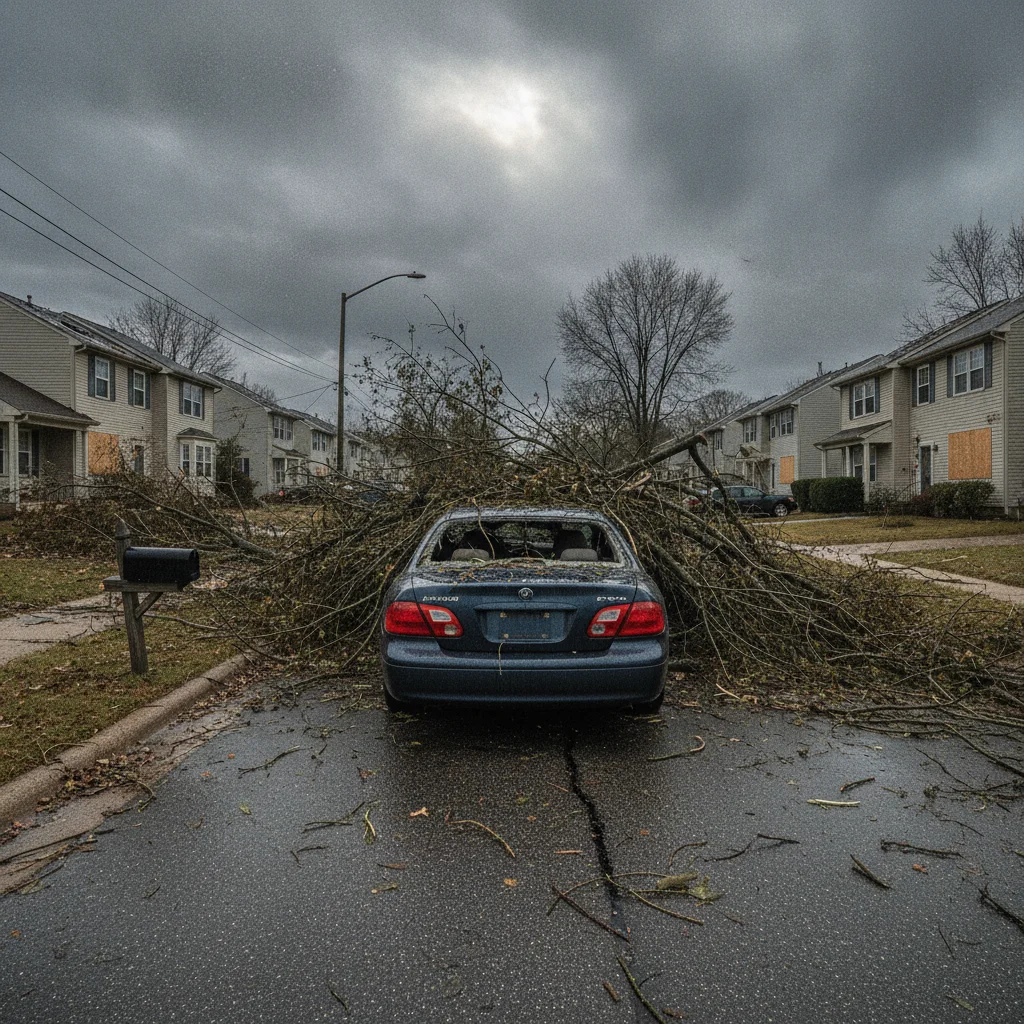
- Falling objects — tree branches, debris, even garage doors in some cases
- Animal strikes — hitting a deer is one of the most common comprehensive claims in the U.S.
- Vandalism and civil unrest — keyed paint, broken windows, riot damage
- Glass damage — windshield cracks from road debris, though some policies offer separate zero-deductible glass coverage
If you want to discover more edge cases, our article on situations where comprehensive surprisingly applies walks through several scenarios most drivers don't consider — from civil unrest to cracked windshields from road debris.
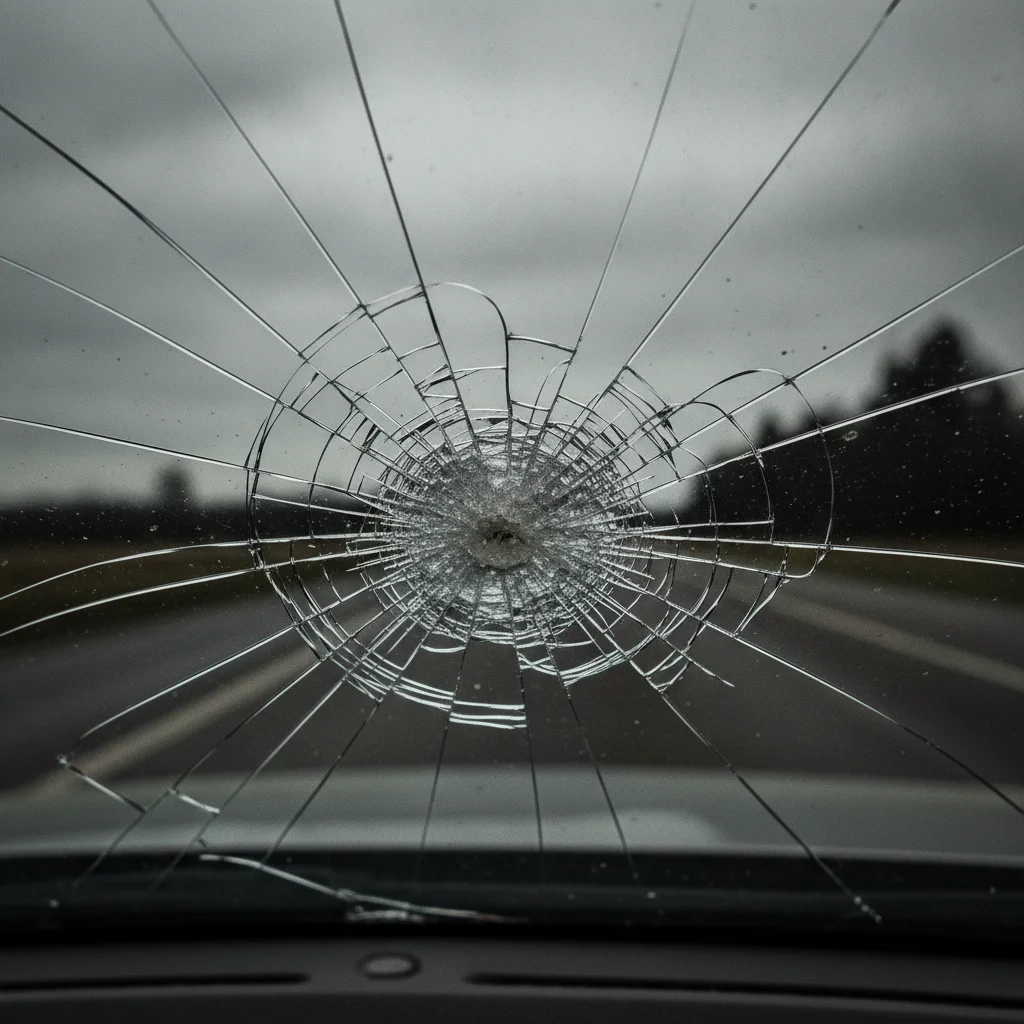
What comprehensive does not pay for is equally important to know. It won't cover collision damage (that's what collision insurance is for), mechanical failures, normal wear and tear, or items stolen from inside the car. It also won't restore your vehicle's value if it depreciates after a repair — that's a gap insurance or new-car replacement endorsement issue.
Comprehensive Won't Cover Collision — Even Indirectly
Some drivers assume that if a weather event causes them to crash — say, ice causing a slide into a guardrail — comprehensive will apply because weather was involved. It won't. The physical contact with the guardrail makes it a collision claim. Comprehensive covers the antecedent weather damage to a parked vehicle, not the accident that results from driving in bad weather. You need collision coverage for impact events, regardless of what caused them.
Filing Small Claims May Cost You More Than the Payout
A comprehensive claim — even for a minor incident like a cracked windshield — can affect your premium at renewal with some insurers. Before filing a claim, compare the payout (damage minus deductible) against the potential premium increase over the next one to three years. For small losses, paying out of pocket may be the financially smarter move.
The Role of Deductibles and Actual Cash Value
Even when a comprehensive claim is fully valid, two financial mechanisms determine how much money you actually see: your deductible and your vehicle's actual cash value (ACV).
Your deductible is the portion of the loss you absorb before your insurer pays anything. Common deductibles for comprehensive range from $100 to $1,500. If a hailstorm causes $900 in damage and you carry a $500 deductible, your insurer pays $400. Many drivers file claims expecting full reimbursement and are surprised to receive far less.
ACV is equally important. Unlike collision on a newer financed vehicle, comprehensive pays what your car is worth at the time of loss — not what you paid for it, not what it would cost to replace it new. Depreciation is applied. A four-year-old vehicle worth $14,000 that is totaled in a flood will generate a claim payout close to $14,000 (minus your deductible), not the original purchase price. If you owe more on your loan than that figure, you're responsible for the gap — which is exactly why gap insurance and other optional add-ons exist as supplemental protections.
Your Lender's Requirement Protects the Lender
When a lender requires comprehensive coverage on a financed vehicle, that requirement exists to protect their collateral — the car — not primarily to protect you. If your car is totaled and the ACV payout goes to satisfy your loan balance, you may still owe money and be left without a vehicle. Gap insurance is the product designed to address this scenario. Don't mistake a lender requirement as a guarantee that you're fully protected financially.
Choosing a higher deductible lowers your monthly premium, but it changes your break-even math significantly. A $1,000 comprehensive deductible on a vehicle worth $8,000 means you're absorbing a substantial share of any claim. Run the numbers before you optimize for premium savings alone.
How Comprehensive Fits Into Your Broader Coverage Picture
Comprehensive doesn't exist in isolation. It works alongside — and is frequently confused with — collision, liability, and uninsured motorist coverage. Each addresses a different category of risk, and assuming one covers another is one of the most common mistakes in personal auto insurance.
Liability coverage, for instance, pays for damage you cause to other people's vehicles and property. It does nothing to repair your own car. Many drivers confuse the two, a problem covered in depth in our piece on common misconceptions about liability coverage. If you've only added comprehensive to a liability-only policy, you're covered for a stolen car but not for damage you cause in a crash or damage your car sustains in one.
Collision coverage fills the gap for impact-related damage — your car hitting another car, a guardrail, or a light pole. The comprehensive vs. collision breakdown makes clear these coverages are complementary, not interchangeable. Bundling both is what most lenders mean when they require "physical damage coverage" on a financed vehicle.
It's also worth separating what your insurer covers from what your budget can actually absorb. Drivers who take advantage of available discounts can sometimes afford to carry lower deductibles without dramatically increasing their premiums. Shopping your policy periodically is a real financial lever — not just a theoretical one.
Finally, understand that comprehensive is optional on vehicles you own outright. If your car's ACV is close to your deductible plus annual premium costs, paying for comprehensive may not make financial sense. The calculus changes if you couldn't absorb the loss of the vehicle out of pocket, or if you live in a high-risk area for weather or theft.
Making Smarter Decisions With Accurate Information
The myths around comprehensive coverage persist largely because insurance companies don't have a financial incentive to aggressively clarify them, and most drivers only engage with their policy language after a claim is denied. That's a costly way to learn.
The practical steps are straightforward. Pull out your declarations page and identify your comprehensive coverage limit, deductible, and any exclusions listed. Call your insurer or agent and ask directly: if a deer totals my car tomorrow, what would I receive? If my catalytic converter is stolen, does comprehensive cover it? Those specific, scenario-based questions surface exclusions and limitations that abstract policy summaries obscure.
If you've been confused about what collision insurance covers — and how those myths differ from the ones around comprehensive — our article on collision coverage myths that cost drivers money is worth reading alongside this one. The two coverages are frequently discussed together, and clearing up both sets of misconceptions at once gives you a complete picture of your physical damage protection.
Insurance is a contract. Comprehensive coverage is a specific, bounded promise — and knowing precisely what it promises puts you in a far stronger position when you need to use it.

All claims are backed by peer-reviewed research. Sources on request.