Key Takeaways
The Coverage That Does More Than You Think
Ask most drivers what comprehensive auto insurance covers and you'll get a short list: theft, maybe hail damage. But that narrow understanding leads to real financial surprises when something unexpected damages a vehicle and drivers either don't file a claim — or file the wrong one.
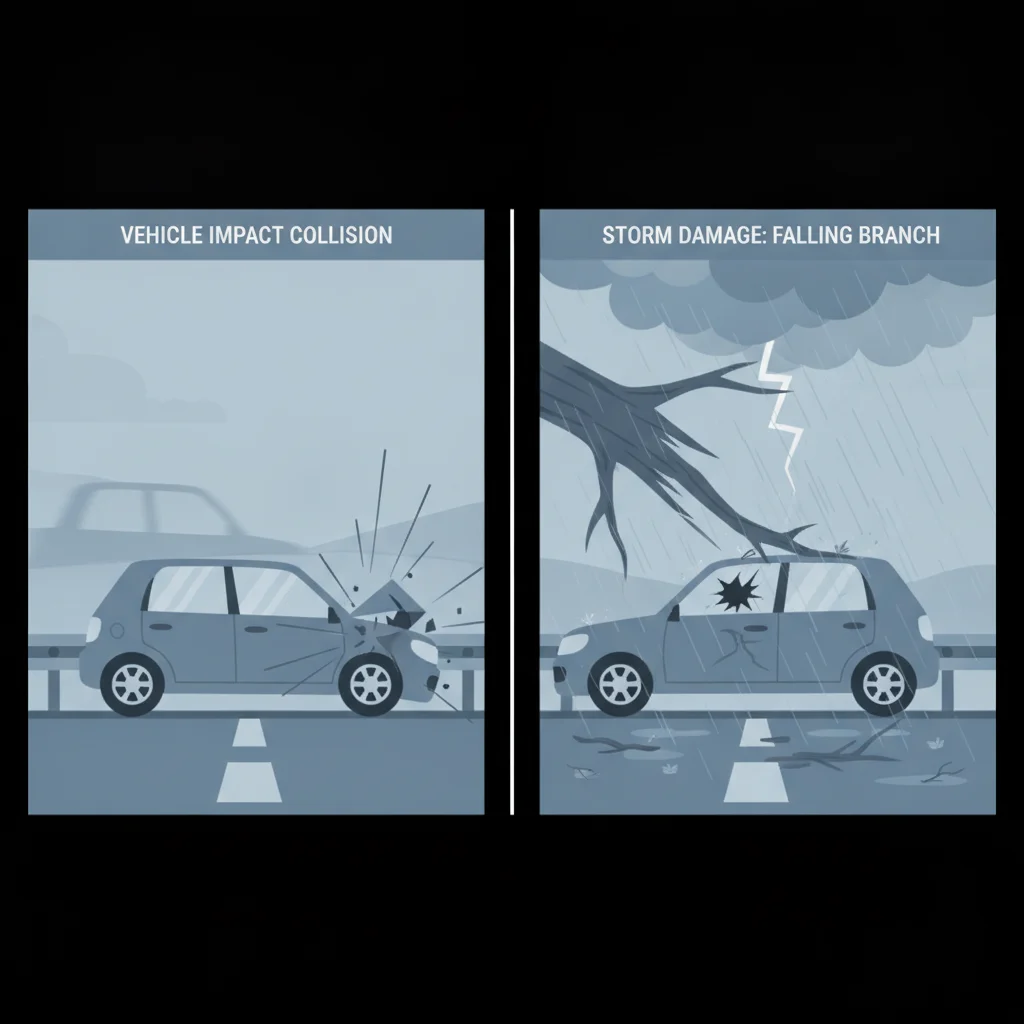
Comprehensive coverage is designed to address physical damage to your vehicle caused by events outside your control that do not involve a collision with another vehicle or object you drove into. That definition casts a surprisingly wide net. The Insurance Information Institute describes it as covering "damage caused by events other than collision," but that clinical phrase obscures how diverse the qualifying scenarios actually are.
For a clear breakdown of how comprehensive differs from collision at a fundamental level, see Collision vs. Comprehensive Coverage: What Each One Actually Protects. This article goes deeper — focusing specifically on the situations drivers are genuinely surprised to discover their comprehensive policy handles.
Below are nine real-world scenarios where comprehensive coverage applies, including several that routinely catch policyholders off guard.
Road debris shatters or cracks your windshield
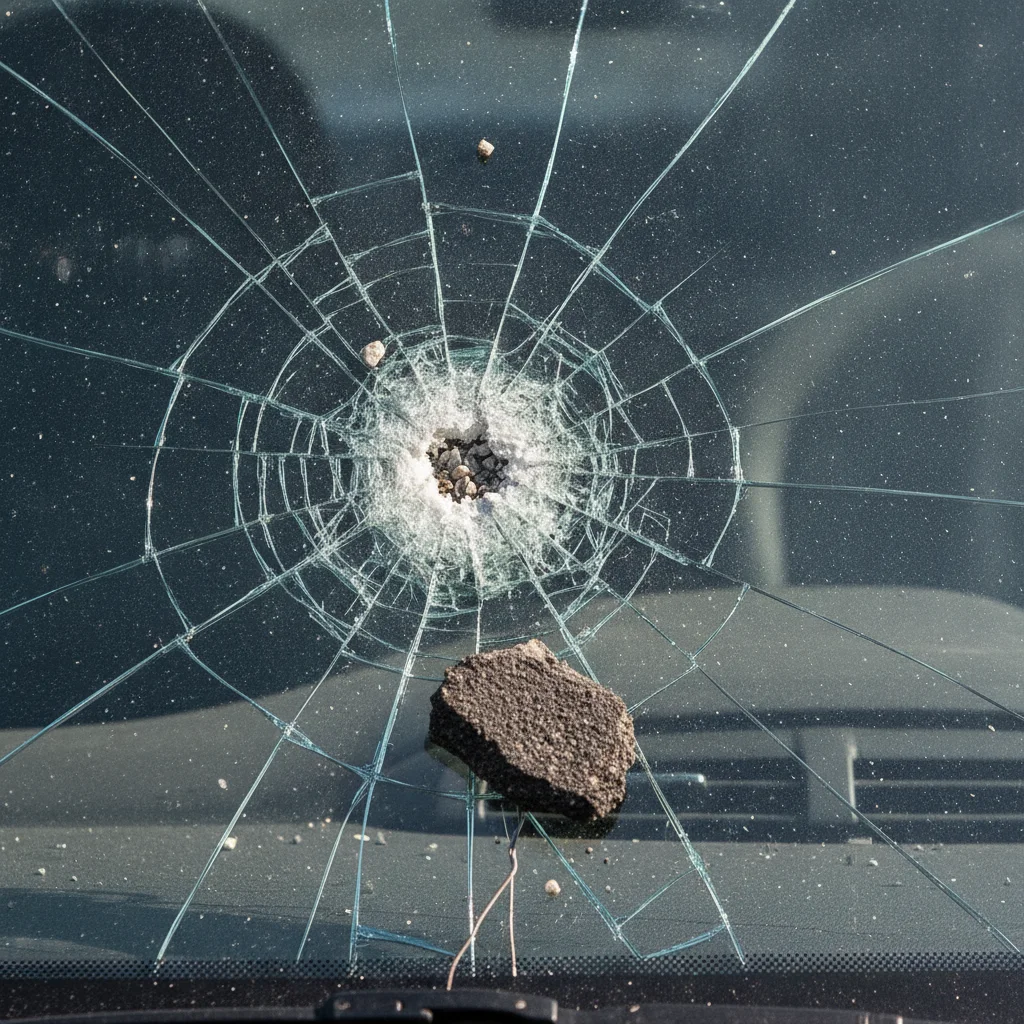
A pebble kicked up by a passing truck, a chunk of retread tire from a semi, a loose piece of asphalt from a construction zone — all of these can crack or shatter a windshield without any collision occurring. This is among the most frequent comprehensive claims filed in the United States, and it surprises many drivers who assume glass damage is its own separate issue.
The good news: many insurers offer glass-only claims under comprehensive with a waived or reduced deductible, particularly if the windshield can be repaired rather than replaced. Some states, including Florida, Kentucky, and South Carolina, mandate zero-deductible glass coverage by law. Check your declarations page or call your insurer — this is one area where the claim could genuinely cost you nothing out of pocket.
Many insurers waive the deductible entirely for windshield repair claims filed under comprehensive.
A deer or other animal strikes your vehicle
More than 1.5 million deer-vehicle collisions occur annually in the U.S., according to State Farm's periodic deer crash reports — and virtually all of them are comprehensive claims, not collision claims. That surprises drivers who instinctively think "my car hit something, so it must be collision."
The key distinction is intent and control. Collision coverage applies when you drive your vehicle into something. Hitting a deer — or a dog, a bird that cracks your windshield, or any other animal — is treated as an uncontrollable external event, placing it firmly in comprehensive territory. This applies whether the animal runs into the side of your car or you brake hard but still make contact.
[in_content_images:1]Animal strike claims tend to cluster seasonally — deer mating season in October and November accounts for a disproportionate share — and geographically, with rural and suburban drivers in mid-Atlantic and Midwestern states facing the highest risk.
Hitting a deer is a comprehensive claim, not collision — even if your vehicle struck the animal head-on.
Vandalism damages your parked car
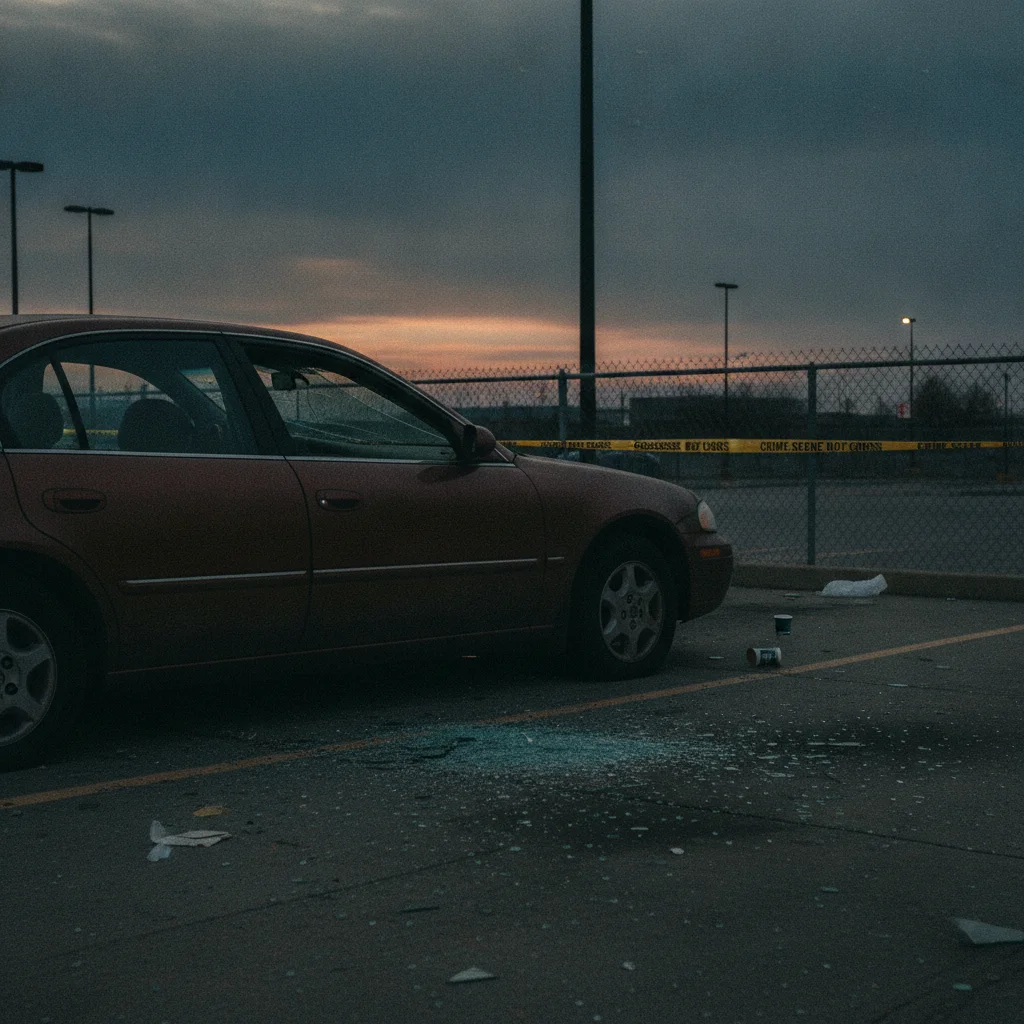
Keyed paint, slashed tires, a smashed window, spray paint graffiti — all of these qualify as vandalism, and all fall under comprehensive coverage. The rationale is straightforward: the damage was inflicted on your vehicle by a third party, not caused by the vehicle's operation.
One important procedural note: most insurers require a police report to process a vandalism claim. Filing that report promptly serves two purposes — it documents the incident for the insurance company and creates a record that could matter if the perpetrator is later identified. Photograph everything before moving the vehicle or touching damaged areas if you can do so safely.
For drivers in urban areas with higher crime rates, vandalism is not a hypothetical. It's worth verifying your comprehensive deductible and whether the repair cost will meaningfully exceed it before filing, since comprehensive claims can affect your future premium even when you were not at fault. See common comprehensive coverage misconceptions for more on how claims affect rates.
Vandalism — keyed paint, slashed tires, graffiti — is a comprehensive claim that requires a police report.
Civil unrest, rioting, or protest damage
When civil unrest results in damaged vehicles — windows smashed, cars set on fire, bodywork damaged during protests or riots — comprehensive coverage is the applicable policy. This scenario moved from theoretical to practical for many American drivers during the civil unrest of 2020, when insurers reported significant spikes in comprehensive claims related to riot and civil commotion damage.
Standard comprehensive policies explicitly list "riot or civil commotion" as a covered peril. That means fire set by rioters, broken windows, and impact damage from projectiles all qualify — provided your vehicle was not being driven at the time and the damage was not the result of a collision you were involved in.
[note_callout]Drivers who store vehicles in urban areas during periods of elevated civil tension should document their vehicle's pre-existing condition with dated photographs. This makes the claims process faster and eliminates disputes about what damage is new.
Riot and civil commotion damage to a parked vehicle is an explicitly listed peril in most comprehensive policies.
Flooding from any water source — not just storms
Most drivers know that flood damage from a hurricane or major storm is a comprehensive claim. Fewer realize that flooding from a burst water main, an overflowing storm drain, or even a flooded parking garage can also qualify — the source of the water matters less than the nature of the damage.
Comprehensive covers "flood" as a named peril, and courts and insurers have consistently interpreted this broadly. If water intrudes into the vehicle's interior, damages the engine, or causes electrical problems regardless of whether it originated from a natural weather event or an infrastructure failure, comprehensive is the coverage that applies.
One critical caveat: if you drive into standing water knowingly and the engine sustains what's called "hydrostatic lock" — water forced into the cylinders — some insurers may push back on coverage, arguing the driver assumed the risk. The best practice is never to drive into water of unknown depth. For a full picture of weather-related claims, weather damage and your car insurance breaks down coverage by event type.
Flooding from a burst water main or infrastructure failure — not just storms — typically qualifies as a comprehensive claim.
A tree, branch, or other falling object lands on your car
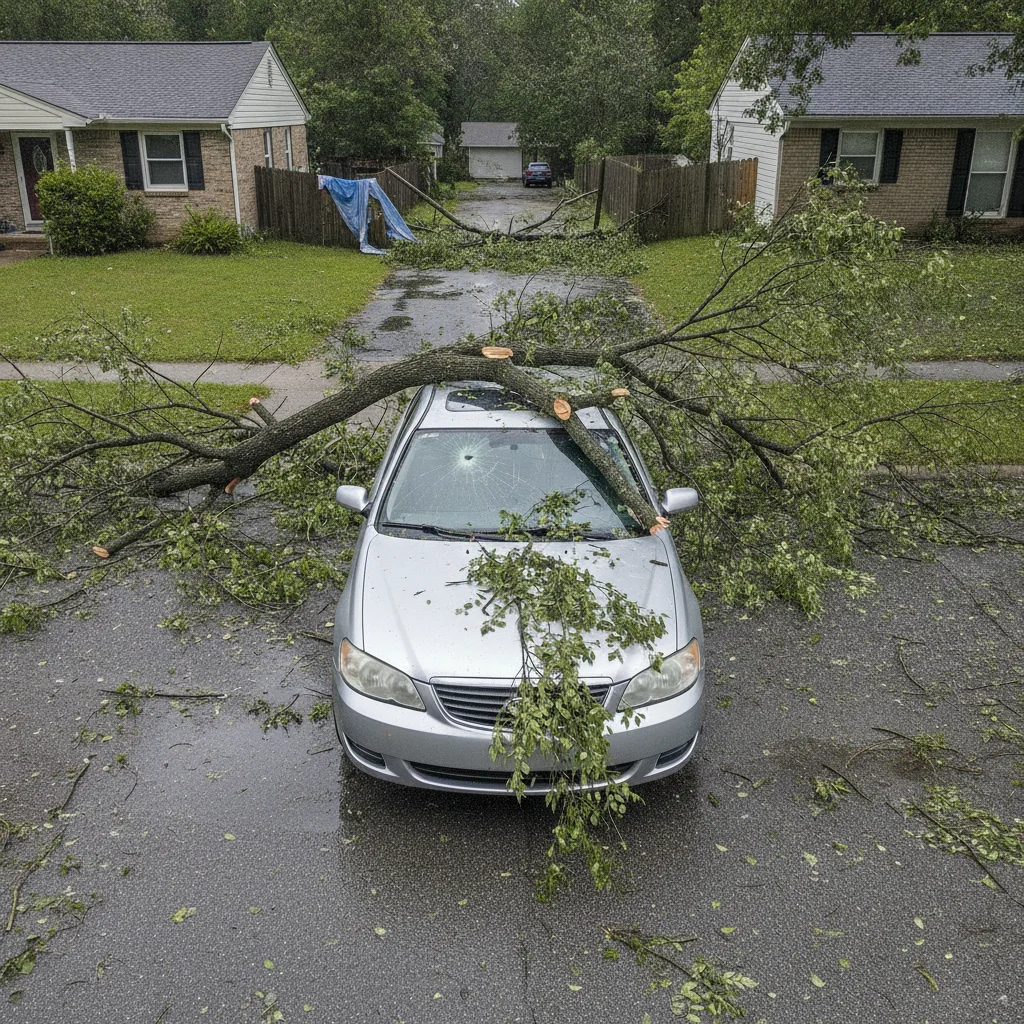
A storm-toppled tree crushing a car in a driveway. A branch snapped by ice weight landing on a roof. Construction equipment dropping materials onto a vehicle parked below. A garage light fixture falling. In each case, the event is a falling object — a specifically named peril under comprehensive coverage — and the claim process is the same.
This is an area where the "not your fault" instinct drivers have actually aligns with how coverage works. You didn't drive the car into the tree; the tree came to the car. That distinction is precisely what separates comprehensive from collision, and it means your collision deductible doesn't apply here.
Document the scene thoroughly with photos that capture both the object and the damage before any cleanup begins. If the falling object came from a neighbor's dead tree or a construction site, there may be liability avenues to pursue separately — but your comprehensive policy pays first and allows your insurer to pursue subrogation if warranted.
Falling objects — from trees to construction debris — are a named peril under comprehensive, not collision.
Fire damage — including arson and electrical fires
Vehicle fires can originate from many sources: a manufacturer defect in the electrical system, a wildfire in proximity to a parked car, fuel system failure, or deliberate arson. All are comprehensive claims. This includes fires that start inside the vehicle due to mechanical or electrical failure — a distinction that matters because some drivers assume mechanical damage is never covered by insurance.
Fire is among the most clearly defined covered perils in a comprehensive policy, and it applies regardless of whether the fire spreads from an external source or starts within the vehicle itself. If arson is suspected, expect a more thorough claims investigation — insurers are required to rule out owner-involved fraud before paying arson claims, which can extend the timeline.
Wildfire risk has elevated the practical relevance of this coverage for drivers in the western United States. If your vehicle is parked in a wildfire evacuation zone and sustains damage, comprehensive applies. What Comprehensive Insurance Covers That Collision Never Will explores this and other fire scenarios in greater detail.
Vehicle fires from arson, wildfire, or electrical failure all fall under comprehensive — not collision or mechanical coverage.
Theft of the vehicle or parts from it
Vehicle theft is one of the most commonly cited comprehensive scenarios, but the full scope of theft coverage surprises many policyholders. It's not just the theft of the entire vehicle — it includes theft of parts from the vehicle: catalytic converters, wheels and rims, tailgates, stereo equipment that is permanently installed, and even airbags.
Catalytic converter theft in particular has surged over the past several years as precious metal prices rose, making them high-value targets. Comprehensive covers the replacement cost (minus your deductible) in most cases. Removable personal items left inside the car, however, are typically not covered under comprehensive — those fall under renters or homeowners insurance.
[in_content_images:2]If your vehicle is on the list of commonly targeted models, your comprehensive premium will likely reflect that risk. How theft rates affect your comprehensive premium explains how insurers use theft data in rate-setting. For higher-risk vehicles, anti-theft devices may earn a discount — worth asking your insurer about directly.
Catalytic converter and parts theft are comprehensive claims — but personal items stolen from the car are not.
Hitting a pothole — in some circumstances
This one is the most nuanced on the list. Hitting a pothole is typically a collision claim because your vehicle collided with a road hazard. However, there are edge cases where comprehensive may apply — particularly if the pothole damage was caused by a sudden road collapse you had no opportunity to avoid, or if your jurisdiction's rules create exceptions.
More commonly, the pothole question arises in a slightly different form: what if a pothole causes debris to fly up and strike another part of the vehicle — the undercarriage, a fender, or a window? If the contact is from projectile road debris rather than the vehicle directly impacting the pothole, the analysis shifts toward comprehensive.
The practical takeaway: don't assume. Describe exactly what happened to your insurer and let them make the determination. The difference between a comprehensive and collision classification may mean a different deductible applies — and on older vehicles with high collision deductibles, that gap can be meaningful. For guidance on which coverage applies to specific incidents, Collision vs. Comprehensive Claims: Which Coverage Applies walks through the decision logic in detail.
Pothole claims are usually collision, but debris launched by a pothole that strikes your vehicle may shift to comprehensive.
Know Before You Need It
The common thread running through every scenario above is that the damage came from outside the driver's control — and outside the driver's vehicle's forward motion. That's the essential logic of comprehensive: it's the coverage that handles the world acting on your car, not your car acting on the world.

Knowing which coverage applies before you file a claim matters for two practical reasons. First, filing under the wrong coverage type can complicate or delay payment. Second, comprehensive deductibles are often set lower than collision deductibles — sometimes as low as zero for glass claims — meaning the out-of-pocket math can differ significantly depending on which policy applies.
Comprehensive doesn't cover everything non-collision
While comprehensive is broad, it has defined exclusions. Mechanical breakdown, wear and tear, and damage from using the wrong fuel are generally not covered. Personal belongings stolen from inside the vehicle fall under renters or homeowners insurance, not auto insurance. Always check your policy's exclusions section — it's the most important page most drivers never read.
Civil unrest claims and documentation
If your vehicle sustains damage during civil unrest, file a police report and gather photographic evidence before moving the car if it is safe to do so. Some insurers require a report number to process riot-related claims. Contact your insurer promptly — most policies have notification requirements that, if missed, can complicate the claim.
If you're weighing whether the cost of comprehensive is worth it for your specific vehicle, your car's current market value and local risk factors — theft rates, severe weather frequency, deer population density — are the most relevant inputs. For older vehicles with low market value, the premium-to-payout ratio deserves a hard look. For those in high-theft areas, theft data can directly affect your comprehensive rate, making it especially important to understand what you're paying for.
If your driving situation is temporarily unusual — a deployment, an extended trip, a car that will sit parked for months — you may have options to adjust your coverage accordingly. Adjusting coverage for unusual situations explains the practical steps for those cases.
Set your comprehensive deductible strategically
Comprehensive deductibles are typically separate from collision deductibles and are often set lower — sometimes as little as $100 or $250. Since comprehensive claims frequently involve high-cost events like theft or flood damage, a lower comprehensive deductible can offer strong protection at a modest premium increase. Review both deductibles independently rather than setting them at the same amount by default.
Document your vehicle before risky seasons
Before deer season, wildfire season, or major storm season in your region, take a dated video walkthrough of your vehicle's exterior and interior. This documentation can significantly accelerate the claims process and resolve any disputes about pre-existing damage. Store the video in a cloud service so it's accessible even if your phone is lost.
When in doubt about which coverage applies to a specific incident, call your insurer before filing and describe exactly what happened. Most claims representatives can tell you in minutes whether a scenario is a comprehensive or collision situation — and the answer can save you from paying a higher deductible than necessary.

All claims are backed by peer-reviewed research. Sources on request.