
Key Takeaways
Car Insurance Policy Management
Policy management refers to the ongoing process of keeping your auto insurance coverage accurate, current, and appropriate for your situation. It goes beyond simply paying premiums — it includes reviewing coverage at renewal, updating your policy when your life changes, and knowing how to use your policy when you need it. Drivers who actively manage their policies typically avoid coverage gaps and are less likely to be underinsured when a claim occurs.
Insurers classify policies as either "active," "lapsed," or "cancelled" based on premium payments and coverage continuity. A lapse — even a brief one — can affect your future premium rates and, in some states, trigger a license suspension.
Policy Management Is Not Just Paying Your Bill
Most drivers treat car insurance as a background expense — set up autopay, file it away, and hope they never have to use it. That approach works fine right up until the moment it doesn't. A claim gets denied because your vehicle information was outdated. Your premium spikes at renewal because you missed a discount you qualified for. You're underinsured after buying a new car because you never updated your coverage.
Policy management is the practice of staying in control of your coverage rather than letting it drift. It is a collection of specific actions — reviewing, updating, comparing, and understanding — that collectively determine whether your insurance actually does its job when you need it.
For a complete overview of the full lifecycle of a policy, see Auto Insurance Policy Management: Everything Drivers Need to Know. This article focuses specifically on what the concept means and why it matters as a practice.
The Core Activities That Make Up Policy Management
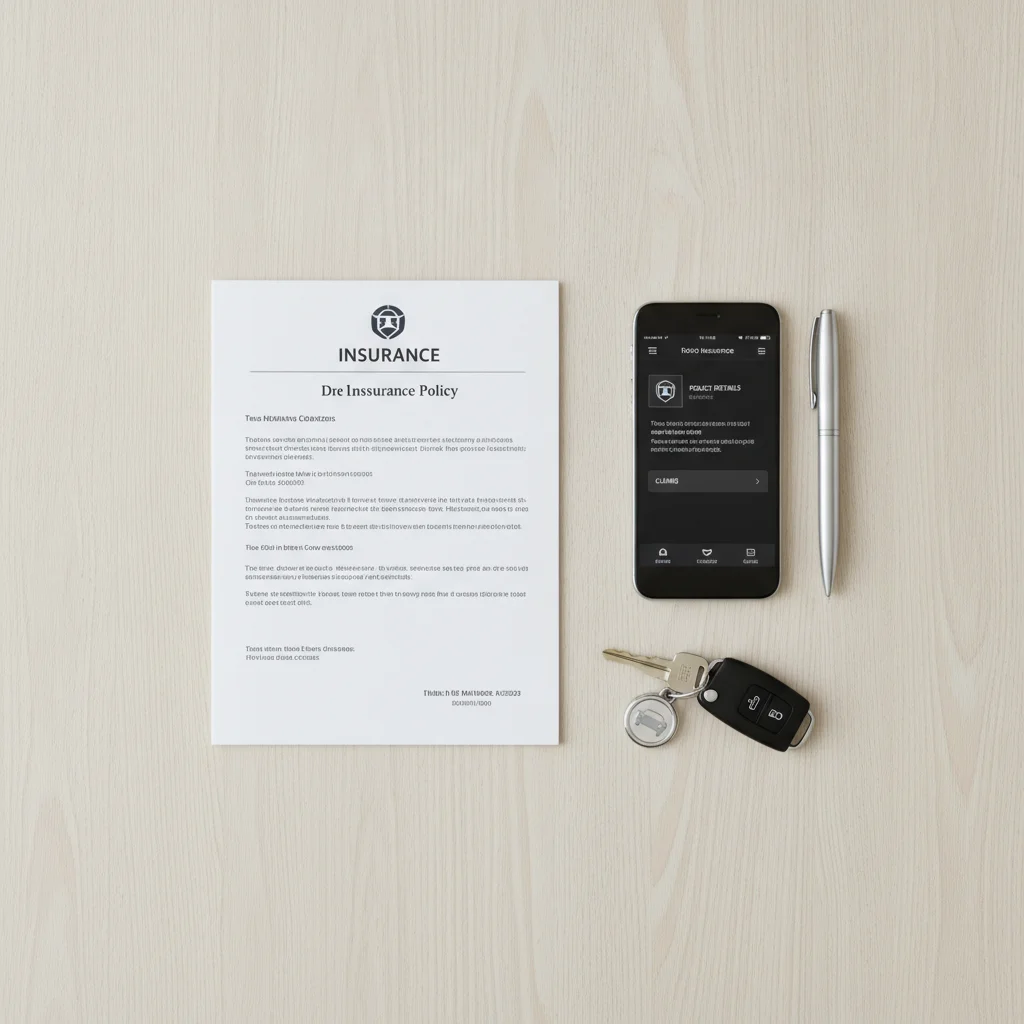
"Managing" your policy is not a single action. It is a recurring set of responsibilities, each of which serves a distinct purpose. Here is how to break it down:
1. Keeping Your Policy Information Accurate
Your insurer prices your policy based on the information you provide — your address, the vehicles you own, who drives them, and how much you drive. If that information becomes inaccurate, your policy may no longer be valid in the way you expect. Insurers have the right to deny a claim if a material misrepresentation — even an unintentional one — affected the terms of your coverage.
Accurate policy information includes:
- Your current garaging address (where the vehicle is primarily kept overnight)
- All vehicles on the policy, including newly purchased or leased ones
- All licensed drivers in your household, including teen drivers added to the household
- Annual mileage estimates, particularly if you have shifted to remote work or changed jobs
- Any changes to how the vehicle is used, such as starting to use it for rideshare or delivery
Rideshare and Delivery Use Requires Disclosure
If you start driving for a rideshare or delivery platform — even part-time — you must notify your insurer. Standard personal auto policies explicitly exclude commercial use, which rideshare and delivery driving typically qualifies as. Operating your vehicle for a platform without disclosing it can result in a denied claim. Most major insurers offer a rideshare endorsement that fills this gap at a modest additional cost.
2. Reviewing Coverage at Each Renewal
A renewal is not just a bill — it is an opportunity. Every six or twelve months, your insurer recalculates your premium and resets your policy terms. This is the moment to ask whether your current coverage still reflects your actual needs.
Common coverage misalignments that renewal reviews catch:
- Collision and comprehensive on an old vehicle: If your car's market value has dropped significantly, paying for comprehensive and collision may cost more per year than the coverage would ever pay out.
- Liability limits that haven't kept pace with your assets: As your net worth grows, low liability limits leave more of your personal assets exposed.
- Missing discounts: Safe driver discounts, bundling discounts, low-mileage discounts, and good student discounts are often added only when requested or when the insurer is prompted at renewal.
3. Updating Your Policy After Life Changes
Some changes in your life require immediate policy action — not just a note to yourself to handle it at renewal. Waiting can leave you in a gap. The biggest triggers that require prompt policy updates include buying or selling a vehicle, moving to a new state or ZIP code, adding a household driver, getting married or divorced, and changes in how you use your vehicle.
For example, if you buy a new car, your coverage needs change immediately — not at your next renewal date. What Happens to Your Policy When You Buy a New Car walks through exactly what steps to take and when.
4. Shopping and Comparing at Renewal
Loyalty does not typically pay off in auto insurance. Insurers routinely offer their best rates to attract new customers, while existing policyholders often see incremental rate creep year over year. Getting at least two or three competing quotes before each renewal — using your current coverage levels as the baseline — is one of the highest-return habits an engaged policyholder can develop. See our guide on comparing policies for a practical framework.
5. Understanding What You Have
You cannot manage what you don't understand. That means knowing the difference between liability, collision, and comprehensive coverage, understanding what your deductibles mean for your out-of-pocket exposure, and knowing who is actually covered under your policy. The distinction between a named insured and an additional driver, for instance, carries real legal and financial weight. What 'Named Insured' Means on Your Auto Policy — and Why It Matters explains the key differences.
1 in 8
Uninsured drivers on U.S. roads
According to the Insurance Research Council's most recent estimates, approximately 12.6% of U.S. motorists are uninsured, often as a result of lapsed or dropped coverage.
$540+
Average annual savings from switching insurers
The Consumer Federation of America has found that equivalent coverage from competing insurers can differ by hundreds of dollars annually — savings largely captured by active policy shoppers.
47%
Drivers who never review coverage at renewal
A J.D. Power study found that nearly half of auto insurance customers simply auto-renew without reviewing their coverage or comparing alternatives.
6–12 months
Typical auto insurance policy term
Most personal auto policies renew every six or twelve months, creating a predictable window for policyholders to review coverage and shop competing rates.
Why Drivers Skip Policy Management — And Why It Costs Them
The main reason most drivers don't actively manage their policies is that nothing goes wrong most of the time. Auto insurance is a low-touch product by design — premiums are paid automatically, renewal notices arrive and get ignored, and the policy just... continues. That passivity is comfortable until a specific moment when it suddenly isn't.
“The biggest mistake consumers make with insurance is treating it as a one-time purchase. Your life changes, your risk changes, and your coverage needs to change with it. The policy you bought three years ago may not be the policy you need today.”
— J. Robert Hunter, Former Director of Insurance, Consumer Federation of America
The costs of passive policy management tend to cluster in a few areas:
- Paying for coverage you don't need: Policyholders who never adjust coverage as their vehicles age often carry full comprehensive and collision on vehicles worth less than their annual premium for those coverages.
- Being underinsured when it matters most: Life events — a home purchase, a second vehicle, a teen driver — change your risk profile. Coverage that was adequate before may leave you exposed after.
- Missing rate reductions: Discounts for defensive driving courses, vehicle safety features, telematics programs, and bundling are real, but they often require the policyholder to ask.
- Paying loyalty tax: Research consistently shows that insurers charge long-term customers more than new customers for equivalent coverage. Inertia is expensive.
The pattern that leads to real financial harm is covered in depth in Auto Insurance Policy Management Mistakes That Lead to Coverage Gaps.

How Digital Tools Have Changed the Management Picture
The practical friction involved in policy management has dropped substantially over the past decade. What once required a phone call to an agent — updating a vehicle, changing a coverage level, downloading proof of insurance — can now be done in under two minutes through an app on your phone.
Most major insurers now offer:
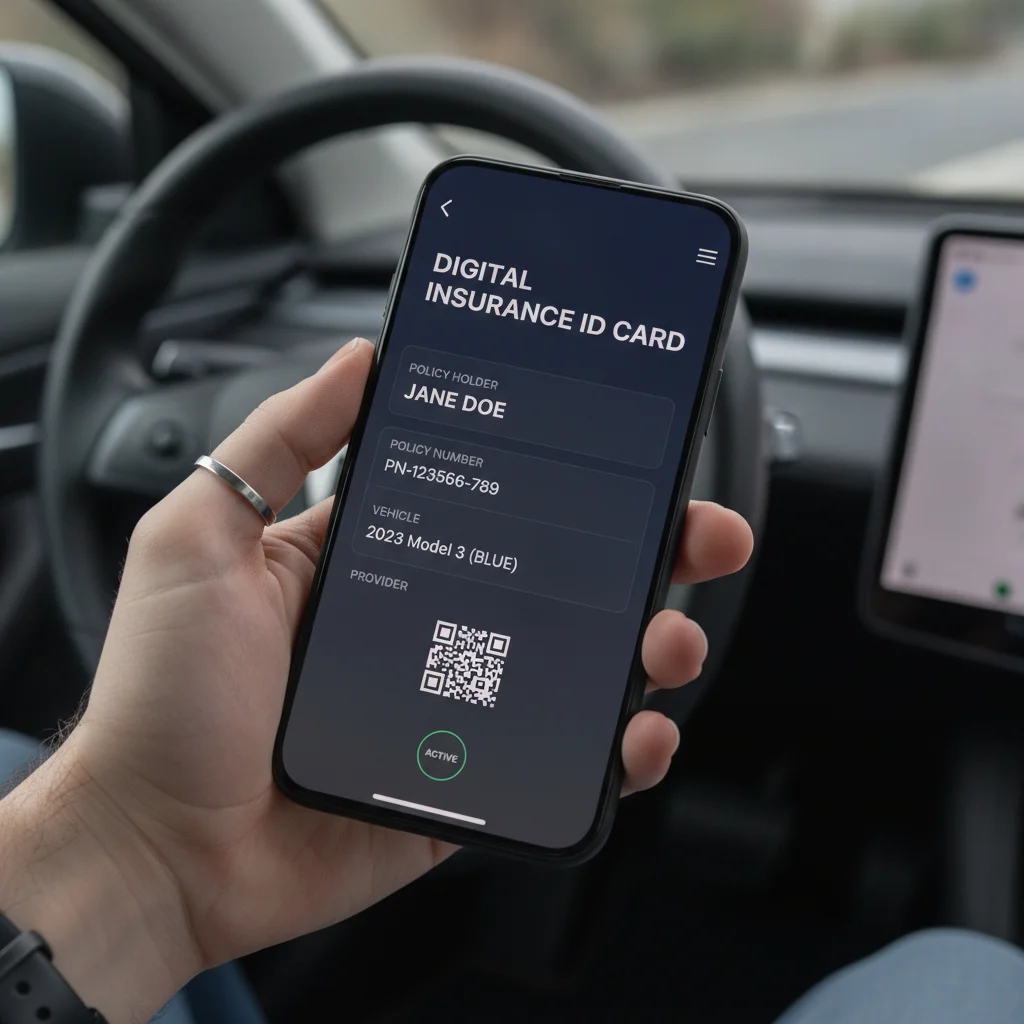
- Mobile apps with real-time policy access and digital ID cards
- Instant coverage change requests with same-day confirmation
- Automated renewal reminders with coverage comparison tools
- Telematics programs that track driving behavior and adjust rates accordingly
- Paperless document management for declarations pages, policy documents, and billing history
The shift to digital management has a meaningful implication: there are fewer legitimate excuses for leaving your policy unattended. If you can update your streaming subscription on your phone, you can update your insurance policy the same way. Paperless Policies and Digital Management: What's Changed for Auto Insurance covers the specifics of what these tools offer and how to use them effectively.
Set a Policy Review Calendar Reminder
Find your renewal date on your declarations page and set a recurring calendar reminder two to three weeks before that date. That lead time gives you enough runway to shop competing quotes and make any coverage changes before your renewal finalizes. Two to three weeks is generally sufficient; waiting until the renewal date itself leaves little room to act.
Download Your Insurer's App Now — Not After a Claim
Most major insurer apps let you file claims, access digital ID cards, make coverage changes, and contact your agent in one place. Setting up the app and familiarizing yourself with it when things are calm — not in the middle of an accident — means you can use it effectively when you actually need it. Many apps also send push notifications for renewal reminders and payment confirmations.
Building a Simple Policy Management Routine
You don't need to think about your insurance every week. But you do need a structure that ensures you engage with it at the right moments. A practical routine looks something like this:
At Each Renewal (Every 6 or 12 Months)
- Read the renewal notice — specifically look for any coverage changes or premium increases.
- Verify all vehicle and driver information is still accurate.
- Pull two or three competing quotes using identical coverage levels.
- Check for discounts you may now qualify for that weren't available before.
- Confirm your liability limits still make sense given your current assets.
After a Major Life Change
- Contact your insurer or log into your app within a few days of the change.
- Update relevant information — new address, new vehicle, new household driver.
- Confirm in writing (email or app confirmation) that the update was processed.
- Re-evaluate whether your current insurer is still the right fit, since life changes often shift your risk profile in ways that favor switching.
After a Claim
- Review how the claim was handled — response time, payout accuracy, customer service.
- Check whether your premium increased at the next renewal as a result of the claim.
- If the increase is significant, shop competing quotes before renewing.
Drivers who build these habits into their regular financial routines consistently get better value from their coverage. For a deeper look at the specific practices that make the biggest difference, see Proactive Habits for Managing Your Auto Insurance Year-Round.
The Bigger Picture: Coverage That Actually Works When You Need It
At its core, managing your car insurance policy is about closing the gap between what you think you're covered for and what you're actually covered for. Those two things can drift apart silently — a move here, a new vehicle there, a few years of autopay with no review — until an accident or a claim reveals the distance between them.
The good news is that the gap is easy to close. Staying engaged with your policy doesn't require expertise or significant time. It requires a basic understanding of how auto insurance works, a willingness to read your renewal notices, and the habit of updating your insurer when your life changes.
That's policy management. And for most drivers, that's the difference between insurance as a theoretical safety net and insurance as real financial protection.

All claims are backed by peer-reviewed research. Sources on request.