Key Takeaways
Certified Pre-Owned (CPO)
Certified Pre-Owned, or CPO, is a designation applied to used vehicles that have passed a manufacturer-defined inspection process and come with an extended warranty backed by that manufacturer or a third party. Unlike a standard used car, a CPO vehicle has been checked against a specific checklist — typically covering mechanical, safety, and cosmetic criteria — before being offered for sale. The certification is intended to give buyers additional confidence and protection beyond what a regular pre-owned vehicle offers.
Manufacturer CPO programs are distinct from dealer-certified programs. Manufacturer programs are governed and backed directly by the automaker; dealer-certified programs are created by individual dealerships and carry no manufacturer warranty obligation.
The Problem With the Label
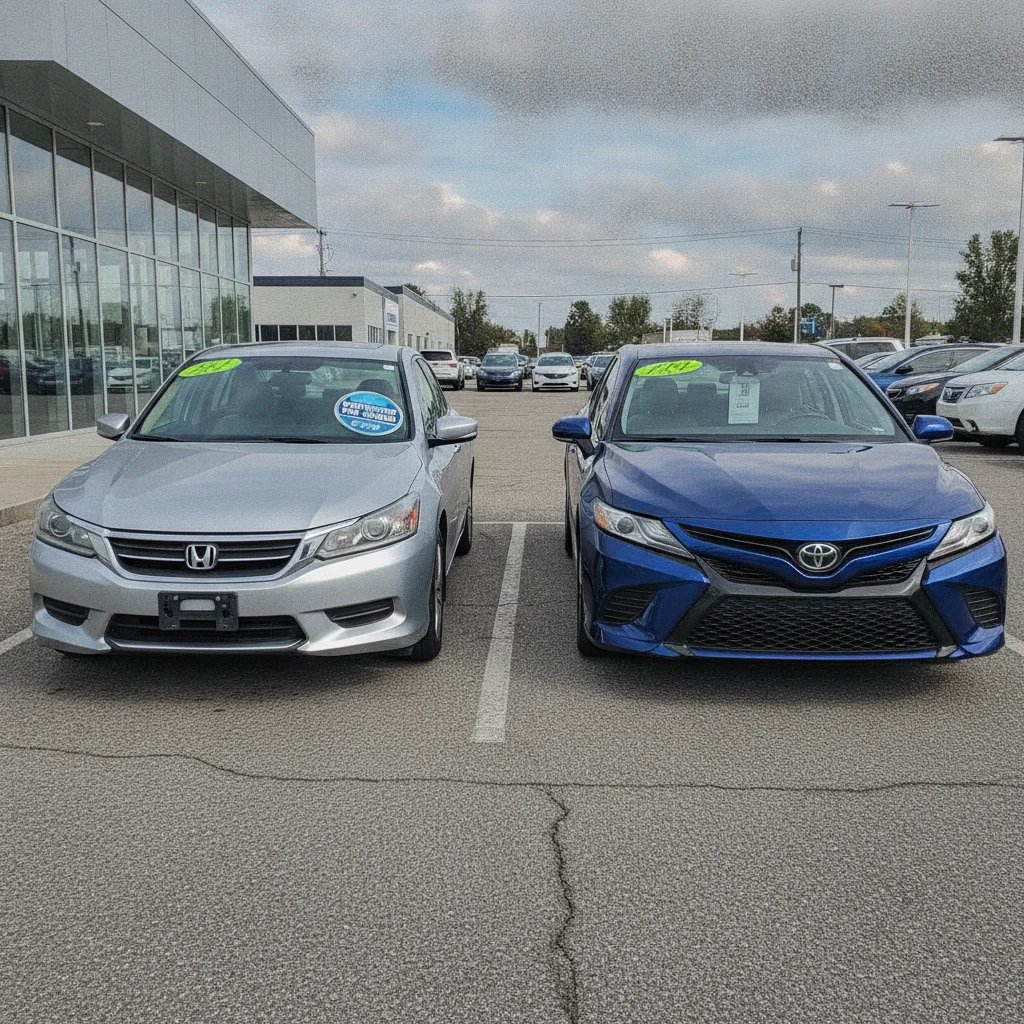
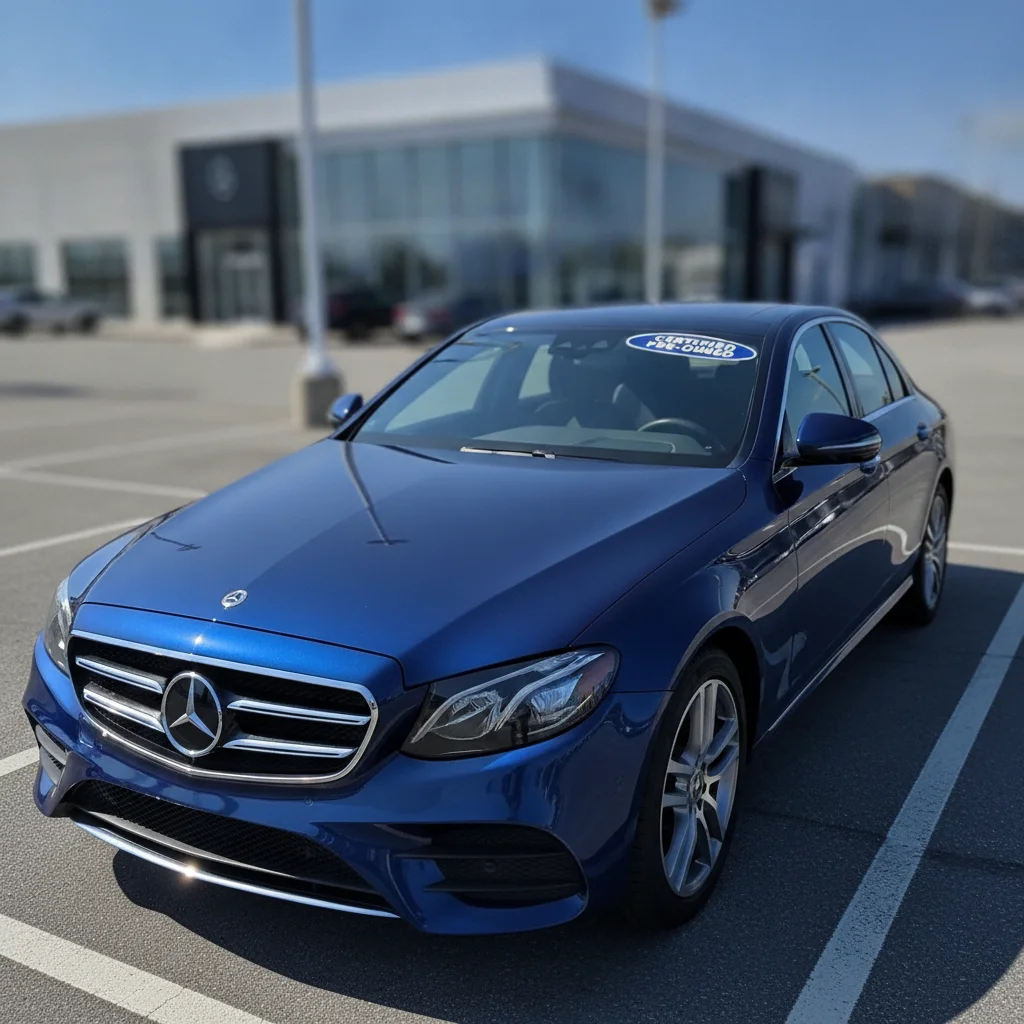
Walk into almost any franchised dealership and you'll see the term 'certified pre-owned' on window stickers, website listings, and sales brochures. It sounds official. It sounds reassuring. But here's the thing: on its own, the label doesn't guarantee much — because what it actually represents depends entirely on who issued it and which program it came from.
Some CPO programs are rigorous. They involve multi-point inspections covering 150 or more checkpoints, require vehicles to meet strict age and mileage limits, and back the car with a manufacturer-funded warranty. Others are little more than a marketing label a dealership slaps on a used car after running it through a basic safety check.
The gap between the best CPO programs and the weakest ones is wide enough to matter significantly to your wallet. Before you pay the premium that certified vehicles typically carry, you need to understand exactly what that certification does — and doesn't — include.
The 'Certified' Label Has No Legal Definition
There is no federal or state law that defines what a 'certified' used car must include. Any dealership can use the term under almost any circumstances. The only way to know what certification actually means for a specific vehicle is to read the program's warranty documentation and inspection standards directly. Never rely solely on the word itself.
Manufacturer vs. Dealer Certification: A Quick Test
The easiest way to tell whether a CPO designation is manufacturer-backed is to ask: 'Can I take this car to any authorized dealer in the country and have a warranty claim handled?' If the answer is yes, it's a manufacturer program. If the answer involves calling a warranty administrator or is limited to specific locations, you're dealing with a third-party or dealer-certified arrangement.
A CPO Inspection Is Not a Substitute for Your Own
The CPO inspection is designed to meet the manufacturer's certification threshold — it's not a comprehensive condition report written in your interest. A trained independent mechanic evaluating the car on your behalf will check for different things and has no incentive to pass the vehicle. The two inspections serve different purposes and are not interchangeable.
How a Vehicle Earns CPO Status
To qualify for a manufacturer CPO program, a vehicle has to clear several gates. These vary by automaker, but the most common requirements fall into three categories:
Age and Mileage Limits
Most manufacturer programs restrict CPO eligibility to vehicles within a defined age and mileage window. A typical threshold is five to six model years old with fewer than 80,000 miles on the odometer. For example, a 2024 model year program might certify vehicles from 2018 or newer with under 80,000 miles. Vehicles outside those bounds simply can't be certified — regardless of their condition.
The Inspection Checklist
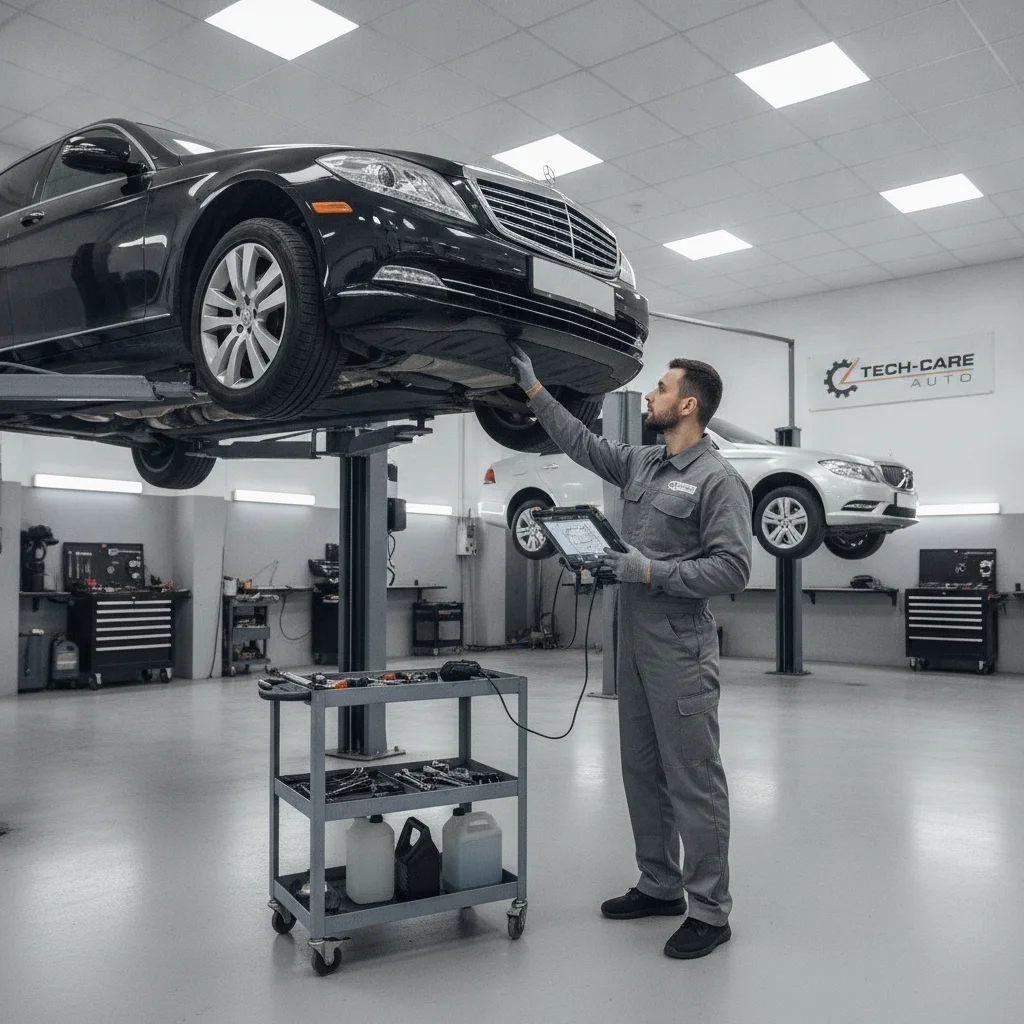
Every CPO program requires a multi-point inspection, though the depth of that inspection varies considerably. A thorough manufacturer inspection might include 150 to 200 individual checkpoints spanning engine components, transmission, brakes, steering, electrical systems, safety features, and interior and exterior condition. Technicians must be certified by the manufacturer and use brand-specific diagnostic tools.
Items that fail inspection must either be repaired before certification or disqualify the vehicle from the program. This is where the process adds real value: it forces the dealer to bring the car up to a minimum standard rather than just documenting its current state.
Vehicle History Requirements
Most manufacturer CPO programs also require a clean vehicle history report. Vehicles with frame or structural damage, flood history, or odometer discrepancies are typically ineligible. Some programs, like Toyota's, require that the car have a clean CARFAX or AutoCheck report as a condition of certification.
For a deeper look at how the inspection process works — and where its limits lie — see how CPO inspections actually work.
Ask for the Inspection Report Before Signing
Every manufacturer CPO program requires a completed inspection checklist. Ask the dealer to show you the actual report — not just a summary — before you agree to purchase. The report should list each inspection point and indicate whether it passed, was repaired, or was noted as acceptable wear. If the dealer can't produce it, that's a red flag.
Run the Numbers on Your Specific Loan
When evaluating the CPO premium, calculate the full financed cost — not just the sticker difference. Multiply the premium amount by your interest rate factor over your loan term to see the true additional cost. This simple step often reveals that a $1,500 CPO premium costs closer to $1,700 once loan interest is included, which can shift the comparison with aftermarket warranty alternatives.
What the Warranty Actually Covers
The warranty is typically the most valuable part of any CPO package. Understanding what it covers — and what it doesn't — is essential to evaluating whether the premium is justified.
Two Layers of Warranty Coverage
Most manufacturer CPO programs provide two types of coverage that work in sequence:
- Remaining Factory Warranty: If the vehicle still has time or miles left on its original bumper-to-bumper warranty, that coverage transfers to you as the new owner. A car that's two years old with 24,000 miles might still have a full year and 12,000 miles of factory coverage remaining.
- Extended CPO Warranty: Once the factory warranty expires, the CPO warranty kicks in. This is almost always powertrain-focused, covering the engine, transmission, and drivetrain components. The length and scope vary significantly. Toyota's CPO powertrain warranty extends to 7 years or 100,000 miles from the original sale date. Hyundai's CPO program adds 10 years or 100,000 miles of powertrain coverage. BMW's CPO warranty provides 1 year of unlimited mileage coverage after the remaining factory warranty ends.
$1,000–$3,500
Typical CPO price premium over non-certified
Based on automotive market research comparing certified and non-certified used vehicles of identical specifications across major brands.
2.8M+
CPO vehicles sold annually in the U.S.
According to Edmunds and automotive industry tracking data, certified pre-owned sales consistently exceed 2.8 million units per year in the United States.
150–200
Inspection checkpoints in top manufacturer programs
Leading manufacturer CPO programs such as those from Toyota, Honda, and BMW include 150 to 200 individual inspection points as a condition of certification.
7 years / 100K mi
Toyota CPO powertrain warranty coverage
Toyota's Certified Used Vehicle program provides powertrain protection up to 7 years or 100,000 miles from the original new-vehicle sale date.
$100–$200
Cost of an independent pre-purchase inspection
Independent mechanic inspections typically run $100 to $200 and provide an unbiased assessment separate from the dealer-conducted CPO inspection.
What's Usually Excluded
CPO warranties are not bumper-to-bumper policies. Most exclude wear items like brake pads, tires, wiper blades, and belts. They also typically exclude damage from accidents, misuse, or modifications. Reading the specific warranty booklet for the program you're considering — not just the sales brochure — tells you exactly what's in and what's out.
Transferability
Many manufacturer CPO warranties are transferable if you sell the car before the coverage expires. This is a meaningful resale advantage: a car still under a manufacturer-backed CPO warranty commands higher resale value than an equivalent vehicle without it.
Manufacturer CPO vs. Dealer-Certified: A Critical Distinction
Not every 'certified' label on a used car comes from the manufacturer. Dealerships — including both franchised and independent dealers — can create their own certification programs. These are sometimes called dealer-certified, pre-owned certified, or similar variations.
The difference matters in a concrete way: manufacturer CPO programs are backed by the automaker's financial resources and reputation. If something goes wrong, you're dealing with the manufacturer's warranty process, which typically means any authorized dealer in the country can service the claim. Dealer-certified programs are backed only by that dealership — and may use a third-party warranty administrator with coverage limits, deductibles, and exclusion lists that make claims harder to process.
“The word 'certified' is doing a lot of heavy lifting in used-car marketing. Buyers owe it to themselves to look past the badge and ask who is certifying the car, to what standard, and who is actually on the hook if something goes wrong.”
— Alec Gutierrez, Senior Market Analyst, Kelley Blue Book (automotive industry commentary)
There's no regulatory standard for what a dealership can call 'certified.' A dealer can perform a basic oil change and safety check, issue a certificate, and market the car as certified. This doesn't mean all dealer-certified vehicles are bad deals — it means you need to ask specific questions: What exactly does the inspection cover? Who backs the warranty? What are the exclusion terms?
For a side-by-side comparison of what you actually get with each designation, CPO versus a standard used car breaks it down in detail.
The 'Certified' Label Has No Legal Definition
There is no federal or state law that defines what a 'certified' used car must include. Any dealership can use the term under almost any circumstances. The only way to know what certification actually means for a specific vehicle is to read the program's warranty documentation and inspection standards directly. Never rely solely on the word itself.
Manufacturer vs. Dealer Certification: A Quick Test
The easiest way to tell whether a CPO designation is manufacturer-backed is to ask: 'Can I take this car to any authorized dealer in the country and have a warranty claim handled?' If the answer is yes, it's a manufacturer program. If the answer involves calling a warranty administrator or is limited to specific locations, you're dealing with a third-party or dealer-certified arrangement.
A CPO Inspection Is Not a Substitute for Your Own
The CPO inspection is designed to meet the manufacturer's certification threshold — it's not a comprehensive condition report written in your interest. A trained independent mechanic evaluating the car on your behalf will check for different things and has no incentive to pass the vehicle. The two inspections serve different purposes and are not interchangeable.
The Real Cost of CPO
Certified pre-owned vehicles carry a measurable price premium over comparable non-certified used vehicles. Understanding what you're actually paying for helps you decide whether that premium represents good value in your specific situation.
Typical Premium Range
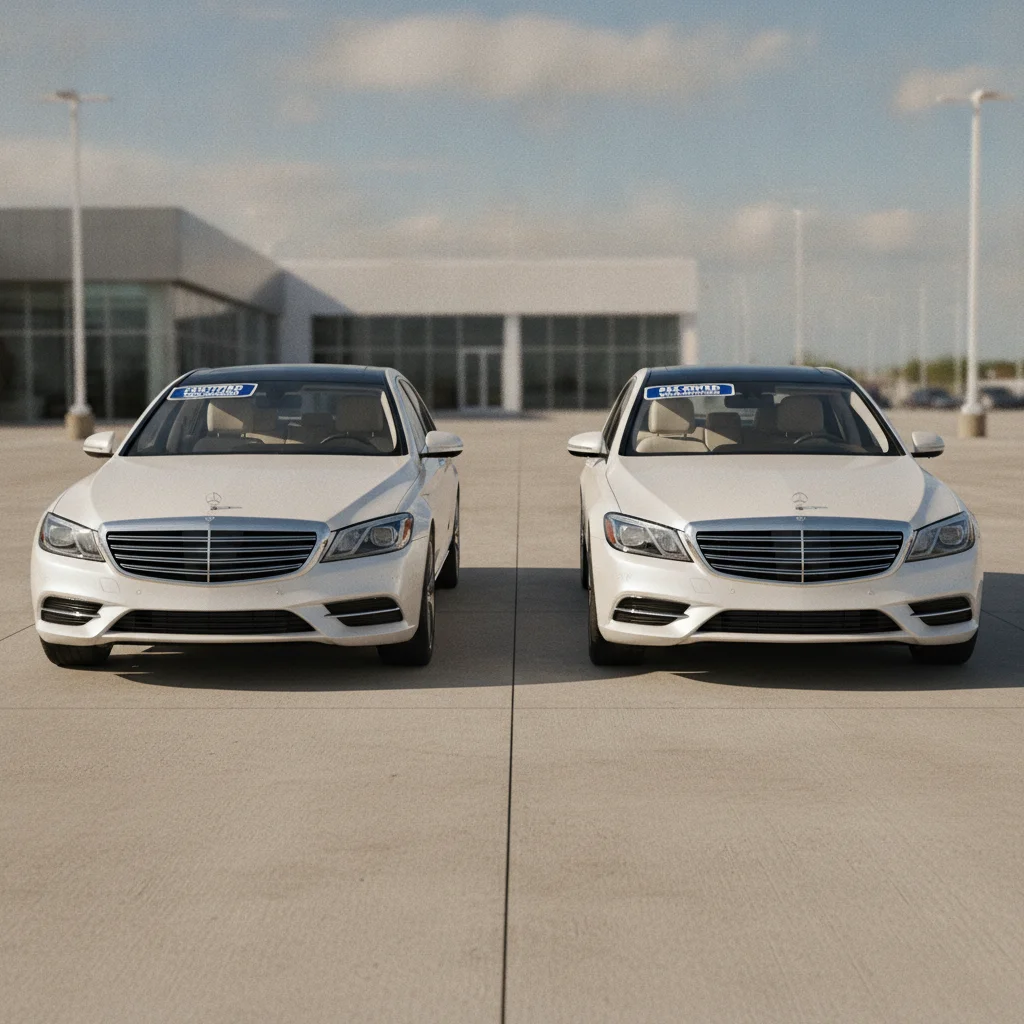
Research from automotive data firms consistently places the average CPO premium at $1,000 to $3,500 over an equivalent non-certified vehicle of the same make, model, year, and mileage. The actual number depends on the brand, the vehicle segment, and local market conditions. Luxury CPO programs — BMW, Mercedes-Benz, Lexus — tend to carry higher premiums because their extended warranties cover more costly components.
Comparing the Premium to Extended Warranty Costs
One practical way to evaluate whether a CPO premium is worth paying is to price out what an equivalent third-party extended warranty would cost on a non-certified version of the same car. If a CPO adds $1,800 to the purchase price and a comparable aftermarket powertrain warranty would run $2,200, the CPO deal looks favorable. If the situations are reversed, the math argues against paying the premium — especially since aftermarket warranties can be negotiated and shopped around.
Financing and Interest Costs
Here's a point that often goes unnoticed: the CPO premium doesn't just affect the sticker price. If you're financing the vehicle, that extra $1,500–$2,500 gets rolled into your loan balance and accumulates interest over the loan term. On a 60-month loan at 7% APR, an extra $2,000 on the principal costs you roughly $270 in additional interest over the life of the loan — so the true cost of the CPO premium is modestly higher than the sticker difference alone.
When CPO coverage is worth the cost walks through how to evaluate the trade-off based on your plans for the vehicle.
Ask for the Inspection Report Before Signing
Every manufacturer CPO program requires a completed inspection checklist. Ask the dealer to show you the actual report — not just a summary — before you agree to purchase. The report should list each inspection point and indicate whether it passed, was repaired, or was noted as acceptable wear. If the dealer can't produce it, that's a red flag.
Run the Numbers on Your Specific Loan
When evaluating the CPO premium, calculate the full financed cost — not just the sticker difference. Multiply the premium amount by your interest rate factor over your loan term to see the true additional cost. This simple step often reveals that a $1,500 CPO premium costs closer to $1,700 once loan interest is included, which can shift the comparison with aftermarket warranty alternatives.
Program Quality Varies — Here's How to Compare
Not all manufacturer CPO programs are equal. When you're comparing vehicles across brands, it pays to look at the specific terms of each program rather than assuming they're roughly equivalent.
Key Questions to Ask About Any CPO Program
- How many inspection points does the checklist include? More checkpoints isn't automatically better, but a 172-point inspection suggests more thoroughness than a 50-point check.
- What does the extended warranty cover, and for how long? Get the specific years and mileage limits — and whether coverage is from the original sale date or from your purchase date.
- Who backs the warranty? Manufacturer-backed means any franchised dealer in the network can handle a claim. Third-party-backed means you may need to navigate a separate warranty company.
- Is there a deductible on warranty claims? Some programs charge $0 per claim; others charge $50–$200 per visit. On a high-mileage vehicle, this can add up.
- Is the warranty transferable? Transferability protects your resale value if you sell before coverage expires.
- What roadside assistance or perks are included? Many programs include loaner vehicles, trip interruption coverage, and 24-hour roadside assistance.
If you're evaluating certified vehicles listed online, what 'certified' means on online platforms explains how the label is used — and sometimes loosely applied — across listing sites and digital dealers.
Should You Still Get an Independent Inspection?
Yes. A CPO inspection is conducted by a technician working for the entity selling you the car. Even when that technician follows a rigorous manufacturer checklist in good faith, their incentive structure is not fully aligned with yours. An independent pre-purchase inspection — performed by a mechanic you hire, at a shop you choose — gives you an unbiased second opinion.
A typical pre-purchase inspection costs $100–$200 and takes about an hour. For a vehicle priced at $20,000 or more, that's a modest investment for the peace of mind it provides. A good independent mechanic will check systems and components in ways that differ from a CPO checklist, and may flag wear patterns, fluid conditions, or developing issues that passed the CPO inspection without triggering a required repair.
Think of it this way: the CPO inspection tells you the car met the seller's minimum standards. The independent inspection tells you whether the car meets yours.
The 'Certified' Label Has No Legal Definition
There is no federal or state law that defines what a 'certified' used car must include. Any dealership can use the term under almost any circumstances. The only way to know what certification actually means for a specific vehicle is to read the program's warranty documentation and inspection standards directly. Never rely solely on the word itself.
Manufacturer vs. Dealer Certification: A Quick Test
The easiest way to tell whether a CPO designation is manufacturer-backed is to ask: 'Can I take this car to any authorized dealer in the country and have a warranty claim handled?' If the answer is yes, it's a manufacturer program. If the answer involves calling a warranty administrator or is limited to specific locations, you're dealing with a third-party or dealer-certified arrangement.
A CPO Inspection Is Not a Substitute for Your Own
The CPO inspection is designed to meet the manufacturer's certification threshold — it's not a comprehensive condition report written in your interest. A trained independent mechanic evaluating the car on your behalf will check for different things and has no incentive to pass the vehicle. The two inspections serve different purposes and are not interchangeable.
For more guidance on the full process of evaluating used vehicles, the buying used cars hub covers everything from sourcing vehicles to closing the deal.
How CPO Status Affects Pricing Estimates
One practical complication with CPO vehicles is that standard valuation tools — Kelley Blue Book, Edmunds, NADA — don't always cleanly reflect the CPO premium in their trade-in or private-party estimates. Those tools typically assess a vehicle's value based on year, make, model, mileage, condition, and trim level. CPO status itself is not always a discrete input variable.
This matters when you're trying to decide whether a CPO asking price is reasonable. A dealer quoting $23,500 for a CPO vehicle that KBB estimates at $21,000 in 'good' condition isn't necessarily gouging you — the $2,500 gap may accurately reflect the certified status and remaining warranty coverage. But if the gap is $4,500, it's worth investigating whether you're being asked to overpay for the certification.
How CPO status influences valuation estimates explains how to interpret pricing tools in the context of certified vehicles so you're not comparing apples to oranges.
The bottom line: treat valuation tool estimates as a baseline, then add a reasonable CPO premium based on what that specific program's warranty and inspection actually deliver. That gives you a more accurate picture of what you should expect to pay — and what a fair deal looks like.

All claims are backed by peer-reviewed research. Sources on request.