Key Takeaways
Off-Lease vs. CPO
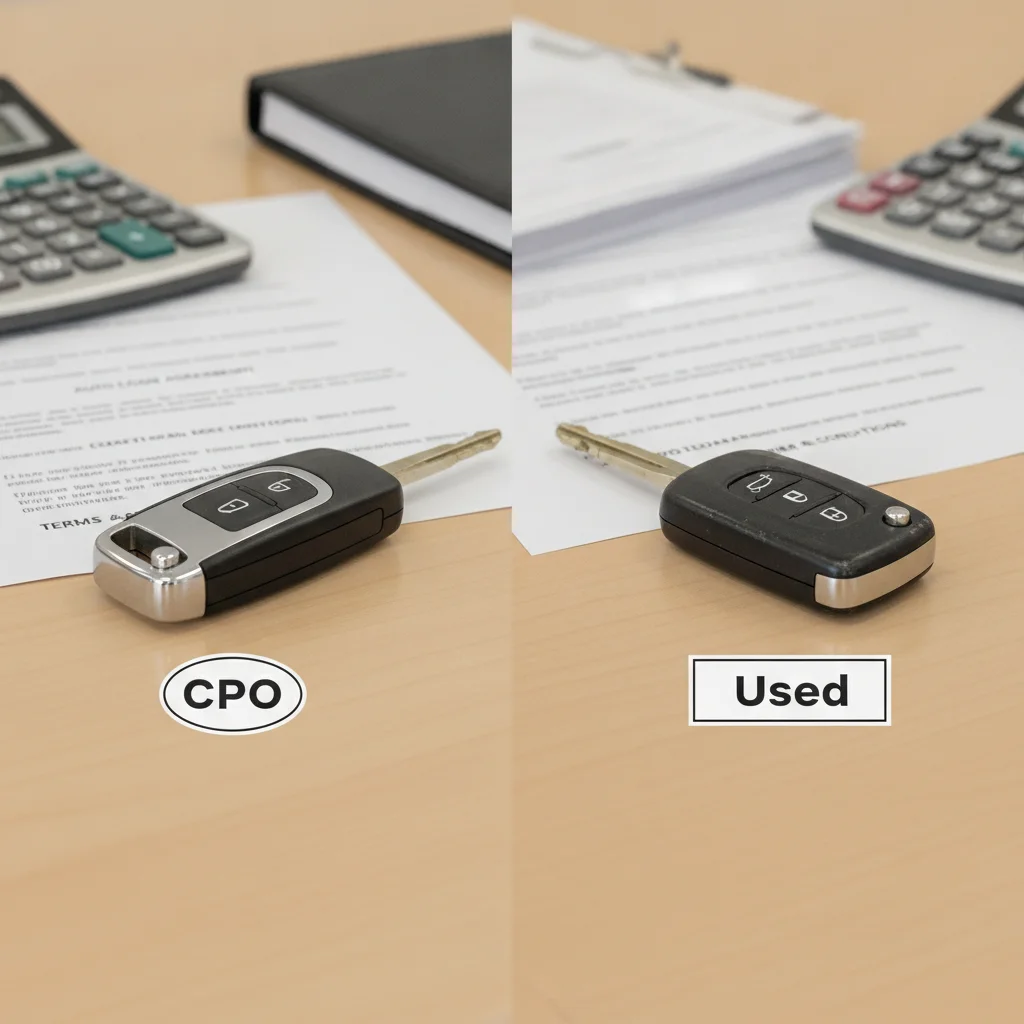
An off-lease vehicle is any car returned at the end of a lease agreement — it may or may not be certified. A certified pre-owned (CPO) vehicle is a used car that has passed a manufacturer-approved inspection and comes with an extended warranty. These two categories overlap but are not the same thing: a CPO car may have been a lease return, a fleet vehicle, a trade-in, or a dealer demo — and that prior use matters more than most buyers realize.
Manufacturer CPO programs set their own eligibility rules, including maximum mileage (often 60,000–80,000 miles) and model-year cutoffs (typically 5–6 years old). A vehicle that meets CPO criteria does not automatically receive certification — a dealer must submit it through the program and complete the required inspection process.
The Overlap Between Off-Lease and CPO — And Why It's Confusing
Walk onto a dealership lot and you'll often hear the terms "off-lease" and "CPO" used almost interchangeably. Salespeople describe vehicles as "former lease returns, fully certified" as if the two concepts are one and the same. They're not, and understanding the distinction could save you thousands of dollars — or prevent you from overpaying for protection you didn't need in the first place.
Here's the simplest way to think about it: off-lease describes where a car came from (a lease that ended), while CPO describes what was done to it afterward (an inspection and warranty certification). A car can be off-lease without being CPO. A car can be CPO without being a lease return. And yes, many cars are both — but the overlap isn't complete, and the differences matter.
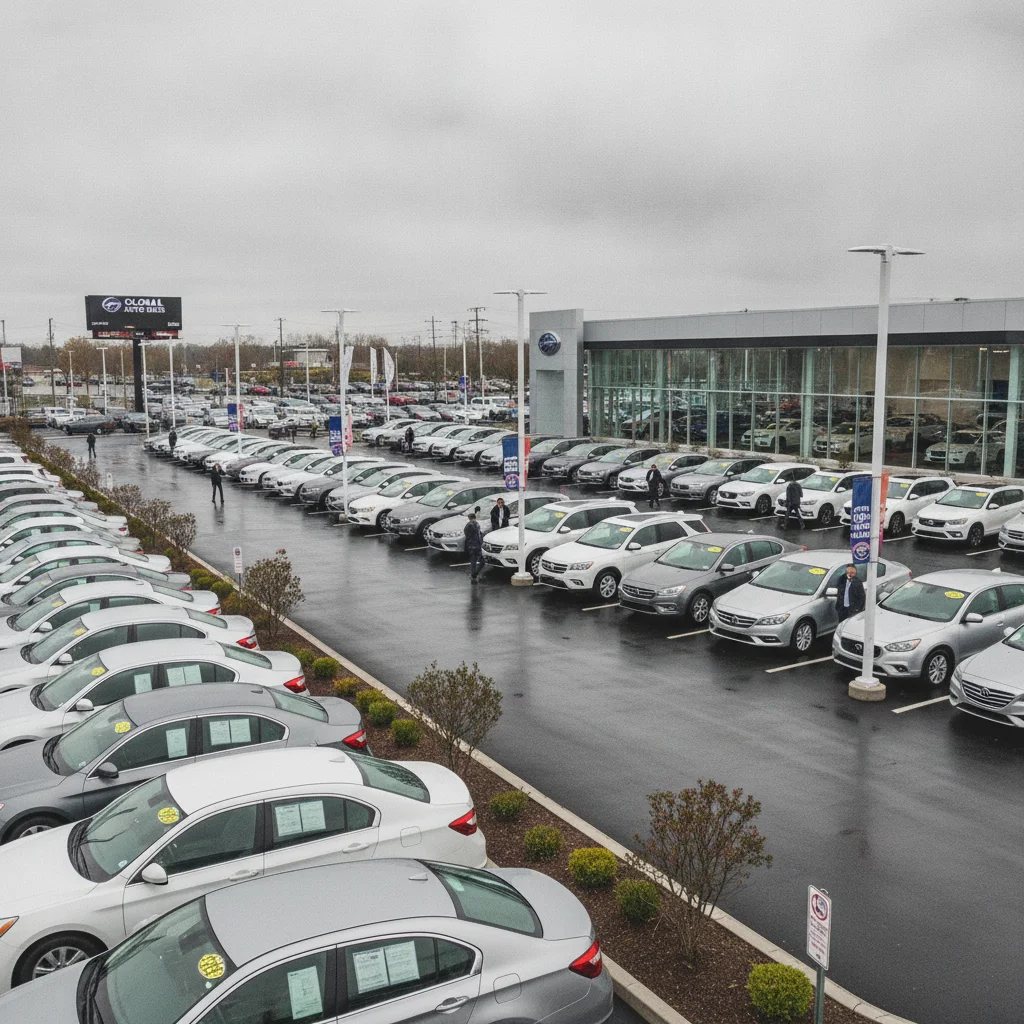
According to Cox Automotive data, lease returns represent one of the largest single sources of used-car inventory at franchised dealerships. When a three-year lease ends, the car typically goes back to the manufacturer's captive finance arm (think Toyota Financial Services or Ford Motor Credit), which then distributes the vehicles to dealers. At that point, the dealer decides whether to put the car through the manufacturer's CPO program — or simply sell it as a standard used vehicle.
That decision — to certify or not — is driven by profit math, not altruism. If the cost of certification (inspection, reconditioning, program fees) can be recouped through a higher sale price, the dealer certifies. If not, or if the car doesn't meet eligibility requirements, it goes on the lot without a CPO badge.
What CPO Actually Means — Program by Program
One of the biggest misconceptions about CPO is that it's a universal standard. It's not. Each manufacturer runs its own program with its own rules, and the differences are significant enough to affect your buying decision.
~40%
Of CPO sales sourced from lease returns
Cox Automotive estimates that off-lease vehicles represent roughly 40% or more of manufacturer CPO inventory at franchised dealerships in a typical year.
$1,000–$3,000
Typical CPO price premium over non-certified
Edmunds and industry analysts consistently estimate the CPO sticker premium in this range depending on vehicle segment and manufacturer program strength.
172 points
GM CPO inspection checklist length
General Motors requires a 172-point inspection for vehicles certified under its manufacturer CPO program across Chevrolet, Buick, GMC, and Cadillac brands.
3.5 million
CPO vehicles sold annually in the U.S.
According to Cox Automotive's annual CPO sales tracking, the U.S. market regularly sees 3–3.5 million certified pre-owned sales per year.
5–6 years
Maximum vehicle age for most CPO programs
Most manufacturer CPO programs cap eligible vehicles at 5–6 model years old, though some luxury brands extend eligibility slightly further.
Toyota's CPO program, for example, requires a 160-point inspection, covers vehicles up to 85,000 miles, and extends the powertrain warranty to 7 years or 100,000 miles from the original sale date. General Motors' CPO program uses a 172-point checklist but has different mileage and age thresholds depending on the brand (Chevrolet, Buick, GMC, Cadillac each have nuances). BMW's CPO offers a more comprehensive bumper-to-bumper extension but tends to come at a higher price premium.
What this means in practice: the word "certified" carries very different weight depending on the badge on the hood. A certified Honda Accord and a certified Ram 1500 are backed by different inspections, different warranties, and different manufacturer reputations for honoring claims.
Not All Manufacturers Allow Fleet Vehicles in CPO
Honda, Toyota, and several other manufacturers explicitly exclude former rental and fleet vehicles from their CPO programs. Others, including GM and Ford, permit them if they meet age and mileage criteria. This policy difference is published in each manufacturer's CPO program terms — always verify before assuming a certified vehicle had a private prior owner.
CPO Programs Are Franchised Dealer Exclusive
Only franchised new-car dealerships can submit vehicles for manufacturer CPO certification — independent used-car dealers cannot. If a used-car lot advertises a "certified" vehicle, it is either a third-party certification (with a different, often weaker warranty) or the claim is misleading. Manufacturer CPO and third-party certification are not equivalent products.
Before you weigh a CPO premium, look up the specific program details for that manufacturer. The information is publicly available on the manufacturer's website. Compare the inspection point count, warranty duration, deductible amounts, and what's explicitly excluded. Two CPO stickers at similar price points can represent vastly different levels of protection.
CPO financing rates are another program-specific variable — manufacturers sometimes offer subsidized interest rates exclusively on certified inventory, which can make a CPO deal genuinely more affordable than a comparable standard used car loan.
How a Car's Prior Use Shapes Its Real-World Condition
The CPO badge tells you a car passed an inspection on a specific day. It doesn't tell you how the car was driven for the two or three years before that inspection. That's where the vehicle's source history becomes critical.
Lease Returns
Lease agreements typically run 24 to 39 months and cap annual mileage at 10,000–15,000 miles. Lessees have a strong financial incentive to keep the car in good shape — excess wear and tear triggers charges at turn-in. The result: lease returns tend to arrive with lower mileage, relatively fresh components, and documented service records (since most lessees service at the dealership to avoid disputes). For CPO purposes, this is the ideal raw material.
Trade-Ins
Trade-ins are a wildcard. They can be vehicles that were meticulously maintained — or they can be cars that an owner drove hard, deferred maintenance on, and traded in when the repair bills started piling up. The mileage might qualify for CPO certification, but the underlying wear could be significantly higher than a lease return with the same odometer reading. Service records for trade-ins are often incomplete, especially if the owner used independent shops.
Fleet and Rental Vehicles
Fleet vehicles — including rental cars — can technically qualify for manufacturer CPO programs if they meet mileage and age criteria. But they represent a different risk profile. Rental cars are driven by hundreds of different operators with no personal stake in the vehicle's condition. Fleet vehicles used for commercial purposes often accumulate high short-trip mileage (the hardest kind on an engine) or spend time idling. Some manufacturers explicitly exclude former rental or fleet vehicles from their CPO programs; others do not. Always check.
Dealer Demos and Executive Vehicles
Demo vehicles — cars that dealership staff drove as loaner or courtesy cars — are often excellent CPO candidates. They typically have low mileage, were driven by people with an obvious incentive to treat them well, and have complete service records right at the selling dealer.
“The CPO label is a starting point, not an endpoint. What matters is what happened to that car for the 30,000 miles before the inspection — and that's a story the sticker doesn't tell you.”
— Ivan Drury, Director of Insights, Edmunds
Reading the Vehicle History Report the Right Way
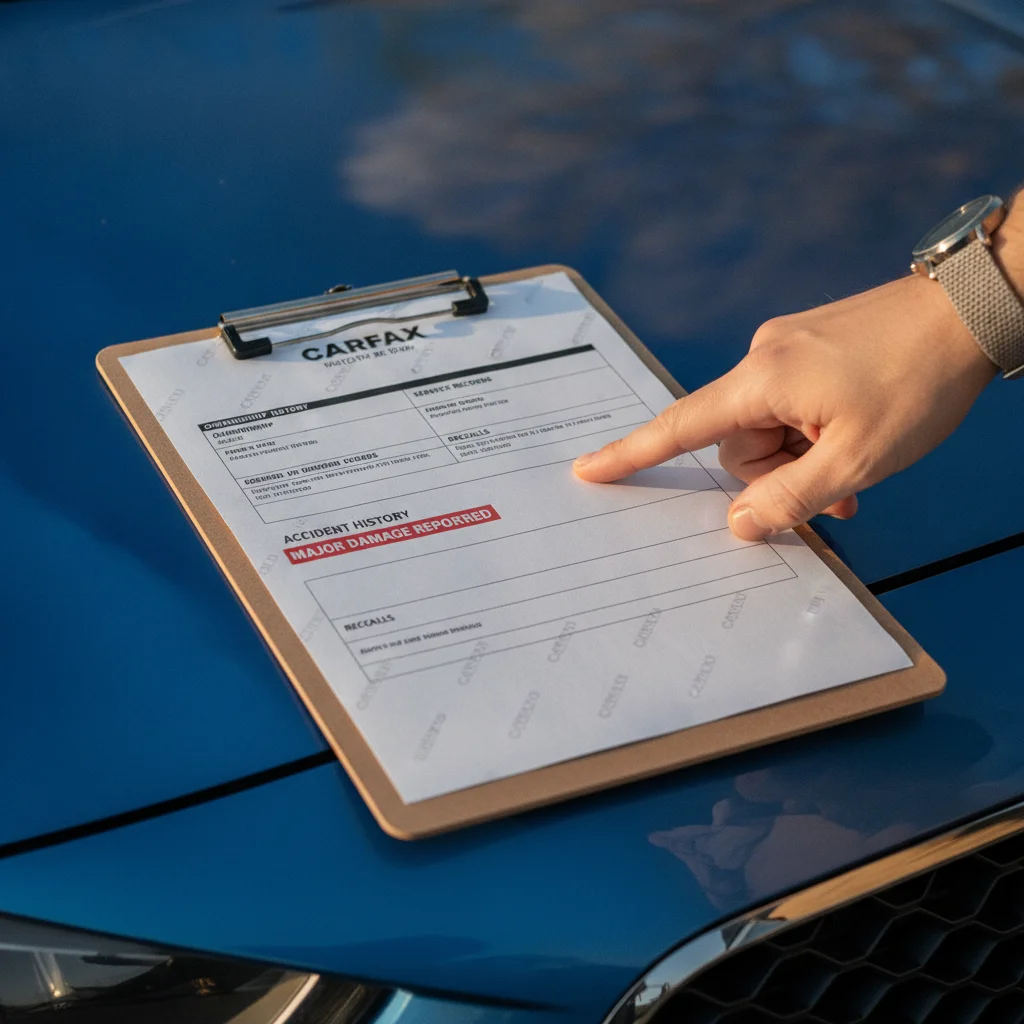
A Carfax or AutoCheck report is your primary tool for uncovering a vehicle's prior use — and for confirming or contradicting what the dealer tells you about its source. Here's what to look for when evaluating a CPO car's history report.
Title and Ownership Records
Multiple prior owners in a short period is a yellow flag — it suggests the car may have had problems that prompted quick resales. A single prior owner with a consistent service history is a green flag. Look for indicators of rental or fleet use, which the report will often flag directly if the vehicle was registered to a commercial entity.
Mileage Consistency
The report logs odometer readings at each registration or service event. If mileage jumps seem inconsistent — for example, 8,000 miles in one year followed by 22,000 the next — that suggests different use patterns across ownership periods. A lease return should show remarkably consistent annual mileage (within a few thousand miles of the lease cap).
Service Records
Franchised dealership service entries are the gold standard because they're electronically logged and time-stamped. Independent shop records appear less consistently. Gaps in service history don't automatically mean neglect — but combined with other red flags, they warrant closer scrutiny.
Accident and Damage History
A CPO inspection will catch current mechanical issues, but the history report tells you about events that happened before the inspection. A repaired fender-bender has different implications than a reported airbag deployment. Even cars with clean structural histories can have had paint work that isn't structurally significant but affects resale value.
Always Ask for the CPO Inspection Sheet
Dealers are required to complete a documented inspection checklist to certify a vehicle — and you have every right to see it. The sheet shows exactly which items were inspected, which failed and were repaired, and which components were replaced during reconditioning. If a dealer refuses to provide it, treat that as a significant red flag. A legitimate CPO transaction should come with full paper transparency.
Compare the CPO Rate to Current Market Loan Rates
Manufacturers sometimes offer below-market financing rates exclusively on CPO inventory — but these promotions cycle in and out. Before you decide a CPO deal is attractive based on the interest rate, check current rates from your bank or credit union first. If the manufacturer CPO rate is lower, quantify the savings over your loan term in actual dollars, then compare that figure against the CPO price premium. The math often tells a clearer story than the marketing.
See also: our guide to evaluating pre-owned vehicles for a comprehensive checklist of what to inspect before signing anything.
When the CPO Premium Is — and Isn't — Worth It
CPO vehicles command a price premium over non-certified used cars with comparable specs. That premium typically runs $1,000–$3,000 depending on the vehicle segment and manufacturer program. Whether that premium is justified depends on the specific car's history and what the CPO program actually adds.
The premium makes the most sense when:
- The car is a low-mileage lease return from a reliable brand with a strong CPO warranty — you're getting documented history, manufacturer backing, and often access to subsidized financing rates all in one package.
- You're buying a vehicle with notoriously expensive repairs — German luxury brands, for example, where out-of-warranty maintenance bills can be shocking. A BMW or Mercedes CPO warranty can pay for itself in a single repair event.
- The CPO financing rate beats market rates — if Toyota or Honda is offering 2.9% on CPO vehicles versus 6%+ for standard used car loans, the financing savings alone may exceed the purchase premium.
The premium is harder to justify when:
- The car is a high-mileage trade-in that barely squeaked under the CPO mileage cutoff with an incomplete service history.
- The manufacturer's CPO warranty is short (some programs offer as little as 12 months of added coverage) and the car is a reliable, lower-cost-to-maintain brand.
- A comparable non-certified used car from the same model year is available at a significantly lower price, and you can buy a third-party extended warranty for less than the CPO premium.
Some CPO vehicles hold their value better than others based on brand reliability and resale demand — a factor worth considering if you plan to sell or trade in within five years.
Practical Steps Before You Buy
Armed with the conceptual framework, here's how to translate it into action at the dealership.
- Ask directly about the vehicle's source. "Was this a lease return, a trade-in, or a fleet vehicle?" is a simple question with a significant answer. Dealers know the answer; they're just not always volunteering it.
- Pull the vehicle history report yourself. Don't rely on the dealer's copy — run your own Carfax or AutoCheck using the VIN. Cross-reference the ownership history with what you were told.
- Request the CPO inspection checklist. Manufacturers require dealers to complete a documented inspection to certify a vehicle. You're entitled to see that paperwork. It will show what was inspected, what was found, and what was repaired or replaced.
- Compare the CPO price to the market. Use Edmunds, CarGurus, or KBB to find comparable non-CPO vehicles of the same make, model, year, and mileage. Calculate the actual dollar difference. Then ask whether the warranty, financing rate, or peace of mind is worth that specific dollar amount.
- Check the remaining factory warranty. If a three-year-old car still has a year left on its original bumper-to-bumper warranty, the CPO extension may be adding less value than it appears — you're already covered for the near term.
Always Ask for the CPO Inspection Sheet
Dealers are required to complete a documented inspection checklist to certify a vehicle — and you have every right to see it. The sheet shows exactly which items were inspected, which failed and were repaired, and which components were replaced during reconditioning. If a dealer refuses to provide it, treat that as a significant red flag. A legitimate CPO transaction should come with full paper transparency.
Compare the CPO Rate to Current Market Loan Rates
Manufacturers sometimes offer below-market financing rates exclusively on CPO inventory — but these promotions cycle in and out. Before you decide a CPO deal is attractive based on the interest rate, check current rates from your bank or credit union first. If the manufacturer CPO rate is lower, quantify the savings over your loan term in actual dollars, then compare that figure against the CPO price premium. The math often tells a clearer story than the marketing.
For buyers weighing how to structure the deal itself: negotiating a CPO purchase requires different leverage points than buying new, including how dealers price CPO inventory relative to market benchmarks.
And before you finalize coverage decisions: CPO status can affect your insurance strategy, particularly around gap coverage — worth a conversation with your insurer before you sign.

All claims are backed by peer-reviewed research. Sources on request.