Key Takeaways
Why 'Certified' Doesn't Mean 'Perfect'
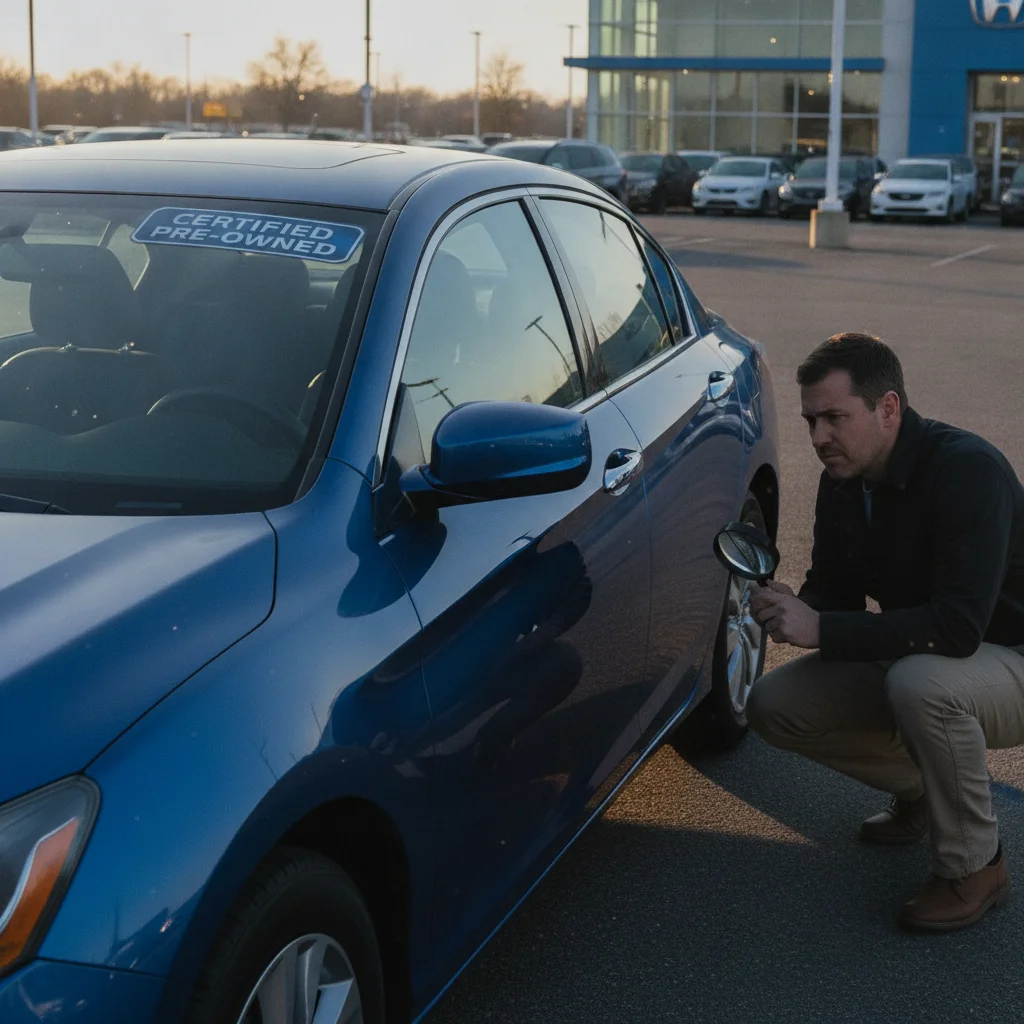
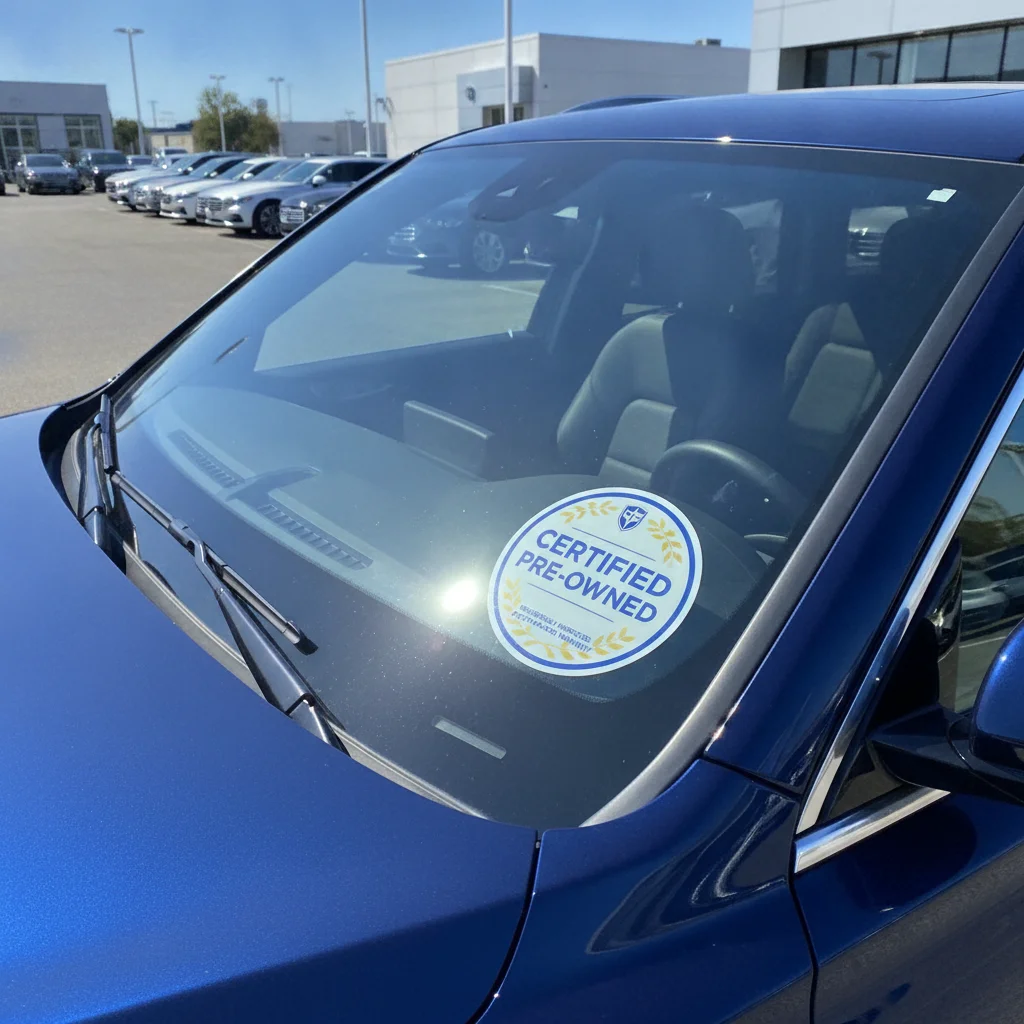
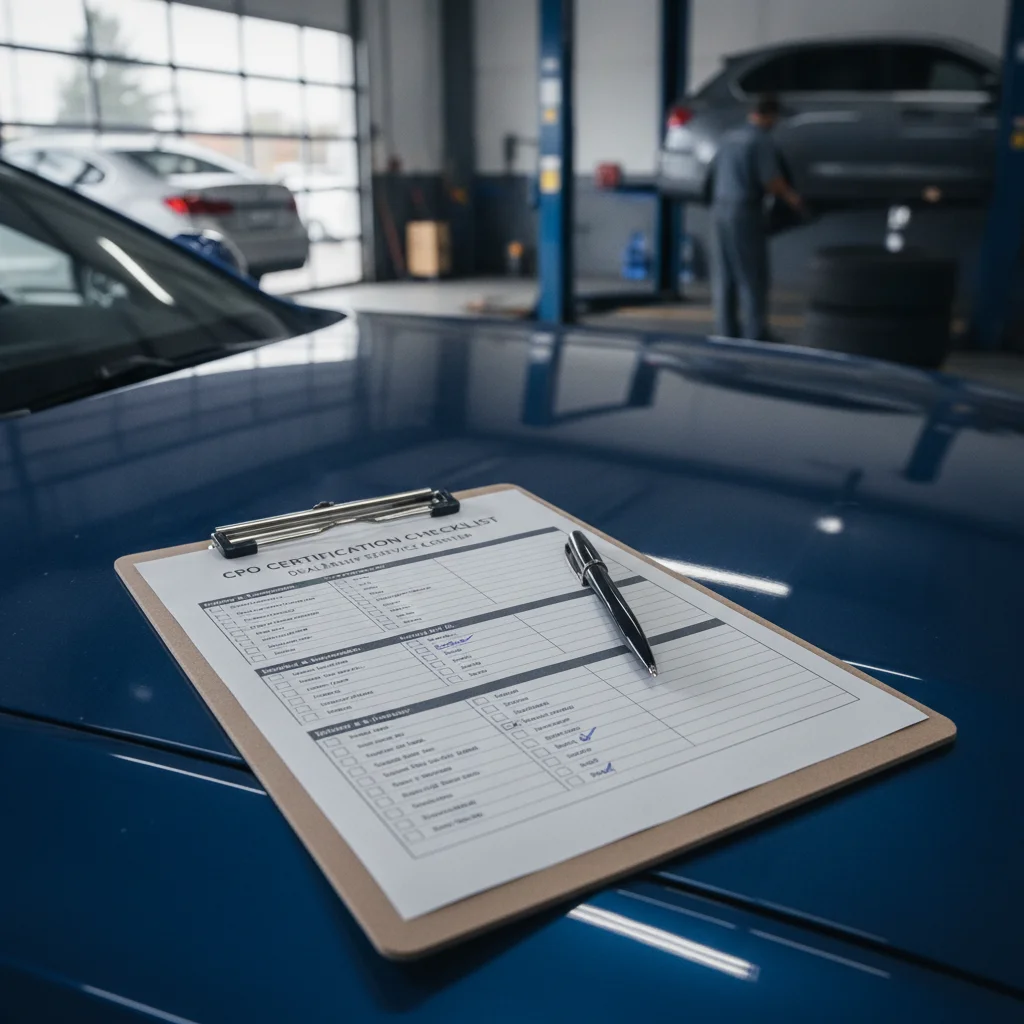
Walk onto any franchised dealership lot and you'll see a windshield sticker that reads Certified Pre-Owned, often alongside a multi-point inspection checklist that runs well past 100 items. That list is genuinely reassuring — until you understand what it actually measures.
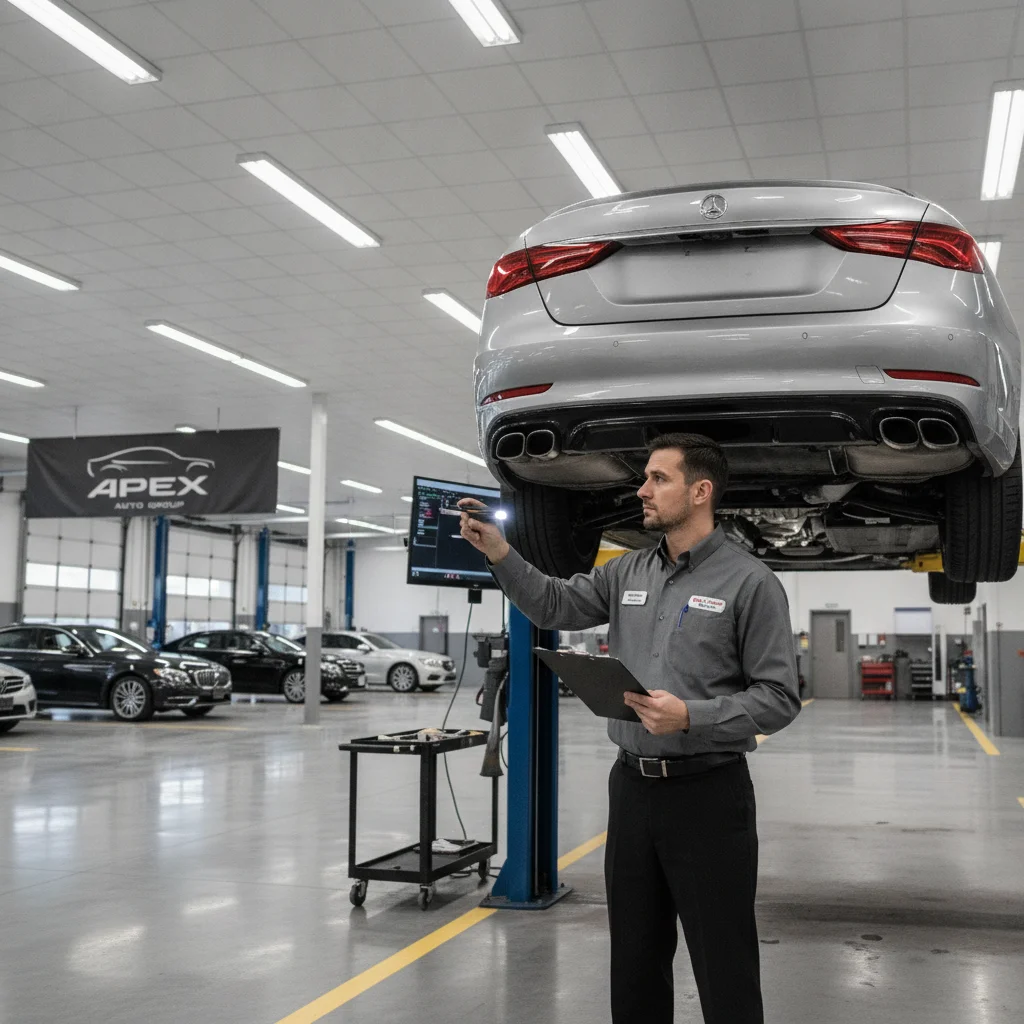
A CPO inspection is, at its core, a structured visual and functional evaluation performed by a dealership technician against a manufacturer-provided checklist. It confirms that the car met a defined standard on a specific day. What it doesn't do is predict how the car will behave over the next 50,000 miles, reveal intermittent failures that hadn't yet surfaced, or expose damage that was professionally concealed before the vehicle arrived on the lot.
This isn't a knock on CPO programs in general — many are genuinely valuable and dramatically reduce the risk of buying a lemon. But buyers who treat the certification badge as an all-clear signal routinely pay a premium for vehicles that later surprise them with expensive repairs. Understanding the specific gaps in CPO vetting is the first step toward making a smarter purchase.
For a deeper look at what those inspection checklists actually cover line by line, see our breakdown of the 150-point inspection. The present article focuses on what those checklists routinely miss — and the mistakes buyers make when they trust the badge without digging further.
The Most Common Issues That Slip Through CPO Inspections
Before diving into the specific buyer mistakes, it helps to know which vehicle problems are structurally difficult for a CPO inspection to catch. These aren't obscure edge cases — they're patterns that independent mechanics and consumer advocates see repeatedly on certified vehicles.
Intermittent Electrical and Sensor Faults
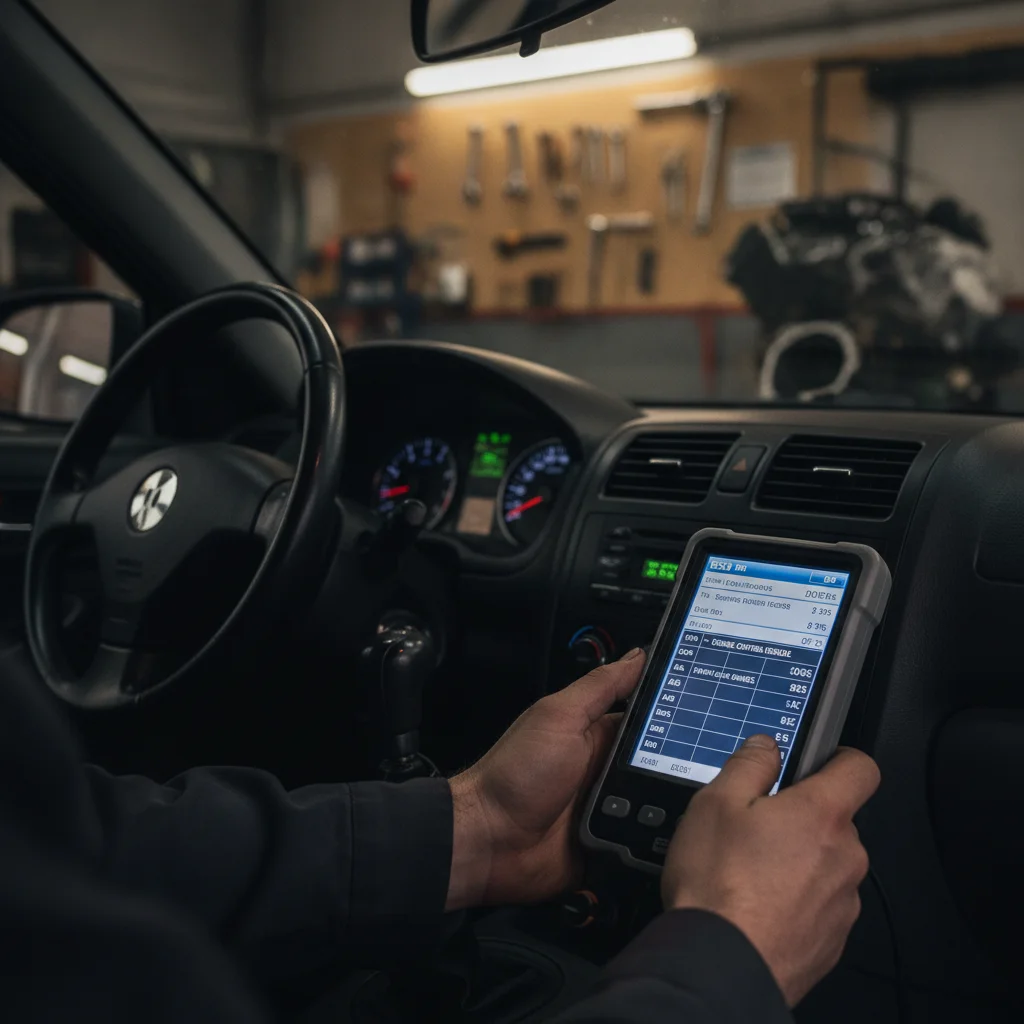
Modern vehicles contain dozens of control modules and hundreds of sensors. An intermittent fault — one that triggers a check engine light only when the car has been running for 45 minutes on a hot day — can be invisible during a standard diagnostic scan if the fault hasn't triggered recently. Some dealers clear stored codes before inspection. Others simply don't run extended drive cycles that would surface slow-developing faults.
Early Transmission and CVT Wear
A transmission that shifts acceptably during a 15-minute inspection drive can still be in the early stages of wear. Delayed engagement when cold, subtle shudder at highway cruise speed, or slightly elevated fluid metal content won't disqualify a car from certification unless they've progressed to the point of generating a fault code or obvious slip. Yet repair costs when these symptoms advance can reach $3,000–$6,000 or more.
Flood and Water Intrusion History
Professional reconditioning can remove visible water lines, neutralize odors, and dry out carpeting well enough to pass a visual inspection. Corrosion on wiring harness connectors, behind dashboard panels, and in the spare tire well takes longer to manifest — sometimes a year or more. CARFAX and AutoCheck flood flags depend on insurance claims being filed, which doesn't always happen with total-loss vehicles that cross state lines.
Frame and Structural Repair
Cosmetic paint and body repairs are often noted on inspection reports. Frame straightening and structural weld repairs sometimes are not, particularly if the vehicle was repaired before a title-brand event was ever recorded. An independent frame measurement at a body shop takes about 30 minutes and will surface repairs that no visual inspection will find.
Deferred Maintenance Before Certification
CPO standards typically require tires above a minimum tread depth, brakes above a minimum thickness, and fluids topped off. What they don't always require is a full differential service, spark plug replacement at interval, or transmission fluid exchange. A vehicle can be certified with maintenance items approaching — but not yet past — their service limit.
$1,000–$3,500
Average CPO premium over comparable used vehicle
Industry analyses of CPO transaction data consistently show buyers pay this range above non-certified equivalents at similar mileage.
~25%
Used vehicles with open safety recalls
A 2022 Carfax analysis found roughly one in four used vehicles on dealer lots had at least one open recall that had not been addressed.
$3,000–$6,000
Typical transmission repair or replacement cost
RepairPal estimates for automatic transmission replacement range widely by make and model but commonly fall in this range for late-model vehicles.
~50%
CPO vehicles with incomplete service records
Consumer Reports' used-car reliability data indicates that roughly half of certified pre-owned vehicles lack complete documented service histories at point of sale.
Mistakes CPO Buyers Make — And How to Avoid Them
The problems above exist because inspections have inherent limits. The mistakes below are ones buyers control — and can fix with the right approach before signing anything.
Treating the CPO badge as a substitute for an independent pre-purchase inspection.
Why it happens: Buyers assume the manufacturer's certification process is exhaustive and conducted by neutral parties. In reality, the inspection is performed by a dealership technician with a financial incentive to certify as many vehicles as possible.
Skipping a full vehicle history report because the dealer provided a summary.
Why it happens: Dealers often print a one-page CARFAX highlight sheet and display it prominently. Buyers interpret this as complete disclosure without ordering their own full report or cross-referencing with a second database.
Assuming all CPO warranties are backed by the manufacturer and equally comprehensive.
Why it happens: Marketing language makes CPO programs sound uniform. In fact, some dealers sell vehicles under a 'dealer-certified' label backed by a third-party warranty administrator that has weaker coverage, higher deductibles, and more exclusions than a manufacturer's plan.
Neglecting to check for open safety recalls on the certified vehicle.
Why it happens: Buyers assume that a car passing a manufacturer's CPO inspection means all recalls have been addressed. However, CPO programs are not always required to clear open recalls before certification, and recall completion rates on used vehicles remain surprisingly low.
Not negotiating the price because CPO vehicles seem non-negotiable.
Why it happens: The certification premium is often presented as a fixed, justified markup. Buyers perceive the sticker price as more defensible than it actually is because a third-party process — the inspection — is cited as the reason for the premium.
Ignoring the vehicle's maintenance history when evaluating a CPO car.
Why it happens: A clean certification seems to imply the car was well-maintained. But a vehicle can pass the CPO checklist while still having significant gaps in its documented service history — missing oil change records, no record of timing belt or chain service, or deferred transmission fluid exchanges.
Dealer-Certified vs. Manufacturer-Certified: A Critical Difference
Not every CPO sticker carries equal weight. A manufacturer-certified vehicle — such as Toyota Certified Used Vehicles or Audi Certified Pre-Owned — must meet the brand's published standards and warranty is backed by the manufacturer directly. A 'dealer-certified' vehicle is often backed by a third-party warranty company with different, and frequently weaker, terms. Always confirm who underwrites the warranty before assuming the coverage matches what you've read in manufacturer marketing.
Cleared Codes Can Mask Real Problems
Some vehicles arrive at dealerships with stored diagnostic trouble codes from previous owners. Before the CPO inspection, technicians may clear these codes — which resets the readiness monitors and can hide faults that haven't yet re-triggered. If a car's diagnostic readiness monitors show 'not ready' for multiple systems during your independent inspection, that's a red flag that codes may have been recently cleared.
How to Protect Yourself Before You Sign
The goal isn't to avoid CPO vehicles — it's to buy them with your eyes open. A certified car with solid history, a clean independent inspection, and a well-structured warranty can be an excellent value. The buyers who regret their purchases are almost always the ones who skipped the verification steps because the certification felt like enough.
Get an Independent Pre-Purchase Inspection
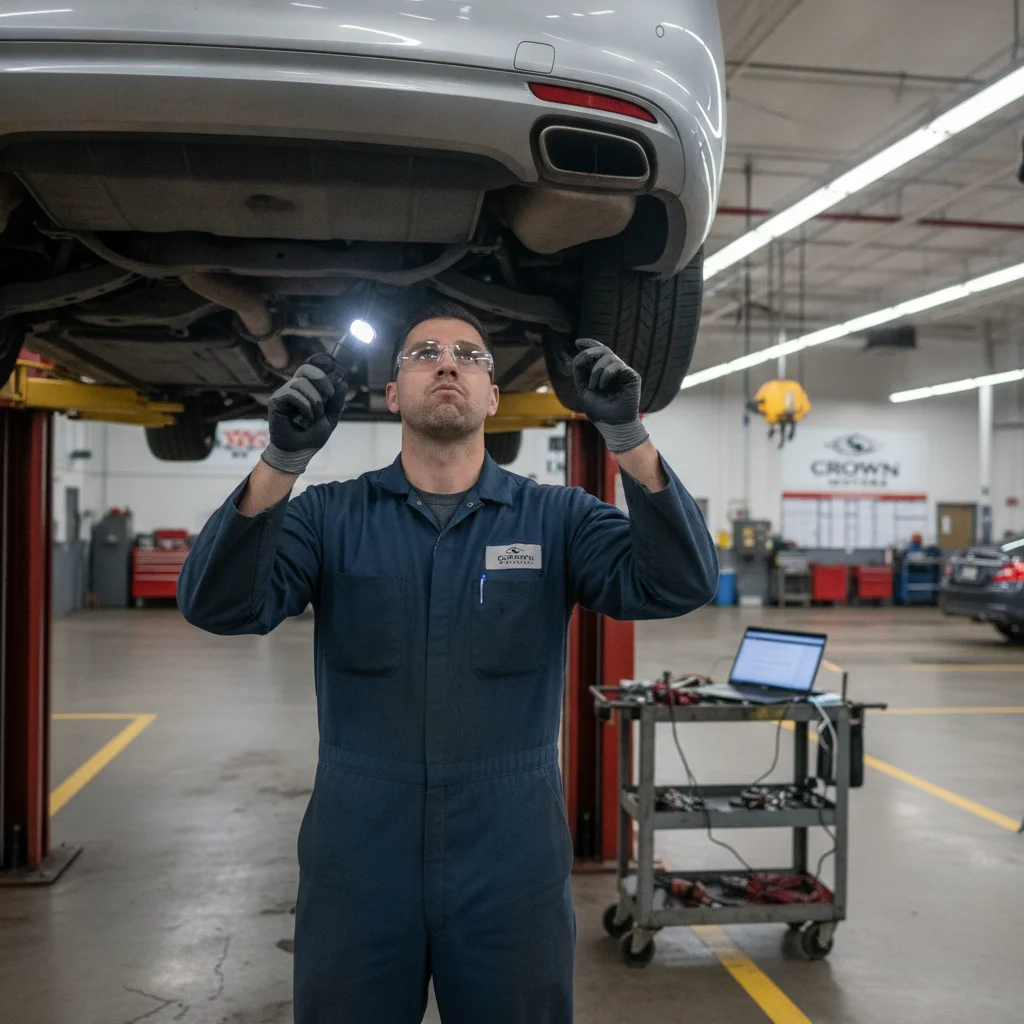
Budget $100–$200 for a pre-purchase inspection (PPI) at an independent shop or a franchise mechanic unaffiliated with the selling dealer. A good PPI will include a lift inspection of the frame and undercarriage, a fluid sample or visual assessment, a scan of all modules (not just the powertrain), and a road test long enough to surface transmission behavior under load. If a dealer refuses to allow an independent inspection, walk away — that refusal is information.
Read the Warranty Certificate, Not Just the Brochure
CPO warranty brochures highlight the best features. The actual warranty certificate lists the exclusions. Look specifically for: wear-item exclusions (clutches, brake pads, belts), pre-existing condition language, deductible amounts per visit, and whether coverage is backed by the manufacturer or a third-party administrator. Manufacturer-backed CPO warranties — like Toyota's, Honda's, or GM's — are generally stronger than dealer-arranged third-party plans. Our article on CPO myths that cost buyers money walks through how buyers routinely misread what's actually covered.
Pull a Vehicle History Report and Then Go Further
Order both a CARFAX and an AutoCheck report — they draw from overlapping but non-identical databases. Then take the VIN to the NMVTIS database, which aggregates title records from all 50 states and often catches flood or salvage histories that single-source reports miss. Finally, call the manufacturer's customer service line with the VIN to confirm the CPO registration is active and check remaining factory warranty mileage — a step detailed in our guide on how to verify a car is actually CPO certified.
Calculate Whether the CPO Premium Is Justified
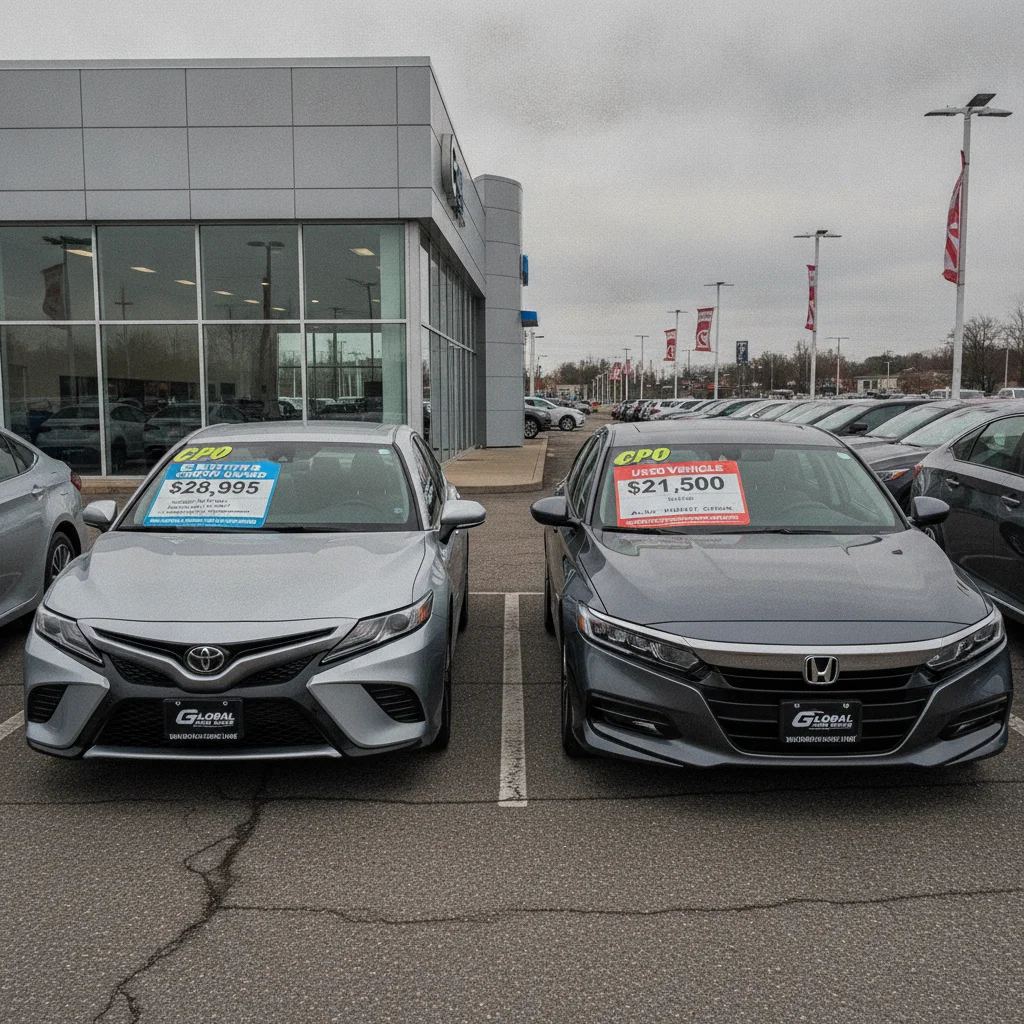
CPO pricing typically runs $1,000–$3,500 above a comparable non-certified used vehicle at the same mileage. Run the math on the specific warranty you're getting. If the CPO plan adds 1 year and 12,000 miles of powertrain coverage on a vehicle with 28,000 miles on the clock, ask yourself: what repair would have to occur within that window to break even? If the answer is a transmission or engine repair — events that are statistically unlikely in year two on a well-maintained car — the premium may not pencil out. If the plan adds 3–5 years of comprehensive coverage at a low deductible, the math often looks better.
Use our CPO buyer's pre-purchase checklist to run through each of these steps systematically before you hand over a deposit. And if you want to understand the broader landscape of inspections and what they can and can't accomplish, how CPO inspections work and their limits is a useful companion read.
Never Waive the Independent Inspection
No matter how thorough a CPO program's checklist appears, an independent pre-purchase inspection by a mechanic you hire is non-negotiable. A dealer's technician is not a neutral party — their shop's throughput depends on certifying vehicles, not disqualifying them. An independent PPI costs $100–$200 and has no conflict of interest. On a $20,000–$35,000 purchase, this step is the single highest-return due diligence you can perform. Any dealer who refuses to allow an independent inspection before sale should be considered a disqualifying red flag.
Making the CPO Decision Intelligently
Certified Pre-Owned programs occupy a useful middle ground between the full price of a new car and the uncertainty of a private-party used purchase. That's a real benefit. But the badge is a starting point for due diligence, not an endpoint.
The buyers who get genuine value from CPO vehicles treat the certification as a first filter — it means the car met a baseline and comes with some warranty backstop — then layer their own verification on top. An independent inspection, a thorough history report, and a careful reading of the warranty certificate together take a few hours and cost roughly $150–$250. On a $25,000 purchase, that's less than 1% of the transaction price. The return on that investment, in terms of either catching a problem before you're committed or confirming you've found a good car, is almost always positive.
The used car buying hub has additional resources on evaluating pre-owned vehicles across all market segments, and the test drives and inspections hub covers how to structure a test drive to surface the problems that matter most.
Certified doesn't mean perfect. It means inspected to a standard, under specific conditions, on a specific day. Everything else — your mechanic's eyes, your history report, your careful read of the warranty — is what turns a decent certified vehicle into a smart purchase.


All claims are backed by peer-reviewed research. Sources on request.