Key Takeaways
Why Odometer Readings Are Misread More Than Almost Any Other Car Metric
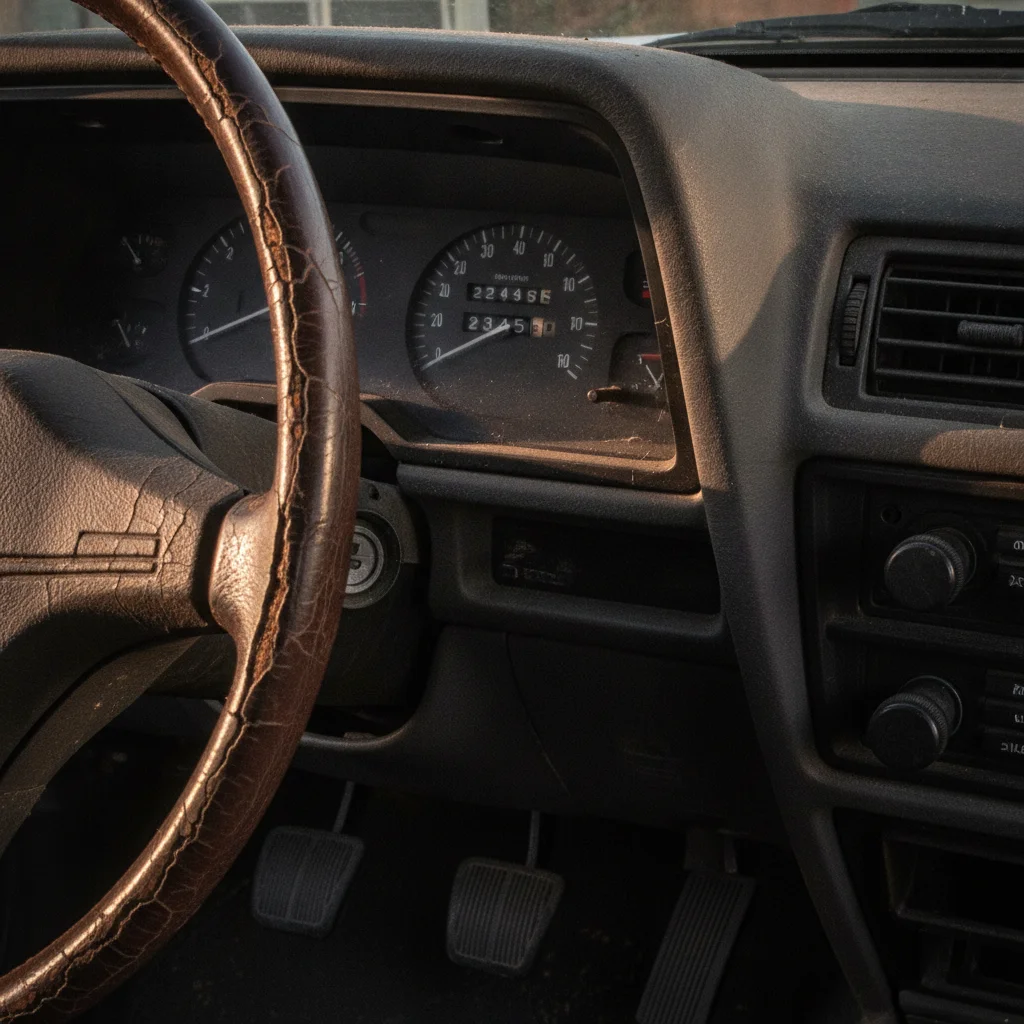
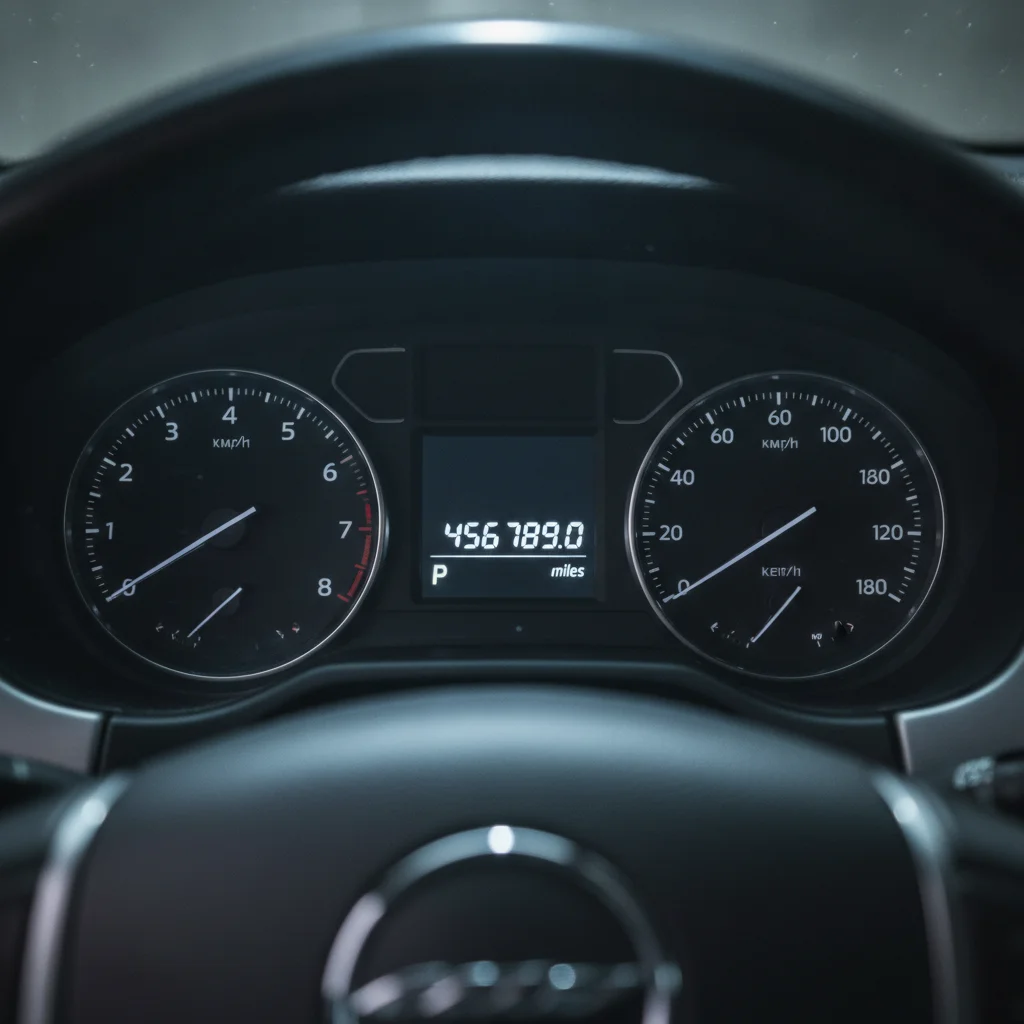
Walk into any used car negotiation and you'll see mileage treated like a scoreboard — low is good, high is bad, end of story. That's a costly oversimplification. The odometer tells you how far a car has traveled, but it says almost nothing on its own about how it was driven, whether it was maintained, or what kind of wear has actually accumulated.
Buyers who fixate on mileage cutoffs — refusing to look at anything over 80,000 miles, say — routinely pass on solid, well-maintained vehicles while overpaying for low-mileage cars that sat in a garage for years with old fluids and deteriorating rubber seals. Sellers, meanwhile, often undervalue their cars simply because the number looks big.
The myths around odometer readings are persistent because mileage is the one variable everyone can see immediately. But knowing how to read what that number actually means is what separates a smart used car buyer from an anxious one.
Below, we break down the most common odometer misconceptions and replace them with the real framework used-car professionals actually use to assess value and condition.
The Core Myths — Debunked
These are the beliefs that cost buyers money and cause sellers to leave value on the table. Each myth below is paired with the accurate picture and a practical explanation of why the nuance matters in a real transaction.
Myth
High mileage automatically means a car is worn out and unreliable.
Fact
A well-maintained high-mileage car is often more reliable than a neglected low-mileage one. Maintenance history is the better predictor of remaining life.
The 100,000-mile barrier used to mean something. Engines burned oil, transmissions slipped, and timing belts snapped with some regularity in the 1980s and 1990s. Modern vehicles — particularly those from Japanese and German manufacturers with strong reliability records — routinely reach 200,000 miles with proper maintenance. Synthetic oils, better metallurgy, and tighter manufacturing tolerances have fundamentally changed the durability equation.
What actually wears a car out is deferred maintenance — skipped oil changes, ignored coolant flushes, worn timing components left to fail. A 160,000-mile Toyota Camry with a full service history is a meaningfully different machine than a 70,000-mile example that never had its transmission fluid changed. The odometer number doesn't tell you which one you're looking at.
When evaluating a high-mileage car, ask for service records going back as far as possible. Pay particular attention to major fluid services (transmission, coolant, brake fluid), timing belt or chain replacement on applicable engines, and any documented repairs. A car that's been serviced consistently is a car that's been cared for — and that matters far more than any round number on the dash.
Myth
Low mileage is always a sign of a well-preserved, better car.
Fact
Low mileage can mask serious problems caused by infrequent use, including deteriorated seals, stale fluids, and dry-rotted rubber components.
Cars are designed to be driven. When a vehicle sits for extended periods, several things happen that don't show up on the odometer: engine seals dry out, brake rotors develop surface rust and pitting, coolant and brake fluid absorb moisture and degrade, tires develop flat spots, and fuel systems accumulate varnish deposits. A car that's been driven 6,000 miles per year for 10 years has been sitting most of its life, and that sitting has consequences.
[in_content_images:2]The most common low-mileage problem vehicles are estate cars (owned by elderly drivers who rarely drove), long-term storage vehicles, and cars in regions with extreme weather that discouraged regular use. These cars often look pristine but can require significant expense to get back into reliable daily-driver condition.
Red flags on low-mileage vehicles to watch for during inspection:
- Cracked or hardened rubber in hoses, belts, and door seals
- Brake rotor rust pitting beyond surface oxidation
- Dark, acidic coolant or brake fluid (test strips are cheap)
- Tire sidewall cracking, even if tread depth looks new
- Fuel system issues — rough idle, hesitation — suggesting varnish buildup
A pre-purchase inspection from a trusted mechanic is non-negotiable on low-mileage vehicles, not just high ones.
Myth
All miles are the same — a mile is a mile.
Fact
Highway miles generate far less wear per mile than city miles. A high-mileage highway commuter car may have less engine wear than a low-mileage urban stop-and-go vehicle.
Engine wear is highest at cold starts and during low-speed, stop-and-go operation. Highway driving, by contrast, keeps the engine at a stable operating temperature, reduces the number of cold-start cycles relative to miles driven, and keeps oil circulating under consistent conditions. A car used primarily for long highway commutes accumulates far less internal engine wear per mile than one used for short urban trips.
This is why fleet vehicles and highway patrol cars — which often rack up 150,000–200,000 miles on highway duty — frequently have engines in better mechanical shape than urban cabs with 80,000 miles of grid traffic.
When evaluating a used car, ask the seller how the vehicle was primarily used. A former highway commuter car is a different proposition than a delivery vehicle or urban rideshare car, even at the same mileage. A vehicle history report can sometimes confirm fleet or rideshare use, which may indicate heavier-than-average wear regardless of mileage.
Myth
The odometer reading is always accurate — rollback fraud is a thing of the past.
Fact
Odometer fraud still affects an estimated 450,000 vehicles sold annually in the U.S. Digital odometers are not immune to tampering.
Many buyers assume that because modern cars use digital odometers instead of mechanical ones, rollback fraud is no longer possible. This is wrong. Digital odometers can be altered using relatively inexpensive OBD-II port tools that are commercially available online. The switch from analog to digital has changed the method, not eliminated the crime.
[important_callout]The most effective protection is a vehicle history report (Carfax or AutoCheck) that logs odometer readings from state registration records, dealer service visits, and inspection stations over time. If a car shows 95,000 miles at one service record and 72,000 at the next, the discrepancy is a major red flag. Physical wear patterns — pedal rubber, steering wheel finish, seat bolster wear — also provide a rough cross-check against the reported mileage.
Federal law requires sellers to provide an odometer disclosure statement on most vehicle sales involving cars under 10 years old. This is a signed legal document, and falsifying it is a federal crime. For the full legal picture, see what the odometer disclosure statement is actually certifying.
Myth
12,000 miles per year is a universal standard for 'normal' mileage.
Fact
The 12,000-mile annual average is a national benchmark, not a universal standard — regional differences, vehicle type, and use case all affect what's normal.
The 12,000-to-15,000-miles-per-year figure used in industry pricing guides (like Kelley Blue Book and Edmunds) is a national statistical average. It's useful as a rough benchmark but can mislead buyers when applied rigidly across different contexts.
A vehicle in a rural Western state where long distances between towns are the norm may reasonably accumulate 20,000 miles per year without being abused. A car in a dense urban market like Manhattan or San Francisco — where many residents don't drive to work — may sit at 6,000–8,000 miles per year. Neither is inherently better or worse; they reflect different use patterns.
The more useful calculation is this: divide the total mileage by the vehicle's age in years. If the result is significantly higher than 15,000, look carefully at maintenance records and physical wear. If it's significantly lower, watch for the low-mileage neglect issues described above. Either way, it's a starting point for questions, not a pass/fail threshold.
Myth
Once a car hits 100,000 miles, repair costs become prohibitive.
Fact
Major repair costs depend on the vehicle make, model, and maintenance history — not a mileage threshold. Many 100,000-plus-mile cars are cheaper to own than newer ones after accounting for depreciation.
The fear of repair costs past 100,000 miles is real but often overstated — and the math frequently favors the high-mileage car. A well-maintained vehicle at 110,000 miles may need $800–$1,500 in wear items (brakes, tires, belts) over the next 20,000 miles. A newer car at 30,000 miles costs $5,000–$10,000 more to purchase and depreciates faster. The break-even calculation often favors the older car unless the high-mileage vehicle has serious deferred maintenance.
Make and model matter enormously here. Certain vehicles — Honda Civic, Toyota Corolla, Tacoma, Lexus RX — have documented reliability well past 200,000 miles with normal maintenance. Others — particularly some German luxury brands — have significantly higher maintenance costs at any mileage level, and those costs accelerate with age. Research the specific model's known failure points before making mileage a dealbreaker.
A targeted pre-purchase inspection that checks wear items due in the next 20,000–30,000 miles gives you a concrete cost estimate to use in price negotiations. If the inspection flags $2,000 in upcoming maintenance, that's real leverage at the negotiating table.
What You Should Actually Look at Alongside the Odometer
Once you've moved past the mileage number itself, here's the framework that actually predicts condition:
- Service records: Oil change intervals, fluid flushes, timing belt/chain replacements, and brake service history. A car with 140,000 miles and a complete service folder at a dealership is worth more than an 80,000-mile car with a blank history.
- Vehicle history report: Pull a Carfax or AutoCheck before anything else. Look for odometer rollback flags, accident disclosures, number of owners, and whether it was used as a fleet or rental vehicle. See what the odometer disclosure statement actually certifies for the legal framework behind this document.
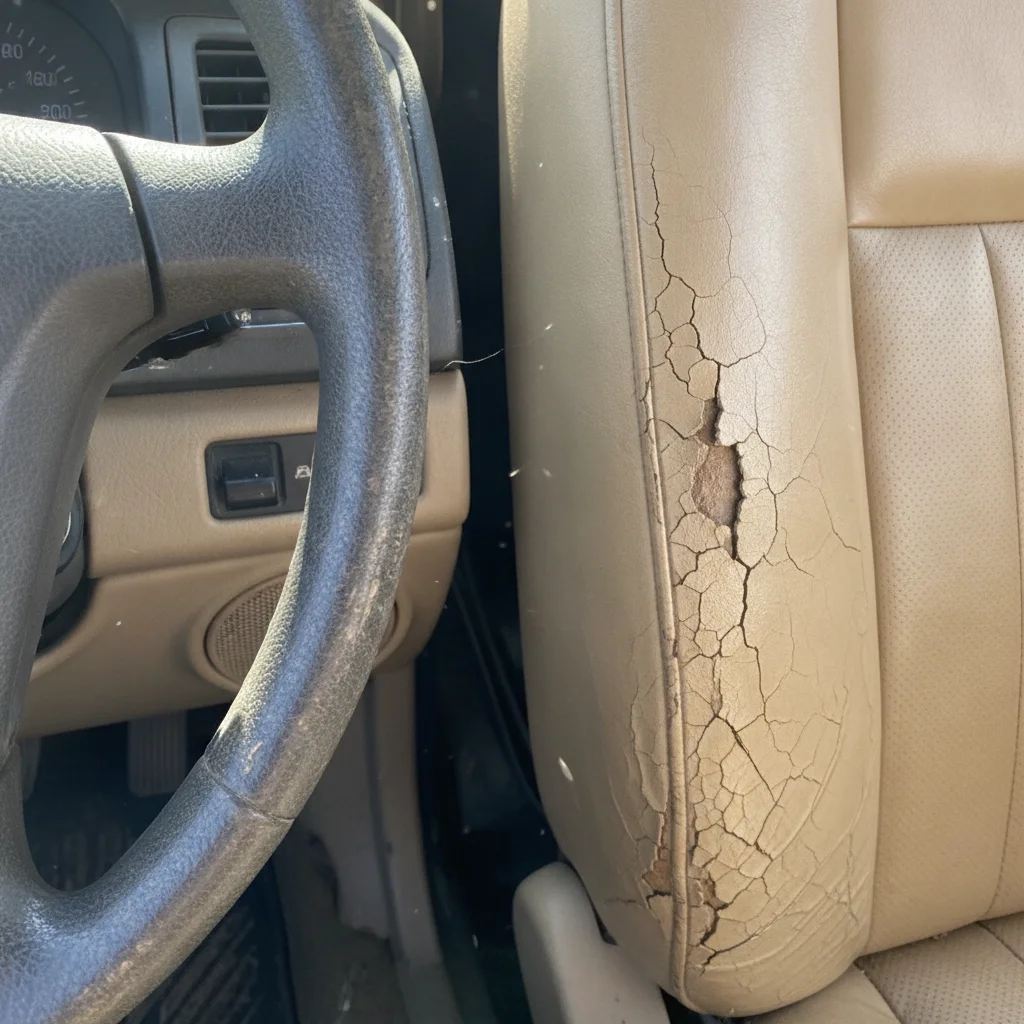
- Physical wear patterns: Driver's seat bolster wear, pedal rubber condition, and steering wheel finish fade are hard to fake. If a car has 35,000 miles but the driver's seat looks like it's been through a decade of daily use, something doesn't add up. The complementary article odometer vs. wear: when the numbers don't match covers exactly how to spot these mismatches.
- Age of the vehicle: A 3-year-old car with 90,000 miles was almost certainly used heavily — possibly as a rideshare vehicle. A 12-year-old car with 90,000 miles is right on the average curve. Age and mileage must be evaluated together.
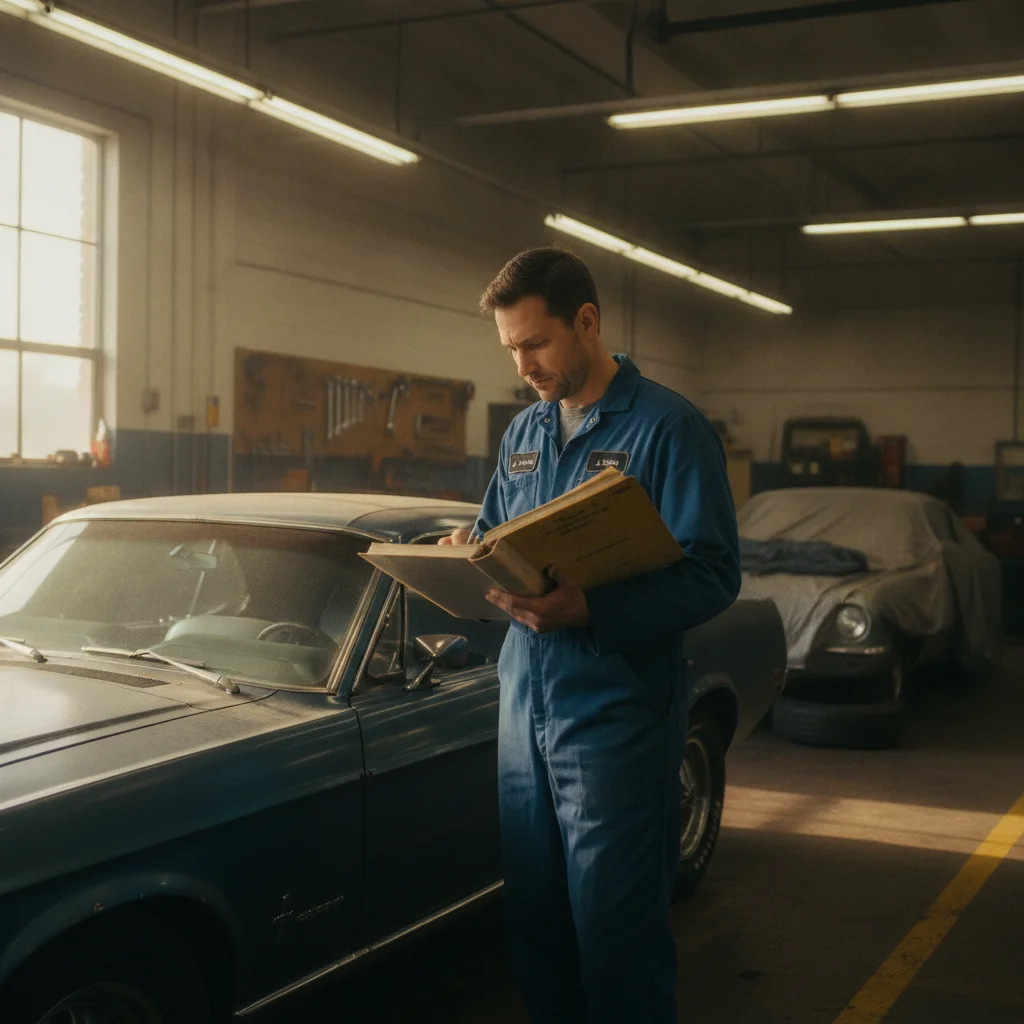
- Pre-purchase inspection: A qualified mechanic's lift inspection — usually $100–$150 — is the single best investment you can make on any used car purchase regardless of mileage. It surfaces worn components, leaks, and deferred maintenance that no odometer reading can reveal.
Don't Skip the Pre-Purchase Inspection
No matter how low or high the mileage, skip the pre-purchase inspection and you're flying blind. A licensed mechanic's inspection costs $100–$150 and typically takes 45–90 minutes. It surfaces oil leaks, worn suspension components, brake condition, and deferred maintenance that no visual walk-around can reveal. If a seller refuses to allow a third-party inspection, walk away — that refusal tells you everything you need to know.
Rideshare and Fleet History Changes the Equation
A vehicle history report that shows rental or rideshare use indicates above-average wear regardless of mileage, because these vehicles are driven hard by multiple users and often receive only minimum-required maintenance. Budget additional inspection scrutiny and price accordingly — a rideshare car with 60,000 miles may have the wear profile of a privately owned car with 90,000 miles.
For cars with unusually high mileage, there are specific failure patterns worth checking beyond the standard inspection. The guide on high-mileage car warning signs covers the components most likely to need attention past 100,000 miles.
How Mileage Affects Price — and How to Use That Strategically
Mileage is a major pricing lever in the used car market, even when it shouldn't be the dominant one. Understanding how buyers and dealers price mileage thresholds lets you negotiate more effectively on both sides of a transaction.
450,000
Vehicles sold annually with rolled-back odometers
According to the National Highway Traffic Safety Administration (NHTSA), an estimated 450,000 vehicles are sold each year in the U.S. with fraudulent odometer readings.
~15,000
Average miles driven per year in the U.S.
The Federal Highway Administration reports the average American drives approximately 14,000–15,000 miles annually, making this the baseline for assessing whether a car's mileage is high or low for its age.
$4,000+
Average odometer fraud cost to buyers
NHTSA estimates that odometer fraud costs American consumers more than $1 billion annually, with individual buyers often overpaying $4,000 or more on a single fraudulent vehicle.
200,000+
Miles many modern vehicles reliably reach
Consumer Reports and long-term reliability data from iSeeCars consistently show that well-maintained vehicles from top-tier brands regularly surpass 200,000 miles without major mechanical failure.
Dealers and private buyers alike tend to apply sharp mental price penalties at round-number thresholds — 100,000 miles being the most significant. A car at 98,000 miles will command noticeably more than the same car at 103,000 miles in most markets, even though the mechanical difference is essentially zero. This is irrational but predictable, and you can use it.
If you're buying: Target cars just over a major mileage threshold if they have solid service records. You'll pay a market discount that doesn't reflect actual mechanical risk.
If you're selling or trading in: Understand that dealers use mileage thresholds to justify auction-level offers on trade-ins. Our guide on getting a fair offer on high-mileage trade-ins breaks down how to counter these lowball tactics with documentation. And if you want the broader depreciation picture, how mileage affects resale value explains which thresholds create the sharpest drops in market pricing.
Before you trade in, it also helps to understand what dealers actually do with high-mileage trade-ins — knowing their process demystifies the offers you'll receive.
Odometer Fraud Is Still a Federal Crime
Tampering with an odometer — digital or mechanical — and falsifying an odometer disclosure statement are federal offenses under the Truth in Mileage Act. Penalties include fines up to $10,000 per violation and potential criminal charges. If you suspect fraud after purchase, report it to the NHTSA at 1-888-327-4236 and consult an attorney about your right to damages — federal law entitles defrauded buyers to recover three times their actual damages or $10,000, whichever is greater.
Bottom line: the odometer is a starting point, not a verdict. Pair it with maintenance records, a vehicle history report, and a physical inspection, and you'll have a complete picture of what you're actually buying — not just how far it's been driven.

All claims are backed by peer-reviewed research. Sources on request.