Key Takeaways
The Conventional Wisdom — And Its Limits
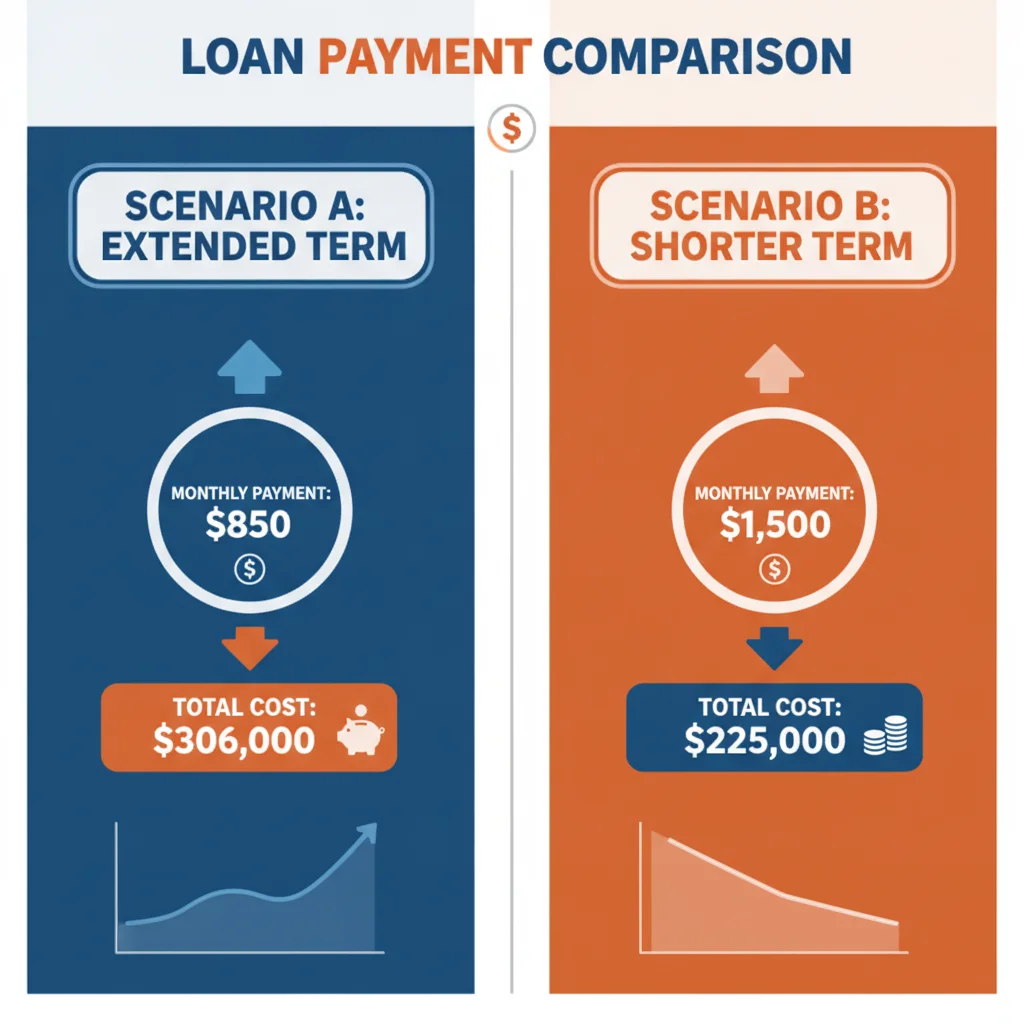
Personal finance advice on auto loans tends to be blunt: keep your loan term as short as possible, avoid 72- and 84-month loans, and never prioritize the monthly payment over the total cost. That guidance isn't wrong — but it's incomplete.
The truth is that loan term length is a tool, and like any tool, its usefulness depends entirely on how and when it's applied. A longer term in the wrong situation is a liability. But in the right situation, it can free up real cash, reduce financial stress, and actually support smarter money management overall.
This article doesn't argue that longer is better. It argues that longer can be appropriate — and walks you through the specific conditions that make it so. If you want to understand the flip side first, read about the risks of defaulting to the longest term available.
How Loan Term Length Shapes Your Total Cost
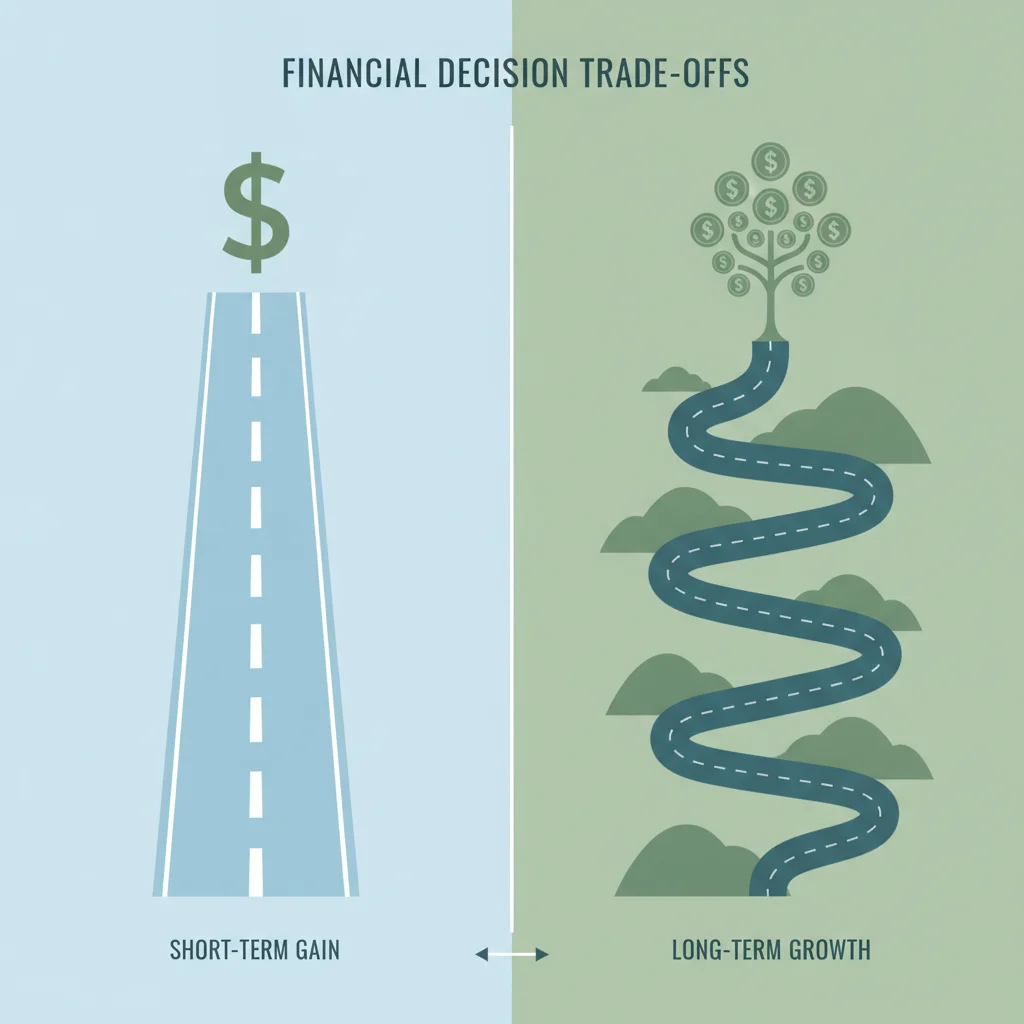
Before diving into best practices, it helps to understand exactly what changes when you extend a loan term. Two things happen simultaneously, and they pull in opposite directions:
- Monthly payment drops — your principal is spread over more months, so each installment is smaller.
- Total interest paid rises — you're borrowing money for longer, which means the lender collects more in interest charges over the life of the loan.
Here's a simplified example. Suppose you borrow $30,000 at 6% APR:
| Term | Monthly Payment | Total Interest Paid | Total Cost |
|---|---|---|---|
| 48 months | $704 | $3,792 | $33,792 |
| 60 months | $580 | $4,799 | $34,799 |
| 72 months | $498 | $5,856 | $35,856 |
| 84 months | $437 | $6,706 | $36,706 |
The monthly savings between a 48-month and a 72-month loan are real — $206 per month. So is the additional cost: roughly $2,064 more in interest over the loan's life. Whether that trade-off makes sense depends on what you'd do with that $206 each month.
See the full math behind how lower payments can inflate your total cost before you decide.
72 months
Average new car loan term in the U.S.
According to Experian's State of the Automotive Finance Market (2024), the average new vehicle loan term has crept steadily upward, with 72-month loans now representing the most common term length.
$206/mo
Monthly savings: 48-month vs. 72-month loan
Based on a $30,000 loan at 6% APR — illustrating the real cash flow impact of extending a loan term by 24 months.
~31%
Share of borrowers with negative equity at trade-in
Edmunds data from 2023 found that roughly 31% of consumers who traded in a vehicle had negative equity, with average underwater amounts exceeding $6,000.
The Practices: When Longer Terms Make Strategic Sense
The following situations represent genuine cases where extending your loan term is a defensible financial decision — not a rationalization. Read each carefully and assess honestly whether your circumstances match.
Use a longer term to bridge a temporary cash flow constraint — not a permanent budget problem.
There's a meaningful difference between a borrower who is cash-tight today but expects income to rise within 12–24 months, and a borrower who simply can't afford the car at any reasonable term length. The former may benefit from a longer term; the latter is buying beyond their means regardless. If your financial picture is genuinely improving — a promotion confirmed, a second income returning, a large debt being paid off — a longer term buys you breathing room without permanent damage.
Redirect the monthly payment savings toward higher-interest debt, not discretionary spending.
A longer loan term only improves your overall financial position if the cash flow savings are deployed productively. Paying off a credit card carrying 22% APR with the money you're saving on a 6% auto loan is a mathematically sound strategy — you're effectively earning a 16-percentage-point spread on that capital. If the savings disappear into everyday expenses, you've taken on more total debt for no financial gain.
Make a substantial down payment (15% or more) to offset the slower equity build of a longer term.
Longer amortization schedules pay down principal slowly in the early months, meaning your loan balance stays higher relative to the car's depreciating value. A strong down payment compresses that gap from day one, protecting you from negative equity even as depreciation accelerates. It also reduces your financed amount, which limits how much additional interest you'll pay over the extended term.
Commit to making extra principal payments whenever your budget allows.
Most auto loans have no prepayment penalty, meaning you can pay down the principal faster than the schedule requires without any fee. If you choose a longer term for the lower minimum payment, you preserve optionality — you can pay more in good months and pay only the minimum in lean months. This flexibility can make a 72-month loan behave more like a 54-month loan in practice, while keeping your mandatory obligation low.
Shop lenders aggressively to minimize the rate premium on longer terms.
Lenders typically charge higher interest rates on longer loan terms to compensate for increased risk exposure. But that premium varies considerably across lenders — credit unions, online lenders, and captive finance arms (manufacturer financing) often price longer terms differently. By getting multiple preapprovals before you shop for a car, you can identify which lender penalizes the longer term least, reducing the total interest cost of extending.
Use a longer term only on a reliable, lower-mileage vehicle with a strong maintenance history.
The longer your loan term, the more likely you are to encounter major maintenance costs — especially on a high-mileage or older vehicle. Committing to 72 or 84 monthly payments on a car that may need a transmission or engine repair in year three creates a compounding financial problem: you're paying for a car that may also be costing you thousands in repairs. Longer terms are safer on newer vehicles or certified pre-owned cars with manufacturer-backed warranties that span most of the loan period.
Protecting Yourself From Going Underwater
One of the most significant risks with longer loan terms is negative equity — owing more on the car than it's worth. Vehicles depreciate quickly in the first few years, and a longer amortization schedule means you're paying down principal more slowly.
If you're considering a longer term, the best protection is a meaningful down payment. Putting 15–20% down at the start keeps your loan balance closer to the vehicle's actual value throughout the repayment period.
Calculate Your Equity Position Every 12 Months
If you have a longer-term loan, set an annual reminder to check your vehicle's current market value against your remaining loan balance. Use Kelley Blue Book or Edmunds for the value, and check your loan statement for the balance. If you're underwater by more than 10–15%, consider making extra principal payments to close the gap before your next vehicle purchase or any refinance attempt.
Gap insurance is another layer of protection worth understanding if you do go with a longer term. If the car is totaled or stolen, gap insurance covers the difference between what your insurer pays (actual cash value) and what you still owe on the loan. Without it, you could owe thousands out of pocket on a car you no longer have.
Walk through all the factors that should guide your term decision — down payment size is just one of them.
Refinancing As an Exit Strategy
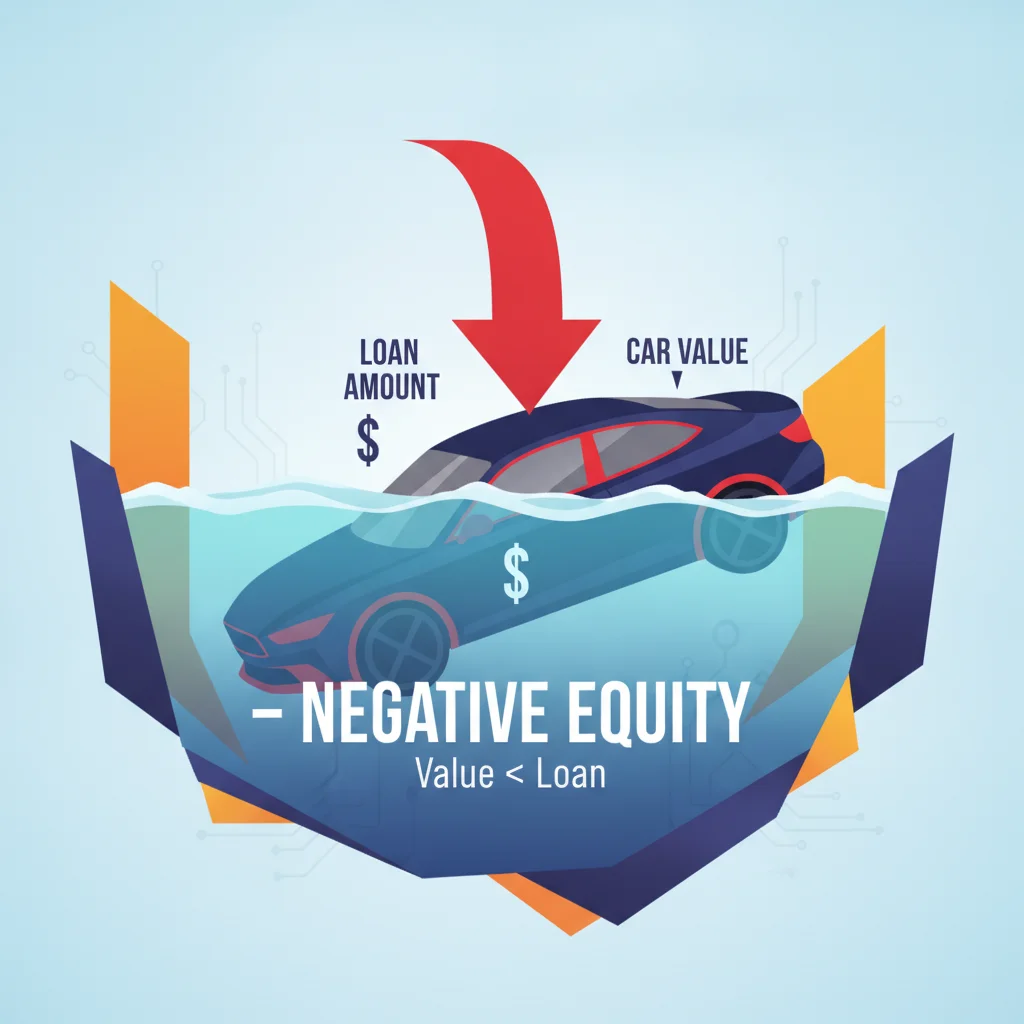
Some borrowers choose a longer term intentionally, knowing they plan to refinance within a year or two. This approach works when you need low payments right now but expect your financial situation to improve — a higher income, better credit score, or lower interest rate environment on the horizon.
Starting with a 72-month loan and refinancing at month 18 into a 48-month loan can give you the best of both worlds: manageable payments during a tight stretch, followed by faster payoff once you're in a stronger position.
Refinancing Works Best With Improved Credit
If your plan is to take a longer term now and refinance later, improving your credit score in the interim is essential. A score improvement of even 40–50 points can unlock a meaningfully lower rate, making the refinance worthwhile. Pay all bills on time and reduce your credit card balances during the initial loan period to position yourself for the best refinance terms.
Longer Terms Are Common — But Not Universal
Just because 72-month loans are now statistically common doesn't mean they're right for every borrower. Prevalence is not the same as prudence. Lenders and dealers present longer terms routinely because they increase the range of buyers who can afford a given vehicle — but that's a business incentive, not financial advice tailored to your situation.
This strategy requires discipline. If you spend the cash flow savings rather than positioning yourself to refinance, you'll end up with a longer, more expensive loan and no exit plan. Set a calendar reminder at the 12-month mark to check your credit score and compare refinance rates. Learn the signals that indicate the right time to refinance your auto loan so you don't miss the window.
Also be aware that extending a term during a refinance carries its own trade-offs. Read a balanced look at extending your term during refinance before committing to that path.
“The monthly payment is the most dangerous number in a car deal. It's the number dealers use to control the conversation — and the number buyers use to convince themselves they can afford something they can't. Total cost is the only number that really matters.”
— Philip Reed, Senior consumer advice editor and automotive finance writer, NerdWallet
Quick Wins: What You Can Do Right Now
If you're in the middle of a loan decision, you don't need to wait to act. Here are immediate steps that will put you in a better position — whether you're leaning toward a longer or shorter term.
The Bottom Line: Context, Not Convention
Longer auto loan terms get a bad reputation, and often deservedly so. Many buyers choose them simply to afford a car that's beyond their budget — a choice that leads to years of negative equity and inflated interest costs. That pattern is real and worth avoiding.
But the same tool, used deliberately and in the right circumstances, can serve a legitimate purpose. When your cash flow is genuinely constrained, when you have a clear plan to pay down the loan early or refinance, or when the freed-up monthly cash goes toward higher-priority financial goals, a longer term isn't reckless — it's strategic.
The key is intention. Don't let a dealer or lender default you into the longest term available because it makes a payment fit. Make the choice yourself, with full knowledge of the total cost, your depreciation exposure, and your exit options.
If you're still sorting out which term length fits your situation, this guide on matching your loan term to your financial situation walks through the decision step by step. And if you're concerned about how your credit score affects your term options, see how bad credit changes the longer-term calculus.
Getting preapproved before you walk into a dealership also gives you real leverage over term negotiations. Understand what preapproval means and how to use it before your next purchase.


All claims are backed by peer-reviewed research. Sources on request.