Key Takeaways
Option A
Vehicle Condition
The day-to-day variable sellers can actually control.
Best for: Sellers who have maintained their car well and want to document that care to command a premium price.
Option B
Vehicle Age
The calendar-driven factor that works quietly in the background.
Best for: Buyers and sellers who need a fast, objective benchmark before diving into the specifics of a particular car.
If you're pricing a 2–6 year old car with complete service records
Vehicle Condition
In the mid-life window, buyers pay meaningfully more for documented care. Excellent condition can recover thousands that modest age-based depreciation has taken.
If your car is brand new or less than 18 months old
Vehicle Age
The first-year depreciation cliff is so steep — often 15–25% — that age dominates price calculations regardless of how pristine the vehicle is.
If your car is older than 10 years or over 100,000 miles
Vehicle Age
At this stage buyers apply heavy reliability discounts. Condition still matters for negotiation, but age and mileage set the ceiling on what you can realistically ask.
If you're deciding whether to invest in prep work before selling
Vehicle Condition
Targeted repairs, detailing, and gathering service records cost relatively little but directly improve perceived condition — the factor buyers negotiate hardest on.
If you're a buyer evaluating two similar-year cars at different prices
Vehicle Condition
Same-year cars can vary by thousands based on condition grade. A lower-priced car in poor condition often costs more in total once deferred maintenance is factored in.
How Depreciation Works — and Where Age Fits In
Depreciation is simply the difference between what you paid for a car and what it's worth now. The math sounds simple, but the curve is not linear — it's front-loaded. A brand-new vehicle loses roughly 15–25% of its value the moment it leaves the lot and another 10–15% in each of the next few years. By year five, most mainstream vehicles have shed 40–60% of their original sticker price.
Age, in this context, is really a proxy for time on the depreciation curve. A 2020 model year vehicle isn't inherently worth less because it's four years old — it's worth less because the market knows that four years of typical ownership have elapsed, and buyers price in the statistical likelihood of wear, unreliability, and obsolescence.
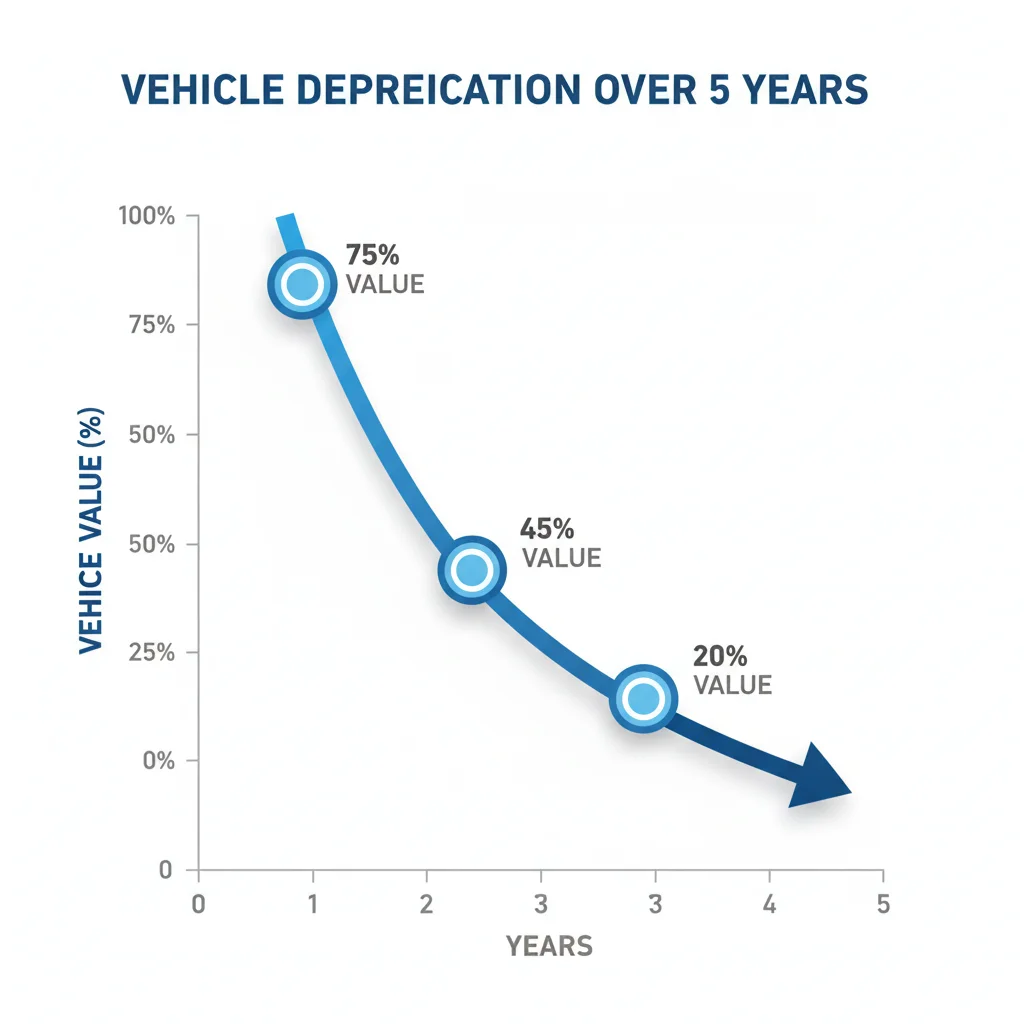
But here's the important nuance: the depreciation curve is an average. It describes a fleet, not an individual car. Your specific vehicle sits somewhere above or below that average line depending on how it's been treated. That gap — between the fleet average and your car's actual position — is where condition does its work.
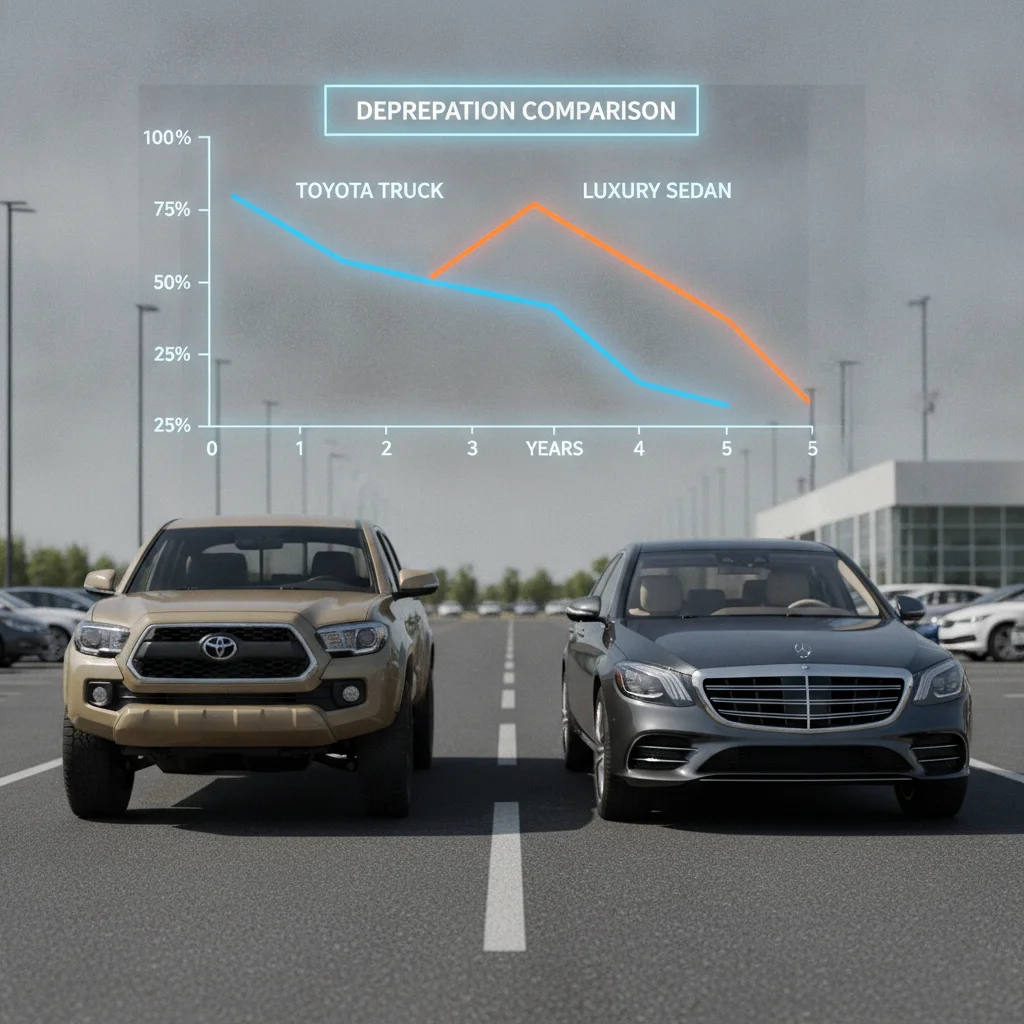
Some models depreciate far slower than others based on brand reputation and segment demand, which means the age penalty isn't uniform across all cars. A Toyota Tacoma loses value at a fraction of the rate of a domestic luxury sedan of the same year. So before you even weigh condition against age, it helps to know which depreciation bucket your vehicle naturally falls into.
20–25%
First-year depreciation on a new vehicle
According to Edmunds data, most mainstream vehicles lose between 20–25% of their purchase price within the first 12 months of ownership.
8%
Average private seller overpricing vs. dealers
An iSeeCars analysis found private sellers list their vehicles an average of 8% above comparable dealer prices, largely due to condition overestimation.
5–10%
Premium for documented service history
Industry appraisers and pricing platforms consistently recognize a 5–10% premium for vehicles with complete, verifiable maintenance records versus undocumented equivalents.
$3,000+
Condition gap on a $15,000–$20,000 vehicle
The spread between Excellent and Fair condition grades on a mid-life vehicle typically exceeds $3,000 on most major pricing platforms including KBB and Edmunds.
49%
Average 5-year depreciation for mainstream cars
According to NADA Guides and Carfax data, the average mainstream vehicle retains roughly 51% of its original value after five years of typical ownership.
What Condition Actually Covers — and How Buyers Grade It
When a buyer, appraiser, or pricing guide refers to "condition," they're collapsing several distinct factors into a single rating. Understanding each component lets you identify where your car stands and where targeted investment pays off.
Mechanical Condition
This is the biggest single factor within condition. Engine health, transmission smoothness, brake thickness, suspension integrity — these are what a pre-purchase inspection reveals. A car that passes a clean inspection earns buyer confidence even if the exterior shows age. A car that fails, regardless of model year, triggers a negotiation that almost always ends with the seller taking a steep discount or agreeing to pay for repairs.
Cosmetic Condition
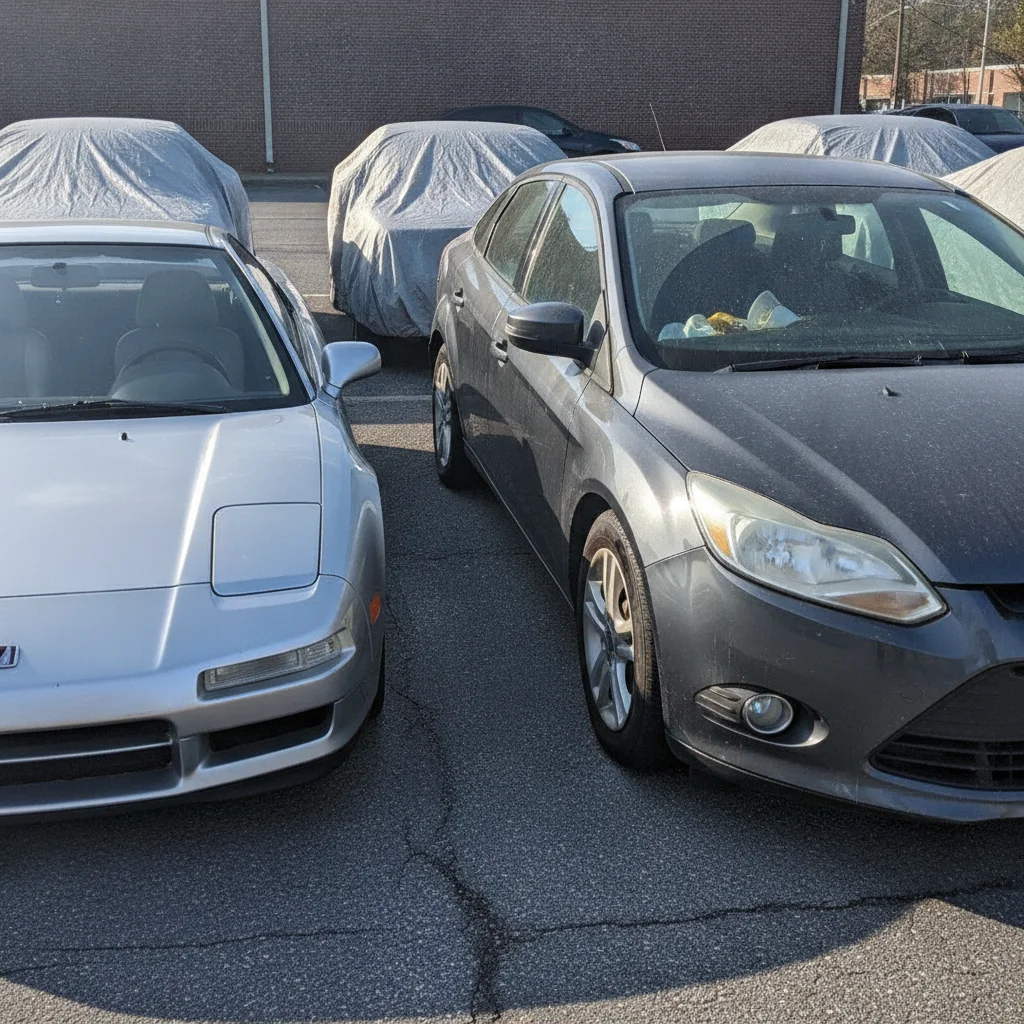
Paint, body panels, interior upholstery, and trim. Cosmetic issues are the most visible signals buyers use before they ever open the hood. Scratches and dents don't necessarily indicate mechanical problems, but they signal to buyers that the car wasn't cared for — and they extrapolate from that. A car with a dented quarter panel will often get lowballed even if it runs perfectly.
Service History Documentation
This is the condition factor most sellers underestimate. A stack of oil change receipts, dealer service records, or a clean Carfax showing on-schedule maintenance turns an abstract claim of "well maintained" into something a buyer can verify. Documented condition commands a real premium — typically 5–10% above comparably aged vehicles without records.
Mileage Relative to Age
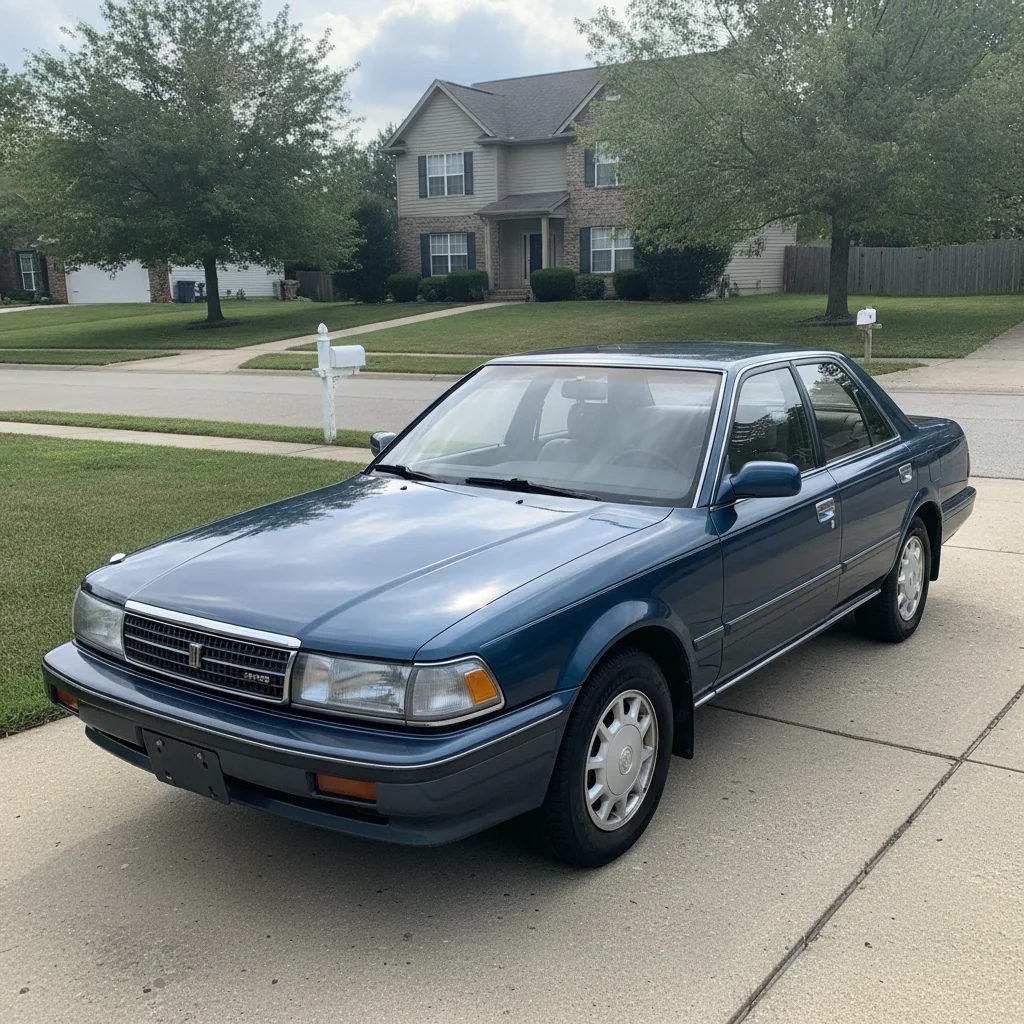
Mileage and age are related but not identical. The market assumes roughly 12,000–15,000 miles per year. A 5-year-old car with 45,000 miles is considered low-mileage and earns a condition bonus. The same car with 95,000 miles is considered high-mileage and takes a penalty — even though both are the same age.
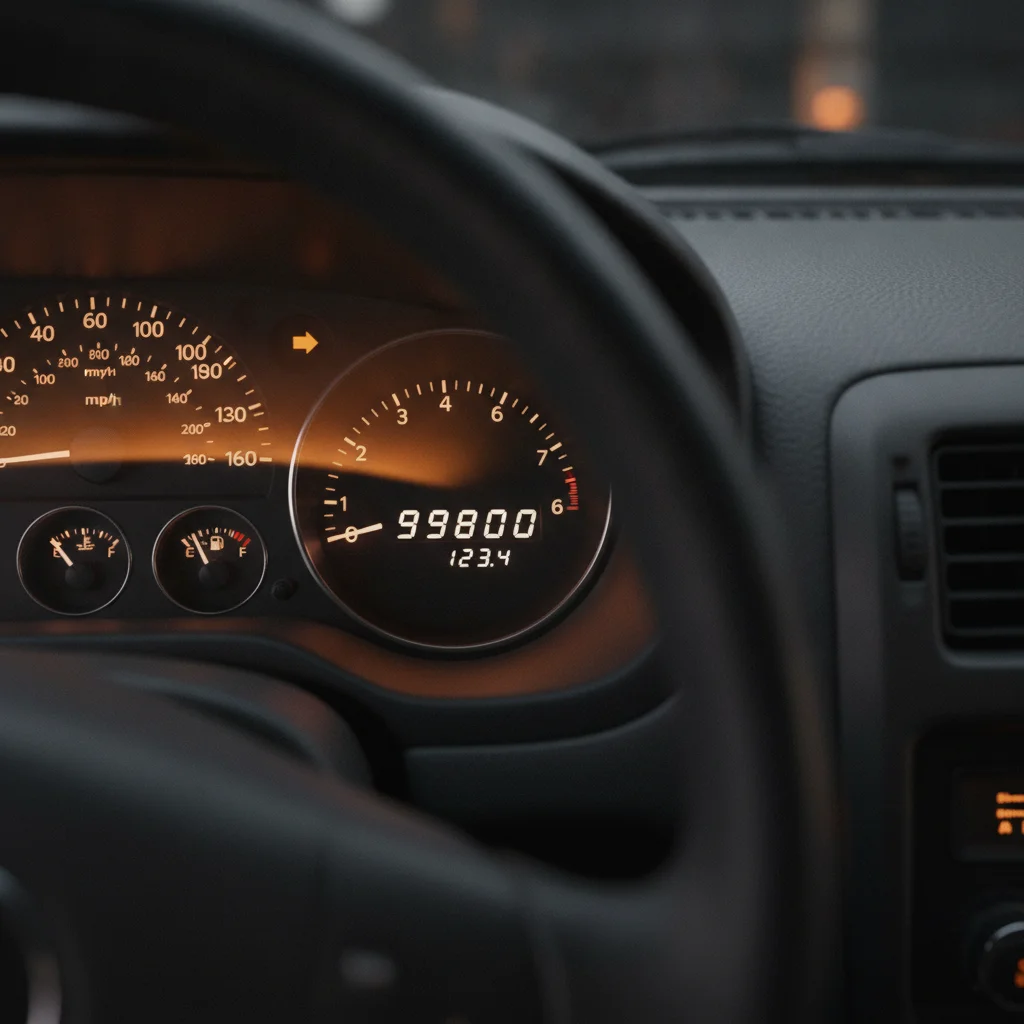
If your car has unusually low miles, that's a condition advantage you should lead with in your listing. If it's high-mileage, there are specific prep steps that help offset the mileage discount with buyers who scrutinize older vehicles closely.
Condition Ratings Vary by Pricing Source
Kelley Blue Book, Edmunds, and NADA each define condition tiers slightly differently, and the dollar values they assign to each tier vary. KBB's "Very Good" is roughly equivalent to Edmunds' "Clean" — but not identical in dollar terms. Always run the same vehicle through multiple tools and treat the output as a range rather than a single authoritative number. The spread between sources is often $500–$1,200 on a $15,000 vehicle.
Head-to-Head: Condition vs. Age Across the Pricing Factors That Matter
The table below maps both factors across the specific dimensions buyers and pricing guides actually use. Notice how dominance shifts depending on the stage of the vehicle's life.
| Criterion | Vehicle Condition | Vehicle Age |
|---|---|---|
| Price Impact Range | $1,500–$4,000+ on mid-life cars | 15–25% per year in years 1–3 |
| Seller Control | High — prep, records, repairs | None — calendar-driven |
| Buyer Perception | Requires verification (inspection, records) | Immediately visible from model year |
| Dominates Pricing At | Years 2–7 of vehicle life | Years 0–1 and 8+ of vehicle life |
| Key Metric | Condition grade + service documentation | Model year + mileage vs. annual average |
| Negotiation Leverage | Strong — documented condition is defensible | Weak for seller — age is objective |
| Pricing Tool Weight | Adjusts value within age-based range | Sets the baseline range itself |
| Investment to Improve | $150–$800 (detail, minor repairs, records) | Not improvable |
The pattern that emerges: age sets the floor and ceiling; condition determines where within that range your car lands. In the 2–7 year window, the range is wide — potentially $3,000–$6,000 on a $15,000–$20,000 vehicle. That's real money, and it's almost entirely driven by condition.
Outside that window, the range narrows. Very new cars are tightly priced by the market regardless of condition (buyers simply don't trust a 1-year-old car that a private seller is unloading — they suspect a reason). Very old cars have a price ceiling that condition can't push through, because buyers know reliability risk grows with age no matter how clean the car looks.
The Age Tipping Points Every Seller Should Know
Age doesn't penalize a car's price uniformly across its life. There are specific milestones where age-based discounts become dramatic and non-negotiable — regardless of condition.
Year 1: The New-Car Premium Evaporates
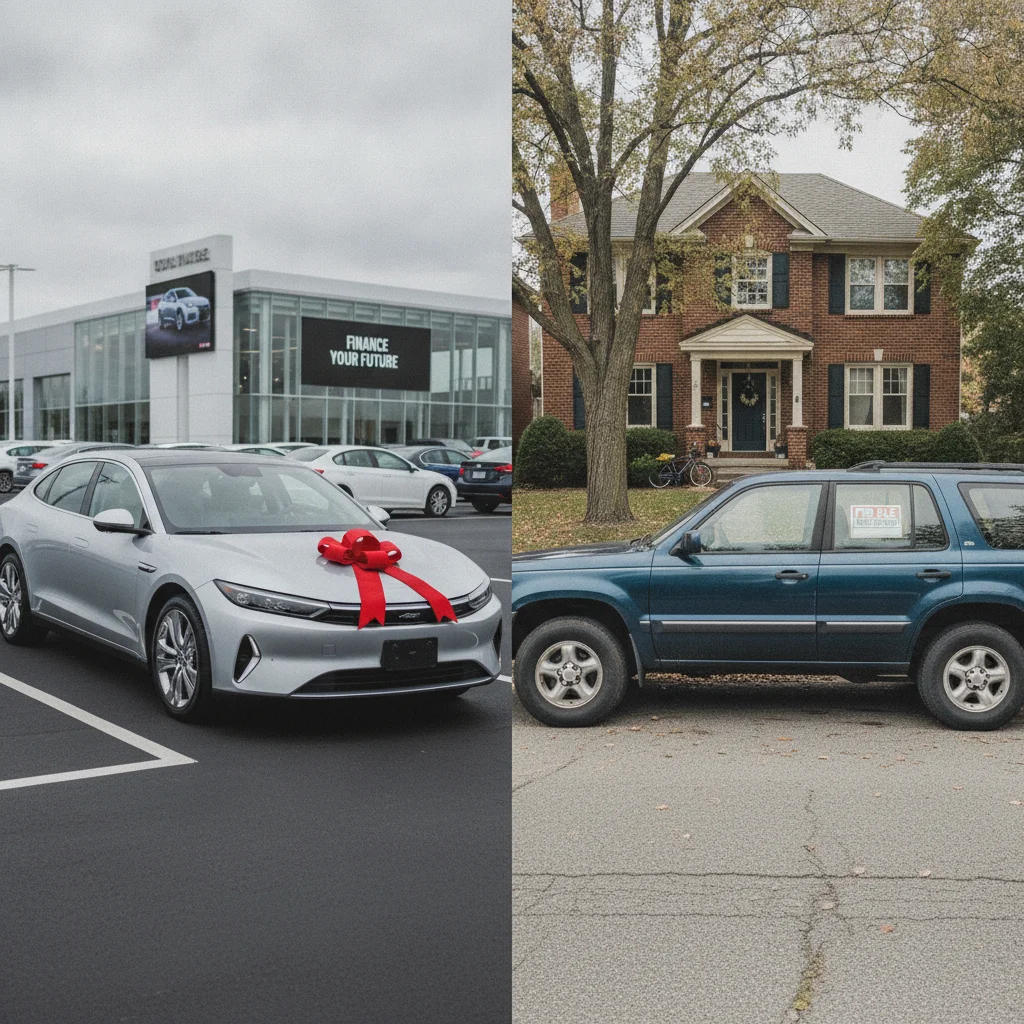
The steepest single-year depreciation drop happens between "new" and "used." A car that retailed for $32,000 new may be worth $24,000–$26,000 after just 12 months and 12,000 miles. No amount of perfect condition closes that gap — the loss is structural, built into how the market prices new vs. used. Buying new vs. used carries fundamentally different depreciation risk, and sellers on the wrong side of that boundary feel it immediately.
Years 3–5: The CPO Competition Window
At this age, your used car competes directly with certified pre-owned (CPO) inventory at dealerships. CPO vehicles carry manufacturer-backed warranties and have passed multi-point inspections — buyers will pay a modest premium for that assurance. If your 4-year-old car is priced above or near CPO equivalents without offering comparable documentation of condition, it will sit. Condition documentation is your only real competitive tool here.
Year 8–10: The Six-Figure Mile Threshold
Most vehicles cross 100,000 miles somewhere in the 7–10 year window, and that odometer reading triggers a psychological discount in many buyers regardless of actual mechanical condition. Historically this milestone meant approaching the end of major component life — today's engines and transmissions routinely run to 200,000+ miles with proper maintenance, but buyer psychology hasn't fully caught up. If your car is approaching or past this mark, informed buyers understand older cars can still represent strong value, but you'll need to price accordingly and lead with maintenance evidence.
15+ Years: Classic or Commodity
Beyond 15 years, age either stops hurting or becomes an asset — depending on the car. A 1985 air-cooled Porsche appreciates. A 2005 base-trim economy car faces a floor price that condition cannot meaningfully lift above. At this stage, brand, rarity, and enthusiast demand matter more than the condition-vs-age debate.
How to Use Both Factors to Price Your Car Accurately
Smart sellers don't treat condition and age as competing inputs — they use age to find the right market range, then use condition to argue for their position within that range.
Step 1: Establish the Age-Based Baseline
Pull pricing from at least three sources — Kelley Blue Book, Edmunds, and NADA Guides. Run the same year, make, model, trim, and mileage through each. The spread between them gives you a realistic price band for your vehicle's age cohort. Note that these tools ask you to self-report condition; don't do that yet — just record the "good" or "clean" condition baseline output.
Step 2: Grade Your Actual Condition Honestly
Walk around your car as a buyer would. Check for: paint chips, scratches, dents; tire tread depth (a quarter test works — if Lincoln's head is fully visible, tires are below 2/32" and buyers will factor in replacement cost); interior wear on seats, steering wheel, and controls; any warning lights; and evidence of prior accidents in the Carfax or AutoCheck report.
Be realistic. Sellers consistently overrate their own vehicles. A study by iSeeCars found that private sellers price their cars an average of 8% above comparable dealer listings — a gap that largely reflects condition overestimation.
Step 3: Apply Condition Adjustments to the Baseline
Most pricing tools define condition in four tiers: Excellent, Good, Fair, and Poor. The dollar spread between Excellent and Fair on a $15,000 vehicle is typically $1,500–$3,000. Use your honest assessment to position yourself within the band, then adjust upward if you have complete service records (a legitimate premium), or downward if known mechanical issues exist.
Step 4: Research Active Comparables, Not Just Guide Values
Guides are backward-looking averages. Active listings on Autotrader, Cars.com, or Facebook Marketplace show you what real sellers in your ZIP code are asking right now. Filter by the same year ± 1 and similar mileage. If your condition is meaningfully better than the comparable listings you find, you have grounds to ask the higher end of the range. If it's similar, price at the midpoint and let the records speak.

Also consider how age and safety ratings affect what insurance discounts buyers can access — buyers factor in total ownership cost, and a newer car with more safety tech may cost less to insure, shifting their willingness to pay.
The Bottom Line: Which Factor Should Drive Your Pricing Strategy?
If you're a seller, the honest answer is: age sets the rules, condition plays the game. You cannot negotiate your way around the structural depreciation that comes with calendar years. A 7-year-old car will never fetch what a 3-year-old equivalent fetches, no matter how clean it is.
But within the band that age defines, condition is the most powerful lever you control. And sellers routinely leave $1,500–$4,000 on the table by underinvesting in condition presentation — skipping a professional detail ($150–$250), not gathering service records, or ignoring a minor repair that a buyer will use to justify a $600 counter-offer discount.
For buyers, the takeaway is the mirror image: don't let a newer model year seduce you if the condition is poor. A 5-year-old car in excellent documented condition will almost always cost you less in total — purchase price plus near-term maintenance — than a 3-year-old car in fair condition with no service history. Evaluating a pre-owned vehicle well means looking past the year badge and asking hard questions about how the car was actually treated.
The used car market rewards sellers who understand this dynamic and penalizes those who don't. Know where you are on the depreciation curve, know your condition grade honestly, and price at the intersection of both.

All claims are backed by peer-reviewed research. Sources on request.