| Number of title brand types in common U.S. use | 10+ (NMVTIS National Motor Vehicle Title Information System) |
| States that require written disclosure of salvage titles | All 50 (Federal NMVTIS reporting mandate, enforced at state level) |
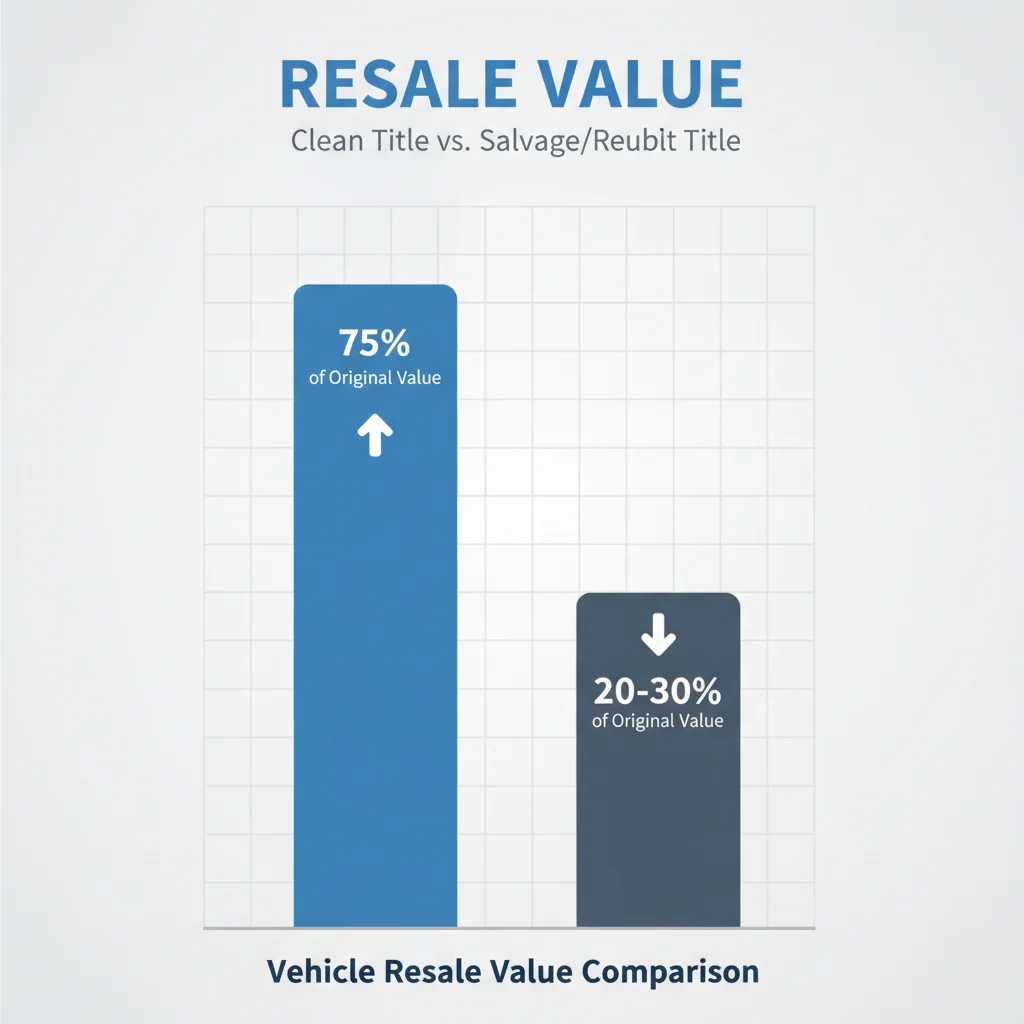
| Typical resale value reduction for a rebuilt title | 20–40% (Industry estimates, varies by vehicle type and market) |
| Typical resale value reduction for a salvage title | 40–60% (Industry estimates, varies by vehicle type and market) |
| Federal law governing odometer fraud disclosure | Truth in Mileage Act (49 U.S.C. § 32701) |
| Vehicle history databases that report title brands | NMVTIS, Carfax, AutoCheck |
Why Title Brands Matter to Every Buyer and Seller
A vehicle title is more than proof of ownership — it's a permanent record of a car's most significant events. When a car sustains major damage, passes through an insurance claim, or fails to meet a manufacturer's warranty obligations, the state motor vehicle agency attaches a title brand: an official designation that follows the vehicle for life, no matter how many times it changes hands.
For sellers, understanding these brands is not optional. Most states require sellers to disclose branded title status in writing before a sale is finalized. Failing to do so can expose a seller to fraud liability, civil lawsuits, and even criminal charges. For buyers, title brands directly affect insurance options, resale value, and financing eligibility.
This glossary defines every major title brand you're likely to encounter in the U.S. market. Use it as a quick-reference before you buy, sell, or run a vehicle history report. If you want a deeper walkthrough of how each designation affects risk and insurability, see our Title Types Decoded guide.
| Number of title brand types in common U.S. use | 10+ (NMVTIS National Motor Vehicle Title Information System) |
| States that require written disclosure of salvage titles | All 50 (Federal NMVTIS reporting mandate, enforced at state level) |
| Typical resale value reduction for a rebuilt title | 20–40% (Industry estimates, varies by vehicle type and market) |
| Typical resale value reduction for a salvage title | 40–60% (Industry estimates, varies by vehicle type and market) |
| Federal law governing odometer fraud disclosure | Truth in Mileage Act (49 U.S.C. § 32701) |
| Vehicle history databases that report title brands | NMVTIS, Carfax, AutoCheck |
The Core Title Brand Definitions
The following brands are the most commonly encountered across U.S. states. Exact language varies by state — some use "salvage" where others say "total loss" — but the underlying meanings are consistent.
Clean Title
A title with no brands or designations indicating prior significant damage, insurance total-loss events, or legal issues. A clean title does not guarantee the vehicle has no history — it means no formal brand has been applied by a state agency.
Salvage Title
Issued when an insurance company declares a vehicle a total loss — typically because repair costs exceed a set percentage (usually 75–90%) of the vehicle's actual cash value. A salvage vehicle cannot be legally driven until it is repaired and passes a state inspection.
Rebuilt Title
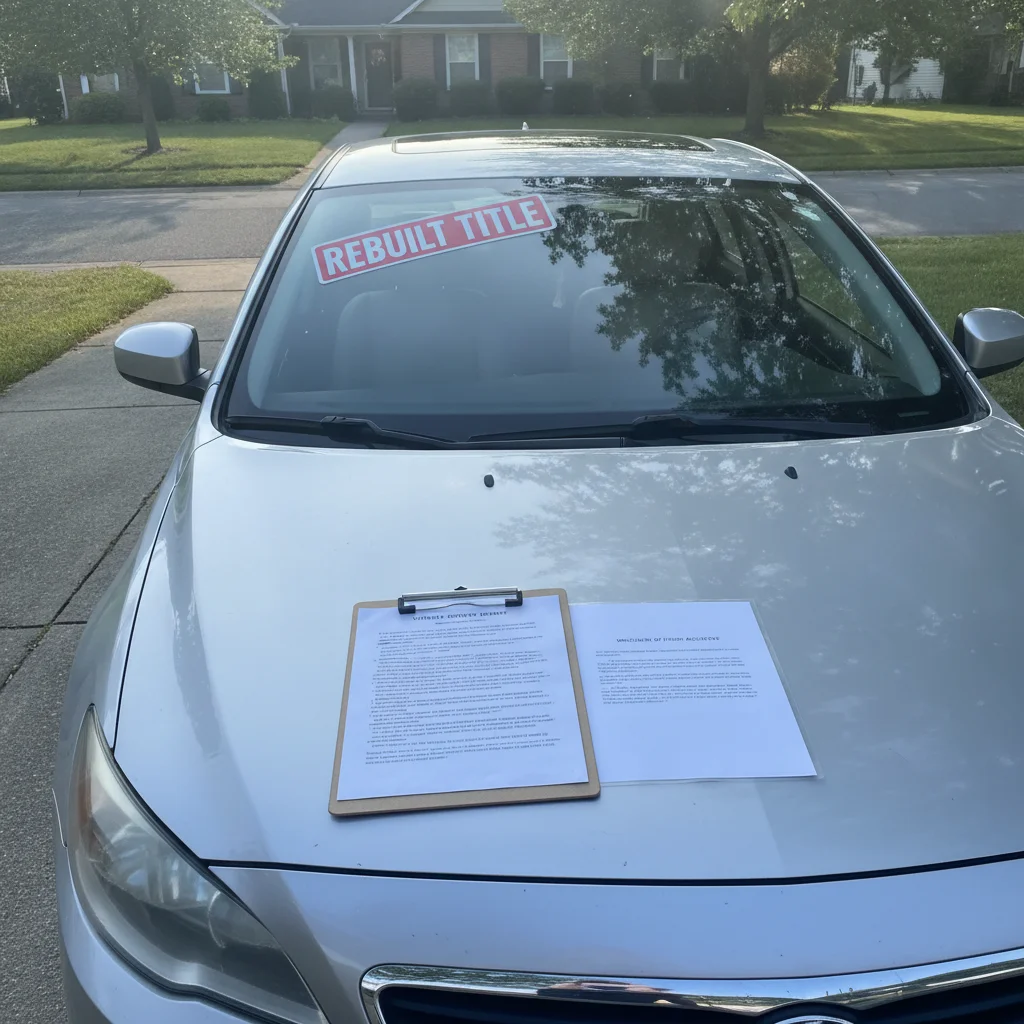
A title issued after a salvage-branded vehicle has been repaired and passed a state inspection certifying it is roadworthy. The vehicle may be registered and driven legally, but the rebuilt designation remains on the title permanently.
Flood Title
Issued when a vehicle has sustained water damage — typically from flooding — significant enough to be declared a total loss by an insurer or flagged by a state agency. Flood-damaged vehicles carry elevated long-term electrical and corrosion risks.
Lemon Law Buyback
A title brand applied when a manufacturer repurchases a vehicle under a state's lemon law because the vehicle had defects that could not be repaired within a reasonable number of attempts. The brand must be disclosed in any subsequent sale.
Odometer Rollback
A brand or notation indicating that the recorded mileage on a vehicle is suspected or confirmed to be less than the actual mileage driven. This may result from tampering with the odometer and is a federal offense under the Truth in Mileage Act.
Junk Title
Issued when a vehicle is declared unfit for road use and is intended only for parts or scrap. A junk title is essentially permanent — most states do not allow a junked vehicle to be re-titled for road registration.
Certificate of Destruction
An extreme designation indicating a vehicle must be permanently destroyed — typically because it poses an unrepairable safety risk. Unlike a salvage title, a certificate of destruction cannot be converted into a rebuilt title.
Hail Damage Title
Some states issue a distinct brand for vehicles that have sustained significant hail damage, separate from a general salvage designation. The vehicle may still be drivable but the cosmetic and structural damage is formally recorded.
Theft Recovery
A brand applied when a vehicle was reported stolen, an insurance claim was paid out, and the vehicle was later recovered. The prior theft event is permanently noted on the title, which can affect insurability and resale value.
Prior Taxi / Rental
Some states note when a vehicle has served in a commercial capacity as a taxi or rental fleet vehicle. This indicates higher accumulated mileage and potentially accelerated wear relative to privately-owned vehicles of the same age.
True Mileage Unknown
A notation indicating the vehicle's actual mileage cannot be verified — often because the odometer malfunctioned, was replaced, or because documentation is insufficient to confirm the reading. Not the same as odometer rollback, but still a red flag for buyers.
A Note on State Variation
Not every state uses every brand listed here. Some states combine flood and salvage into a single category. Others have unique designations like "parts only" or "certificate of destruction" that permanently prohibit road registration. Always verify the specific language used by your state's DMV before preparing title transfer paperwork.
State DMV Language Varies Significantly
While the concepts behind title brands are consistent, the exact terminology printed on your title certificate depends on your state. "Salvage" in one state may be "total loss" in another. Before completing any title transfer, verify the specific language your state uses for each designation on the official DMV website. Using the wrong term in a disclosure form can create legal ambiguity that complicates the sale.
Flood Damage Doesn't Always Generate a Brand
A flood-damaged vehicle only receives a formal title brand if an insurance claim is filed and the insurer declares it a total loss, or if a state agency flags it through another process. Many flood-damaged vehicles — especially those repaired quickly and resold privately — never receive a formal brand. This is why buyers should always run a vehicle history report and order an independent pre-purchase inspection, regardless of what a clean title implies.
Consulting an Attorney Before Selling a Complex Title
If your vehicle has a rebuilt title, an odometer discrepancy notation, or any other complex brand, consider a brief consultation with a consumer protection or real estate attorney in your state before listing. Disclosure missteps — even unintentional ones — can result in post-sale disputes, civil liability, and in serious cases, criminal fraud charges. The cost of a one-hour consultation is minimal compared to the risk of a contested sale.
Understanding these brands is especially critical if you're selling a rebuilt or flood-damaged vehicle. The law in most states requires you to hand over written disclosure before accepting payment — not after. See our detailed breakdown in what sellers must disclose on rebuilt title vehicles.
Key Statistics: How Title Brands Affect Vehicle Markets
Title brands have measurable, significant effects on resale value, financing access, and buyer behavior. The data below illustrates why sellers with branded titles face a different marketplace than those with clean titles.
77%
Buyers who won't purchase a salvage-branded vehicle
According to a survey by iSeeCars.com analyzing buyer preferences across branded and clean-title used car listings.
20–50%
Average price discount for branded title vehicles
Industry consensus estimate based on auction data and private party sales; the exact range depends on brand type and vehicle condition.
800,000+
Vehicles declared total loss each year in the U.S.
Estimated annual volume reported by the National Motor Vehicle Title Information System (NMVTIS), driven primarily by collision and weather events.
30%
Salvage vehicles that re-enter the road as rebuilt titles
Approximate share of salvage vehicles that are repaired, inspected, and re-titled as rebuilt, per NICB and industry data.
These figures underscore why transparency matters. Buyers who discover a title brand after purchase — especially one the seller concealed — almost universally walk away from future deals or pursue legal remedies. For more on how title history shapes negotiating power and deal outcomes, read our article on why buyers reject cars with unclear title history.
Seller Disclosure Requirements by Brand Type
Disclosure requirements are not uniform across states, but the general framework is consistent: if the title carries a brand, the seller must inform the buyer — in writing — before money changes hands. Here's how the obligation breaks down by brand type.
Salvage Titles
All 50 states require sellers to disclose a salvage designation. Most require that the title document itself be handed to the buyer showing the brand. You cannot legally transfer a salvage title as though it were clean. The brand appears directly on the printed title certificate.
Rebuilt or Reconstructed Titles
Sellers of rebuilt vehicles must disclose the rebuilt status and — in many states — provide documentation of the repairs performed. This often includes itemized repair receipts, inspection certificates from a licensed inspector, and photos taken during the rebuild. States including California, Texas, Florida, and New York all have specific rebuilt disclosure checklists.
Flood-Damaged Titles
Flood titles trigger the same disclosure rules as salvage titles in most states. The complication here is that not all flood-damaged cars receive a branded title — some escape branding if they are repaired and resold before an insurance claim is filed. This is why independent inspections and vehicle history reports (such as Carfax or AutoCheck) are essential, even when a title appears clean.
Lemon Law Buyback Titles
When a manufacturer repurchases a vehicle under lemon law, the resulting title is branded. Federal law under the Magnuson-Moss Warranty Act requires that the brand be disclosed if the manufacturer resells the vehicle. Many states go further and require the brand to appear on the face of the title.
Odometer Rollback or Fraud Brands
If a title carries an odometer discrepancy or fraud brand, federal law (the Truth in Mileage Act) requires disclosure. This is one of the most serious brands because it signals intentional deception in the vehicle's history.
State DMV Language Varies Significantly
While the concepts behind title brands are consistent, the exact terminology printed on your title certificate depends on your state. "Salvage" in one state may be "total loss" in another. Before completing any title transfer, verify the specific language your state uses for each designation on the official DMV website. Using the wrong term in a disclosure form can create legal ambiguity that complicates the sale.
Flood Damage Doesn't Always Generate a Brand
A flood-damaged vehicle only receives a formal title brand if an insurance claim is filed and the insurer declares it a total loss, or if a state agency flags it through another process. Many flood-damaged vehicles — especially those repaired quickly and resold privately — never receive a formal brand. This is why buyers should always run a vehicle history report and order an independent pre-purchase inspection, regardless of what a clean title implies.
Consulting an Attorney Before Selling a Complex Title
If your vehicle has a rebuilt title, an odometer discrepancy notation, or any other complex brand, consider a brief consultation with a consumer protection or real estate attorney in your state before listing. Disclosure missteps — even unintentional ones — can result in post-sale disputes, civil liability, and in serious cases, criminal fraud charges. The cost of a one-hour consultation is minimal compared to the risk of a contested sale.
If you're unsure whether your vehicle qualifies for a title brand or how to handle disclosure in your state, reviewing your state's DMV website is the fastest route to the official requirements. Consulting a consumer protection attorney is advisable before listing any vehicle with a complex title history.
How Title Brands Affect Financing and Insurance
Branded titles create real friction in two areas that matter enormously to buyers: getting a loan and getting insured.
Auto Loan Eligibility
Most major banks and credit unions will not finance a salvage title vehicle at all. Rebuilt titles may qualify for financing at some lenders, but the loan-to-value ratios are typically far lower — meaning the buyer must bring a larger down payment. Specialty lenders who work with branded titles usually charge higher interest rates to offset the perceived risk.
Insurance Coverage
Liability-only coverage is generally available for rebuilt title vehicles. Comprehensive and collision coverage — the types that pay out if the car is stolen or damaged again — are harder to obtain. When insurers do offer full coverage on a rebuilt vehicle, they often cap the payout at a steep discount to the vehicle's market value, reflecting the uncertainty around the car's structural integrity. For a deeper look at how insurance companies handle branded vehicles, the Complete Auto Insurance Claims Glossary covers salvage value, total loss determinations, and related terms in detail.
Resale Downstream
Every subsequent buyer in the chain inherits the title brand. There is no way to remove a brand once it is applied — a rebuilt title remains a rebuilt title indefinitely. This means each future sale will face the same negotiating headwinds the current seller faces today. Preparing your vehicle as thoroughly as possible — detailing, service records, inspection reports — helps offset some buyer skepticism. See our Detailing & Repairs hub for practical prep steps that can improve a branded vehicle's curb appeal.

NMVTIS Vehicle History Lookup
The National Motor Vehicle Title Information System (NMVTIS) is the federal database that tracks title brands, odometer readings, and salvage designations across all 50 states. Use approved providers to run an NMVTIS report before buying or selling any used vehicle.
Carfax Vehicle History Report
One of the most widely used commercial vehicle history services, Carfax aggregates title records, accident reports, service history, and odometer readings. Essential for buyers and useful for sellers who want to provide documentation of their vehicle's history.
State DMV Title Branding Guide
Each state's Department of Motor Vehicles publishes guidance on which title brands it recognizes, how they are applied, and what disclosure forms sellers must complete. Check your specific state DMV website for the official requirements.
NICB VINCheck
The National Insurance Crime Bureau's free VIN lookup tool flags vehicles reported as stolen or as total losses by participating insurers. A quick first check before committing to any used vehicle purchase.
FTC Guide to Buying a Used Car
The Federal Trade Commission's consumer guide covers title history, the Buyers Guide (window sticker) requirements, and your rights when purchasing from a dealer or private seller. Especially useful if you suspect undisclosed title issues.
Quick Action Checklist for Sellers With Branded Titles
If you're preparing to sell a vehicle with any title brand, use the following checklist to stay legally protected and maximize buyer confidence.
- Pull a current vehicle history report (Carfax, AutoCheck, or the NMVTIS database) to confirm what brands appear and verify the accuracy of the mileage record.
- Gather all repair documentation — for rebuilt titles, this means invoices, photos, and inspection certificates. Buyers and their lenders will ask for these.
- Confirm your state's disclosure form requirements. Some states have standardized disclosure forms; others allow a written statement. Use the correct format for your state.
- Price realistically. Branded vehicles typically sell for 20–50% below comparable clean-title vehicles. Overpricing a rebuilt or salvage car stalls the listing and erodes trust when you eventually reduce.
- Offer a pre-sale inspection. Allowing a buyer to take the car to an independent mechanic demonstrates good faith and can significantly accelerate a sale.
- Be explicit in your listing. Disclose the title brand in the headline or first line of any listing description. Hiding it until negotiation damages trust and may expose you to fraud claims.
Sellers who follow these steps consistently close faster and face fewer post-sale disputes. For a comprehensive look at what happens when title history is unclear or undisclosed, read our guide on why buyers reject cars with unclear title histories.

All claims are backed by peer-reviewed research. Sources on request.