Key Takeaways
When you hear a new noise, try to reproduce it intentionally — windows down, radio off — and note exactly what inputs trigger it. This single habit cuts diagnostic time in half.
Technicians charge by the hour. A driver who can say 'it clicks only when turning left at slow speeds in cold weather' gives the tech a head start that saves real money.
Smell your oil cap: if it smells sweet or you see a white mayonnaise-like residue on the underside, stop driving and have the cooling system tested immediately before starting the engine again.
Coolant mixing with engine oil (a classic head gasket symptom) destroys bearing surfaces quickly. Catching it at the oil-cap stage, before overheating occurs, can save the engine entirely.
Keep a small piece of cardboard under your car overnight after any new noise or smell — it shows you instantly if there's a leak and gives you a color sample to bring to the shop.
Fluid color is the fastest diagnostic shortcut for identifying the leaking system, and showing a tech the actual stained cardboard is more accurate than a verbal description.
If your temperature gauge climbs above the midpoint, turn off the A/C and turn the cabin heat to maximum — it draws heat from the coolant and buys you a few minutes to reach safety.
The heater core acts as a secondary radiator. This technique is a legitimate short-term measure taught in automotive training programs for exactly this scenario.
Invest $30 in a Bluetooth OBD-II scanner and a free app — it reads the same fault codes a shop does, giving you context before any estimate is written.
Knowing your own codes prevents upselling and lets you research the fault before the appointment. It also lets you verify that a claimed repair actually cleared the underlying code.
Why Early Detection Saves You Thousands
Think of your car the same way you'd think about a small roof leak. Ignore it for a season and you're patching shingles. Wait another year and you're replacing rafters. Vehicles communicate distress in exactly the same progressive way — a whisper first, then a shout, then a catastrophic failure.
The numbers bear this out. A worn brake pad caught at 3mm costs roughly $150–$250 per axle to replace. Drive those pads down to metal-on-metal contact and you've added rotor replacement, potentially caliper damage, and a repair bill that easily tops $800–$1,200. A minor coolant leak identified early might cost $50 in a hose and an hour of labor. Miss it until the engine overheats, and a head gasket replacement can run $1,500–$3,000 or more.
$1,200+
Average cost of neglected brake repair
Brake pad replacement ignored until metal-on-metal contact typically adds rotor and caliper damage, multiplying repair costs 4–6x.
35%
Of roadside breakdowns preventable by inspection
According to AAA, more than one-third of roadside assistance calls involve issues that could have been caught during routine vehicle inspection.
$3,000
Typical head gasket replacement cost
A coolant leak caught early may cost under $100 to repair; the same leak ignored until the engine overheats can require a head gasket job at $1,500–$3,000.
10 PSI
Underinflation that triggers blowout risk
The NHTSA estimates that tires underinflated by 25% (roughly 8–10 PSI on a standard passenger tire) are three times more likely to be involved in a crash.
5 min
Monthly under-hood check time needed
A structured five-minute monthly inspection of oil, coolant, brakes, belts, and hoses catches the majority of developing mechanical issues.
This guide covers every major channel through which your vehicle communicates trouble — dashboard indicators, unusual sounds, strange smells, physical sensations through the seat and steering wheel, visual clues under the hood, and what you find in your driveway. Each section tells you what the symptom means, how urgent it is, and what ignoring it is likely to cost.
If you've ever dismissed an unfamiliar noise as "probably nothing," this guide is for you. And if you're shopping for a used car, the same checklist applies on every test drive and inspection — these warning signs don't care whether you're the current owner or a prospective buyer.
Dashboard Warning Lights: The First Line of Communication
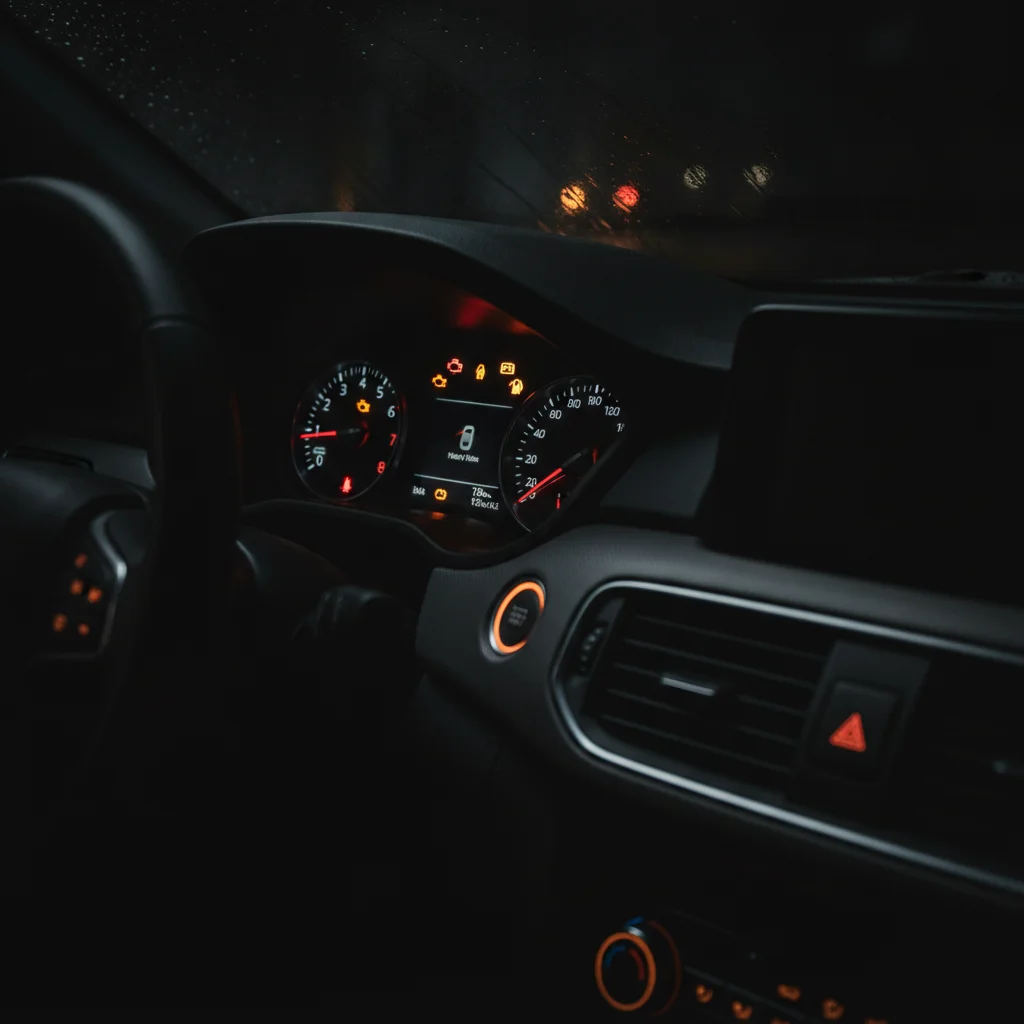
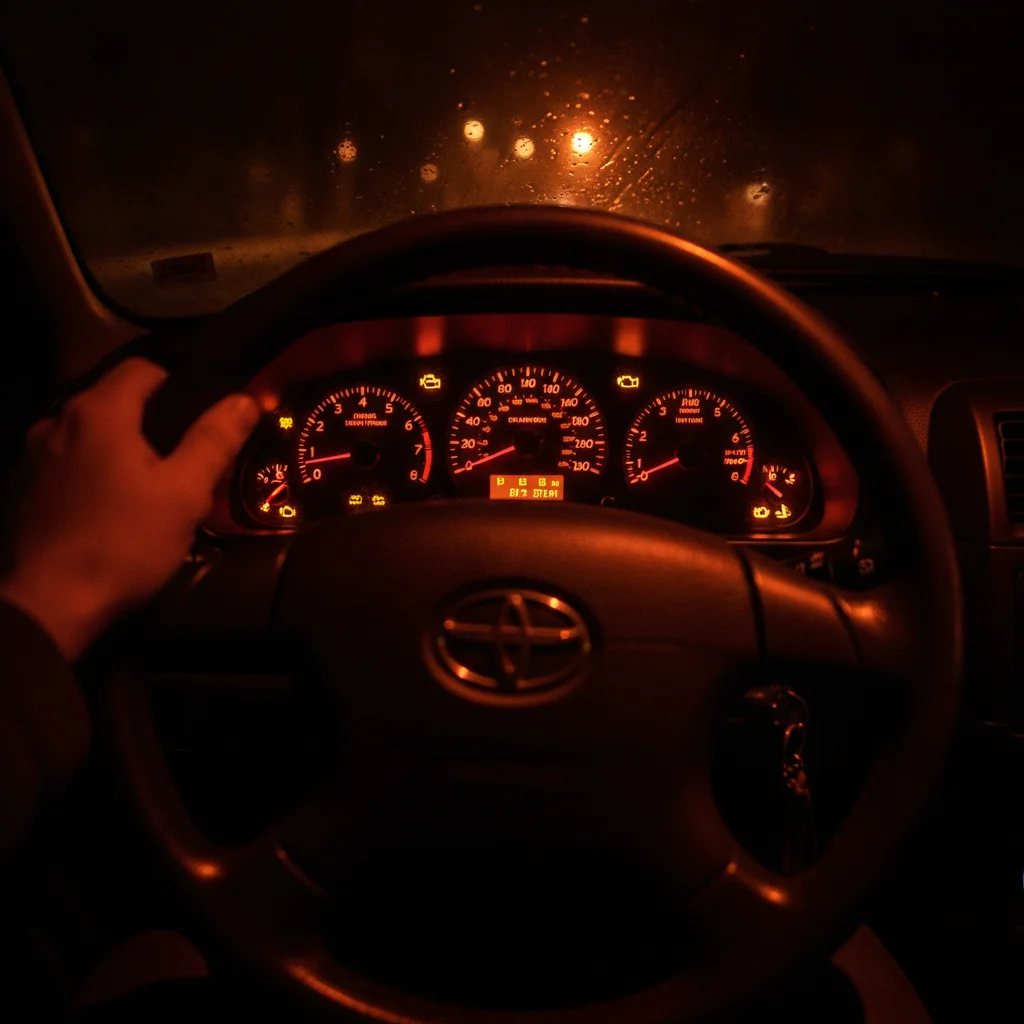
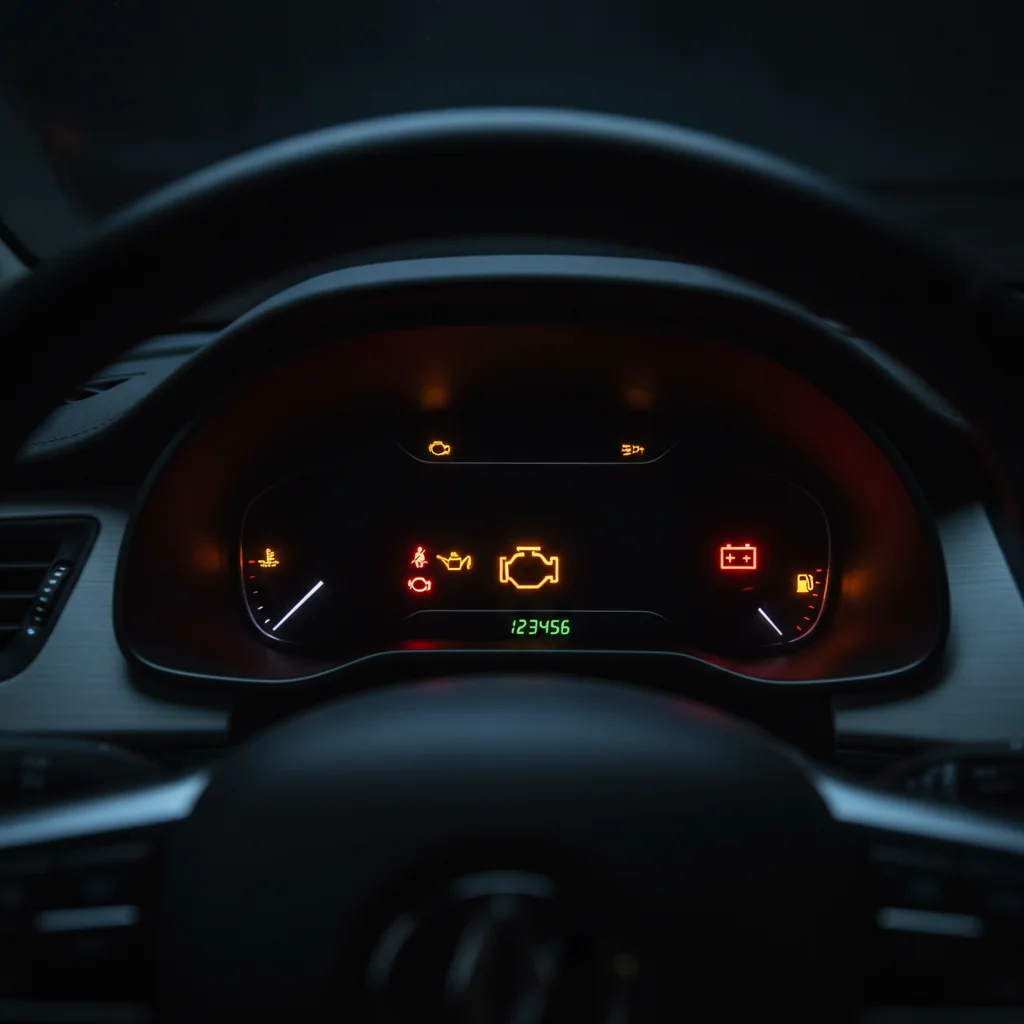
Modern vehicles monitor dozens of systems simultaneously and surface problems through a standardized color-coded warning system. Understanding the color hierarchy is the single most important thing a driver can know about dashboard lights.
The Color Code
- Red: Stop the vehicle safely as soon as possible. Something critical — oil pressure, coolant temperature, brake system — requires immediate attention. Driving on with a red light risks engine seizure, fire, or loss of braking.
- Amber/Yellow: A system needs service but hasn't reached the critical threshold yet. Drive carefully and schedule an appointment within the next day or two.
- Blue/Green: Informational. A system is active (high beams, turn signal, cruise control). No action required.
The Lights Drivers Most Often Mishandle
- Check Engine (MIL)
- The most misunderstood light in the industry. A steady amber check engine light can mean anything from a loose gas cap to a misfiring cylinder. A flashing check engine light means an active misfire is occurring — raw fuel is entering the catalytic converter and damaging it in real time. Pull over when it's flashing. For a detailed breakdown of every dashboard symbol, see our complete dashboard warning light reference.
- Oil Pressure Warning
- This is a red light that means stop now. Low oil pressure starves engine bearings of lubrication. Within minutes, you can cause scoring damage that costs more to repair than many cars are worth. Pull over, shut off the engine, check the oil level. Do not restart and drive to a shop — call for a tow.
- TPMS (Tire Pressure)
- Many drivers ignore this one. A 10 PSI underinflated tire runs hotter, wears unevenly, and significantly increases blowout risk at highway speeds. Add air and check for a slow leak.
- Battery / Charging System
- This light means the alternator is no longer charging the battery. Your car is running on battery reserve — typically 20–40 minutes of driving time. Head directly to a shop without running unnecessary electronics.
Not sure whether your specific warning light demands a roadside stop or a scheduled appointment? Our guide to triaging dashboard alerts walks through the decision in detail.
When you hear a new noise, try to reproduce it intentionally — windows down, radio off — and note exactly what inputs trigger it. This single habit cuts diagnostic time in half.
Technicians charge by the hour. A driver who can say 'it clicks only when turning left at slow speeds in cold weather' gives the tech a head start that saves real money.
Smell your oil cap: if it smells sweet or you see a white mayonnaise-like residue on the underside, stop driving and have the cooling system tested immediately before starting the engine again.
Coolant mixing with engine oil (a classic head gasket symptom) destroys bearing surfaces quickly. Catching it at the oil-cap stage, before overheating occurs, can save the engine entirely.
Keep a small piece of cardboard under your car overnight after any new noise or smell — it shows you instantly if there's a leak and gives you a color sample to bring to the shop.
Fluid color is the fastest diagnostic shortcut for identifying the leaking system, and showing a tech the actual stained cardboard is more accurate than a verbal description.
If your temperature gauge climbs above the midpoint, turn off the A/C and turn the cabin heat to maximum — it draws heat from the coolant and buys you a few minutes to reach safety.
The heater core acts as a secondary radiator. This technique is a legitimate short-term measure taught in automotive training programs for exactly this scenario.
Invest $30 in a Bluetooth OBD-II scanner and a free app — it reads the same fault codes a shop does, giving you context before any estimate is written.
Knowing your own codes prevents upselling and lets you research the fault before the appointment. It also lets you verify that a claimed repair actually cleared the underlying code.
Sounds Your Car Should Never Make
Sound diagnosis is an art form in the shop. Experienced technicians can often narrow a problem to a specific component before they've touched the car — just from a driver's description of the noise. The key variables are: when the sound occurs, where it seems to come from, and whether it changes with speed, steering input, or braking.
Grinding or Metal-on-Metal Scraping
When braking: worn brake pads have reached the wear indicator or metal backing plate. Service immediately — this is a safety issue, not an inconvenience.
When turning at low speeds: could be a CV axle joint failing, a worn ball joint, or power steering rack issues. CV joints often announce themselves as a rhythmic clicking or clunking on tight turns.
Knocking or Pinging From the Engine
A steady knock that deepens at higher RPM is often a rod bearing warning — internal engine damage that can progress to catastrophic failure. A lighter pinging or "spark knock" under acceleration typically indicates detonation (wrong fuel octane or engine timing issues). Address detonation quickly; it erodes pistons over time.
Squealing or Whining
- High-pitched squeal on startup that fades: Serpentine belt slipping, often because it's glazed or tensioner is weak.
- Whine that increases with vehicle speed: Wheel bearing. The pitch changes when you gently sway the car at highway speed — a strong indicator of which side is failing.
- Whine when turning the steering wheel: Low power steering fluid or a failing power steering pump.
Clunking Over Bumps
Clunks from the front end on rough roads point to worn strut mounts, ball joints, or sway bar end links. These are chassis components that affect handling and alignment. A car that clunks over every pothole isn't just annoying — it's indicating worn safety-critical hardware.
Never Dismiss a Clunk as Normal Settling
Chassis clunks on rough roads are frequently brushed off as an aging car "just being itself." In reality, worn ball joints and tie rod ends are failure-prone under hard cornering or sudden obstacle avoidance — exactly the conditions that arise in an emergency. If your car clunks over bumps, have the front-end components inspected before the next highway trip.
Brake and Steering Issues Are Never "Wait and See"
Unlike an engine noise that might mean a minor accessory failure, problems with brakes and steering directly compromise your ability to control the vehicle in an emergency. Any sudden change in brake pedal feel or steering response should be treated as an immediate safety concern, not a future appointment.
Hissing or Bubbling After Engine Shutdown
A hiss from under the hood after you turn off the engine can be steam from a coolant leak hitting hot engine surfaces, or a vacuum leak in an intake hose. Either warrants investigation before your next drive.
As we explain in Why Your Check Engine Light Isn't the Only Warning Sign Worth Watching, sounds and smells often surface before any dashboard light ever illuminates — which is exactly why they're worth taking seriously.
Smells That Signal a Problem
Your nose is one of the most underused diagnostic tools you have. Most drivers roll down the window and move on. A trained nose catches leaks, overheating components, and electrical faults before they become visible symptoms.
Burning Oil
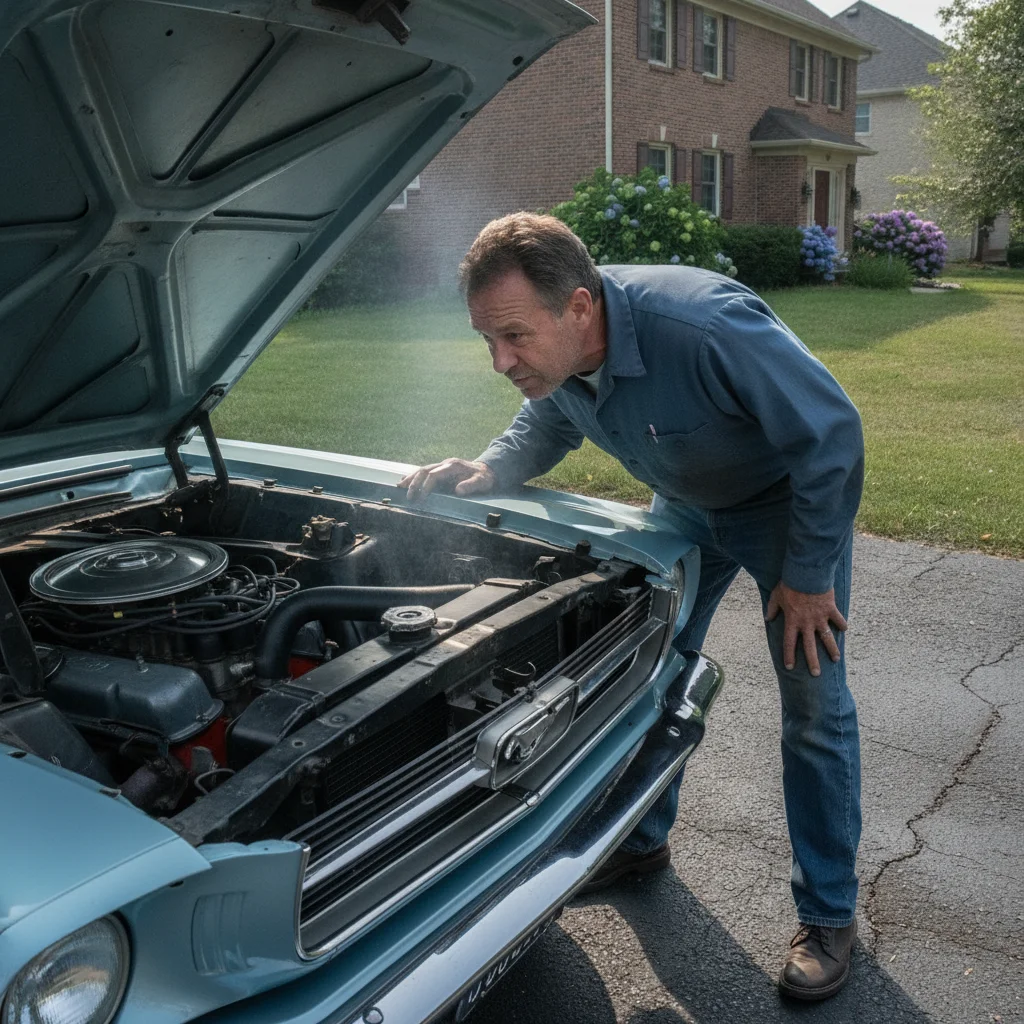
An acrid, slightly smoky smell — often noticeable at idle or after spirited driving — usually means oil is dripping onto a hot exhaust component. Check for an oil leak on the valve cover gasket, oil pan gasket, or rear main seal. Oil on a 900°F exhaust manifold is also a fire risk if the drip is significant.
Burning Rubber or Plastic
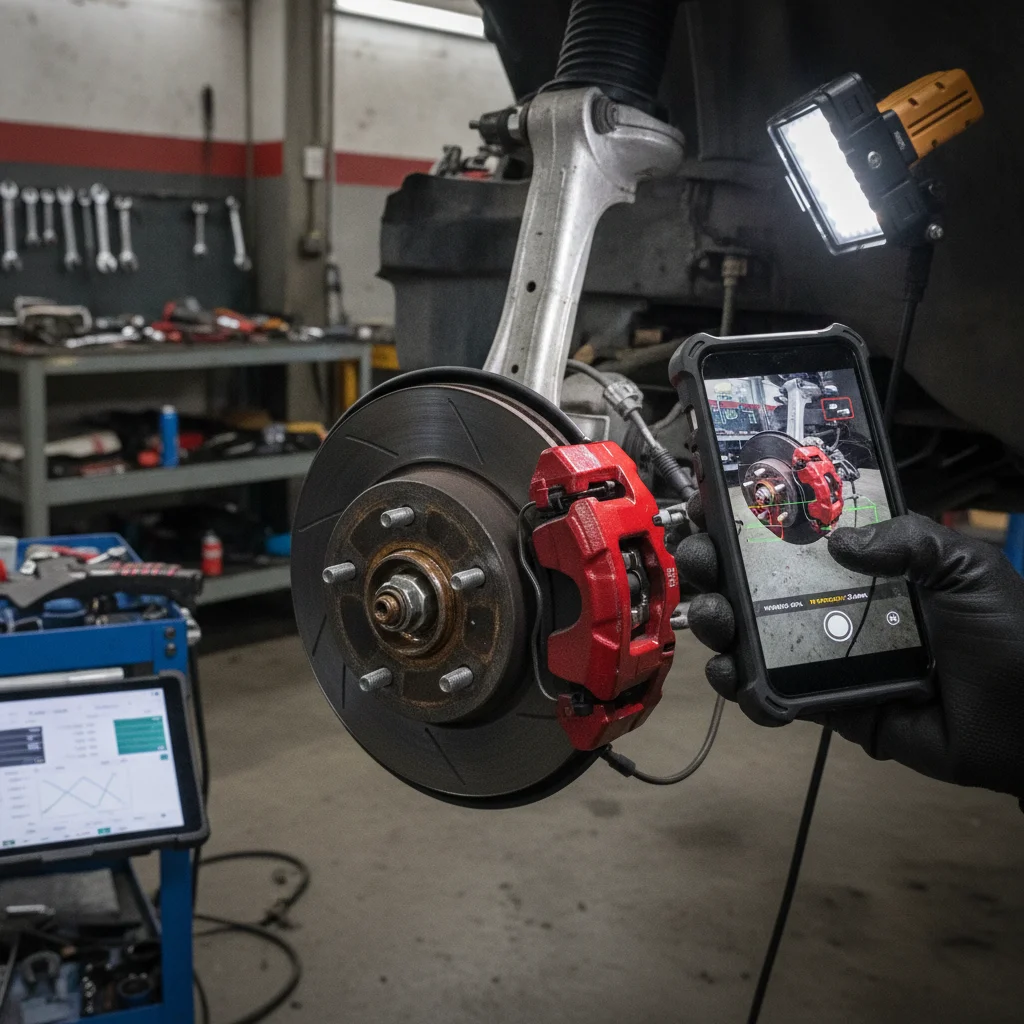
Most often an electrical short causing insulation to melt, a brake caliper that has seized and is dragging a rotor, or a serpentine belt slipping against a frozen pulley. Any of these deserve immediate attention. A seized caliper also destroys the rotor rapidly and can cause the car to pull dangerously under braking.
Sweet or Syrupy Smell
Coolant (antifreeze) has a distinctly sweet odor. If you smell it inside the cabin, your heater core may be leaking — coolant mist enters through the HVAC system. Outside the car, it points to a leaking radiator, hose, or water pump. Coolant on a hot engine also produces white smoke from the exhaust.
Rotten Eggs or Sulfur
A sulfur smell from the exhaust typically means the catalytic converter is not processing exhaust gases completely. This can result from a failing catalytic converter, a rich-running engine (too much fuel), or a faulty oxygen sensor. A failing cat is an expensive fix — often $800–$2,500 — but catching the root cause (a bad O2 sensor at $50) first can save significant money.
Raw Fuel
The smell of unburned gasoline — not just at a gas station — can indicate a fuel system leak, an overly rich air-fuel mixture, or a flooded engine. A fuel leak near a hot exhaust system is a fire risk. Do not ignore this smell.
A Fuel Smell Inside the Cabin Is an Emergency
Raw fuel odor inside the passenger compartment — not from an external source like a gas station — indicates a possible fuel leak near hot engine or exhaust components. This is a fire risk. Pull over safely, turn off the engine, exit the vehicle, and do not re-enter until the source has been identified and secured. Call for a tow, not roadside assistance.
Milky Oil Means Stop Driving Now
If your oil appears milky gray or has a frothy, caramel-like consistency, coolant is mixing with the engine oil — a classic sign of a blown head gasket or cracked block. Continuing to drive circulates this mixture through engine bearings, causing accelerating wear. Have the vehicle towed for diagnosis. The cost difference between catching this early and driving on it can be an entire engine replacement.
Physical Symptoms: What You Feel Behind the Wheel
Your body processes a surprising amount of information about vehicle health through the seat, steering wheel, and pedals. These tactile clues are often the first indication of developing chassis, brake, and drivetrain problems.
Vibration
- Vibration at highway speeds that smooths at lower speed: Tire balance issue or a bent wheel. Inexpensive to fix, but driving on an unbalanced tire accelerates wear on wheel bearings and causes uneven tread wear.
- Vibration only under braking: Warped brake rotors. The steering wheel shudder is the rotor's high and low spots passing under the brake pad. Resurface or replace the rotors.
- Vibration throughout the cabin at all speeds: Could be a failing universal joint, a worn engine or transmission mount, or a significantly out-of-round tire.
Pulling
A car that pulls to one side on a straight road most commonly has a tire pressure imbalance, an alignment problem, or uneven brake wear (if the pull happens only when braking). Alignment issues also cause premature and uneven tire wear, so a $100 alignment job protects $600–$1,200 in tires.
Brake Pedal Feel
- Soft or spongy pedal: Air in the brake lines or a failing master cylinder. This is a safety-critical symptom — braking performance is compromised. Do not drive until inspected.
- Pedal pulsation under braking: Warped rotors, as described above.
- Pedal that sinks to the floor: Brake fluid leak or master cylinder failure. Pull over immediately.
Steering Feel
Excessive play in the steering wheel (you can move it several degrees without the wheels responding), or a steering wheel that vibrates at a specific speed range, both point to worn steering components. Modern electric power steering systems can also develop faults that cause intermittent loss of assist — usually accompanied by a warning light.
When you hear a new noise, try to reproduce it intentionally — windows down, radio off — and note exactly what inputs trigger it. This single habit cuts diagnostic time in half.
Technicians charge by the hour. A driver who can say 'it clicks only when turning left at slow speeds in cold weather' gives the tech a head start that saves real money.
Smell your oil cap: if it smells sweet or you see a white mayonnaise-like residue on the underside, stop driving and have the cooling system tested immediately before starting the engine again.
Coolant mixing with engine oil (a classic head gasket symptom) destroys bearing surfaces quickly. Catching it at the oil-cap stage, before overheating occurs, can save the engine entirely.
Keep a small piece of cardboard under your car overnight after any new noise or smell — it shows you instantly if there's a leak and gives you a color sample to bring to the shop.
Fluid color is the fastest diagnostic shortcut for identifying the leaking system, and showing a tech the actual stained cardboard is more accurate than a verbal description.
If your temperature gauge climbs above the midpoint, turn off the A/C and turn the cabin heat to maximum — it draws heat from the coolant and buys you a few minutes to reach safety.
The heater core acts as a secondary radiator. This technique is a legitimate short-term measure taught in automotive training programs for exactly this scenario.
Invest $30 in a Bluetooth OBD-II scanner and a free app — it reads the same fault codes a shop does, giving you context before any estimate is written.
Knowing your own codes prevents upselling and lets you research the fault before the appointment. It also lets you verify that a claimed repair actually cleared the underlying code.
Clutch and Transmission Symptoms
A manual clutch that slips (engine revs climb but speed doesn't increase proportionally) is nearing end-of-life. An automatic transmission that hesitates between shifts, slips into neutral unexpectedly, or shudders during gear changes needs fluid and filter service at minimum — and potentially a rebuild if ignored.
Under the Hood: Visual Inspection Checklist
You don't need to be a mechanic to perform a meaningful under-hood inspection. Once a month — or before any long trip — a 5-minute check can catch developing problems before they strand you on the highway.
Five Checks That Take Less Than Five Minutes
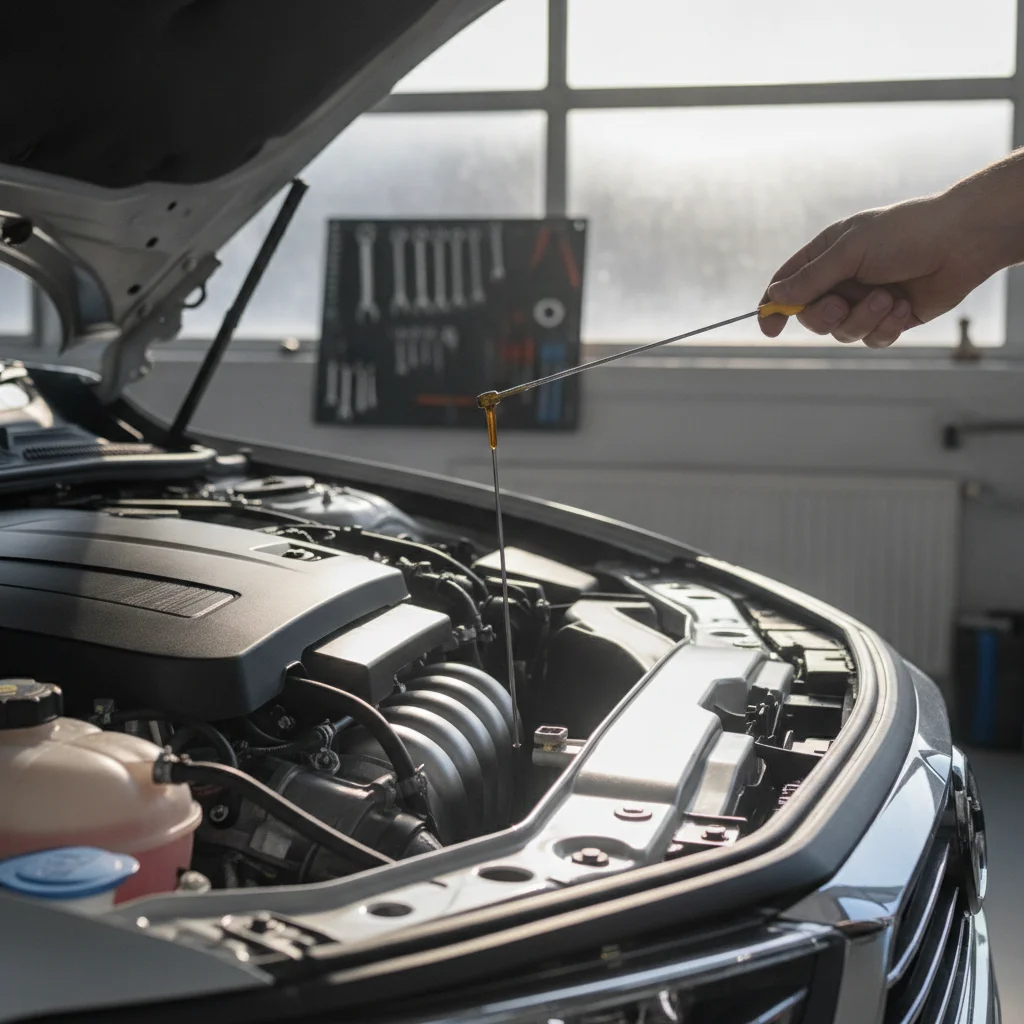
- Engine oil level and condition: Pull the dipstick, wipe it clean, reinsert fully, then check the reading. Oil should be between the MIN and MAX marks. Color matters: golden-amber is good, dark brown is overdue for a change, milky gray-white means coolant is mixing with the oil — a head gasket warning.
- Coolant level: Check the translucent overflow reservoir (never open the radiator cap on a hot engine). The level should be between MIN and MAX. Coolant that's brown or has debris floating in it needs to be flushed.
- Brake fluid level: Visible through the translucent reservoir on the master cylinder. A dropping level can mean a leak or it can mean your brake pads are worn (as pads wear, the caliper pistons extend further, pulling fluid from the reservoir). Either way, investigate.
- Belt condition: Look at the serpentine belt for cracking, fraying, or glazing on the inner surface. A belt that fails leaves you stranded and can damage the engine (loss of coolant circulation).
- Hose condition: Squeeze coolant hoses gently. They should be firm and pliable, not rock-hard and brittle or soft and mushy. Look for any staining or wet spots at hose connections.
Do Your Under-Hood Check Cold
Always check fluids when the engine is cold (or has sat for at least 30 minutes after running). Opening a hot coolant system can cause serious burns, and oil readings on a hot engine are less accurate. Make it the first thing you do on a Saturday morning before driving anywhere.
Bring Your Symptom Log to the Appointment
Write down all symptoms before you arrive at the shop — not in the waiting room, but at home. Include when each symptom started, how often it occurs, and any conditions that make it better or worse. A one-page symptom summary can shave 30–60 minutes off your diagnostic bill.
Many of the same checks apply when evaluating a used vehicle. The Test Drives & Inspections hub provides a structured walkthrough of what to look for when buying.
Driveway Clues: Leaks, Tire Wear, and More
What your car leaves behind on the driveway overnight tells a story. A clean, dry driveway after a week of parking is a good sign. Anything else deserves investigation.
Reading Fluid Leaks by Color and Location
| Fluid Color | Likely Source | Urgency |
|---|---|---|
| Light brown to black, oily | Engine oil | Monitor level; inspect seals |
| Reddish, slightly oily | Automatic transmission fluid or power steering fluid | Check level; locate leak |
| Bright green, orange, or pink — sweet smell | Coolant/antifreeze | Urgent — check level before driving |
| Clear, watery (near exhaust pipe) | Normal condensation from exhaust | No action required |
| Clear, slightly slippery | Brake fluid or clutch fluid | Stop driving; safety-critical |
| Dark brown, thin | Differential or gear oil | Schedule service |
Tire Wear Patterns as Diagnostic Tools
Tires wear evenly when a car is properly aligned and maintained. Uneven wear is a symptom, not just a tire problem.
- Wear on both outer edges (cupping): Chronically underinflated tires.
- Center wear: Chronically overinflated tires.
- Wear on one edge only: Alignment problem — camber angle is off.
- Scalloped or cupped pattern across the tread: Worn or damaged shocks/struts allowing the tire to bounce unevenly on the road surface.
- Feathering (smooth on one side, sharp on the other across each tread block): Toe alignment is off.
Some Condensation Is Normal
A small puddle of clear water under the exhaust pipe is normal condensation from the catalytic converter and muffler — especially noticeable on cold mornings or short trips. Similarly, the air conditioning system drains condensate, so a puddle of clear water under the passenger-side front area on a hot day is also normal. The key word is clear: colored or oily fluid is never normal.
Tire Wear Patterns Require Fresh Eyes
Uneven tire wear develops gradually and is easy to miss when you see your car every day. Make it a habit to crouch down at each wheel on a monthly basis and look across the tread surface from a low angle — uneven wear is immediately obvious at that viewing angle but invisible from standing height.
Other Driveway Warning Signs
Examine the exhaust pipe end: heavy black soot indicates a rich-running engine burning excess fuel. White, chalky deposits suggest coolant in the combustion chamber — a potential head gasket problem. Blue smoke visible on startup points to oil burning, often from worn valve seals or piston rings.
How to Triage a Warning Sign: Act Now vs. Schedule It
Not every warning demands that you pull over immediately. But some absolutely do, and confusing the two categories is where serious engine and safety damage happens. Use this framework to make the call quickly.
Stop Driving Immediately
- Red oil pressure warning light
- Temperature gauge in the red zone (engine overheating)
- Flashing check engine light
- Brake pedal goes to the floor or feels spongy suddenly
- Smell of burning combined with smoke from under the hood
- Any steering loss or severe vibration that begins suddenly at speed
- Battery/charging light combined with dimming electronics
Drive Directly to a Shop (Don't Wait)
- Steady brake warning light
- Metal-on-metal grinding when braking
- Coolant smell or steam under the hood (with temp gauge not yet in the red)
- Raw fuel smell
- Sudden, significant increase in engine noise
Schedule Service This Week
- Steady amber check engine light (not flashing)
- TPMS light
- Minor fluid leak (a spot on the driveway, not a puddle)
- Subtle vibration at highway speeds
- One-side tire wear
“The cars that end up as total losses on an engine failure are almost never the ones that had no warning. They're the ones where the driver had three warnings and waited.”
— Derek Tolliver, Automotive maintenance specialist and vehicle diagnostics writer
For a more granular decision guide, our dashboard alert triage guide covers each specific warning light's urgency level.
Documenting Symptoms Before You See a Mechanic
The most expensive words in the shop are "it's not doing it right now." Intermittent symptoms that vanish when a technician is present are notoriously hard — and expensive — to diagnose. Good documentation from the driver changes everything.
What to Record
- When it happens: Cold start? After 20 minutes of driving? Only at highway speeds? Only when turning left? The more specific, the better.
- Frequency and duration: Every time, or once in a while? Does it come and go, or is it constant?
- Associated conditions: Rain? Heat? After a hard brake? After sitting for three days?
- Sound or feel description: Grinding, clicking, shuddering, pulling — be as specific as possible. Record a short video on your phone if the symptom is audible.
- Warning lights: Note exactly which light appeared, whether it was steady or flashing, and whether it went off on its own.
Do Your Under-Hood Check Cold
Always check fluids when the engine is cold (or has sat for at least 30 minutes after running). Opening a hot coolant system can cause serious burns, and oil readings on a hot engine are less accurate. Make it the first thing you do on a Saturday morning before driving anywhere.
Bring Your Symptom Log to the Appointment
Write down all symptoms before you arrive at the shop — not in the waiting room, but at home. Include when each symptom started, how often it occurs, and any conditions that make it better or worse. A one-page symptom summary can shave 30–60 minutes off your diagnostic bill.
Arriving at the shop with a clear, written symptom log reduces diagnostic time significantly — which directly reduces your labor bill. Our dedicated guide on diagnosing a warning sign before visiting a mechanic goes deeper on the pre-visit process, including how to use OBD-II scanners to pull your own fault codes.
What Not to Do
- Don't clear your own fault codes before bringing the car in — that erases the diagnostic data a mechanic needs.
- Don't describe the repair you think is needed — describe the symptom. "It makes a grinding noise when I brake" is far more useful than "I think my brakes need to be replaced."
- Don't wait to see if it "gets better on its own." The rare exception to this is a check engine light triggered by a loose gas cap — tighten the cap, drive a few cycles, and see if it clears. Almost everything else requires investigation.
Dashboard Warning Lights Reference Guide
A complete symbol-by-symbol breakdown of every warning light found in modern vehicles, with specific action steps for each. Essential bookmarked reference for any driver.
OBD-II Code Scanner (Bluetooth)
A Bluetooth OBD-II adapter pairs with a free smartphone app to read the same fault codes your mechanic pulls. Costs $25–$40 and pays for itself on the first visit.
Symptom Documentation Template
A printable one-page form for logging vehicle symptoms — timing, frequency, conditions, sounds, and associated warning lights — to bring to your service appointment.
Test Drives & Inspections Hub
Apply the same warning-sign checklist to used-car shopping. This hub covers what to look, listen, and feel for during any pre-purchase inspection or test drive.
Tire Wear Pattern Diagnostic Chart
Visual reference showing all major tire wear patterns alongside their likely mechanical causes, from alignment issues to shock absorber failure.
Pre-Trip Vehicle Checklist
A five-minute road-trip readiness checklist covering fluids, tires, lights, belts, and hoses — formatted for a quick walk-around before any long drive.
Understanding your vehicle's warning signals is part of being a responsible and cost-aware owner. Whether you're maintaining a car you've had for years or evaluating a used vehicle, the framework in this guide gives you the foundation to catch small problems before they become large ones — and to communicate clearly with the professionals who fix them.

All claims are backed by peer-reviewed research. Sources on request.