Key Takeaways
Why Your Pre-Visit Homework Matters
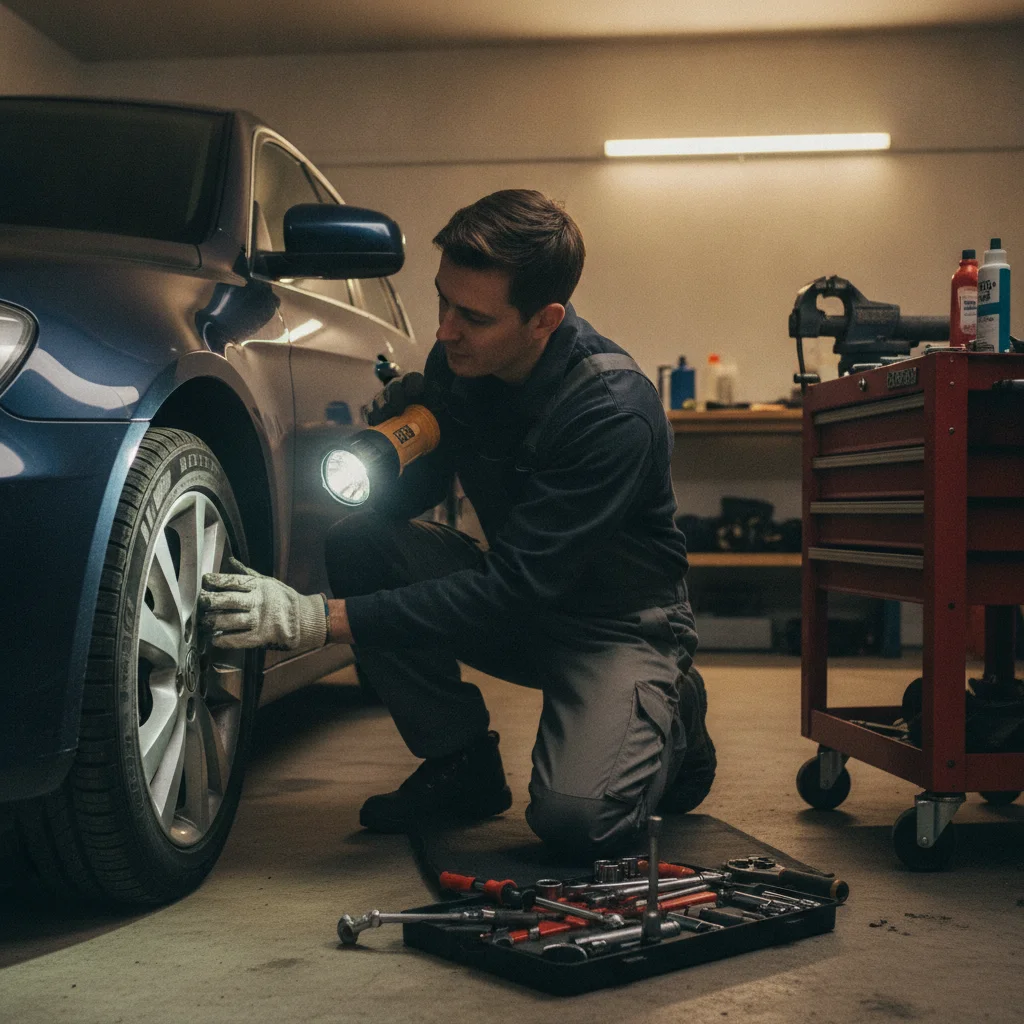
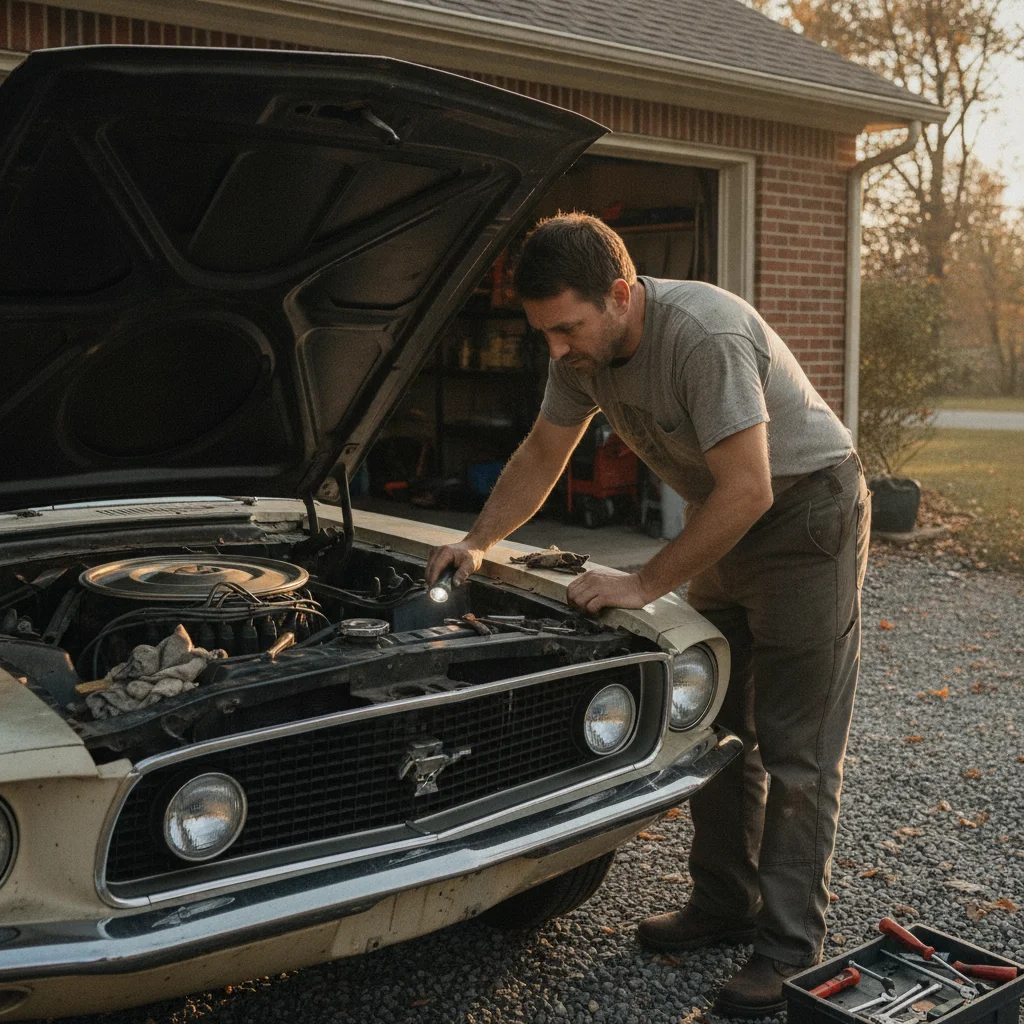
Most drivers arrive at a repair shop able to say only two things: the dashboard warning light is on, or something sounds funny. That's a starting point, but it puts the mechanic in detective mode from scratch — and detective work costs money. Every hour of diagnostic labor your shop doesn't need to spend is money that stays in your pocket.
Here's the reality from the shop floor: a car that comes in with a well-described symptom — "a rhythmic clunking from the front left that starts at around 30 mph and disappears above 50" — can often be diagnosed in 15 minutes. A car that comes in with a vague complaint — "it just feels weird sometimes" — can eat up an hour or more of paid diagnostic time before a technician narrows it down.
That's not a criticism of drivers. Most people aren't trained to read a car's signals. But with a little structured attention, you can gather the information that makes a real difference. Think of it this way: you're not trying to diagnose the car yourself — you're trying to be the best possible witness to what the car is doing. The mechanic is the doctor; you're the patient describing symptoms.
For a broader picture of how your car communicates before things go seriously wrong, see Reading Your Car Before It Breaks Down. This article focuses specifically on what to do once you've noticed something, so you can walk into the shop prepared.

The Five Dimensions of Any Symptom
Every mechanical symptom has five dimensions worth capturing. If you can answer these five questions before your appointment, you've done 80% of the work.
1. What type of symptom is it?
Symptoms fall into a handful of categories: sounds (knock, squeal, rattle, hum, click), sensations (vibration, pulling, sluggishness, shimmy), smells (burning rubber, sweet coolant, sulfur, exhaust inside the cabin), visual signs (fluid under the car, smoke, warning lights), and performance changes (longer braking distance, rough idle, reduced acceleration). Being specific about the category alone narrows the diagnostic field significantly.
2. When does it happen?
Is the symptom constant, or does it only appear under certain conditions? Cold starts? After 20 minutes of driving? Only when it rains? Intermittent symptoms are some of the hardest problems to diagnose, and your observations about timing are often the only data the mechanic has to work with.
3. Where does it seem to come from?
Front or rear? Left or right? Under the hood, under the car, or inside the cabin? This narrows the physical location of a fault dramatically. Even if you're not sure, your best guess is worth sharing.
4. Under what conditions does it appear or worsen?
Speed, steering input, braking, acceleration, load (passengers or cargo), road surface, and ambient temperature are all relevant variables. A noise that only appears during a left turn points strongly toward the front right CV joint — something a mechanic can confirm quickly if you tell them upfront.
5. How long has it been happening, and is it getting worse?
A symptom that's been present for two weeks and is slowly worsening tells a very different story than one that appeared overnight. Progression speed also signals urgency — rapid worsening often means stop driving and call, not schedule an appointment for next Tuesday.
Intermittent Symptoms Are the Hardest to Diagnose
If your symptom only occurs occasionally and cannot be reproduced on demand, your documentation is especially critical — because the mechanic may not be able to trigger the symptom during their own test drive. In these cases, a video or audio recording of the symptom occurring is often the only objective evidence available. Be patient: intermittent electrical and sensor faults in particular can require multiple visits to confirm.
Self-Diagnosis Has a Hard Limit
The goal of at-home observation is to gather information, not to reach a firm conclusion. Sharing your observations as observations — not diagnoses — keeps the conversation collaborative and prevents confirmation bias from steering the mechanic away from the actual cause. Even experienced mechanics are cautious about committing to a diagnosis before a physical inspection.
Do These Checks at Home First
Before you call the shop, spend ten minutes running through these at-home checks. They cost nothing, and they frequently identify the culprit — or at least rule out the obvious candidates.
Check all fluid levels under the hood before your appointment.
Low oil, coolant, brake fluid, or power steering fluid can cause or mimic a wide range of symptoms. Knowing the level and condition of each fluid gives you and your mechanic a cleaner starting point and eliminates the most basic causes immediately.
Check your tire pressure on all four tires when cold.
Under-inflated or unevenly inflated tires cause pulling, vibration, and unusual wear that can be mistaken for alignment, suspension, or wheel bearing problems. Ruling out tire pressure saves diagnostic time and prevents an unnecessary alignment charge.
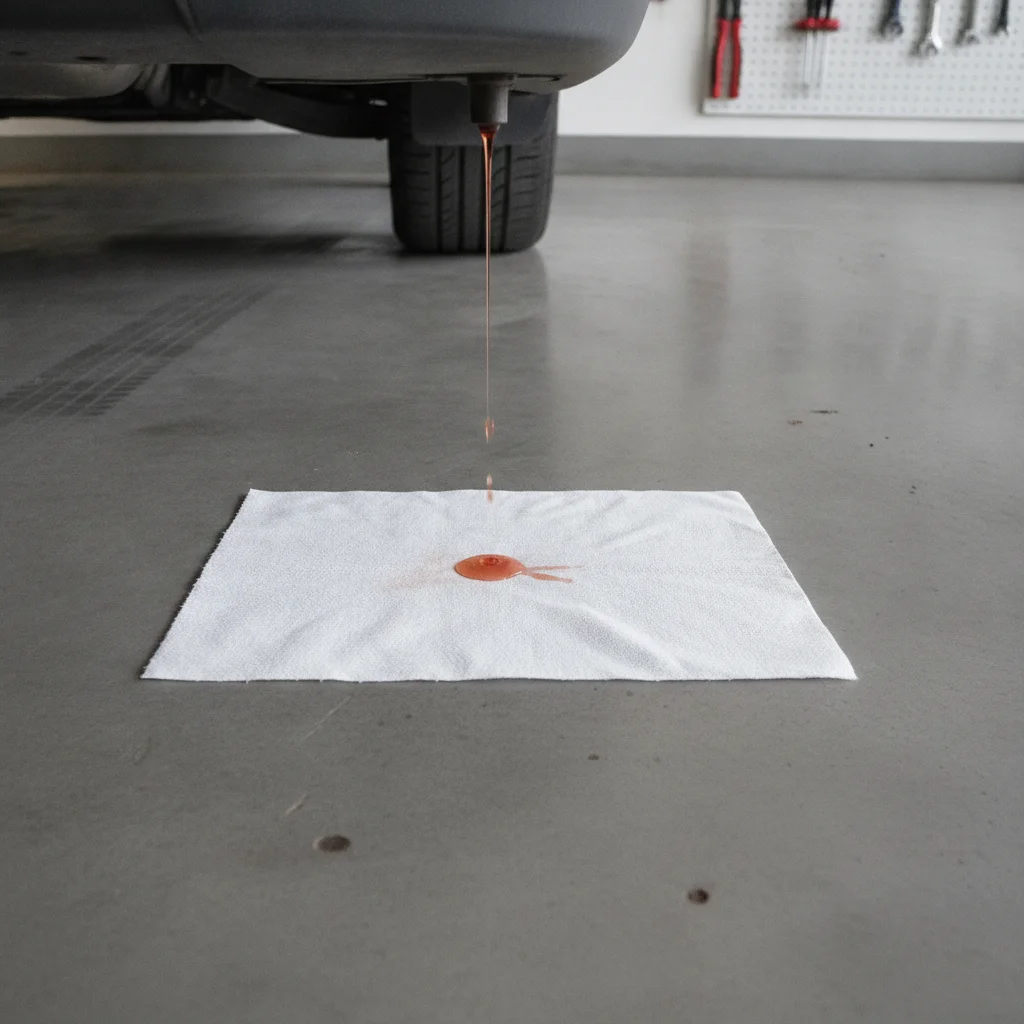
Look under the car on a clean, dry surface for any fluid spots or puddles.
The location and color of a fluid drip tells the mechanic which system to inspect first. Fluid directly under the engine suggests oil or coolant; fluid under the center of the car suggests a transmission or fuel leak; fluid near the wheels suggests brake fluid.
Inspect your tires for unusual wear patterns before the appointment.
Wear patterns on tires are a direct diagnostic fingerprint. Feathering indicates a toe alignment issue; cup-shaped wear suggests worn shocks or struts; wear on one edge only suggests camber misalignment. Each pattern saves time by narrowing the inspection area.
Note the exact odometer reading when the symptom first appeared and when it recurs.
Mileage-triggered symptoms — a noise that appears at a consistent point in every trip — can indicate thermal issues (the car needs to reach a certain operating temperature) or load-cycle issues. Mileage context also tells the mechanic whether recent maintenance events might be related.
For a more thorough walkthrough of self-inspection, including tires, belts, and brake wear, see How to Inspect Your Own Car for Early Warning Signs. Many of the checks covered there directly complement the documentation work described here.
Recording the Evidence
Your phone is one of the most useful diagnostic tools in your garage. Modern smartphones can capture video, audio, and photos that communicate exactly what words often can't.
Video
If you can safely record a symptom — a dashboard light cycling on, smoke from the tailpipe at startup, or a visible fluid leak — do it. A short 20-second clip eliminates ambiguity. If the symptom occurs while driving, have a passenger record from the back seat. Never record while driving yourself.
Audio
Many knocks, ticks, and rattles are far clearer on a recording than in description. Park in a quiet area, roll down your windows, and record from outside the car while someone else drives slowly past — or record from the passenger seat with the windows up to capture interior noise. Even an imperfect recording gives the mechanic a reference point.
Photos
Fluid puddles, tire wear patterns, cracked belts, corrosion, and fluid color are all valuable to photograph. Place a white piece of paper under a fluid drip to capture its color accurately — transmission fluid is reddish, coolant is typically green or orange, oil is brown to black, and brake fluid is clear to pale yellow. Color tells the mechanic which system to examine first.
Written notes
Keep a simple log in your phone's notes app. Date each entry, describe the symptom, and note the conditions. Three entries over two weeks showing a knock that appears at startup on cold mornings and disappears after five minutes of driving is a coherent story — and it points directly toward valvetrain issues related to cold oil pressure. That's the kind of information that makes a diagnostic appointment efficient.
Make Your Phone Your Mechanic's Best Friend
Before any shop visit, create a single note in your phone that includes: the symptom description, when it started, how often it occurs, and any at-home checks you've run. Attach any photos or video clips directly to that note. When you arrive at the shop, simply hand over your phone — it communicates more in 60 seconds than most verbal descriptions manage in ten minutes.
Cold vs. Warm: Always Note the Difference
Many engine and drivetrain symptoms behave completely differently depending on whether the car is at operating temperature. If your symptom only appears on cold starts, note that explicitly. If it only appears after 15 minutes of driving, note that too. This single detail can immediately separate a valvetrain cold-start issue from a heat-related sensor fault — saving significant diagnostic time.
Warning Signs That Cannot Wait
Self-diagnosis is a valuable skill, but it has a hard limit: some symptoms mean stop driving immediately, regardless of how minor they seem. The financial cost of a tow is always less than the repair cost of driving a car with a critical failure.
$1,200+
Average cost of a seized engine from oil starvation
AAA estimates engine failure caused by low oil pressure or overheating routinely costs $1,200–$4,000 depending on vehicle type — repairs that are largely preventable with early warning recognition.
1 in 3
Vehicles on the road with at least one maintenance issue
The Car Care Council's annual Vehicle Care Checkup finds roughly one-third of vehicles inspected have at least one maintenance deficiency that has not yet triggered a visible warning light.
$120–$180
Hourly diagnostic labor rate at most U.S. shops
According to RepairPal data, average shop labor rates in major U.S. metro areas range from $120 to $180 per hour, making every minute of unnecessary diagnostic time a direct cost to the vehicle owner.
Stop driving and call your roadside assistance or shop if you notice any of the following:
- Temperature gauge in the red — Continuing to drive an overheating engine can warp the cylinder head within minutes, turning a $200 thermostat repair into a $2,000+ head gasket job.
- Brake pedal going to the floor — Partial brake failure can become total brake failure without warning. This is a tow-only situation.
- Steering suddenly heavy or unresponsive — Power steering failure or, worse, a steering component failure is an immediate safety issue.
- Oil pressure warning light illuminated — Unlike the check engine light, an oil pressure warning means the engine may be running without adequate lubrication right now. Shut off the engine as soon as it's safe to do so.
- Smoke from under the hood — This is fire risk territory. Pull over, shut off the engine, and move away from the vehicle.
For a fuller picture of which dashboard signals demand immediate action versus routine scheduling, Why Your Check Engine Light Isn't the Only Warning Sign Worth Watching breaks down the priority hierarchy clearly.

Communicating Effectively at the Shop
You've observed the symptom, run your at-home checks, and documented the evidence. Now the goal is to communicate all of that clearly without overwhelming the service advisor with ten minutes of background information they don't need.
Lead with the symptom, not the diagnosis
The most common mistake drivers make is arriving with a conclusion rather than a description. "I think my alternator is going" puts the mechanic in the awkward position of either agreeing with you or explaining why you might be wrong. "The battery warning light comes on after about 20 minutes of highway driving and goes away when I slow down" gives them the raw data to form their own conclusion — which will be more accurate.
Use the five-dimension framework
Walk through what the symptom is, when it happens, where it seems to originate, under what conditions, and how long it's been occurring. A service advisor who hears all five dimensions in the first 90 seconds of a conversation can write a repair order that puts the technician in exactly the right place.
Share your documentation
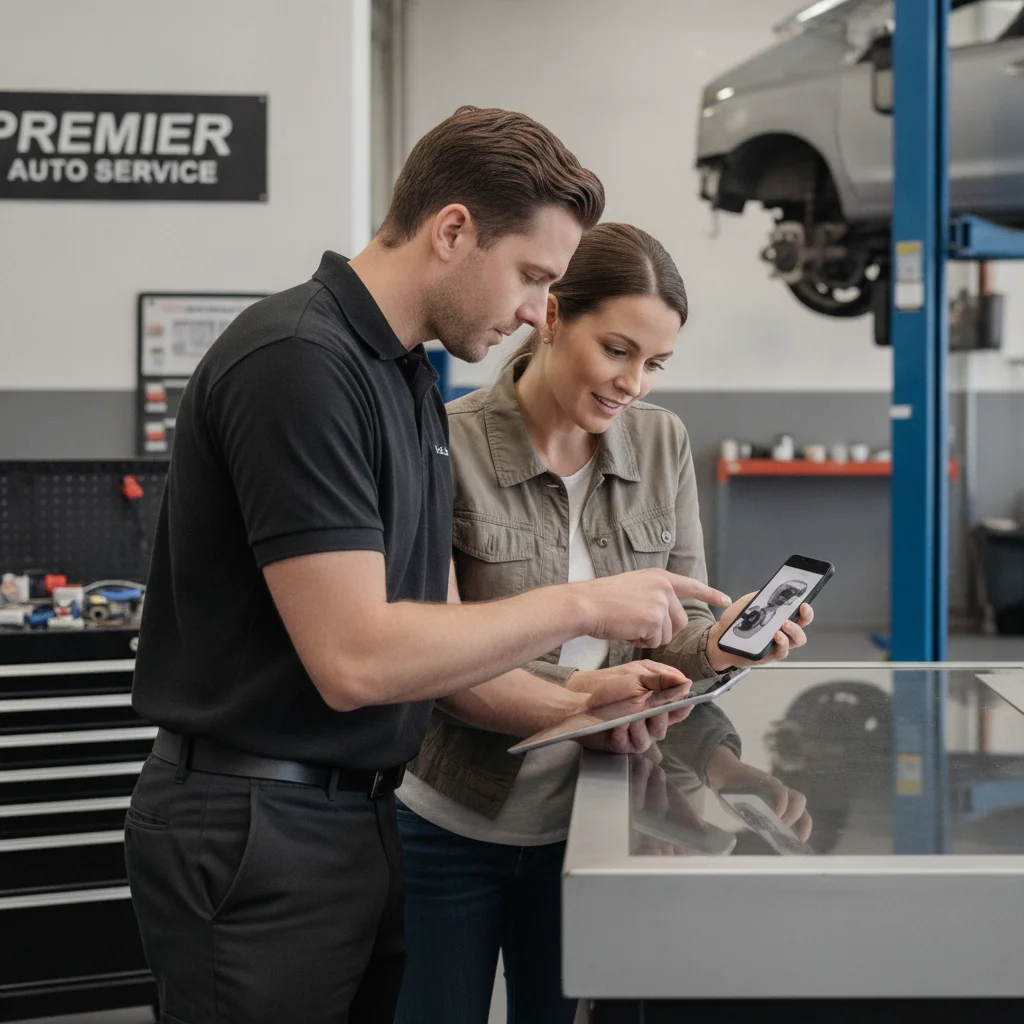
Hand over your phone with the video or audio clip queued up. Show the photo of the fluid color. Pull up your symptom log. These assets are often worth more than any verbal description, and they give the mechanic something to refer back to after you've left the shop.
Ask what you can watch for at home
A good shop will tell you what they're going to check and why. Ask if there's anything specific to monitor before the repair appointment, especially if the car is drivable and the appointment is a few days away. They may ask you to check a fluid level daily, or to notice whether the symptom changes with temperature.
“The best thing a car owner can do before coming to a shop is be a good observer and reporter. I don't need you to tell me what's wrong — I need you to tell me exactly what you experienced. The more specific you are, the faster I can get you back on the road.”
— Eric Peters, Automotive journalist and long-time vehicle maintenance commentator
If you're interested in developing a more systematic approach to at-home maintenance and minor repairs, the DIY Repairs hub covers a range of simple fixes that don't require professional tools or expertise.
The Financial Case for Early Action
The math on deferred maintenance is unforgiving. A worn serpentine belt costs $80–$150 to replace as scheduled maintenance. If that belt snaps while driving, it can take out the alternator, the power steering pump, and occasionally damage the water pump — repairs that together can run $600–$1,200 or more, plus a tow.
The same pattern repeats across virtually every major system. Catching a coolant leak early — a $50–$150 hose or clamp repair — prevents the overheating event that can cause a blown head gasket, a repair that regularly runs $1,500–$3,000 on common vehicles. Noticing a soft brake pedal and having the fluid and lines inspected costs far less than a brake system failure and the accident that may follow it.
Early diagnosis is also where your documentation pays a direct financial return. A mechanic who can reproduce and confirm a symptom in 20 minutes rather than 90 minutes charges you for 20 minutes. At shop rates of $120–$180 per hour in most metro areas, that's a real difference — often $120–$200 saved on diagnostic labor alone.
The habit of watching your car, documenting what you observe, and communicating it clearly isn't a minor courtesy to your mechanic. It's a systematic way of protecting one of the largest assets most households own. The Test Drives and Inspections hub offers useful context for anyone who wants to build these observation habits earlier — starting when evaluating a used vehicle before purchase.
Think of it this way: your car is communicating with you constantly. The drivers who listen carefully — and who know how to translate what they hear into actionable information — simply spend less money over the life of every vehicle they own. That's not luck. It's a practiced skill, and it starts with the simple habit of paying deliberate attention.

All claims are backed by peer-reviewed research. Sources on request.