Key Takeaways
Failure to Signal
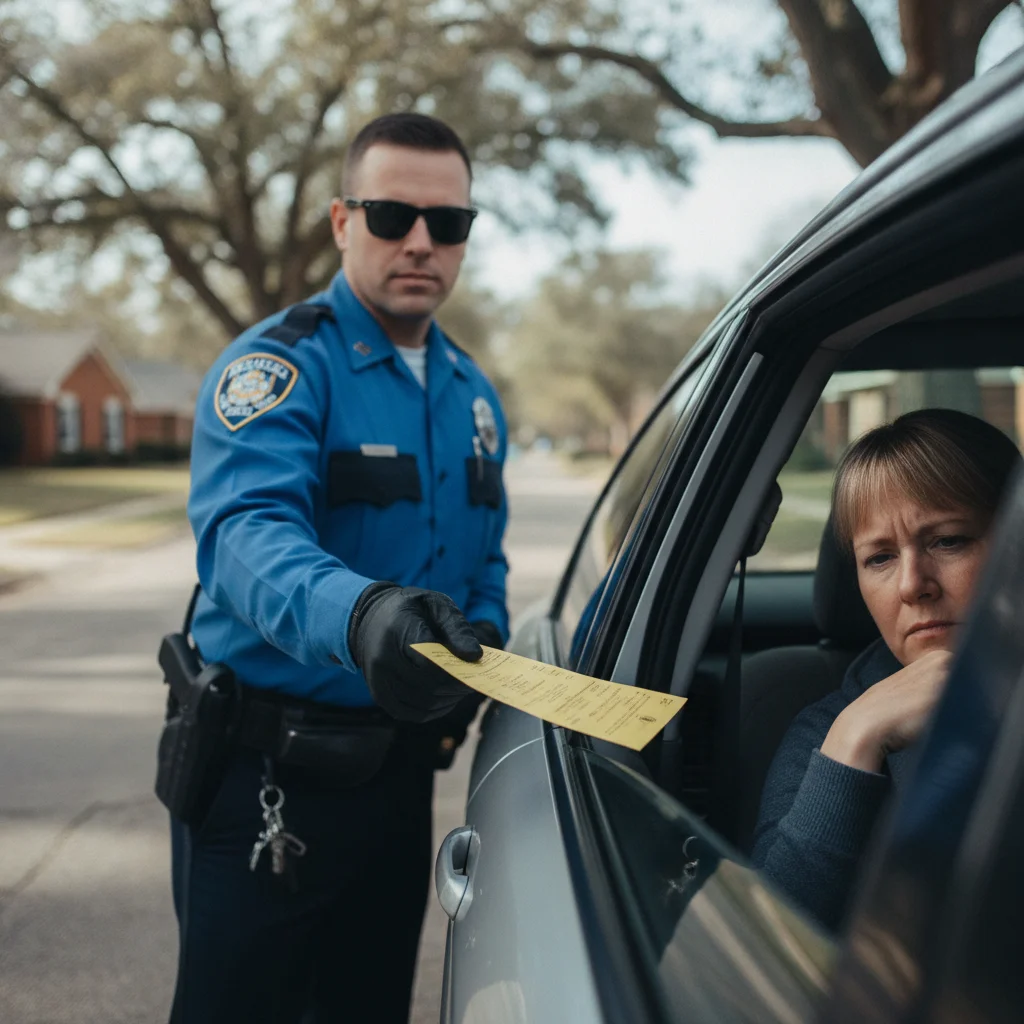
Failure to signal is a traffic violation that occurs when a driver changes lanes, turns, merges, or pulls away from a curb without activating their directional turn signal. Every U.S. state requires drivers to signal these movements, giving other road users advance notice of intent. The violation may be ticketed as an infraction on its own, or it can become a contributing factor in accident fault determinations.
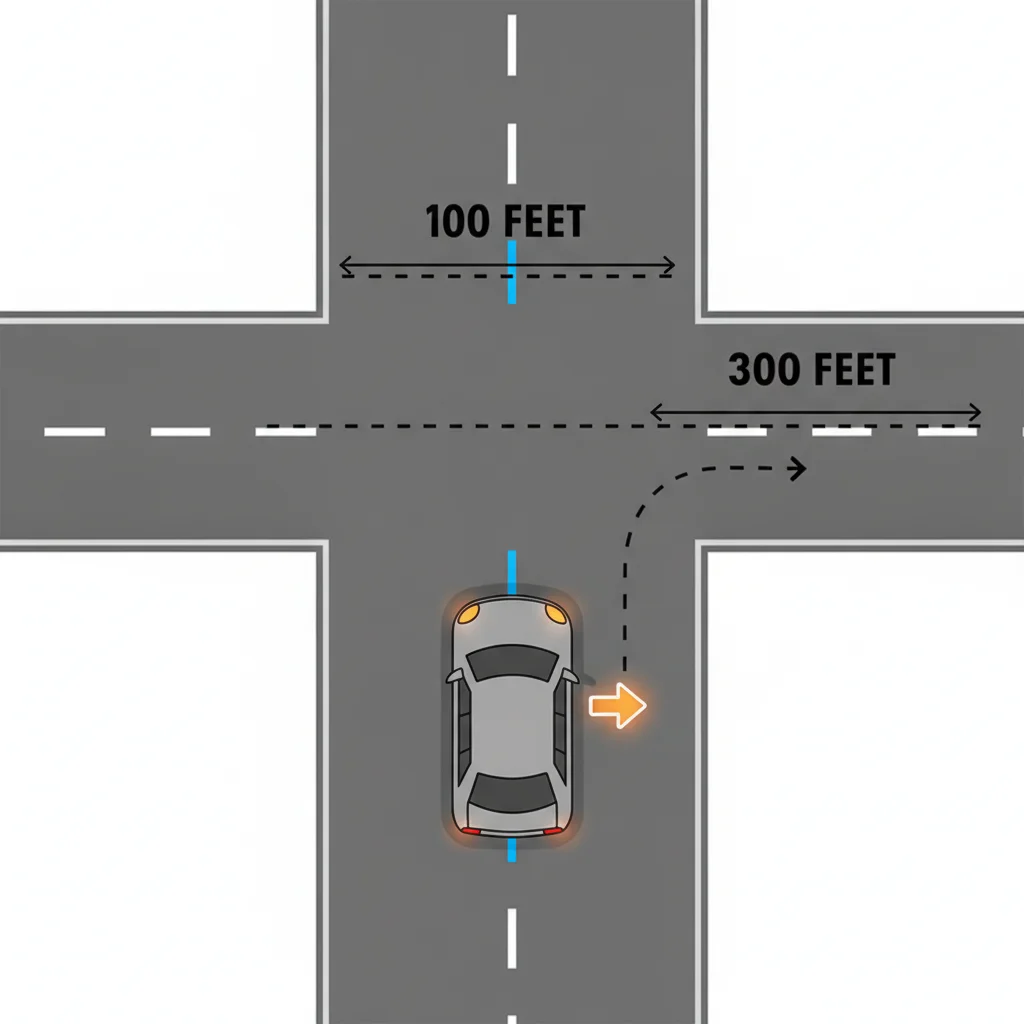
Most state statutes require the signal to be activated a minimum of 100 feet before a turn in residential or urban areas, and up to 300 feet in some jurisdictions on higher-speed roads. The exact distance and equipment requirements (functioning bulb, visibility criteria) are set at the state level under vehicle codes.
What the Law Actually Requires
Most drivers treat the turn signal as optional equipment — something you use when you feel like it or when traffic is heavy. That's not how vehicle codes read. In every U.S. state, activating your directional signal before a turn, lane change, U-turn, or departure from a parked position is a legal requirement, not a suggestion.
The specific wording varies, but the obligations generally fall into three categories:
- Distance requirement: Signals must be activated a set number of feet before the maneuver — commonly 100 feet in urban areas, 200–300 feet on highways or rural roads.
- Equipment requirement: The signal light must be functional, visible from a minimum distance (typically 300 feet to the front and rear), and emit the correct color (amber or red at the rear).
- Duration requirement: Some states specify that the signal must remain active for a minimum number of seconds before the lane change or turn begins.
What's notable is what most of these statutes don't say: there's no exception for when you believe no other traffic is present. The law is written categorically, and officers citing the violation don't need to prove another driver was affected.
Compare this to how yellow light laws work — another area where driver assumptions diverge sharply from what's on the books. In both cases, what feels like a gray area is actually spelled out clearly in state traffic codes.
Why This Violation Gets Underestimated
Failure to signal sits in a peculiar category. It's ubiquitous — surveys consistently show a large share of drivers admit to skipping the signal regularly — and yet it rarely feels like a 'real' infraction. Several factors feed that perception.
25%
Drivers who rarely or never signal lane changes
A Society of Automotive Engineers study found approximately 25% of drivers fail to signal lane changes, accounting for an estimated 2 million accidents per year.
48%
Drivers admitting to skipping signals when turning
The same SAE research found roughly 48% of surveyed drivers admitted to not signaling turns, citing time pressure or force of habit as the reason.
$100+
Maximum base fine in several states
States including California and New York allow base fines exceeding $100 for a signal violation, with total court costs often pushing the out-of-pocket cost past $200.
1–3 pts
Points added per signal violation by state
Point schedules vary; most states assign 1–2 points for a standard signal violation, with up to 3 points if the violation was a contributing factor in an accident.
First, enforcement is inconsistent. Officers often cite failure to signal as a secondary reason for a traffic stop, discovered after they pulled someone over for speeding or a broken taillight. Standalone signal-only stops happen, but they're less common, which creates the impression that the violation doesn't matter.
Second, the consequences are usually invisible right up until they're not. A $75 fine and one point on your record don't feel significant in isolation. But stack three or four minor moving violations over two years and you're looking at a meaningful insurance rate increase and a record that flags you as a higher-risk driver. That's the scenario our moving violation explainer walks through in detail.
Third, drivers often don't realize the violation has a severity tier. Understand that traffic offenses exist on a spectrum — from minor infractions to misdemeanor charges — and signal violations can escalate depending on context. See how violation tiers are structured to see where this fits.
Secondary vs. Primary Enforcement
In most states, failure to signal is a primary enforcement offense — meaning an officer can pull you over solely for not signaling, without needing another reason. A smaller number of states treat certain minor traffic offenses as secondary, meaning they can only be cited if the stop was initiated for a different violation. Check whether your state treats signal violations as primary or secondary to understand your actual exposure.
Rental Cars and Signal Laws
If you're driving a rental vehicle in a different state, you're still subject to that state's signal requirements — not your home state's rules. Distance requirements and equipment standards may differ from what you're used to. This catches out-of-state drivers regularly, especially on highways where the required signal distance is longer than in urban areas.
When a Signal Violation Becomes a Fault Determination
Here's where failure to signal moves from annoying fine to serious legal problem: accident fault allocation. This matters most in two scenarios.
Scenario One: Lane Change Collision
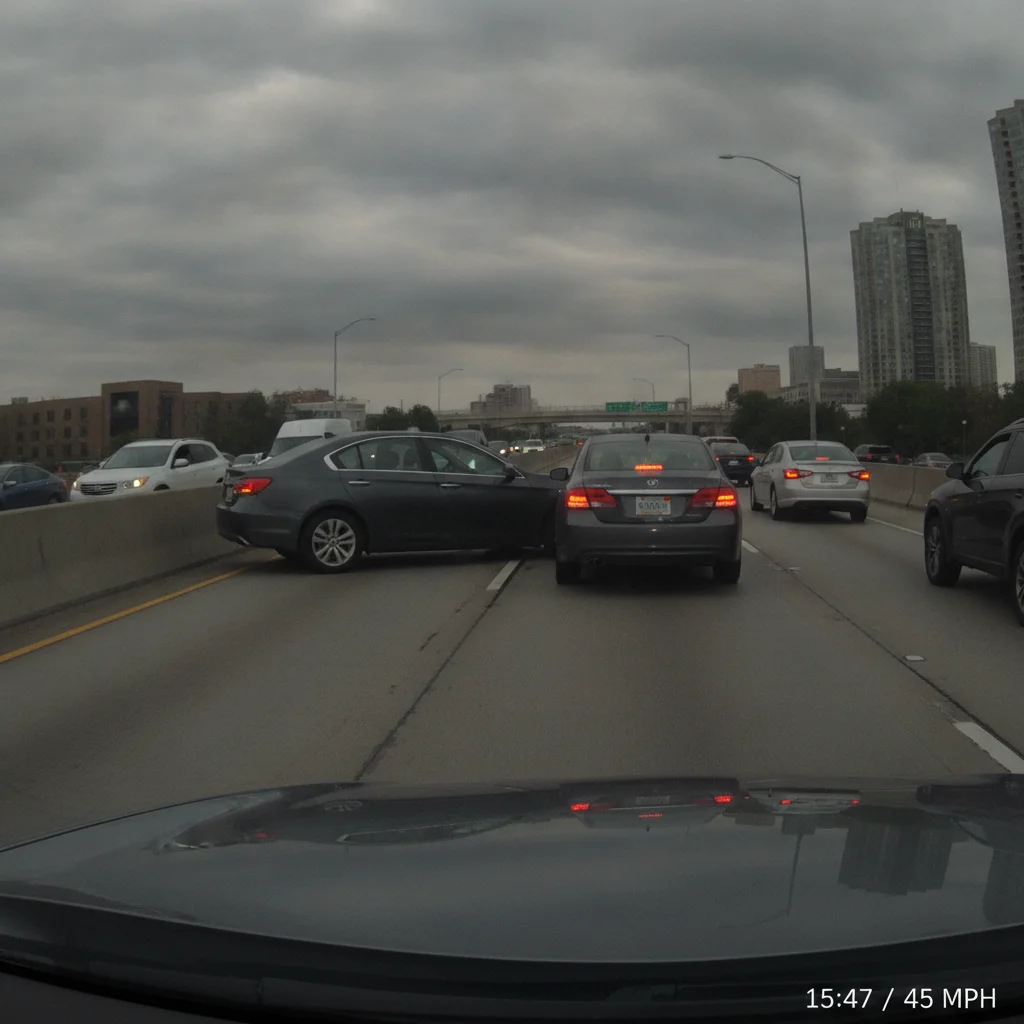
You move left without signaling. The driver already in that lane clips your rear quarter panel. In most states, the lane-changer carries the initial burden of proving the move was safe. No signal means no evidence you communicated your intent. Even if the other driver had room to respond, your failure to signal weakens your position significantly in any liability dispute.
Scenario Two: Intersection Turn Accident
You slow to turn without activating your signal. A following driver, not expecting the deceleration, rear-ends you. Typically, rear-end collisions assign the bulk of fault to the following driver. But if your failure to signal is documented — on a police report, dashcam footage, or witness statement — comparative fault principles can shift a portion of liability back to you.
Insurance adjusters and plaintiff attorneys both know to look for signal violation evidence. If the responding officer notes 'no signal observed' in the accident report, that note follows the claim through its entire lifecycle.
This dynamic mirrors the issues discussed in tailgating as a legal risk — where a common habit that feels minor turns out to carry real liability exposure in an accident context.
Document the Scene After an Accident
If you're in an accident and you did use your signal, say so clearly and consistently when speaking to the responding officer. If your vehicle has a built-in event data recorder or you have a dashcam, note it immediately — footage showing your signal was active is the cleanest way to counter a fault claim based on alleged failure to signal. Don't wait until the insurance investigation to raise the point.
Make Signaling a Reflex, Not a Decision
The most effective way to stay compliant is to remove the decision entirely. Every time your hand touches the steering wheel to turn or your mirror scan begins for a lane change, the other hand should already be moving to the signal stalk. Treating it as a paired action — look and signal happen together — builds the habit faster than trying to remember it as a separate step.
The Insurance Angle: What Carriers See
Insurance companies don't review violations in a vacuum — they're looking for patterns. A single signal ticket on an otherwise clean record is unlikely to trigger a rate increase at renewal. But add it to a speeding ticket and a minor at-fault fender bender from the prior policy period, and underwriters see a driver whose habits create exposure.
Here's how the math typically works:
- First signal violation, clean record: Likely no premium impact, though it depends on your insurer and state.
- Second moving violation within three years: Many carriers apply a surcharge at next renewal — often 5–15% on the base rate.
- Signal violation contributing to an accident claim: The at-fault accident is the primary driver of the increase, but the signal violation in the police report can shift your fault percentage and increase your insurer's payout, which influences your surcharge tier.
What drivers miss is that the signal violation isn't being judged alone — it's being added to a risk profile. If you're concerned about where your current record stands, checking your points accumulation before renewal is worth the five minutes.
“The turn signal is the most basic communication tool drivers have. When it's not used, you've essentially gone silent in a conversation where silence causes crashes. Insurance actuaries notice that silence — it shows up in claims data consistently.”
— David Strayer, Cognitive distraction researcher, University of Utah — widely cited in traffic safety literature
State-by-State Variation: What You Need to Know
Because traffic law is state-level, the specifics of a signal violation vary more than most drivers realize. Here are the key dimensions where states diverge:
| Requirement | Common Standard | Stricter Example |
|---|---|---|
| Signal distance before turn | 100 feet | 200–300 ft (TX, FL highways) |
| Signal required when no traffic present | Yes (most states) | N/A — no general exception |
| Base fine range | $25–$100 | Up to $150+ with court fees |
| Points assessed | 1–2 points | 3 points in some states for signal in accident |
| Turn-only lane exemption | No exemption (most states) | A few states allow implied signal in marked lanes |
If you've recently moved states, it's worth pulling up your new state's vehicle code section on signals — often titled 'required use of directional signals' or similar. The California Vehicle Code, for example, requires signaling at least 100 feet before any turn and maintains no exceptions for absence of other traffic.
Secondary vs. Primary Enforcement
In most states, failure to signal is a primary enforcement offense — meaning an officer can pull you over solely for not signaling, without needing another reason. A smaller number of states treat certain minor traffic offenses as secondary, meaning they can only be cited if the stop was initiated for a different violation. Check whether your state treats signal violations as primary or secondary to understand your actual exposure.
Rental Cars and Signal Laws
If you're driving a rental vehicle in a different state, you're still subject to that state's signal requirements — not your home state's rules. Distance requirements and equipment standards may differ from what you're used to. This catches out-of-state drivers regularly, especially on highways where the required signal distance is longer than in urban areas.
Equipment failures are a related concern worth flagging. If your turn signal bulb is out and you're pulled over for another reason, that creates a separate equipment violation. Staying on top of lighting issues is part of broader vehicle health awareness — the same attention to detail covered in warning signs you should never ignore.
Practical Steps to Stay Compliant
This isn't about becoming a nervous driver who signals in an empty parking lot. It's about building the habit so that the signal fires automatically before every lane change and turn, removing both the legal risk and the physical danger of unexpected maneuvers.
A few specific practices that make a difference:
- Signal before braking, not after. The sequence should be: signal, check mirror and blind spot, brake or steer. Signaling after you've already begun slowing defeats the purpose.
- Keep it on for the full required distance. On a highway, that means activating the signal several seconds before you begin the lane change — not as you're already moving into the lane.
- Check your signal bulbs monthly. A burned-out signal is both a separate violation and an invisible hazard. Most modern vehicles flag a turn signal failure through the instrument cluster — pay attention to it.
- Use the signal even in a turn-only lane. Yes, it feels unnecessary. It remains legally required in most states and communicates your intent to pedestrians and cyclists at the intersection.
Document the Scene After an Accident
If you're in an accident and you did use your signal, say so clearly and consistently when speaking to the responding officer. If your vehicle has a built-in event data recorder or you have a dashcam, note it immediately — footage showing your signal was active is the cleanest way to counter a fault claim based on alleged failure to signal. Don't wait until the insurance investigation to raise the point.
Make Signaling a Reflex, Not a Decision
The most effective way to stay compliant is to remove the decision entirely. Every time your hand touches the steering wheel to turn or your mirror scan begins for a lane change, the other hand should already be moving to the signal stalk. Treating it as a paired action — look and signal happen together — builds the habit faster than trying to remember it as a separate step.
Building signal discipline also makes you a more predictable driver overall — which compounds into fewer close calls, fewer claims, and a cleaner record over time. Those outcomes are worth far more than the two seconds saved by skipping the stalk.

All claims are backed by peer-reviewed research. Sources on request.