Key Takeaways
The Gap Between What Drivers Think the Law Says and What It Actually Says
Most drivers consider themselves reasonably law-abiding on the road. They stop at red lights, signal lane changes, and avoid obvious recklessness. But traffic enforcement data tells a different story: millions of citations issued each year are for violations that drivers genuinely didn't know they were committing.
This isn't about ignorance of obscure regulations. It's about misreading laws they encounter daily — stop signs, crosswalks, passing lanes, and right-of-way rules that most people learned for a written test twenty years ago and never revisited.
The financial consequences are real. A single moving violation can add anywhere from $150 to $500 in fines, and the insurance premium bump that follows a ticket often costs far more over time. For a full grounding in U.S. traffic regulations beyond what's covered here, see U.S. Traffic Laws Every Driver Should Actually Know.
The list below focuses on laws that are both widely misunderstood and actively enforced — the combination that puts drivers at risk every time they get behind the wheel.
Laws Drivers Get Wrong Most Often
The Rolling Stop ("California Stop")
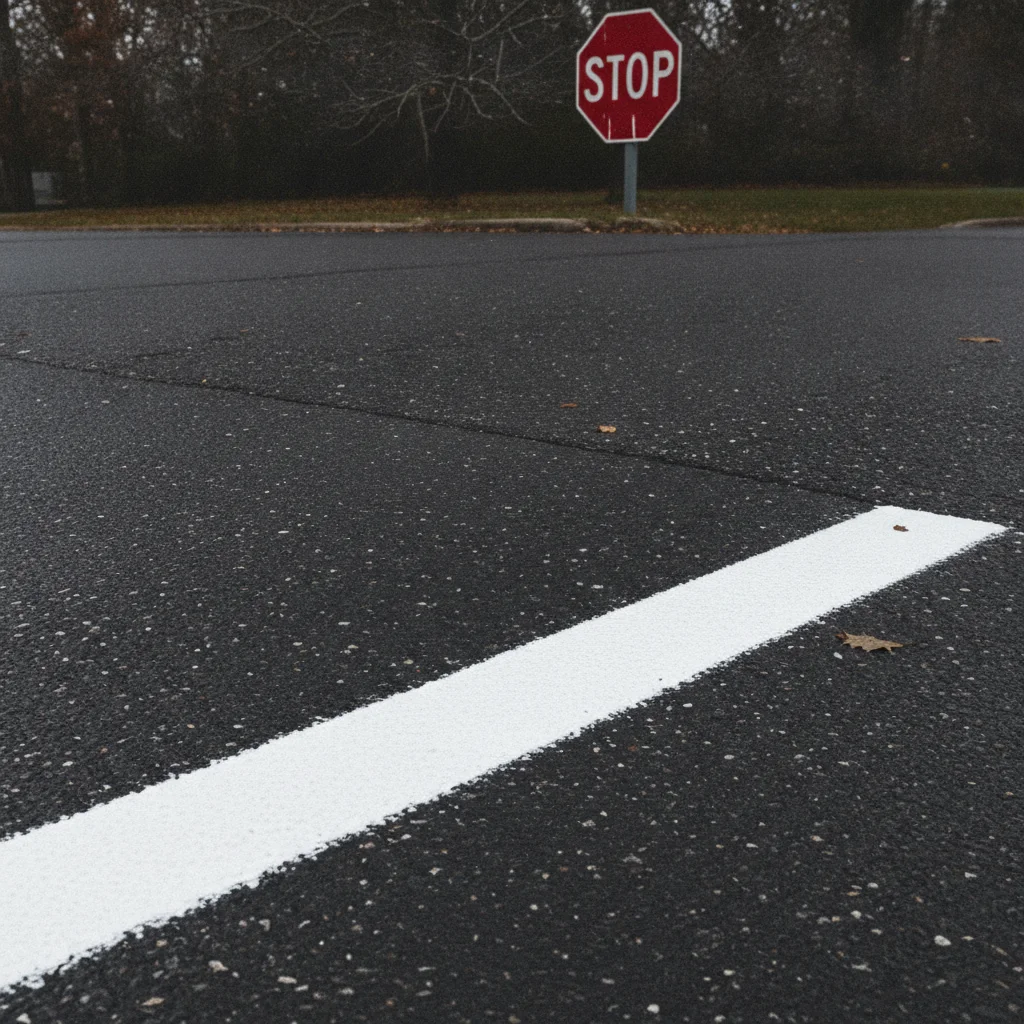
Every state requires a full and complete stop at a stop sign — meaning zero miles per hour, wheels not rolling. Slowing to 3–5 mph and easing through is not a legal stop, regardless of how cautious it feels or how clear the intersection appears.
Officers enforce rolling stops heavily in residential neighborhoods and school zones, and dashcam footage has made it harder to contest these tickets. The law doesn't allow for a "slow enough" exception. If your vehicle is still moving when you cross the stop line, you've committed the violation.
What to do instead: Come to a complete stop behind the limit line (the white stripe before the intersection), not at the edge of the road. After stopping, check for cross traffic and pedestrians before proceeding.
Slowing to 3 mph is not a stop — zero miles per hour is the only legal interpretation.
Passing on the Right
Most drivers know you shouldn't pass on the right on a two-lane road. What fewer realize is that passing on the right is restricted or prohibited in many multi-lane situations as well. The general rule across most states: you may pass on the right only when the vehicle ahead is making or about to make a left turn, or when you're on a road wide enough for two lanes of traffic in the same direction.
What's illegal in most jurisdictions: using a shoulder, an on-ramp, or an exit lane to pass a vehicle that's simply moving slower than you'd like in a travel lane. Darting right around someone in highway traffic — even if it feels safe — can result in a citation for improper passing.
What to do instead: Use the left lane for passing on highways and multi-lane roads, then return to the right lane. If traffic is genuinely impeding your flow, patience is the legal answer.
Using a shoulder or exit lane to pass slower traffic is improper passing — not a clever workaround.
Failure to Yield to Pedestrians in Crosswalks
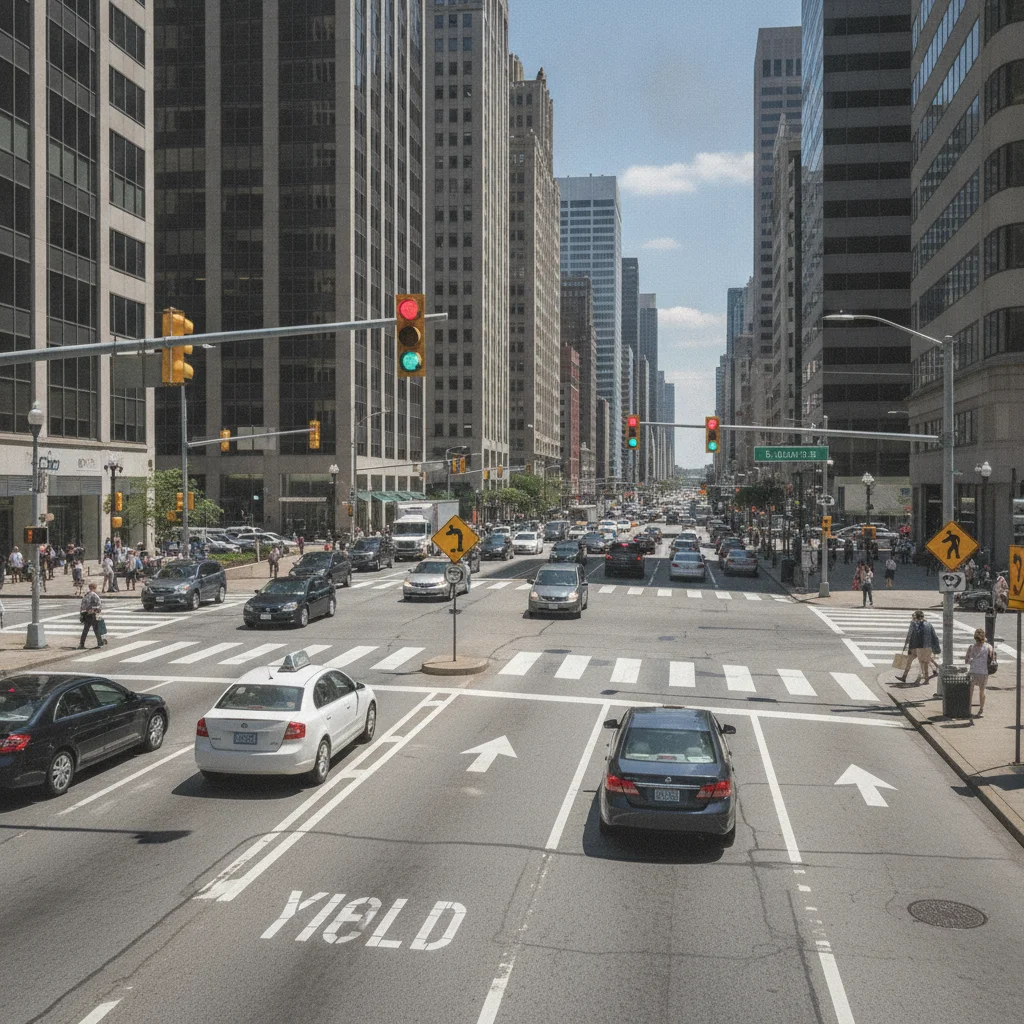
Here's where drivers routinely misread the law: pedestrians have the right of way in a crosswalk as soon as they step off the curb — not just when they've nearly reached your lane. In most states, you must stop and remain stopped until the pedestrian has completely crossed the half of the roadway that includes your lane (and in several states, until they've crossed entirely).
Creeping forward while a pedestrian is still crossing to "let them know you're yielding" is actually a violation in some jurisdictions. Officers conduct pedestrian decoy enforcement operations in urban areas, where plain-clothed officers cross the street and patrol cars pull over vehicles that don't fully stop.
[in_content_images:2]What to do instead: When a pedestrian steps into a crosswalk, stop completely and stay stopped. Only proceed after they've cleared your path — and check your state's specific standard on what "cleared" means.
A pedestrian stepping off the curb triggers your legal obligation to stop — not when they reach your lane.
Right Turn on Red Restrictions
Right-on-red is permitted in most of the U.S. after a complete stop — but the key word is most. Specific intersections post "No Turn on Red" signs that are frequently missed, especially at busy urban intersections with a lot of visual noise. New York City prohibits right-on-red citywide unless a sign explicitly permits it.
Beyond posted signs, many drivers don't know that right-on-red is illegal when a pedestrian signal is active showing a walk sign for cross traffic, even if no pedestrian is present. The walk signal means pedestrians have legal right of way in the path your right turn would travel.
See Traffic Signs, Signals, and Markings: A Quick-Reference Guide for a breakdown of signal meanings that are commonly misread.
What to do instead: Before turning right on red, look for posted restriction signs and check the pedestrian signal for the crossing path of your turn. Stop completely before the line, verify it's clear, then go.
An active walk signal for crossing traffic makes a right-on-red illegal, even with no pedestrians visible.
Move-Over Laws for All Roadside Vehicles
Move-over laws were originally passed to protect police officers and emergency responders on highway shoulders. All 50 states now have them. What's newer — and less understood — is that most states have expanded these laws to cover any disabled vehicle on the shoulder, not just emergency responders with lights flashing.
The requirement: when you see a stopped vehicle on the shoulder with hazard lights or emergency lights active, you must move over one full lane if traffic allows — or, if you cannot safely change lanes, you must reduce speed significantly (often to 20 mph below the posted limit or to a speed safe for conditions).
Failing to move over for a police cruiser during a routine traffic stop is one of the most commonly cited violations that drivers seem genuinely surprised by. Officers who are conducting a stop have a clear view of every vehicle passing them.
What to do instead: When you see any vehicle stopped on the shoulder with lights on, check your mirrors, signal, and move one lane away. If you can't, slow down well before you reach them.
Move-over laws now cover all disabled vehicles with hazard lights — not just police and ambulances.
Handheld Device Use While Driving
As of 2024, 26 states plus Washington D.C. have enacted hands-free laws that prohibit holding a phone while driving — not just texting, but holding the device for any purpose. This includes holding it to navigate, to check a notification, or to talk with it pressed to your ear.
The enforcement mechanism has changed: many jurisdictions now use roadside cameras and AI detection tools to flag handheld device use, meaning you don't need a patrol car behind you to get caught. And fines for a first offense range from $100 to $250+ depending on the state, with repeat violations escalating sharply.
Common misunderstanding: some drivers think that if they're stopped at a red light, using a phone is legal. In most hands-free states, it isn't — you must be pulled off the road with the engine off for device use to be exempt.
What to do instead: Mount your phone before you start driving. Set navigation before you leave. Use Bluetooth or a built-in infotainment system for calls. Treat a red light as a driving situation, not a break.
Stopped at a red light doesn't mean stopped — handheld device laws apply even when traffic isn't moving.
Improper Lane Changes (No Signal, Too Fast, Unsafe Gap)
Lane change violations are a catch-all that covers several distinct behaviors: failing to signal before changing lanes, signaling simultaneously while changing (rather than signaling in advance), changing lanes through an intersection, and cutting into a gap that doesn't provide a safe following distance.
State law typically requires you to signal at least 100 feet before a lane change on surface streets, and some states specify longer distances on highways. Activating your turn signal at the same instant you start moving doesn't satisfy this requirement — the signal is a warning to other drivers, not a simultaneous announcement.
Changing lanes in an intersection is illegal in many states, even when the light is green, because it creates unpredictable crossing paths with turning vehicles. Most drivers are unaware of this specific rule.
What to do instead: Signal well before you move. Check mirrors and blind spot. Complete any lane change before entering an intersection, not during one.
Flipping your turn signal as you move isn't a legal signal — it's a simultaneous announcement, not a warning.
Following Distance and Tailgating
Every state has an "assured clear distance ahead" or "following too closely" statute, but few drivers know the specific standard. The commonly cited rule of thumb — one car length per 10 mph — is informal guidance. The legal standard is whatever distance allows you to stop safely if the vehicle ahead brakes suddenly.
That's a variable standard, not a fixed one, which means enforcement is officer-discretionary. But it also means that if you rear-end the vehicle ahead of you, you are presumptively at fault in nearly every state — because you, by definition, did not maintain sufficient distance to stop in time.
Following distance violations are frequently paired with distracted driving citations, since distraction shortens your effective reaction distance even when the physical gap looks adequate.
What to do instead: Use the three-second rule as a baseline on dry roads at highway speeds — pick a fixed object and ensure three seconds pass between the vehicle ahead passing it and your vehicle reaching it. Add seconds in rain, fog, or heavy traffic.
If you rear-end the car ahead, you are presumptively at fault in nearly every state — full stop.
State-by-State Variation Is Significant
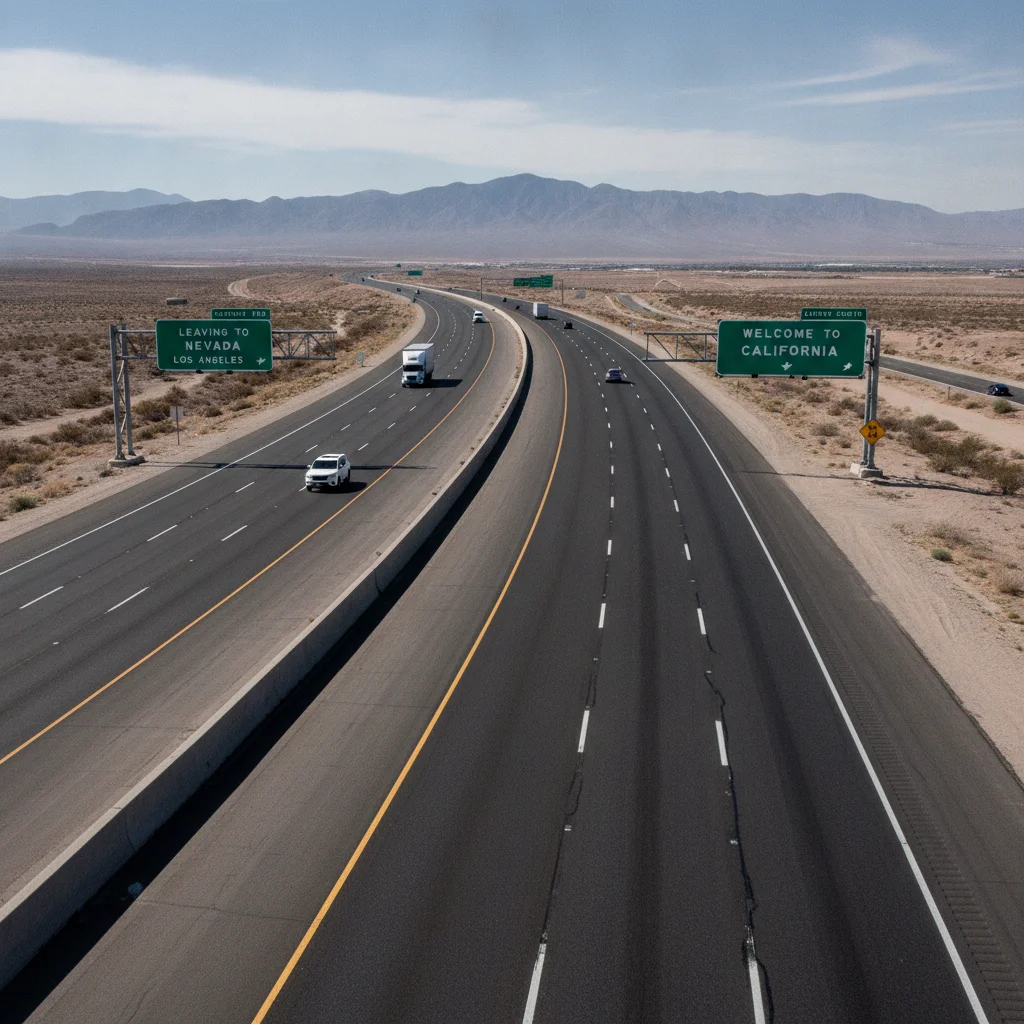
While the laws described here apply broadly across the U.S., specific thresholds, fines, and point values vary by state. For example, hands-free laws don't exist in all 50 states, and move-over law specifics differ in the states that have expanded them to cover disabled vehicles. Always confirm the exact statute for any state where you're driving regularly or traveling through.
Ignorance of the Law Is Not a Defense
Traffic courts uniformly reject "I didn't know" as grounds for dismissal. The legal presumption is that licensed drivers know the rules of the road in their state. This makes self-education a practical financial interest, not just civic responsibility. If you received your license more than ten years ago, the statutes you were tested on may have changed substantially.
When to Consider Traffic School
In many states, attending an approved traffic school after a citation allows you to have the violation withheld from your driving record, preventing it from affecting your insurance premium. This option is typically available once per year and for non-serious violations only. Check with your state's court or DMV immediately after receiving a citation — deadlines for electing traffic school are often short, sometimes 30 days from the citation date.
Check Your State's Current Driver Handbook
Traffic law statutes are updated more often than most drivers realize. Your state's DMV website publishes a current driver handbook — usually as a free PDF download. Spending 20 minutes reviewing the sections on right-of-way, passing, and device use is worth far more than the cost of a single ticket. Set a reminder to do this once a year.
How Violations Affect Your Insurance Rate
Not all insurers treat moving violations equally. Some surcharge only at-fault accidents; others add points for any moving violation regardless of fault. After receiving a ticket, it's worth shopping your policy — different carriers weigh your driving record differently, and switching before your renewal can sometimes avoid the full rate increase. Always be accurate when disclosing your record; misrepresentation can void your coverage.
Use Your Dashcam Footage Strategically
If you believe a citation was issued incorrectly — for example, you did make a complete stop — dashcam footage can be compelling evidence in traffic court. Make sure your dashcam date and time stamps are accurate, and save the relevant clip immediately after a stop. Some jurisdictions allow you to present footage directly to a traffic magistrate before a formal hearing, which can lead to dismissal without a full court appearance.
What Getting It Wrong Actually Costs You
Traffic violations don't just mean a fine you pay once and forget. Depending on your state and insurer, a single moving violation can trigger a rate increase at your next renewal — sometimes for three to five years. Points-based systems in most states compound this effect: accumulate enough points and you face license suspension, mandatory traffic school, or both.
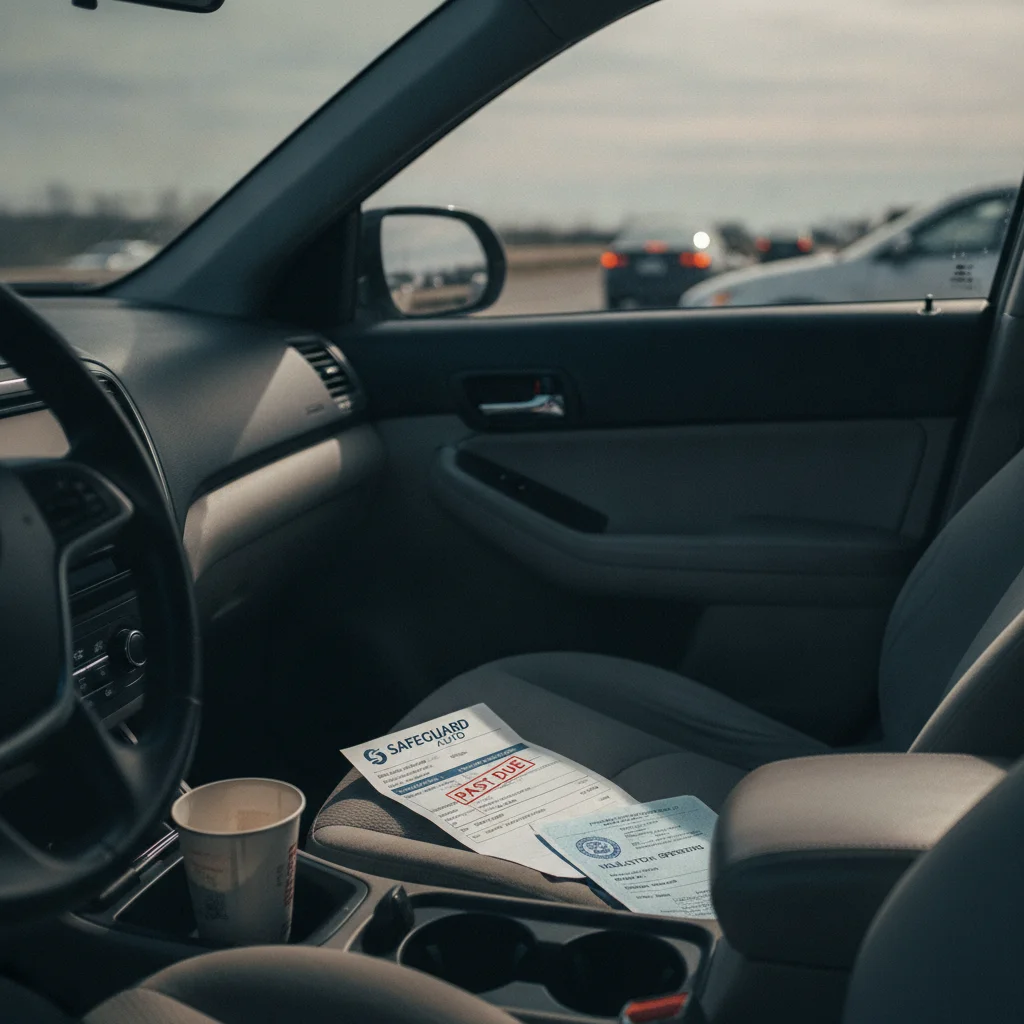
The math adds up fast. A $200 ticket followed by a 15% insurance premium increase on a $1,400 annual policy costs you an additional $210 per year for three years — that's $830 in real total cost for a rolling stop or an illegal right-on-red.
Understanding the fine print of how violations affect your coverage is as important as knowing the law itself. If you're shopping for coverage or reviewing your current policy after a ticket, getting quotes that reflect your actual driving record is essential — don't assume your current insurer offers the most competitive rate post-violation.
Road law also varies significantly once you cross state lines, which catches drivers off guard on road trips. Traffic Law Differences Across State Lines Drivers Should Know Before a Road Trip covers the key differences worth knowing before you leave your home state.
A Little Review Goes a Long Way
Traffic law isn't static. States update statutes regularly — move-over laws expanded, hands-free requirements tightened, and crosswalk rules clarified in multiple states within the last five years alone. A quick annual review of your state's driver handbook isn't paranoia; it's practical risk management.
If you want a concise reference for road signs and pavement markings you may be misreading, Traffic Signs, Signals, and Markings: A Quick-Reference Guide is a solid starting point. And if emergency vehicle situations leave you uncertain about what to do, Traffic Laws Surrounding Emergency Vehicles: What Drivers Routinely Get Wrong covers that specific scenario in detail.
The bottom line: the violations on this list aren't edge cases. They happen at intersections and crosswalks you drive through every week. Knowing the actual rule — not the one you think you remember — is the cheapest insurance you can get.

All claims are backed by peer-reviewed research. Sources on request.