Key Takeaways
Our Verdict
Not all road safety technology delivers equal crash reduction benefits. Automatic emergency braking stands out as the most evidence-backed system currently on the market, with independent data showing meaningful reductions in real-world crashes. Lane-keeping assist, blind spot monitoring, and adaptive cruise control all add layers of protection — but their value depends heavily on how well drivers understand what each system can and cannot do. Choosing a vehicle with a strong suite of active safety features matters, but pairing that tech with informed, attentive driving is what actually moves the needle on safety.
| Best for | Recommended |
|---|---|
| Drivers who frequently commute on congested highways | Automatic Emergency Braking + Adaptive Cruise Control |
| Those who frequently change lanes on multi-lane roads | Blind Spot Monitoring with Rear Cross-Traffic Alert |
| Long-distance drivers prone to highway fatigue | Lane-Keeping Assist + Driver Attention Monitoring |
| Urban drivers navigating pedestrian-heavy environments | Pedestrian AEB with Intersection Assist |
Why Safety Tech Ratings Don't Tell the Whole Story
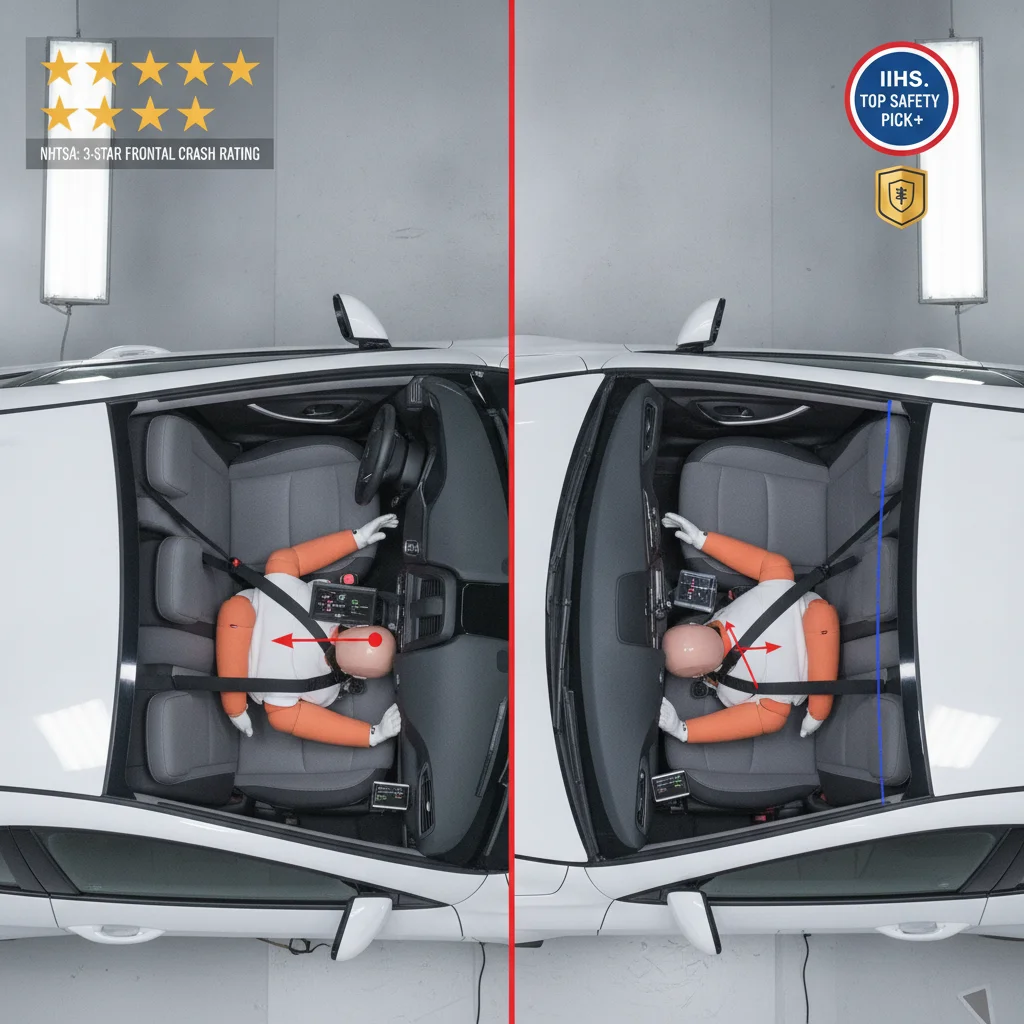
Every year, the Insurance Institute for Highway Safety (IIHS) and the National Highway Traffic Safety Administration (NHTSA) publish crash test results and safety ratings that millions of car buyers consult before signing a purchase agreement. Both organizations provide valuable benchmarks — but they measure different things, and neither rating alone captures how effectively a vehicle's technology performs in everyday American driving conditions.
NHTSA's five-star system focuses heavily on crashworthiness: how well a vehicle protects occupants when a collision is unavoidable. IIHS, by contrast, emphasizes crash avoidance and the performance of active safety systems like automatic emergency braking (AEB) under real-world-inspired test scenarios. A car can earn five stars from NHTSA and still underperform on IIHS's active safety evaluations — or vice versa. For a full breakdown of how these two agencies differ, see our guide to decoding NHTSA and IIHS scores.
The gap matters because the most consequential question isn't just how well a car protects you after a crash — it's whether the technology on board prevents the crash from happening at all. That's where the research gets both encouraging and complicated.
Automatic Emergency Braking: The Clear Leader in Crash Prevention
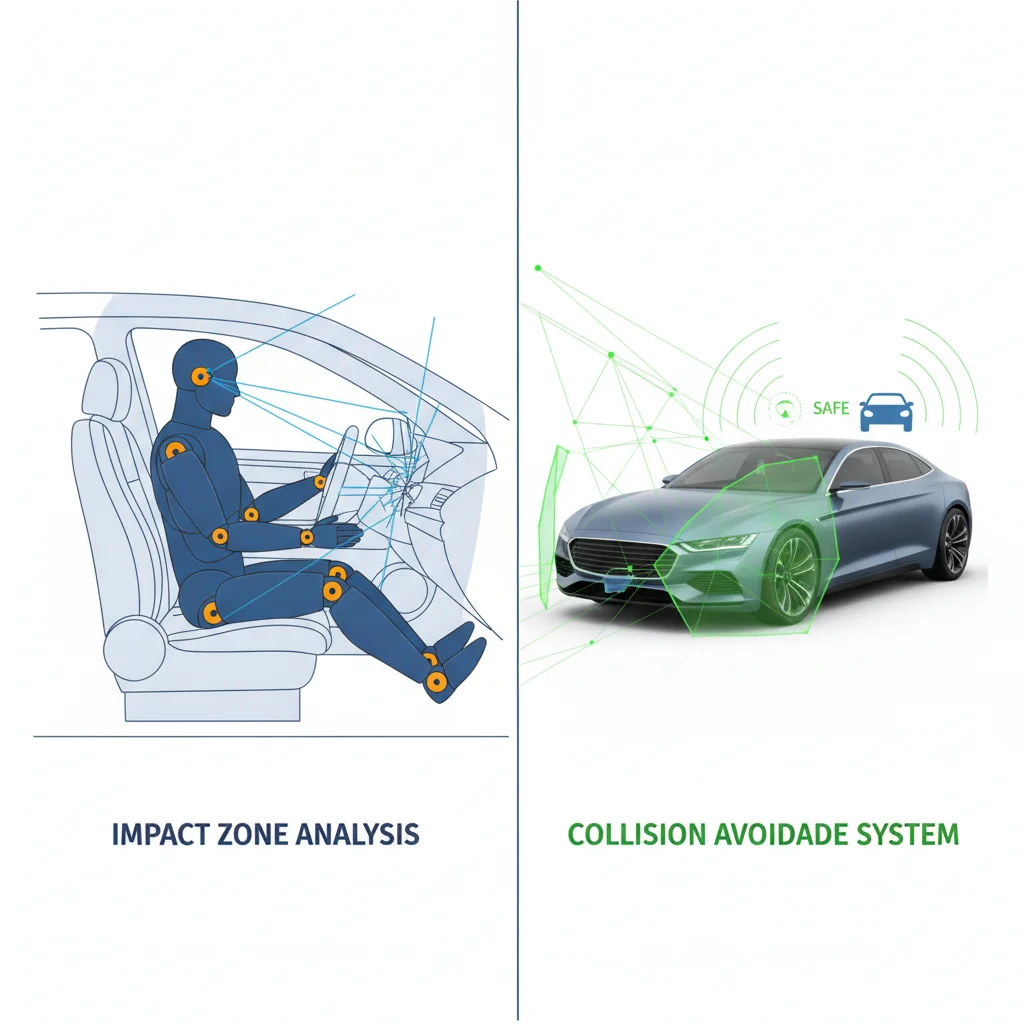
Of every active safety technology currently deployed in consumer vehicles, automatic emergency braking (AEB) has the strongest independent evidence behind it. A landmark IIHS study found that vehicles equipped with AEB had 50% fewer rear-end crashes compared to vehicles without the system. That's not a marginal improvement — it's a meaningful, replicable reduction confirmed across multiple datasets and vehicle categories.
AEB works by using radar, cameras, or a combination of sensors to detect an imminent collision and apply the brakes without driver input. Some systems warn the driver first; others intervene autonomously when warning time is too short. The best-performing versions do both. NHTSA began requiring AEB on all new passenger vehicles as a federal standard effective 2029, citing the technology's consistent real-world performance — a regulatory move that reflects just how confident safety researchers are in the data.
50%
Reduction in rear-end crashes with AEB
IIHS research found vehicles equipped with automatic emergency braking had roughly half as many rear-end crashes compared to unequipped vehicles.
23%
Fewer injury lane-change crashes with BSM
A 2019 IIHS study found blind spot monitoring reduced injury-level lane-change crashes by approximately 23% in equipped vehicles.
29%
Share of U.S. crashes that are rear-end collisions
According to NHTSA data, rear-end crashes represent nearly three in ten U.S. traffic collisions — the single largest crash type by category.
2029
Year AEB becomes federally mandated on all new vehicles
NHTSA finalized a rule requiring automatic emergency braking on all new passenger vehicles sold in the United States, citing consistent real-world effectiveness data.
Importantly, AEB performance isn't uniform. IIHS testing has shown significant variation in how well different AEB systems detect pedestrians and cyclists, particularly at night or in low-visibility conditions. Pedestrian AEB systems that perform well in daylight can fail to detect a person in dark clothing at dusk. When comparing vehicles, buyers should look at the specific IIHS pedestrian detection ratings rather than assuming all AEB systems are equivalent.
How to Check AEB Pedestrian Performance
Don't rely on a vehicle's AEB label alone. Visit the IIHS Vehicle Ratings page and look specifically at the 'pedestrian' sub-rating under front crash prevention. Systems rated 'Superior' in vehicle-to-vehicle scenarios can still earn only 'Basic' ratings for pedestrian detection — a meaningful distinction if you drive in urban or suburban areas with significant foot traffic.
Pair Technology With Attentive Habits
Active safety systems reduce crash risk most when drivers remain engaged rather than passively delegating attention to sensors. Think of AEB and LKA as a last-resort backstop, not a reason to drive less carefully. Keeping your eyes scanning ahead — not fixed on the car in front — gives both you and the technology more time to respond.
Intersection-capable AEB — which detects crossing traffic, not just vehicles directly ahead — represents the next frontier. Some 2024 and 2025 model-year vehicles already include it, and early data from European markets, where adoption is more advanced, suggests it could reduce intersection crashes by 20–30% according to Euro NCAP research.
Lane-Keeping Systems: Warning vs. Active Intervention
Lane departure technology comes in two distinct forms, and the difference between them is significant enough to matter when you're choosing a vehicle.
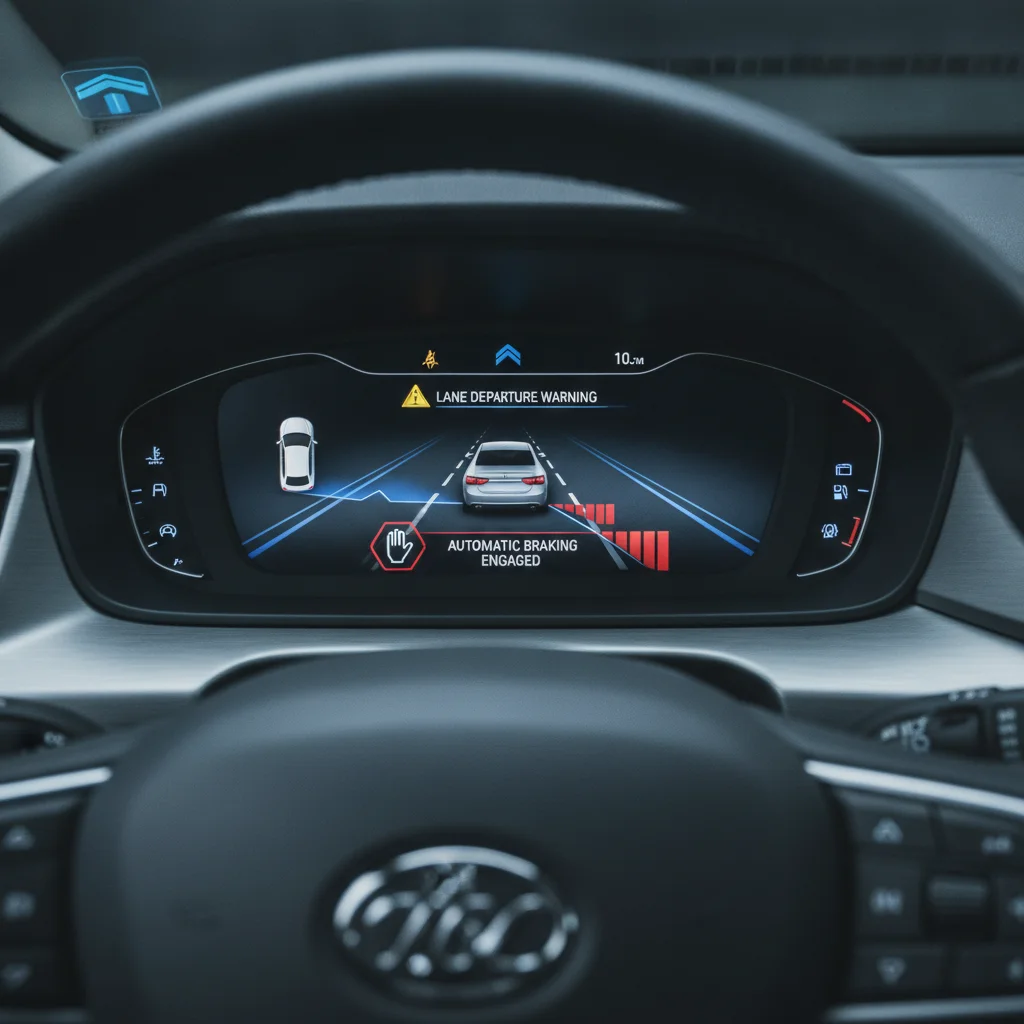
Lane departure warning (LDW) alerts the driver — typically through a beep, vibration, or dashboard light — when the vehicle drifts across a lane marking without a turn signal. Research from IIHS found that LDW alone reduces injury-level lane-departure crashes by about 11%. That's meaningful, but limited by a core behavioral problem: a tired or distracted driver who ignores the alert gets no benefit.
Lane-keeping assist (LKA), by contrast, actively applies steering torque to guide the vehicle back into its lane. When the system performs well, it catches drifts that a driver might not consciously register — which is precisely the scenario where crashes occur. Studies show LKA reduces lane-departure injury crashes at a higher rate than LDW alone, with some analyses indicating reductions approaching 20% or more when the system is calibrated well and driver interaction is accounted for.
There's a catch, however. Aggressive LKA systems that fight the wheel in response to intentional lane positioning — particularly on curved roads — frustrate drivers enough that many disable the feature entirely. IIHS has flagged this usability problem repeatedly, noting that a safety system that gets turned off provides zero benefit. The best implementations use nuanced steering inputs and can distinguish intentional lane changes from unintentional drifts.
For drivers who spend significant time on highways, pairing LKA with a driver attention monitoring system — which detects eye gaze, steering patterns, or head position to flag fatigue — provides an additional layer of protection against drowsy driving, one of the most underreported crash causes on American roads. See also: driving behaviors that cause crashes even when drivers think they're being safe.
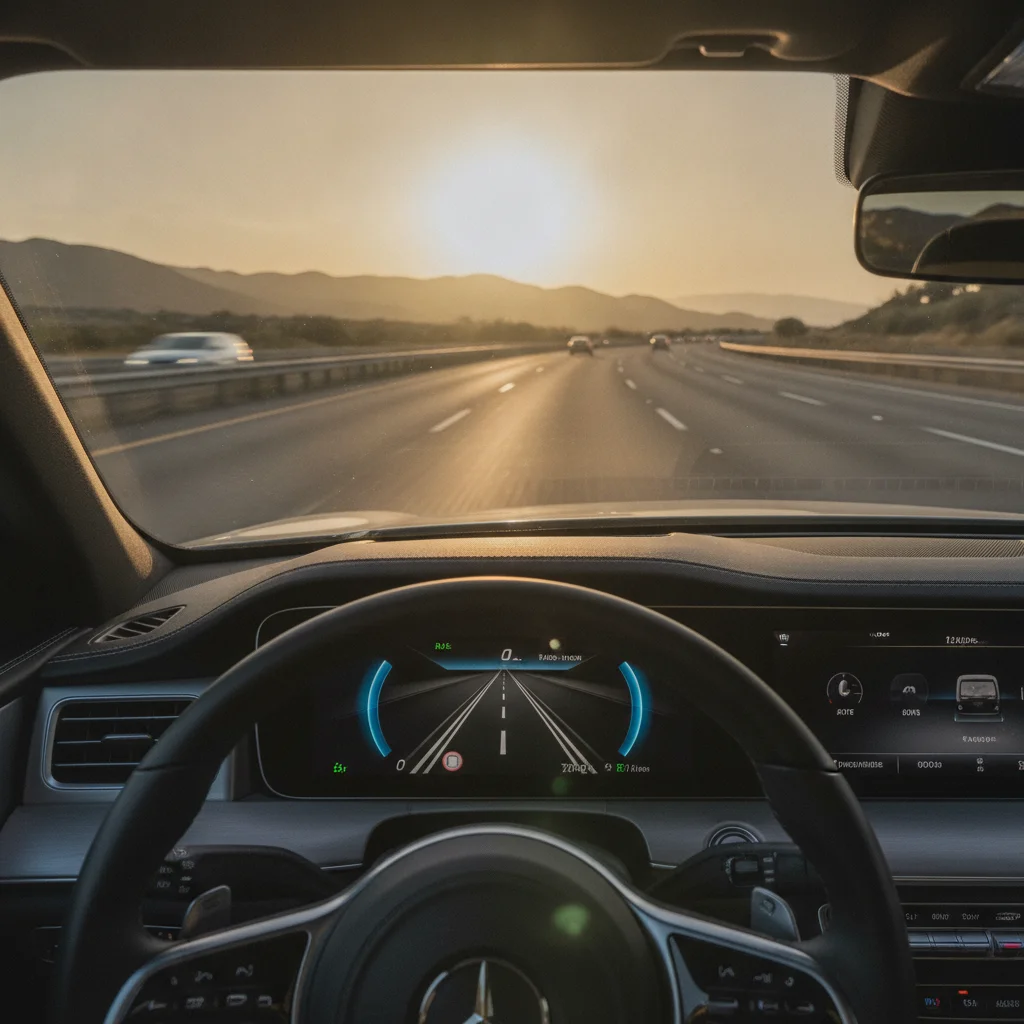
Blind Spot Monitoring and Rear Cross-Traffic Alert
Blind spot monitoring (BSM) uses radar sensors mounted in the rear bumper to detect vehicles traveling in adjacent lanes and alert the driver — usually through a light in or near the side mirror. Rear cross-traffic alert (RCTA), a related feature, warns drivers backing out of parking spaces when vehicles are approaching from either side.
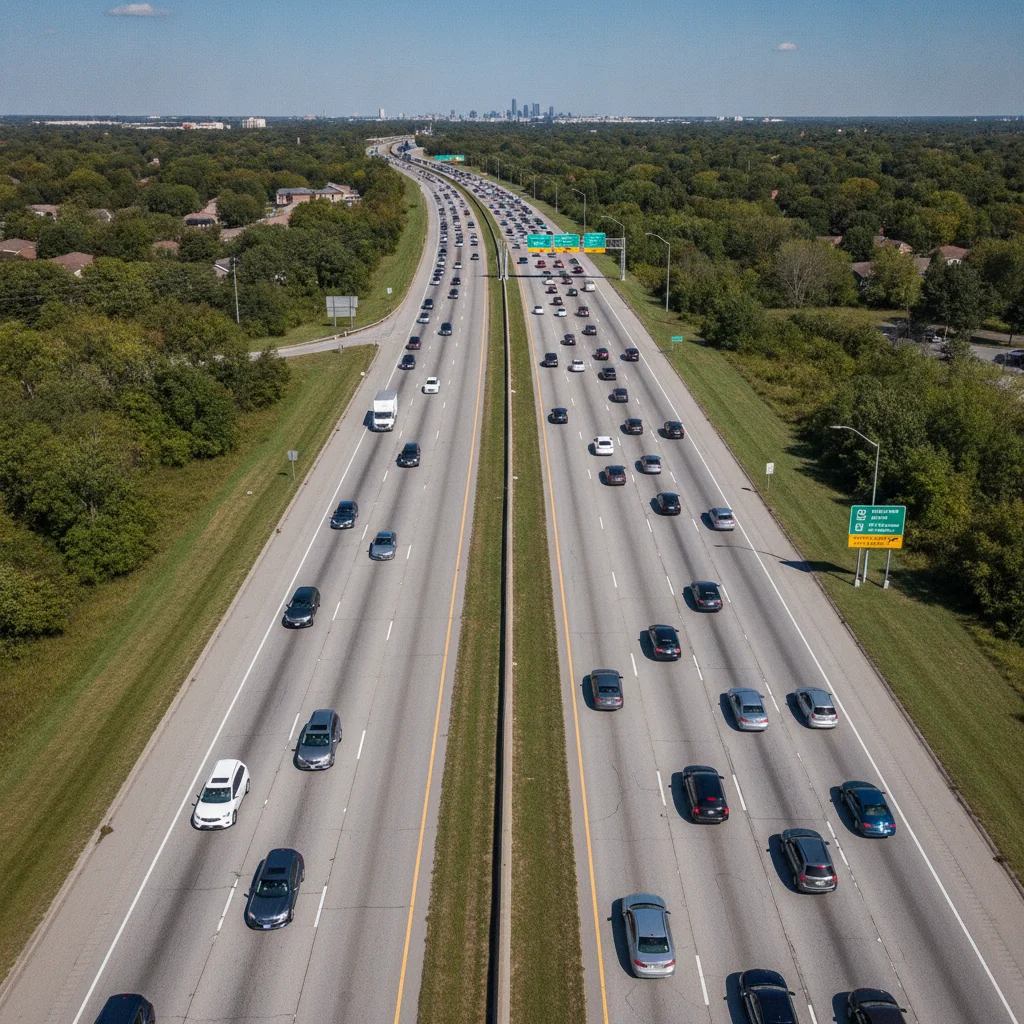
IIHS research published in 2019 found that BSM reduced lane-change crashes by approximately 14% and injury-level lane-change crashes by 23%. Those are solid numbers, and they reflect a system that addresses a genuinely high-risk maneuver — changing lanes on a multi-lane highway is a disproportionate contributor to sideswipe and merge crashes. For more context on how lane position affects crash risk, see which lane is safest on a multi-lane highway.
Overreliance on BSM Can Create New Risks
Drivers who habitually check mirrors less because they trust their blind spot monitoring system may be trading one vulnerability for another. BSM sensors have range limitations and can miss fast-approaching motorcycles, cyclists, or vehicles in adjacent lanes under certain angle conditions. Use BSM as a confirmation tool, not a substitute for checking your mirrors and physically scanning before a lane change.
RCTA has a narrower but highly practical use case. Parking lot incidents — low-speed but costly — account for a substantial share of insurance claims each year. A system that audibly warns you about a crossing SUV while you're reversing out of a parking space isn't dramatic, but it prevents real damage. Many insurers recognizes this in their risk modeling, which is one reason vehicles equipped with comprehensive active safety packages can qualify for lower premiums through programs like those described in how safe driver programs at major insurers work.
How the Major Safety Technologies Compare
The table below summarizes how the four most widely deployed active safety technologies compare across the criteria that matter most to everyday drivers — from crash reduction evidence to how well the systems actually function in real-world conditions.
| Automatic Emergency Braking | Lane-Keeping Assist | Blind Spot Monitoring | Adaptive Cruise Control | |
|---|---|---|---|---|
| Crash reduction evidence | Very strong (up to 50% fewer rear-end crashes) | Moderate (~20% lane-departure reduction) | Solid (14–23% lane-change reduction) | Moderate; indirect benefit |
| Driver action required | None — fully autonomous | Minimal — monitors and corrects | Attention to mirror alerts | Active monitoring still needed |
| Failure modes / limitations | Poor night pedestrian detection on some models | Can annoy drivers into disabling it | Doesn't stop a lane change — only warns | Automation complacency; poor with stopped objects |
| Availability on new cars | Standard on 95%+ of 2024 models | Common but not universal as standard | Widely available; often standard on mid-trims | Common; often paired with ACC systems |
| IIHS testing coverage | Comprehensive; vehicle-to-vehicle and pedestrian | Tested but varies by system quality | Tested; limited to lane-change scenarios | Evaluated indirectly through AEB integration |
| Real-world usability | High — passive and unintrusive | Variable — best systems are seamless | High — simple visual alerts | High for highway; limited in city driving |
| Best use scenario | All driving environments | Highway commutes, long distances | Multi-lane roads, lane changes | Highway driving, consistent speeds |
One pattern worth noting: the technologies with the strongest crash-reduction evidence (AEB, BSM) also tend to be the most passive — they require the least conscious engagement from the driver. Systems that demand active attention to work well, like LDW, depend on a driver who is already attentive enough to respond to alerts. That's a structural limitation that no amount of sensor improvement fully resolves.
Adaptive Cruise Control: Convenience Feature or Safety System?
Adaptive cruise control (ACC) automatically adjusts vehicle speed to maintain a set following distance from the car ahead. Marketed primarily as a convenience feature for highway driving, ACC has genuine safety implications — but they cut in multiple directions.
On the positive side, ACC helps maintain consistent following distances that human drivers routinely underestimate. Research consistently shows that tailgating — following too closely — is a primary contributing factor in rear-end crashes, which account for roughly 29% of all U.S. crashes according to NHTSA data. A system that mechanically enforces a safe gap removes a common human judgment error from the equation.
The risk is automation complacency. Drivers using ACC for extended periods on highways tend to reduce their scanning frequency and overall situational awareness. Studies from Sweden and the Netherlands found that ACC users showed measurably lower engagement with the driving task over time. This matters because ACC has real limitations: most systems don't brake well for stationary objects, can struggle in heavy rain or snow, and aren't designed for stop-and-go city traffic at lower speeds.
The most effective configuration pairs ACC with AEB as a backstop — the cruise control maintains spacing under normal conditions, while AEB provides emergency braking if the situation escalates faster than ACC can respond. Most current vehicles offering ACC include some form of AEB integration, but buyers should confirm this rather than assume it.
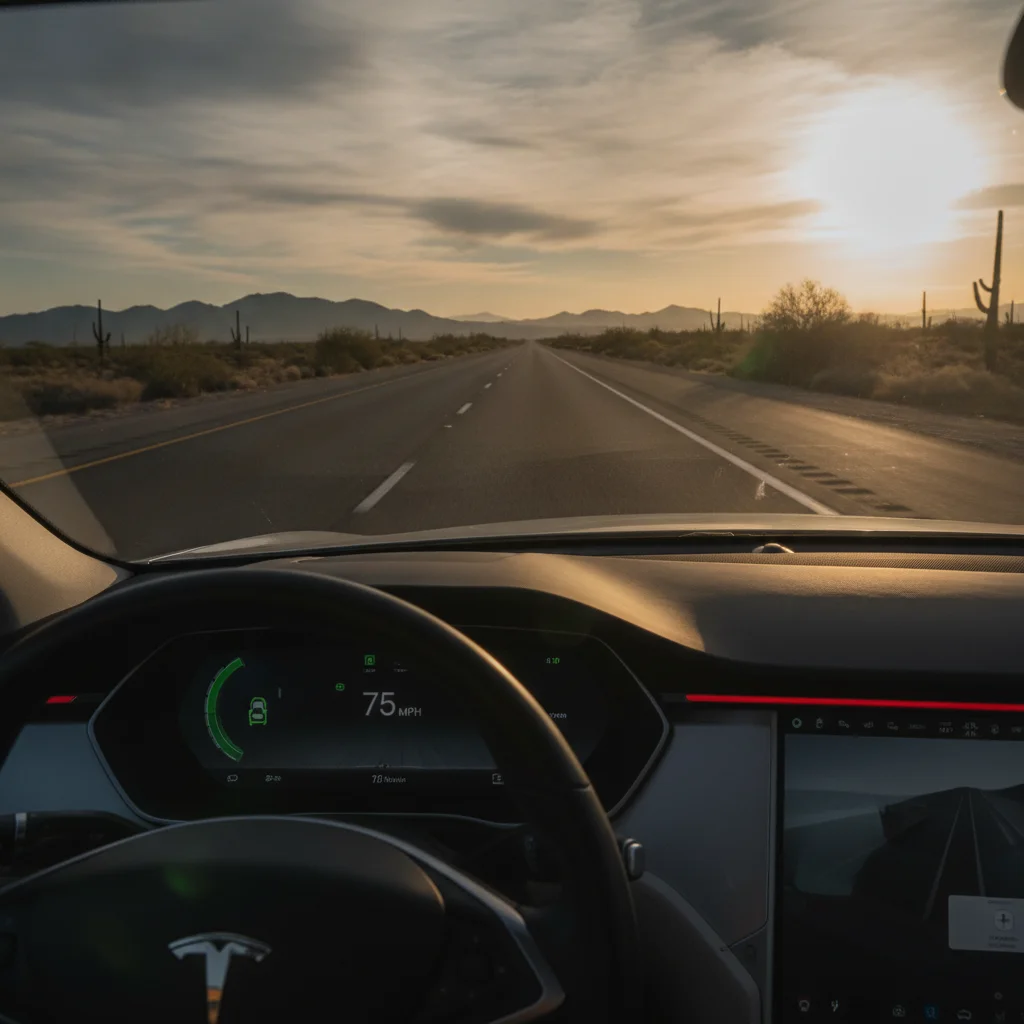
Understanding these interactions is part of what defensive driving on American roads actually looks like in a tech-equipped vehicle — you're managing both your own behavior and the behavior of automated systems.
What to Look For When Shopping for a Safe Vehicle
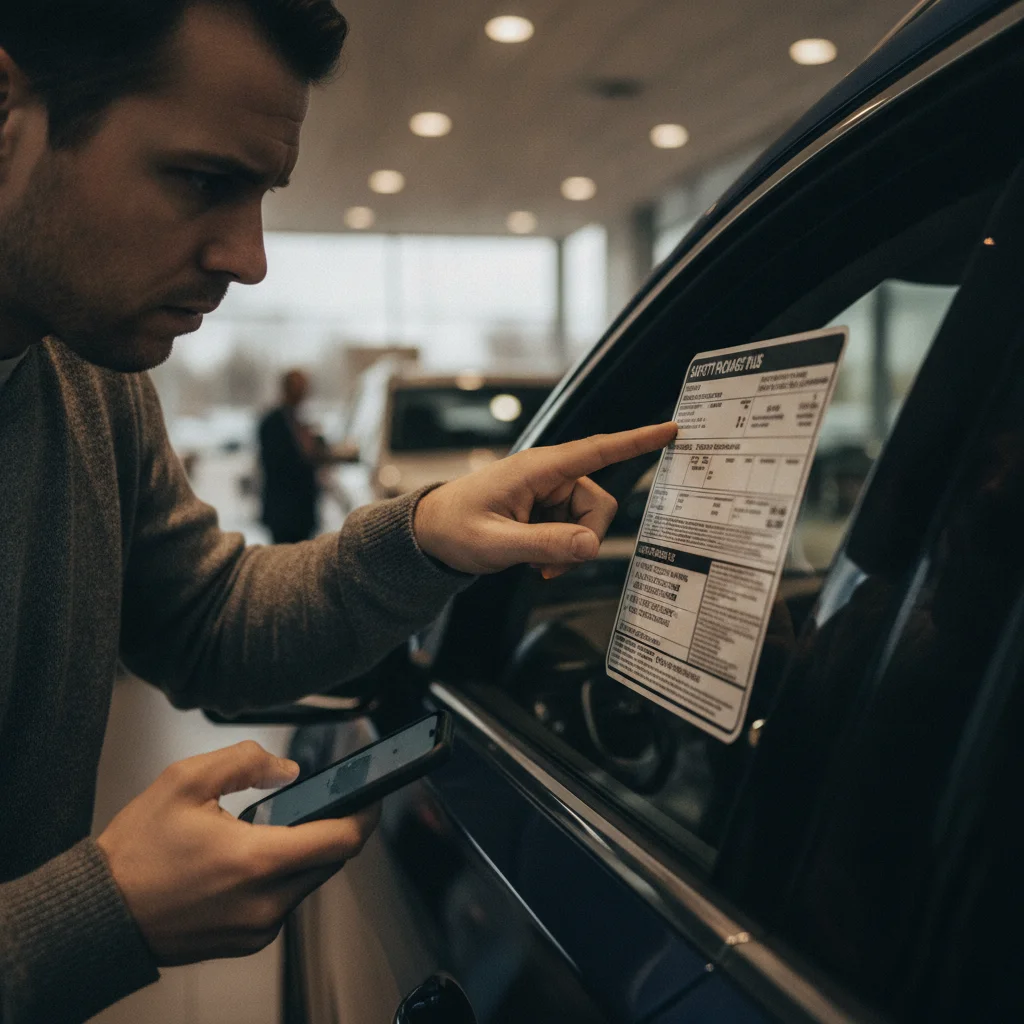
The presence of a safety feature badge on a window sticker doesn't tell you how well that system was implemented. Here's a practical framework for evaluating active safety technology when comparing vehicles:
- Check IIHS's active safety ratings specifically. The IIHS Superior/Advanced/Basic grading for front crash prevention, pedestrian detection, and vehicle-to-vehicle detection is more granular and predictive than star ratings for these features.
- Look for standard equipment, not option packages. A safety feature you have to pay extra for is a feature many buyers will skip. As of 2024, AEB is standard on more than 95% of new vehicles sold in the U.S. — but pedestrian detection and LKA still appear as optional upgrades on some models.
- Test the usability before you commit. During a test drive, activate the lane-keeping assist and blind spot monitoring and evaluate whether they feel intuitive or intrusive. A frustrating system is a disabled system.
- Understand update policies. Some manufacturers push over-the-air software updates to improve safety system performance over time. Others require dealer visits or don't update at all. This matters for the long-term effectiveness of sensor-dependent features.
Finally, remember that technology is only part of the equation. The most crash-reducing behavior remains attentive, unhurried driving — something no sensor can fully replicate. For a structured look at evidence-based driving habits, defensive driving techniques for American roads offers a useful complement to the technology discussion here. And if your vehicle has a roundabout ahead: roundabouts are statistically safer than four-way stops, so learning to navigate them confidently adds another layer of real-world protection.

All claims are backed by peer-reviewed research. Sources on request.