Key Takeaways
Why Disputed Liability Claims Are So Common
Every driver who's ever been in an accident believes, at least initially, that the other person caused it. That's human nature — and it's exactly why disputed liability is one of the most frequent friction points in the entire auto insurance process.
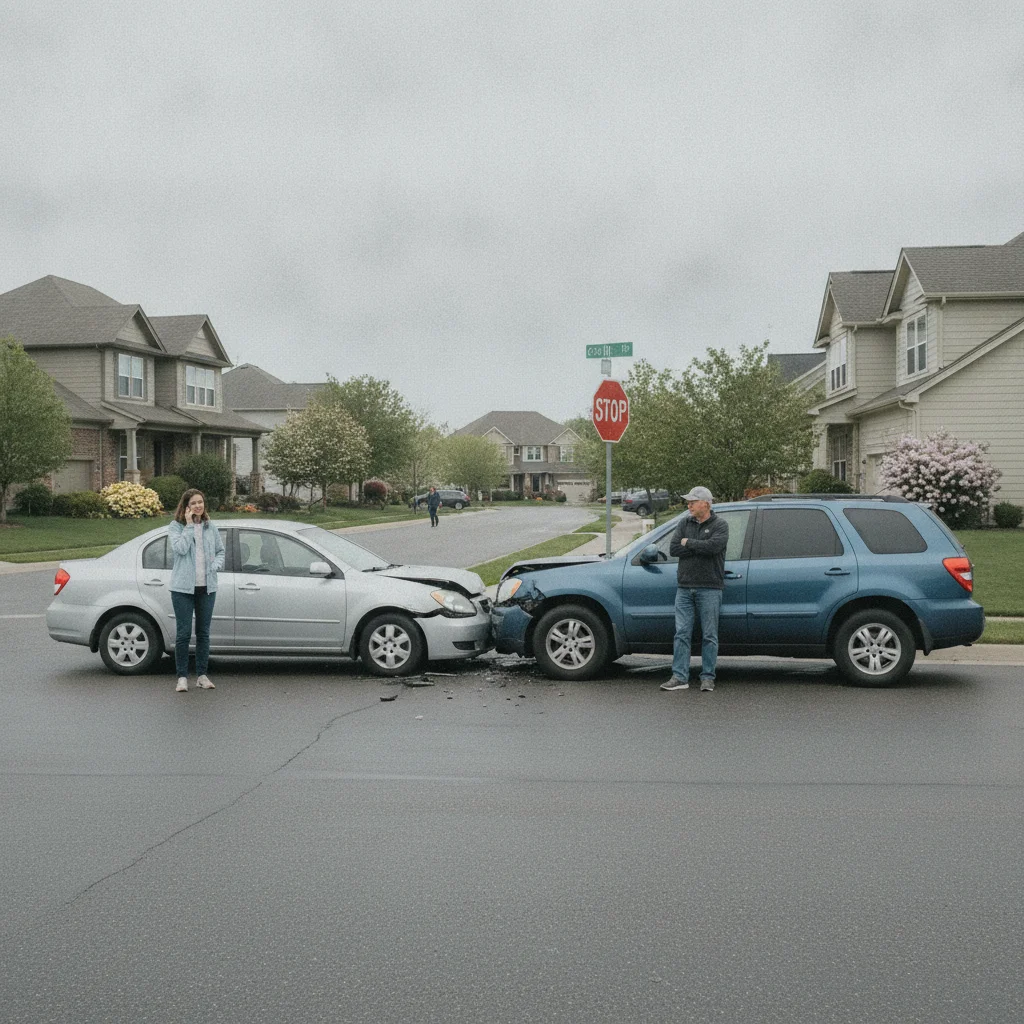
A disputed liability claim arises when both parties insist the other driver was at fault and neither insurer can immediately accept or deny responsibility. This isn't a rare edge case. It happens in intersection collisions where right-of-way is ambiguous, in lane-change crashes where both drivers claim they had clear space, and in rear-end collisions where the lead driver made a sudden, unexpected stop.
The claims process doesn't pause just because blame is unclear. Insurers open parallel investigations, adjusters gather evidence independently, and in the meantime, your damaged car may sit in a lot and your medical bills may start arriving. Understanding what's actually happening behind the scenes — and how to position yourself correctly from the very first minute — is the difference between a fair settlement and a frustrating stall.
For a broader look at how liability coverage is structured and what it's designed to pay for, it helps to understand the policy mechanics before a claim ever arises.
What You Need Before You Start the Claims Process
Before you file anything or make any calls to insurers, you need a solid documentation foundation. The strength of your position in a disputed claim is almost entirely determined by the evidence you collected at the scene and in the days immediately after.
What you will need
Dashcam footage
Provides objective video evidence of the moments before and during impact, which can resolve disputes about speed, lane position, and traffic signal status.
Smartphone camera
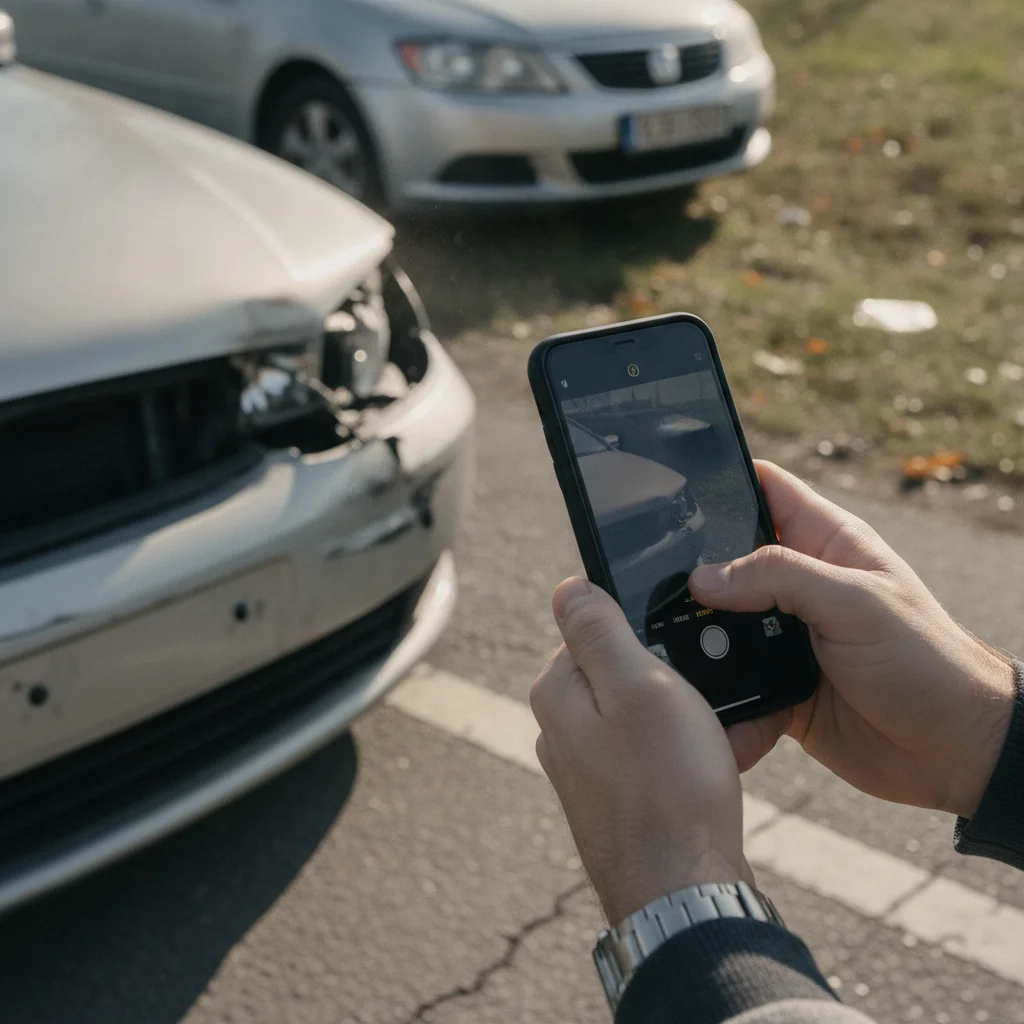
Used to photograph vehicle damage, road conditions, skid marks, traffic signs, and the overall scene layout.
Written accident account
A detailed, timestamped narrative you write in your own words while the event is fresh — used as a reference when giving statements to adjusters.
Police report
An official record of the accident that adjusters use heavily when assessing liability; includes officer observations and any citations issued.
Witness contact list
Names and phone numbers of anyone who saw the accident and can provide a third-party statement to either insurer.
Personal injury attorney
Provides legal representation and negotiation leverage when injuries are involved or when both insurers deny your claim.
If you didn't capture everything you needed at the scene, don't panic — but move quickly. Surveillance footage from nearby businesses gets overwritten. Witnesses' memories fade. Skid marks wash away. The sooner you gather supplementary evidence, the better your standing.
Step-by-Step: Protecting Yourself in a Disputed Liability Situation
Follow these steps in order. The early steps are time-sensitive; the later ones involve the investigation and negotiation phases that can unfold over days or weeks.
Secure the scene and call the police
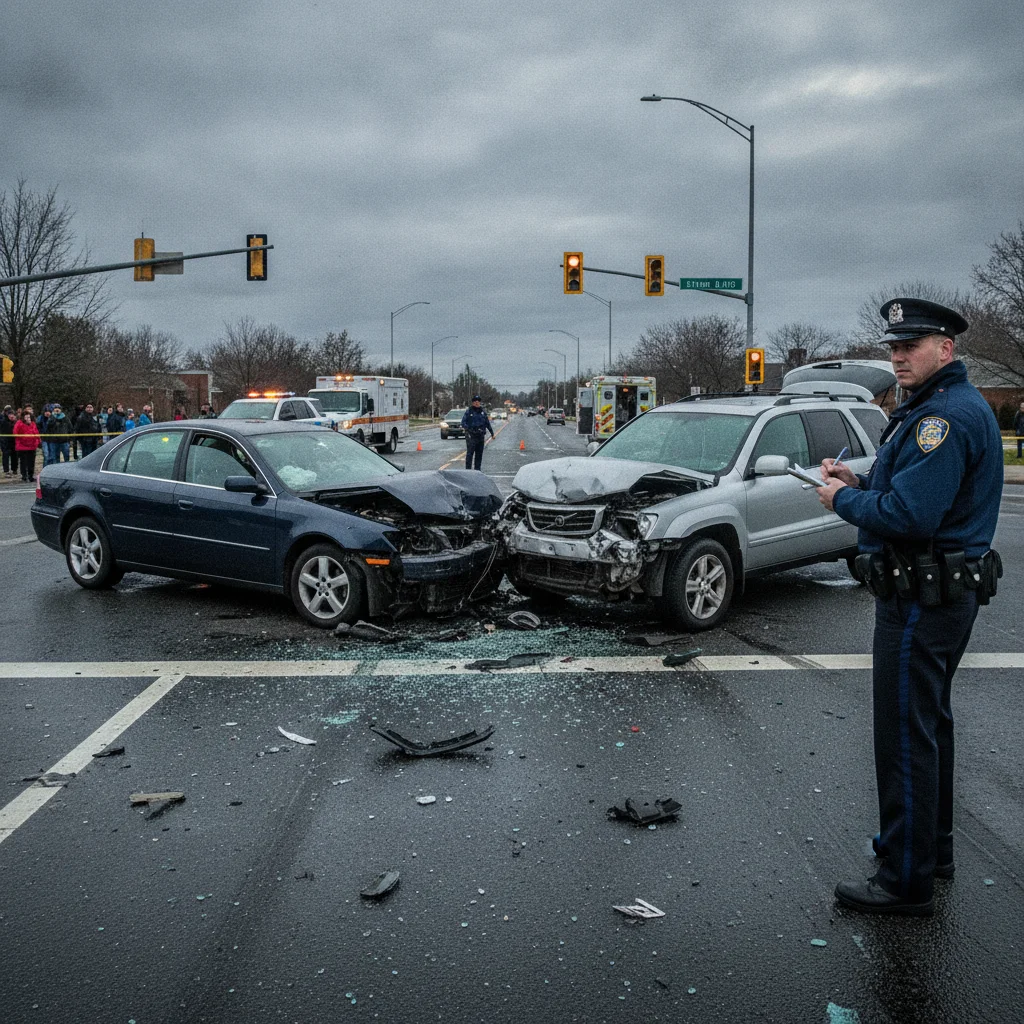
If it's safe to do so, move vehicles out of active traffic lanes and turn on hazard lights. Call 911 regardless of how minor the accident seems. In a disputed liability situation, having a police report is not optional — it's one of the most influential documents in the entire investigation.
When the officer arrives, provide factual information only: what you saw, what direction you were traveling, what the signal showed. Do not speculate about speed, blame, or what the other driver should have done. Let the officer draw their own conclusions from the physical evidence.
Document everything before leaving the scene
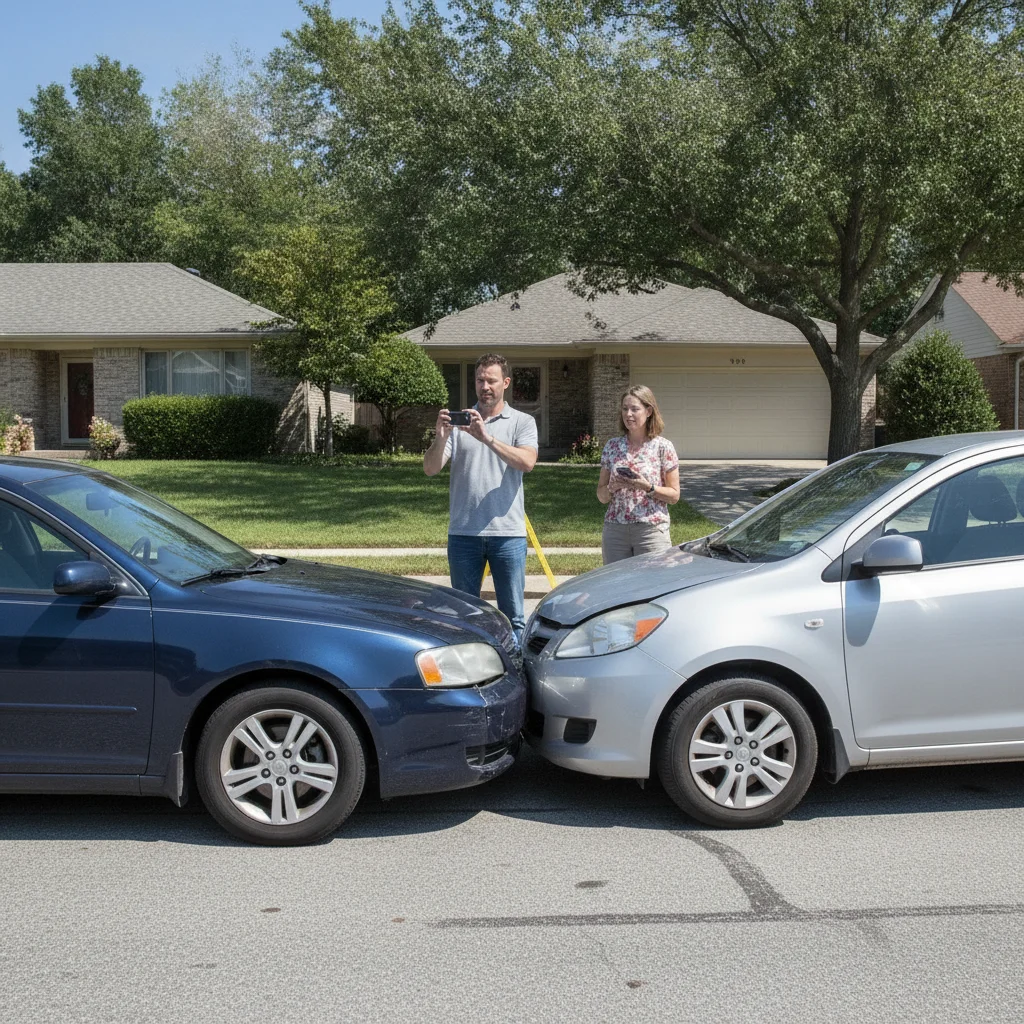
Use your phone to photograph and, where possible, video the following:
- All four sides of both vehicles, including close-ups of impact points and wider shots showing vehicle positions
- Skid marks, debris fields, and fluid spills on the road
- Traffic signs, signals, lane markings, and sight-line obstructions
- Road conditions — wet pavement, potholes, faded lane markings
- The other driver's license, registration, and insurance card
- Any visible injuries to yourself or passengers
If there are witnesses, approach them calmly and ask if they'd be willing to provide their name and contact information. You don't need a statement on the spot — just a way to reach them later.
Do not admit fault or speculate at the scene
This step is about what you don't do. The phrases that come naturally after a stressful collision — "I'm so sorry," "I didn't even see you," "I might have run that light" — can be used against you in ways you won't be able to undo.
Be civil and exchange the required information. Check that the other driver is okay. But keep your substantive account of what happened for your adjuster and, if needed, your attorney — not for a roadside conversation with someone who may soon be filing a claim against you.
Write your account of the accident immediately
As soon as you're somewhere safe — in your car after the police leave, or at home that evening — write a detailed account of everything you remember. Include:
- Your route and direction of travel
- Speed you were traveling and whether you'd changed speed recently
- What the traffic signal or sign showed as you approached
- Exactly when you first saw the other vehicle
- What you did in response
- The point of impact and how the vehicles came to rest
This written account serves as your reference document when you give recorded statements to adjusters — sometimes weeks after the accident, when memory has naturally degraded.
Notify your own insurer promptly
Call your insurance company to report the accident, even if you believe the other driver is entirely at fault. Most policies require prompt notification as a condition of coverage — waiting too long can jeopardize your own claim.
When you report, stick to the facts. You don't need to assign blame or predict how fault will be determined. Simply describe what happened and indicate that liability is in dispute. Your insurer will open a claim file and assign an adjuster.
Reporting to your own insurer doesn't prevent you from also pursuing the other driver's policy. Understanding how liability insurance responds from the other driver's perspective helps you anticipate what their insurer's adjuster will be trying to establish.
Give your recorded statement carefully
Both insurers will likely request a recorded statement from you. You are generally required to give one to your own insurer as a condition of your policy. You are not required to give one to the other driver's insurer — and in a disputed situation, you may want to consult with an attorney before doing so.
When you do give a recorded statement, follow these guidelines:
- Answer only the question asked. Don't volunteer additional information.
- Say "I don't know" or "I don't remember" when that's genuinely true. Guessing creates inconsistencies.
- Refer to your written account to keep your timeline consistent.
- Avoid words like "I think" or "I believe" when describing facts you actually observed. Be direct.
Track and preserve all evidence and expenses
From the moment of the accident forward, keep a running file of everything related to the incident:
- All medical visit records, diagnoses, and bills
- Prescription costs and receipts for out-of-pocket expenses
- Rental car costs if your vehicle is undrivable
- Repair estimates and final invoices
- Correspondence with both insurers (emails, letters, claim numbers)
- Time missed from work and documentation of lost wages
In a disputed claim, settlement can take weeks or months. Thorough, organized documentation gives you a verifiable record of your actual damages — which is the foundation of any negotiation or legal action.
Filing Through Your Own Insurer Has Real Advantages
When liability is disputed, filing through your own collision coverage gets your car repaired faster — you pay your deductible upfront, but your insurer then pursues the other driver's policy through subrogation. If they recover funds successfully, you get your deductible back. It's not a concession of fault; it's a practical way to avoid waiting months for a dispute to resolve while your car sits damaged.
Check Whether Your State Has a Dash Cam Law
Dashcam footage can single-handedly resolve a disputed liability claim, but a handful of states have restrictions on windshield-mounted devices or recording consent requirements. Before relying on your footage as evidence, verify it was recorded legally in your state. In most states, dashcam recording is fully permissible and the footage is admissible.
Preserve Surveillance Footage Before It's Overwritten
Many gas stations, parking lots, and businesses near accident scenes have security cameras that may have captured the collision. Footage is routinely overwritten within 24 to 72 hours. If you believe a nearby camera may have recorded the accident, contact the business owner or, if an attorney is involved, have them send a preservation letter immediately.
Don't Settle Quickly Under Pressure
The other driver's insurer may contact you quickly with a settlement offer before the extent of your injuries or vehicle damage is fully known. Accepting a settlement closes your claim permanently — you won't be able to return for additional compensation if medical issues emerge later. Never accept a first offer without fully understanding the scope of your damages, and ideally not without reviewing it with an attorney if injuries are involved.
Social Media Can Undermine Your Claim
Adjusters and opposing attorneys do look at public social media activity. Photos or posts that contradict your claimed injuries or suggest you're doing fine can be used to challenge your damages. During an active disputed claim, avoid posting about the accident or your physical condition on any public platform.
Gaps in Medical Treatment Hurt Your Case
If you're claiming injuries, seek medical attention promptly and follow through with all recommended treatment. Gaps in treatment — where you skip appointments or stop going for weeks — are used by opposing adjusters to argue your injuries weren't serious or were caused by something else. Consistent medical records build a consistent damages narrative.
How Insurers Investigate Disputed Liability
Once both parties file claims, each insurer assigns an adjuster to investigate independently. They are not working together — they are each building a case for their own policyholder, and they often reach different conclusions about fault.
Here's what adjusters typically examine:
- Police report: Not legally binding, but heavily weighted. The responding officer's narrative and any citations issued carry significant influence.
- Physical evidence: Vehicle damage patterns can reveal a lot. A T-bone impact on a car's passenger side tells a different story than one on the driver's side. Adjusters and sometimes independent accident reconstruction experts analyze damage location, severity, and direction of force.
- Photos and video: Your scene photos, any dashcam footage, and surveillance video from nearby cameras.
- Recorded statements: Both drivers are usually asked to give a recorded statement. What you say here matters — see the warning below.
- Witness statements: Third-party accounts carry outsized weight precisely because witnesses have no stake in the outcome.
- Traffic signal data and black-box data: In some cases, intersection cameras, vehicle event data recorders (EDRs), or telematics from usage-based insurance programs can provide objective speed and braking data.

When the two insurers reach conflicting conclusions — which is common — the claim may move toward inter-company arbitration. This is a formal dispute resolution process between the two insurance companies, typically through the Arbitration Forums system, where a neutral panel decides fault percentages. You're not directly involved in arbitration, but its outcome determines how the insurers settle with each other and, consequently, how much each pays out on your claim.
To understand exactly how this sequence flows from accident to settlement, the full claims timeline is worth reviewing before you're in the middle of it.
Do Not Give a Statement to the Other Insurer Without Preparation
You are not legally required to give a recorded statement to the other driver's insurance company, and in a disputed liability situation, doing so without preparation carries real risk. The other insurer's adjuster is not your advocate — their job is to protect their policyholder. If you feel pressured to give a statement before you're ready, tell them you'll call back, consult with your own adjuster or an attorney first, and approach the call with your written account in hand.
Contributory Negligence States Can Bar All Recovery
If you live in a contributory negligence state — including Virginia, Maryland, Alabama, North Carolina, or Washington D.C. — being found even partially at fault may legally bar you from recovering anything from the other driver's insurer. In these jurisdictions, the stakes of a disputed liability investigation are dramatically higher, and consulting an attorney before giving any statements or accepting any findings is strongly advisable.
Comparative Negligence: When Both Drivers Share Blame
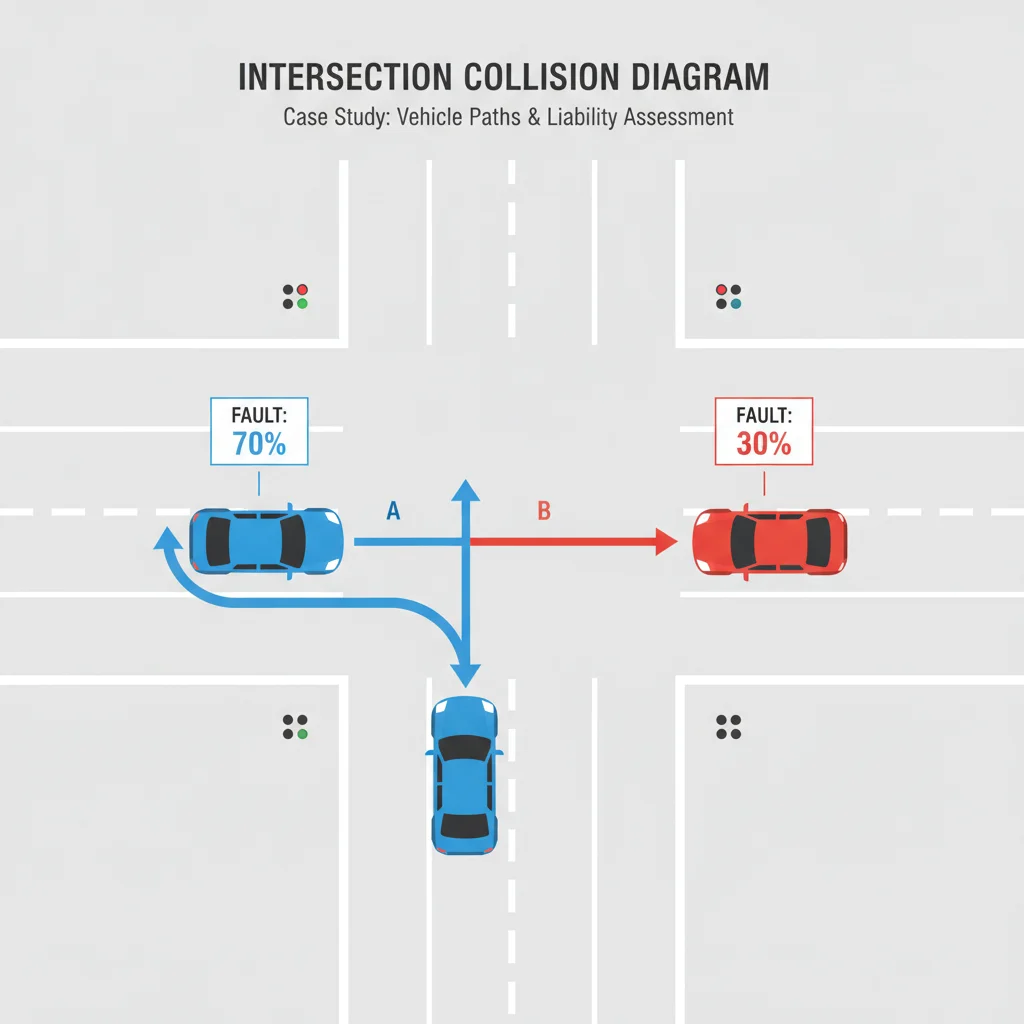
Most states operate under some form of comparative negligence, which means fault doesn't have to be 100% one driver's responsibility. The blame can be split — 70/30, 50/50, even 90/10 — and payouts are adjusted accordingly.
There are two main frameworks:
| Framework | How It Works | Where It Applies |
|---|---|---|
| Pure Comparative Negligence | You can recover damages regardless of your fault percentage. If you're 80% at fault, you collect 20% of your damages. | About 13 states, including California and New York |
| Modified Comparative Negligence | You can recover only if you're less than 50% (or 51%, depending on the state) at fault. At or above that threshold, you collect nothing. | Most other states |
| Contributory Negligence | If you're even 1% at fault, you may be barred from recovering anything. | A small minority of states, including Virginia and Maryland |
Knowing your state's framework matters because it directly affects your strategy. In a pure comparative negligence state, even if the investigation assigns you 40% of the blame, you still have a meaningful claim. In a contributory negligence state, a finding of any shared fault could wipe out your recovery entirely — which makes fighting the liability determination much more consequential.
Check your state's specific rules before assuming what a partial-fault finding means for your payout.
When to Get an Attorney Involved
Not every disputed liability claim needs legal representation, but some clearly do. The cost-benefit calculation changes significantly depending on the stakes.
Strong signals that you should consult an attorney:
- There are injuries involved — yours, a passenger's, or the other driver's
- Your insurer and the other insurer have both denied your claim or assigned you majority fault
- The dollar amounts are significant enough that a lawyer's contingency fee still leaves you ahead
- There's a clear factual dispute that you believe physical evidence would resolve in your favor
- The other driver's insurer is pressuring you to settle quickly for an amount that doesn't cover your actual damages
Most personal injury attorneys offer free consultations for accident cases and work on contingency — meaning they take a percentage of the settlement rather than charging upfront. That structure makes it low-risk to at least get a professional read on your situation.
If injuries aren't involved and the dispute is purely about property damage, the math often doesn't support retaining an attorney. In that case, focus your energy on the evidence trail and, if your own insurer won't advocate for you, consider filing through your collision coverage and letting your insurer pursue subrogation against the other driver's policy.
Speaking of which — the decision between filing with your own insurer versus going directly through the at-fault driver's carrier is a meaningful strategic choice. Weighing those trade-offs carefully can affect both your timeline and your out-of-pocket costs.
For reference, the broader claims filing process has its own set of steps and timelines worth knowing regardless of which route you take.

All claims are backed by peer-reviewed research. Sources on request.