Key Takeaways
Antique / Classic Car Registration
Antique or classic car registration is a special vehicle registration status granted by state DMVs to vehicles that meet a minimum age threshold — typically 25 to 30 years old. Instead of standard annual registration, these vehicles receive specialty plates and pay reduced fees, often with a multi-year or permanent registration option. In exchange, owners generally agree to limit how the vehicle is used — for example, no daily commuting.
Age thresholds, fee structures, and usage restrictions vary significantly by state. Some states distinguish between 'antique,' 'classic,' 'historic,' and 'collector' designations, each with slightly different rules and plate types.
Why Classic Cars Get Their Own Registration Category
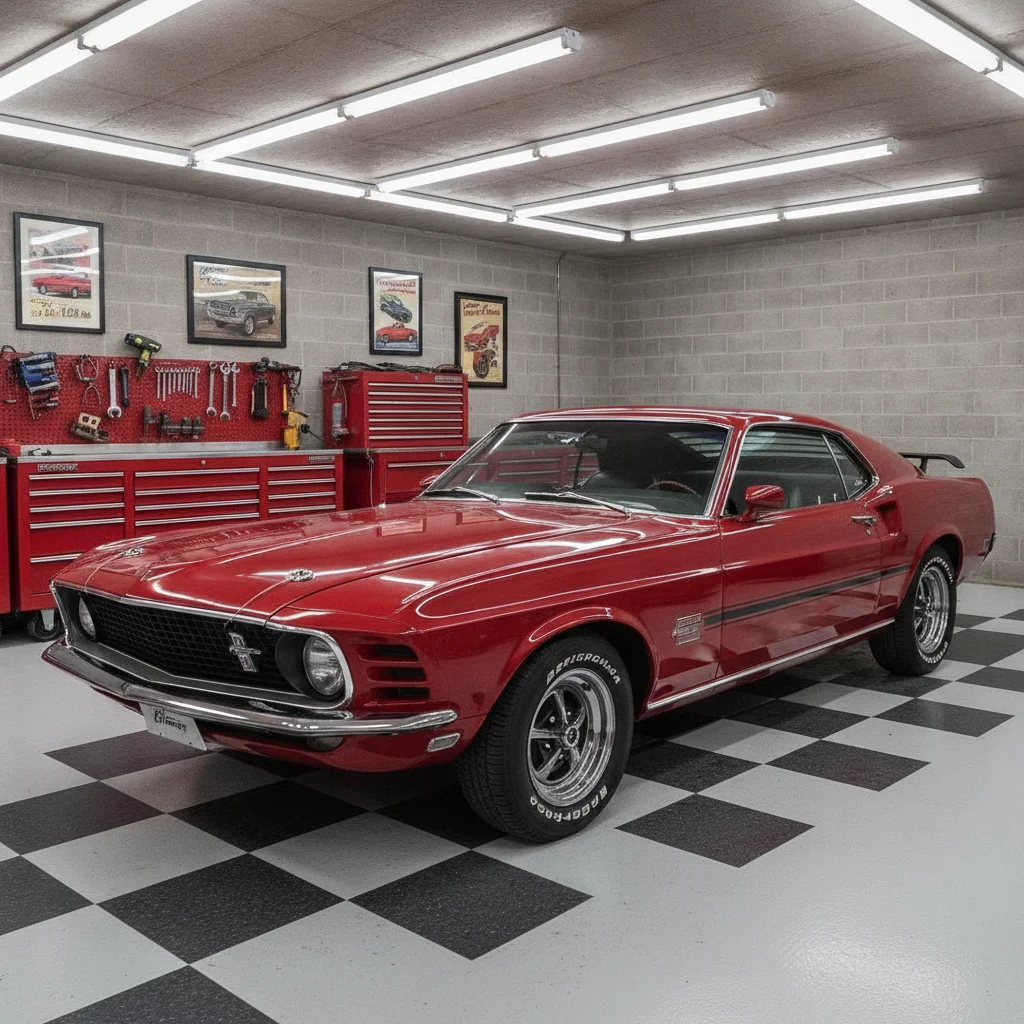
The registration system was built around the idea that cars are daily transportation — they wear out roads, contribute to emissions, and need annual safety checks. But a 1967 Mustang that sees the road three times a year for car shows is a fundamentally different animal than a 2018 commuter sedan racking up 15,000 miles annually. State governments recognized this distinction decades ago and created separate registration categories to reflect it.
The core logic is straightforward: vehicles used less intensively impose fewer costs on public infrastructure and emit far fewer total pollutants over a year than daily drivers. In exchange for accepting legal restrictions on how much and how they can be driven, owners of qualifying older vehicles get access to lower fees, special plates, and relief from emissions testing requirements that older engines simply cannot meet.
Understanding how this works matters for your wallet. Standard registration fees fund roads, emissions programs, and DMV operations — costs that don't apply in the same way to a garaged collector car. The special registration structure is the government's way of acknowledging that reality.
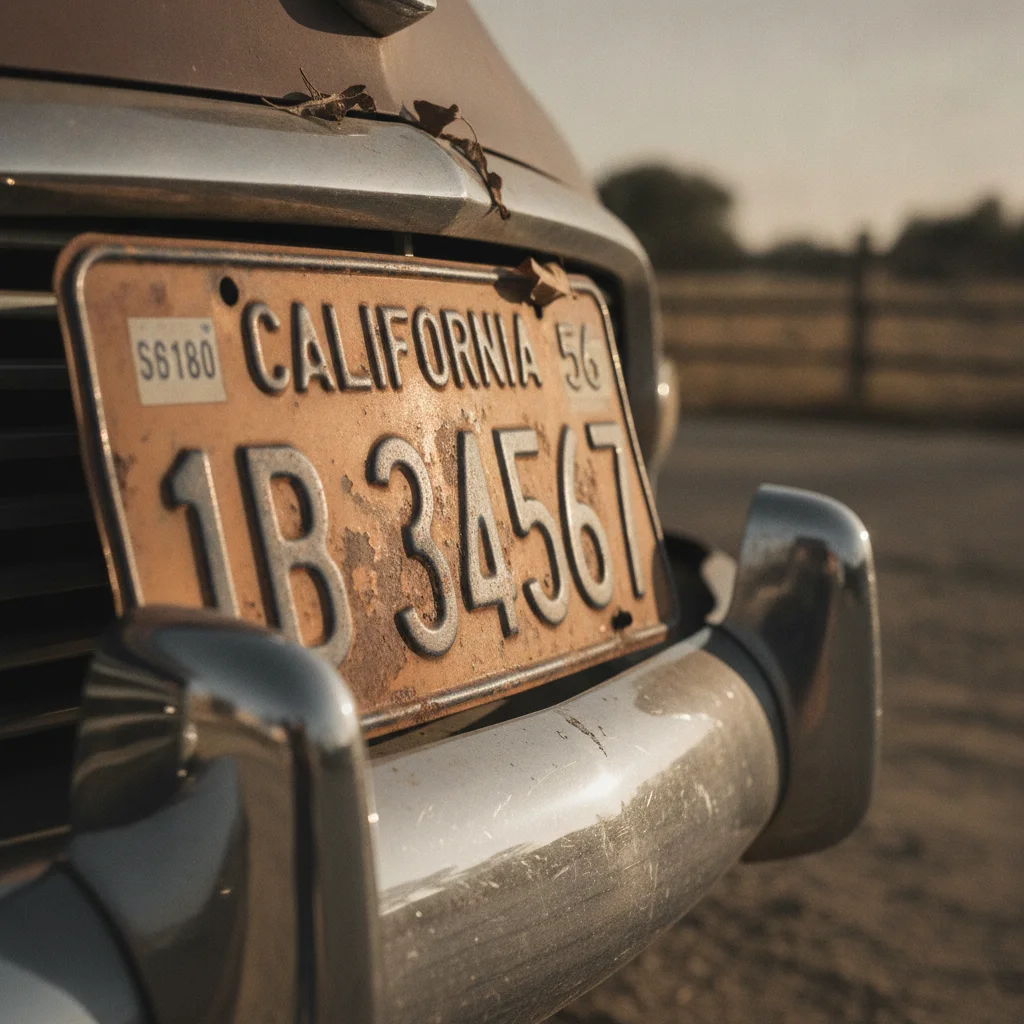
It's also worth noting that these programs have grown in popularity as the collector car hobby has expanded. Millions of Americans own vehicles that qualify — classic muscle cars, vintage trucks, antique motorcycles, and even early-era imports — yet many owners don't realize they're leaving money on the table by keeping their vehicle on a standard registration.
Age Thresholds: What Qualifies as 'Antique' or 'Classic'?
The most fundamental eligibility question is age. Here's where states diverge considerably, and the terminology can be confusing.
Common Age Thresholds by State
- 25 years — The most common threshold, used by the majority of states. A 1999 model year vehicle would qualify starting in 2024 under this rule.
- 30 years — Used by some states with stricter definitions of "antique." This is also the threshold used by many specialty insurance providers.
- 20 years — A minority of states use this lower cutoff, sometimes for a "classic" designation that sits between standard and antique status.
Many states also use a rolling model-year cutoff, meaning the qualifying threshold advances each January 1. This is important for vehicles right on the edge — a car that didn't qualify last year may qualify automatically this year without any change to the vehicle itself.
Terminology Varies Widely by State
Terms like 'antique,' 'classic,' 'historic,' and 'collector' do not have uniform legal meanings across all 50 states. A vehicle that qualifies as 'historic' in Maryland may need to meet different criteria for 'antique' status in Florida. Always refer directly to your state DMV's definitions before assuming any label applies to your vehicle.
Pennsylvania's Unusually Permissive Rules
Pennsylvania is a notable outlier — its antique vehicle registration program imposes far fewer usage restrictions than most other states, allowing owners to drive their vehicles more freely while still enjoying reduced fees. If you live in Pennsylvania or are buying a classic car registered there, be aware that what's permitted under Pennsylvania law may be a violation if you later move to another state.
Safety Inspections May Still Apply
An exemption from emissions testing does not automatically mean exemption from safety inspections. Many states continue to require periodic safety checks — covering brakes, tires, lights, and steering — even for antique-registered vehicles. Check your state's specific requirements to avoid an inadvertent lapse in compliance.
Terminology: Antique, Classic, Historic, Collector
These terms are not interchangeable across states. Some states use "antique" for vehicles over 25 years old, "historic" for over 20, and "classic" as a marketing term with no legal meaning. Others flip these definitions entirely. Always look up what your specific state's DMV means when it uses any of these terms — don't assume the label matches what you know from car culture.
Vehicle Condition and Originality Requirements
Age alone often isn't enough. Some states require that the vehicle be maintained to represent its original design and condition, or at minimum that it not be used as a modified "custom" vehicle. States like Virginia and Maryland have explicit requirements that antique-registered vehicles be maintained for show, parade, or club purposes and not substantially modified from original factory specifications. Other states are more permissive and only care about the age of the chassis.
25 years
Most common antique vehicle age threshold
The majority of U.S. states set their antique or historic registration eligibility at 25 model years, though thresholds range from 20 to 30 years depending on the state.
~$50
Typical one-time antique registration fee
Many states charge a one-time or multi-year antique plate fee in the range of $10–$75, compared to recurring annual standard registration fees that can exceed $150–$400 in some states.
45+ states
States offering antique or historic registration
Nearly every U.S. state has some form of reduced-fee registration program for vehicles meeting age and usage criteria, though program names, thresholds, and restrictions vary significantly.
$600+
Potential 10-year savings vs. standard registration
In states with higher standard registration fees, switching a qualifying vehicle to permanent antique status can save several hundred dollars over a decade of ownership.
The Fee Advantage: How Much Can You Actually Save?
The financial case for antique registration is real, but it depends heavily on your state's standard registration fee structure. In states where annual registration is value-based — meaning newer, more expensive vehicles pay more — the savings from switching an older vehicle to antique status can be modest. In states with flat or weight-based fees, the savings are more predictable.
Here's a rough picture of how the math works:
| Registration Type | Typical Annual Cost | Renewal Cycle |
|---|---|---|
| Standard (value-based state) | $100–$400+ | Annual |
| Standard (flat fee state) | $50–$150 | Annual |
| Antique / Historic plate | $10–$75 one-time or biennial | Multi-year or permanent |
Some states — including Texas and Florida — offer essentially permanent antique registration for a one-time flat fee under $100. Over a 10-year ownership period, that's potentially $500–$1,000 in savings compared to keeping the vehicle on standard annual registration.
Cumulative registration costs over a car's full ownership period can surprise people. Antique registration compresses that lifetime cost significantly for qualifying vehicles.
Check Your State's Threshold Every Year
If your vehicle is close to the qualifying age, check the current threshold each January — many states use a rolling model-year cutoff that advances automatically. A car that didn't qualify last year might qualify this year with no action on your part other than submitting the application.
Keep Your Title Clean Before Applying
Resolve any title issues — liens, missing signatures, or ownership disputes — before applying for antique registration. A clouded title can delay or block the process, and classic vehicle titles are sometimes messier than modern ones due to age and multiple previous owners. <a href="/maintenance-and-ownership/ownership-costs/registration-taxes/registering-a-car-you-inherited-or-received-as-a-gift">Inherited vehicle title transfers</a> can be particularly complex and should be sorted out first.
Use Specialty Insurance Alongside Antique Plates
If you're switching to antique registration, it's a natural time to shop specialty classic car insurance policies. These agreed-value policies protect what your car is actually worth — not a depreciated blue-book number — and their usage restrictions typically align with what antique registration already requires of you.
The emissions inspection exemption carries indirect financial value too. Older carbureted engines and pre-OBD vehicles can fail modern emissions tests for reasons that are expensive or impossible to correct while keeping the vehicle stock. Antique registration sidesteps that problem entirely in most states.
Usage Restrictions: The Trade-Off You're Agreeing To
Every antique registration program comes with strings attached. The usage restrictions are the government's way of ensuring the fee discount reflects actual reduced road use. Violating them — even unknowingly — can result in fines and forced conversion back to standard registration.
What's Typically Permitted
- Car shows, exhibitions, and club-sanctioned events
- Parades and organized public displays
- Occasional pleasure driving and leisure outings
- Driving to and from mechanical service or restoration shops
- Test drives related to a potential sale
What's Typically Prohibited
- Daily commuting to work or school
- Using the vehicle as primary family transportation
- Commercial use of any kind
- Regular errand-running (grocery trips, school pickups, etc.)
The gray area is "occasional pleasure driving" — a phrase many state statutes use without defining a specific mileage or trip limit. In practice, enforcement is rare and typically only triggered by accident investigations or traffic stops where an officer notices the antique plates on a vehicle that clearly looks like a daily driver. Still, the restriction is legally binding, and it's worth taking seriously.
Terminology Varies Widely by State
Terms like 'antique,' 'classic,' 'historic,' and 'collector' do not have uniform legal meanings across all 50 states. A vehicle that qualifies as 'historic' in Maryland may need to meet different criteria for 'antique' status in Florida. Always refer directly to your state DMV's definitions before assuming any label applies to your vehicle.
Pennsylvania's Unusually Permissive Rules
Pennsylvania is a notable outlier — its antique vehicle registration program imposes far fewer usage restrictions than most other states, allowing owners to drive their vehicles more freely while still enjoying reduced fees. If you live in Pennsylvania or are buying a classic car registered there, be aware that what's permitted under Pennsylvania law may be a violation if you later move to another state.
Safety Inspections May Still Apply
An exemption from emissions testing does not automatically mean exemption from safety inspections. Many states continue to require periodic safety checks — covering brakes, tires, lights, and steering — even for antique-registered vehicles. Check your state's specific requirements to avoid an inadvertent lapse in compliance.
A few states — most notably Pennsylvania — take a more permissive approach. Pennsylvania's antique registration allows essentially unrestricted use, making it an outlier worth knowing about if you live there or are considering a move. Always read your specific state's statute rather than relying on general assumptions.
Other registration exemptions and discounts exist alongside antique status — for veterans, disabled owners, and others — and some of these can stack with or substitute for the antique designation depending on circumstances.
How to Apply: The Actual Process
Switching to antique registration is generally less complicated than owners expect. The core process follows a similar pattern across most states:
- Confirm eligibility. Verify your vehicle's model year meets your state's age threshold. Pull up your DMV's current definitions — not a forum post from five years ago.
- Gather documentation. You'll typically need your current title (in your name), current registration, proof of insurance, and a completed application form. Some states require a safety inspection before issuing antique plates — even if ongoing emissions inspections are waived.
- Submit the application. Most states allow this at any DMV branch or by mail. A growing number offer online applications for registration changes, though antique plate requests sometimes still require in-person submission.
- Pay the fee. The one-time or multi-year antique registration fee is collected at this point. Keep your receipt — it serves as proof of registration until the new plates and sticker arrive.
- Receive and install plates. Antique or historic plates are typically distinctive — often featuring vintage styling or a specific color scheme. Some states allow owners to use original period-correct vintage plates from the vehicle's birth year in lieu of modern antique plates, subject to approval.
Check Your State's Threshold Every Year
If your vehicle is close to the qualifying age, check the current threshold each January — many states use a rolling model-year cutoff that advances automatically. A car that didn't qualify last year might qualify this year with no action on your part other than submitting the application.
Keep Your Title Clean Before Applying
Resolve any title issues — liens, missing signatures, or ownership disputes — before applying for antique registration. A clouded title can delay or block the process, and classic vehicle titles are sometimes messier than modern ones due to age and multiple previous owners. <a href="/maintenance-and-ownership/ownership-costs/registration-taxes/registering-a-car-you-inherited-or-received-as-a-gift">Inherited vehicle title transfers</a> can be particularly complex and should be sorted out first.
Use Specialty Insurance Alongside Antique Plates
If you're switching to antique registration, it's a natural time to shop specialty classic car insurance policies. These agreed-value policies protect what your car is actually worth — not a depreciated blue-book number — and their usage restrictions typically align with what antique registration already requires of you.
If you inherited or received a classic vehicle as a gift and are registering it for the first time, the process has an extra layer — you'll need to complete the title transfer before applying for antique status. Registering an inherited or gifted car involves its own set of documentation requirements that are worth understanding before you visit the DMV.

Insurance Considerations for Antique-Registered Vehicles
Registration and insurance are separate systems, but they interact in important ways for classic vehicles. Carrying antique plates doesn't automatically change your insurance requirements — you still need at least state-minimum liability coverage to legally operate the vehicle on public roads.
That said, most owners of antique-registered vehicles are better served by specialty classic car insurance than by standard auto policies for one critical reason: agreed value versus actual cash value.
A standard auto policy pays out "actual cash value" in a total loss — meaning the depreciated market value of the vehicle at the time of the claim. For a restored 1969 Camaro, that number may bear little relationship to what you actually have invested in the car. Specialty classic car insurers, by contrast, work from an agreed value set at policy inception — the amount you and the insurer agree the car is worth — and pay that full amount in a covered total loss with no depreciation haircut.
“The biggest mistake classic car owners make is treating an agreed-value policy like an afterthought. If your car has been restored or appraised above standard market value, a standard auto policy at claim time can leave you tens of thousands short of what you actually lost.”
— Ryan Schreiber, Classic Car Insurance Specialist and Collector Vehicle Appraiser
The practical trade-off is that classic car insurers typically require the same limited-use conditions that antique registration imposes — no daily driving, secure storage, often a primary daily-use vehicle in the household. If you're already complying with antique registration restrictions, you're likely already meeting the insurer's requirements.
Annual registration renewals work differently for antique plates — in states with permanent or multi-year antique registration, you won't receive an annual renewal notice the way standard-registration owners do. Set a personal calendar reminder to verify your registration status remains current, especially in states that issue stickers with expiration dates even on antique plates.
Common Mistakes and Misconceptions
After years of watching classic car owners navigate the registration system, a few avoidable errors come up repeatedly.
Assuming "25 Years Old" Means the Same Thing Everywhere
It doesn't. Some states measure from the manufacture date, some from the model year, and some have recently changed their thresholds. Don't assume what a neighbor in another state told you applies to your situation.
Thinking Antique Registration Covers All Uses
Some owners genuinely don't realize they've signed up for usage restrictions. They get their antique plates, enjoy the lower fee, and keep driving the car the same way they always did. This is a legal exposure that becomes relevant if you're ever involved in an accident — an insurer or opposing attorney can argue the vehicle wasn't legally registered for the purpose it was being used at the time.
Forgetting About Safety Inspections
Emissions exemption doesn't automatically mean safety inspection exemption. Many states still require periodic safety inspections for antique-registered vehicles, covering brakes, lights, tires, and steering. Check what your state requires — don't assume that because the vehicle is old, no inspections are needed.
Not Updating Registration When the Vehicle Changes Hands
Antique registration doesn't automatically transfer with the title when you sell a classic car. The plates stay with the seller in most states, and the new owner must apply fresh. If you're buying a classic car, don't assume the antique registration status carries over — budget and plan for the re-registration process as part of the purchase.
Terminology Varies Widely by State
Terms like 'antique,' 'classic,' 'historic,' and 'collector' do not have uniform legal meanings across all 50 states. A vehicle that qualifies as 'historic' in Maryland may need to meet different criteria for 'antique' status in Florida. Always refer directly to your state DMV's definitions before assuming any label applies to your vehicle.
Pennsylvania's Unusually Permissive Rules
Pennsylvania is a notable outlier — its antique vehicle registration program imposes far fewer usage restrictions than most other states, allowing owners to drive their vehicles more freely while still enjoying reduced fees. If you live in Pennsylvania or are buying a classic car registered there, be aware that what's permitted under Pennsylvania law may be a violation if you later move to another state.
Safety Inspections May Still Apply
An exemption from emissions testing does not automatically mean exemption from safety inspections. Many states continue to require periodic safety checks — covering brakes, tires, lights, and steering — even for antique-registered vehicles. Check your state's specific requirements to avoid an inadvertent lapse in compliance.

All claims are backed by peer-reviewed research. Sources on request.