Key Takeaways
Start here
What Is Vehicle Depreciation?
Build on it
How the Depreciation Curve Actually Works
Go deeper
What Makes a Car Depreciate Faster or Slower?
Apply it to buying
How Depreciation Affects Buying Decisions
Apply it to selling
How Depreciation Affects Selling and Trade-In Timing
Take action
Slowing Down Depreciation: What's Actually in Your Control
What Is Vehicle Depreciation?
Depreciation is the difference between what you paid for your car and what it's worth right now. That gap widens every single day you own the vehicle — and that's not a problem to panic over, it's just physics. Cars are machines, and machines wear out and get replaced by newer models. The market prices that reality in from day one.
Here's the part most first-time owners miss: depreciation isn't something that happens when you sell your car. It's happening right now, in real time, whether you're thinking about it or not. Every month you own your vehicle, its resale value is quietly adjusting downward. Understanding that is the first step to making smarter decisions about when to buy, what to buy, and when to let go.
Depreciation
The loss in a vehicle's market value over time. It's the difference between what you paid and what someone would pay for it today.
Residual Value
The estimated worth of a vehicle at a specific point in the future, often used by lenders and leasing companies to calculate payments.
Depreciation Curve
The pattern of how a vehicle loses value over time — steep in the early years and gradually flattening as the car ages.
Certified Pre-Owned (CPO)
A used vehicle that has been inspected and reconditioned by a manufacturer or dealer, typically backed by an extended warranty. CPO status can slow depreciation slightly.
Equity
The portion of your car's value that you actually own — calculated by subtracting any remaining loan balance from the vehicle's current market value.
Underwater (Negative Equity)
When you owe more on a car loan than the vehicle is currently worth. Fast depreciation combined with a long loan term is the most common cause.
Private-Party Value
The price a car is likely to sell for in a sale between two private individuals, as opposed to a dealer trade-in. Usually higher than trade-in value.
Market Demand
How many buyers are actively looking for a specific type of vehicle at a given time. High demand slows depreciation; low demand accelerates it.
Depreciation gets talked about a lot in financial circles as a cost of ownership, right up there with insurance, fuel, and maintenance. And honestly, for most vehicles, it's the single biggest cost. A car that drops $8,000 in value over its first two years of ownership is costing you roughly $333 a month in depreciation alone — before you've paid for a single tank of gas. That number deserves your attention.
For a broader look at what depreciation means for your net worth as an owner, this overview of car depreciation is a solid starting point.
How the Depreciation Curve Actually Works
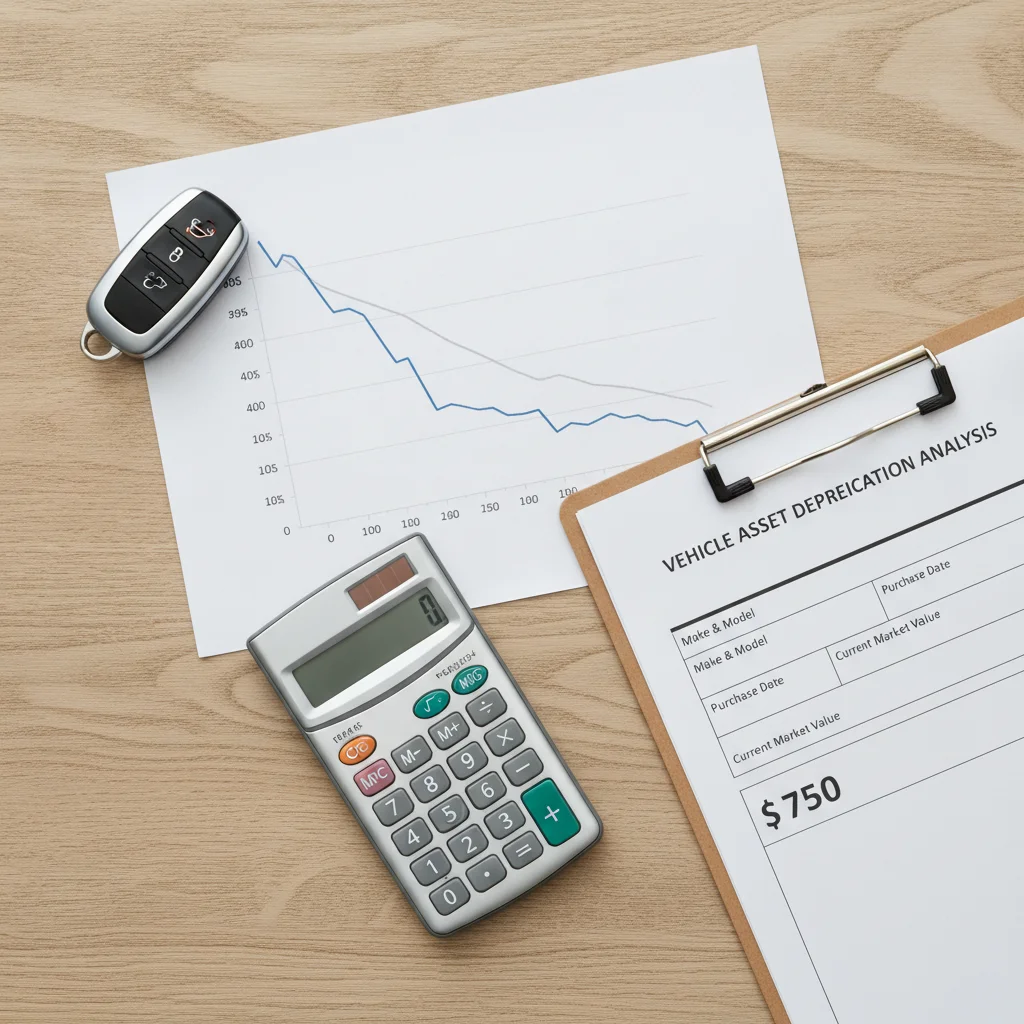
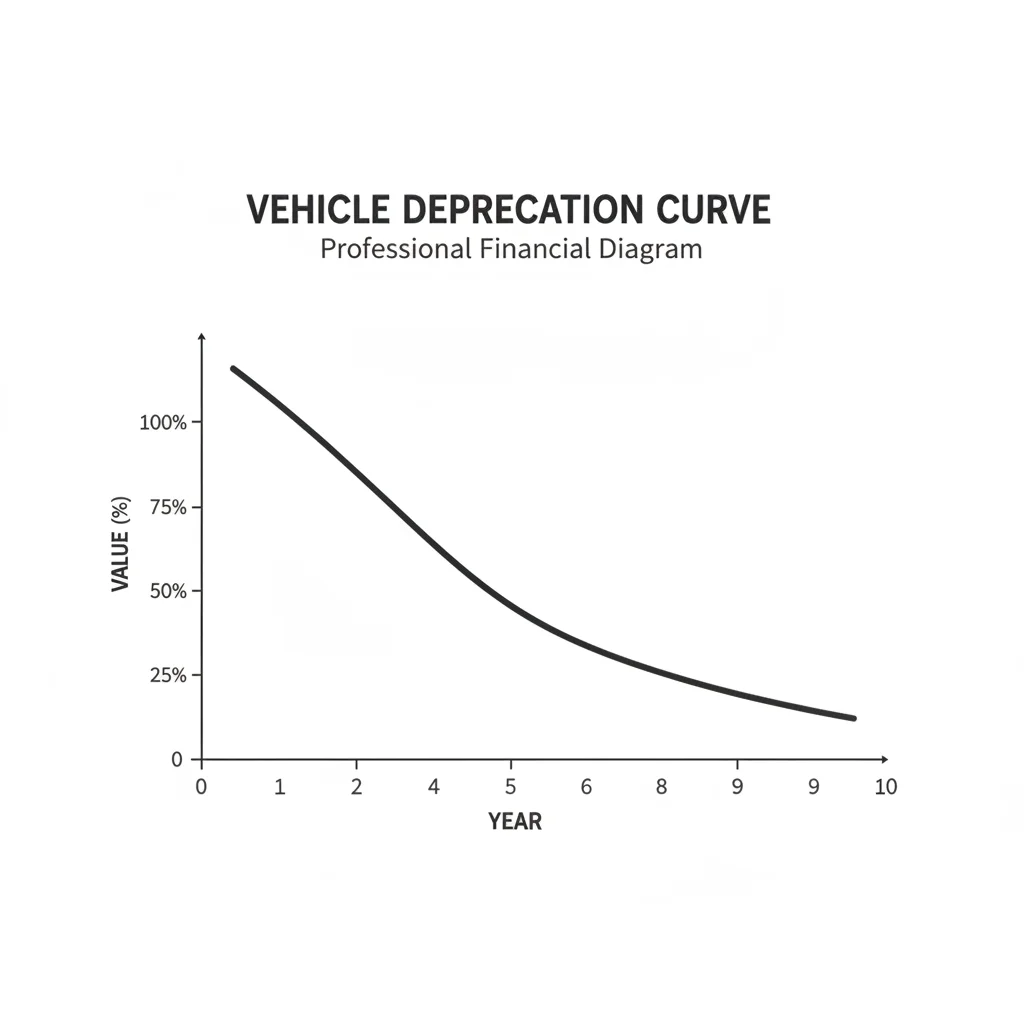
Depreciation doesn't happen in a nice, even line. It's a curve — steep at the beginning, then gradually flattening out. If you picture it on a graph, it looks like a ski slope: nearly vertical at the top, then leveling off as you get further from the original purchase.
The First Year Is Brutal
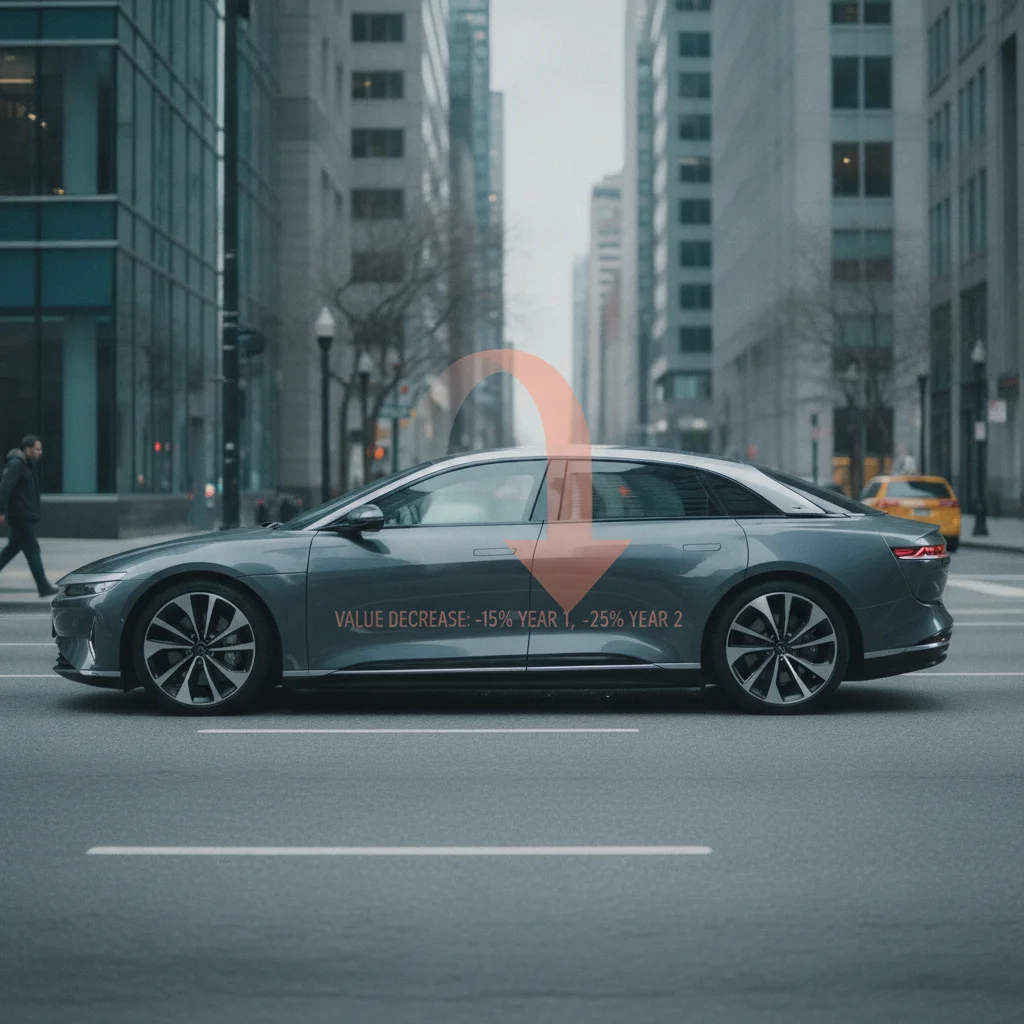
The moment you drive a new car off the dealer lot, it transitions from a new car to a used car in the eyes of the market. That single event can erase 10–15% of the vehicle's value before you've even made your first payment. By the end of year one, most vehicles have shed 15–25% of their original MSRP. On a $35,000 car, that's up to $8,750 gone in twelve months.
Years Two Through Five: Still Steep, Then Stabilizing
The second and third years continue to see significant drops — typically another 10–15% per year. By the time a vehicle is three years old, it commonly retains only 50–65% of its original value. From years four through six, the curve starts to flatten. The car is now priced more in line with its actual mechanical condition and remaining utility rather than its newness premium.
Years Six and Beyond: Slow and Steady
After the six-year mark, most mainstream vehicles depreciate more slowly and steadily. At this stage, factors like condition, mileage, and reliability reputation carry more weight than age alone. A well-maintained ten-year-old truck can actually hold its value quite well because it's clearly proven itself.
The practical takeaway here: if you're buying new, you're paying for that steep section of the curve. If you're buying used, you're potentially buying in at a much flatter section where you'll lose significantly less value per year you own it. Neither choice is wrong — but they're not the same choice financially. See why your car loses value the moment you drive it for more on the mechanics behind the first-day drop.
What Makes a Car Depreciate Faster or Slower?
Not all cars follow the same curve. Some models bleed value fast; others hold up remarkably well. Here are the factors that actually move the needle.
Brand and Reliability Reputation
This one is huge. Brands known for long-term reliability — Toyota, Honda, Subaru — consistently rank among the slowest-depreciating makes. Buyers are willing to pay more for a used car they trust will keep running. Brands with spotty reliability records or high ownership costs have a harder time commanding used-car premiums.
Fuel Economy and Powertrain Type
When gas prices rise, fuel-efficient cars and hybrids depreciate more slowly and can even temporarily appreciate. The reverse happens when gas is cheap. Electric vehicles add another layer of complexity — high initial depreciation for many models, but this is shifting as battery technology matures and charging infrastructure grows.
Mileage
The standard benchmark is around 12,000–15,000 miles per year. Go significantly above that and you're accelerating depreciation. Go well below it and you're building a resale advantage. Buyers and valuation tools adjust pricing noticeably for mileage that deviates from average.
Condition and Maintenance History
A car with a full, documented maintenance history depreciates slower than an identical car with no records. Why? Because a buyer can verify the vehicle was cared for. Dents, stains, worn interiors, and deferred maintenance all pull value down in ways that are hard to recover.
Market Demand and Segment Trends
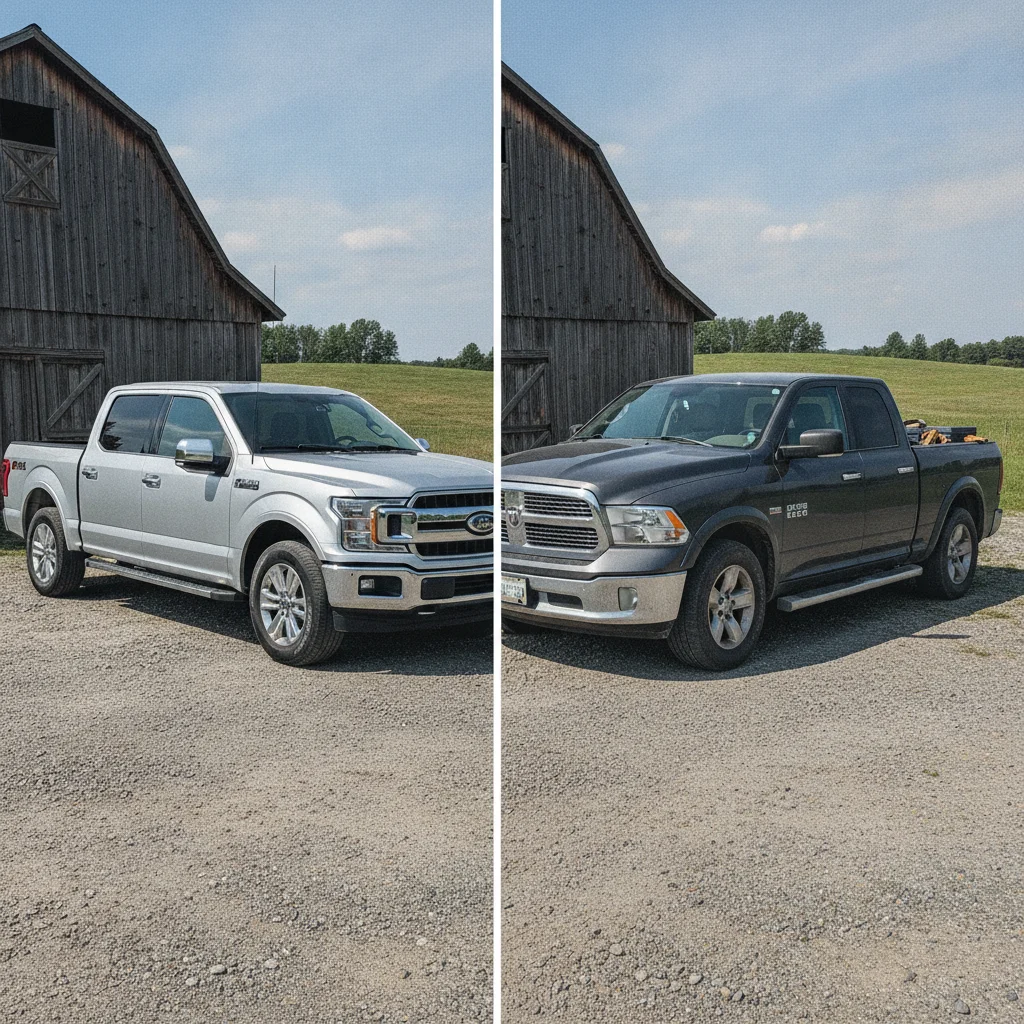
Trucks and SUVs historically hold value better than sedans in the U.S. market. Consumer preference shifts move the curve. When a model gets discontinued, parts availability becomes a concern and depreciation can accelerate. When a model is in high demand relative to supply, depreciation slows or reverses temporarily.
Trim Level and Options
This one surprises a lot of people. Loading up on fancy options doesn't always pay back at resale. Some features — panoramic sunroof, premium sound, all-wheel drive — retain value well. Others — unusual interior colors, heavily customized packages — can actually narrow your buyer pool and hurt resale. Stick to popular configurations if you care about future value.
Explore how age, mileage, and condition interact in the depreciation basics hub for a structured look at these variables together.
How Depreciation Affects Buying Decisions
Once you understand the curve, every car purchase looks a little different. You're not just evaluating the car — you're evaluating where on the depreciation slope you're entering.
New vs. Used: The Fundamental Trade-Off
Buying new means you get the warranty, the latest safety features, and the knowledge that no one else has put miles or wear on it. The cost is that you absorb the steepest part of the depreciation curve. Buying used means you let someone else take that initial hit, but you inherit whatever condition — and whatever history — the car comes with.
There's no universally right answer. If you're keeping a car for 10+ years, the new-car depreciation premium matters less because you're spreading that cost across many more years of ownership. If you plan to sell in three to five years, buying a two- to four-year-old used vehicle almost always makes better financial sense.
The "Sweet Spot" Used Car
A vehicle that's two to four years old has already shed its worst depreciation but still has plenty of life left. Many are still under extended warranties or have CPO (certified pre-owned) coverage. You're buying into a flatter part of the curve, which means when you go to sell, you won't lose as much ground.
Leasing and Depreciation
When you lease, you're essentially renting the depreciation. The monthly payment is calculated around the vehicle's expected value drop over the lease term. Leasing a car that depreciates slowly often costs more per month than leasing one that depreciates fast. Understanding which category a model falls into before you sign a lease can save you real money.
Checking Residual Value Before You Buy
Before committing to any vehicle, look up its projected resale value at three and five years. Tools like KBB and Edmunds publish this data. If you're financing, a car that holds value well also gives you more equity cushion — you're less likely to end up underwater on the loan. Valuation tools can help you estimate future worth before you sign anything.
How Depreciation Affects Selling and Trade-In Timing
Knowing the curve tells you something important: timing your exit from a vehicle isn't just about when you're tired of it. It's about minimizing how much value you leave on the table.
Why Selling Before Major Milestones Matters
Buyers get nervous around certain mileage and age thresholds — 60,000 miles, 100,000 miles, 5 years, 10 years. These aren't always rational fears, but they're real market forces. A car just under 60,000 miles will often fetch noticeably more than the same car just over it, even if mechanically they're identical. If you're within striking distance of one of these thresholds, it can be worth timing your sale before you cross it.
Dealer Trade-In vs. Private Sale
Dealers will almost always offer you less than private-party value for a trade-in. That's how they make money on the resale. The trade-off is convenience and speed. If you have the time and patience to sell privately, you'll typically recover an extra $500–$3,000 depending on the vehicle. Whether that's worth it depends on your situation — but at least make the comparison before accepting any trade offer.
Reading the Market
Depreciation rates aren't fixed in stone — they respond to supply, demand, interest rates, and fuel prices. During periods of low used-car inventory (like the supply disruptions of 2021–2022), depreciation slowed dramatically and some vehicles actually appreciated. Paying attention to market conditions tells you whether it's a good time to sell or whether you'd be better off holding a bit longer.
Slowing Down Depreciation: What's Actually in Your Control
You can't stop depreciation — but you can influence the pace. Here's what actually moves the needle versus what doesn't.
Keep Up With Scheduled Maintenance
This is the highest-leverage thing you can do. A car with a dealer-stamped or shop-verified service history sells for more because buyers have evidence it was taken care of. Keep your oil changes, tire rotations, and fluid services on schedule. Save every receipt — the folder you build over years of ownership is worth real money at resale.
Control Your Mileage Where Possible
If you have multiple vehicles, use the higher-value one for shorter trips when you can. Even modest mileage discipline over several years adds up to a meaningful resale advantage. That said, don't obsess over it — low mileage combined with poor maintenance is worse than higher mileage with proper care.
Protect the Exterior and Interior
Rust, paint fade, dents, and stained interiors all pull down resale value fast. Waxing or applying a paint sealant regularly protects the clear coat. Rubber floor mats, seat covers during high-wear periods, and keeping food and liquids out of the cabin are small habits that preserve condition over time. Reconditioning a neglected interior before sale rarely returns its full cost — prevention is cheaper than restoration.
Avoid Heavy Modifications
Aftermarket modifications almost never recover their cost at resale and frequently hurt it. Lift kits, non-stock wheels, performance exhausts, and custom paint all narrow the buyer pool. If you love modifications, consider making them reversible — keep the stock parts so you can return the vehicle to factory configuration before selling.
Know When to Walk Away
Sometimes the best depreciation decision is recognizing that a vehicle has reached the point where repair costs are outpacing remaining value. Pouring $4,000 into a car worth $5,000 rarely makes sense when that same $4,000 could be part of a down payment on a vehicle still in good shape on the curve. The complete owner's depreciation reference has formulas to help you calculate exactly where your vehicle stands right now.
Kelley Blue Book (KBB)
The go-to resource for checking your current vehicle's market value across trade-in, private party, and dealer retail scenarios. Use it to see where your car sits on the depreciation curve right now.
Edmunds True Market Value
Edmunds' pricing tool uses real transaction data to show what buyers in your area are actually paying — useful for both buying and selling decisions around depreciation.
Vehicle Depreciation: The Complete Owner's Reference
A deep-dive reference covering depreciation formulas, typical rates by vehicle segment, and all the factors that influence how fast your specific vehicle loses value.
Depreciation Basics Hub
Explore how age, mileage, and condition interact to drive down your vehicle's value, with practical guidance for owners at every stage of ownership.
Putting It All Together
Here's the short version of everything we've covered: depreciation is the largest ownership cost most people never think about. It's steepest at the beginning of a vehicle's life, flattens out over time, and is influenced by factors ranging from brand reputation to your maintenance habits. The curve is predictable enough that you can use it strategically — both when you're buying and when you're planning to sell.
If you're shopping for a car right now, ask yourself where on the depreciation curve you're entering. If you're holding a car, think about where it sits on that curve today and what the next two years look like for its value. If you're planning to sell, consider your mileage milestones and current market conditions before you commit to a timeline.
None of this requires a finance degree. It just requires knowing that depreciation is real, it's measurable, and it responds to the decisions you make. That knowledge alone puts you ahead of most car buyers.
For more detail on the numbers — typical depreciation rates by segment, how to run the math yourself, and what factors carry the most weight — see the complete vehicle depreciation reference. And when you're ready to find out what your current car is actually worth, valuation tools like KBB and Edmunds are the right next step.

All claims are backed by peer-reviewed research. Sources on request.