Key Takeaways
Why Deferred Maintenance Is a Silent Budget Killer
There's a familiar logic to skipping a service appointment: the car runs fine today, the calendar is packed, and the dealership quote felt steep. But automotive engineers design maintenance schedules around failure thresholds — not convenience windows. When those intervals slip, wear doesn't pause; it accelerates.
The American Automobile Association estimates that one in three drivers is operating a vehicle with at least one maintenance item past due. That statistic carries real financial weight. Repair costs for neglect-driven failures routinely run five to twenty times what the skipped service would have cost. An oil change that runs $60–$100 at an independent shop, for instance, can forestall engine sludge buildup that costs $3,000–$8,000 to address — or necessitates an outright engine replacement.
The compounding nature of deferred maintenance is what makes it so financially dangerous. A clogged cabin air filter stresses the blower motor. A worn serpentine belt, if it snaps, can destroy the alternator, power steering pump, and water pump simultaneously. Maintenance items don't exist in isolation — they sit inside a system where one degraded component stresses everything around it.
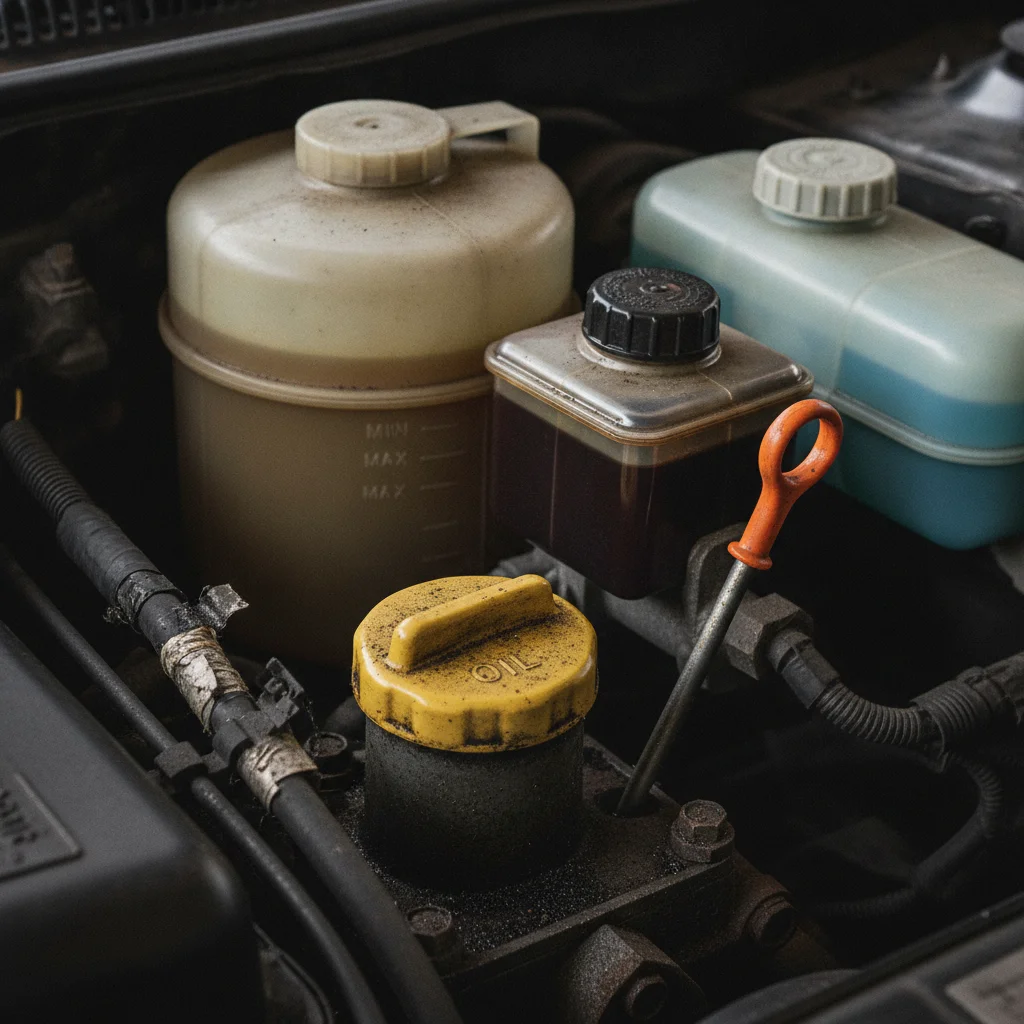
Understanding exactly which milestones matter — and why — is the first step toward protecting both your vehicle and your wallet. The full ownership maintenance timeline maps every critical service interval from the break-in period through high-mileage territory, making it easier to stay on schedule regardless of which vehicle you drive.
The Most Costly Maintenance Mistakes Drivers Make
After reviewing common service records and repair invoices, a pattern of predictable, avoidable errors emerges. The mistakes below aren't obscure oversights — they're the routine lapses that shops and service advisors report seeing every day.
Stretching oil change intervals far beyond the manufacturer's recommendation.
Why it happens: Modern synthetic oils and longer service intervals on newer vehicles have given drivers the impression that oil changes are less time-sensitive than they once were. Some assume "change it when the light comes on" is sufficient, not realizing the oil life monitor uses algorithms — not actual oil analysis.
Ignoring transmission fluid replacement until symptoms appear.
Why it happens: Transmissions rarely provide obvious warning signs until damage is already significant. Many service advisors and even some manufacturers have historically labeled automatic transmission fluid as "lifetime fill," a designation that industry experts widely dispute for vehicles driven past 80,000–100,000 miles.
Letting brake fluid absorb moisture over years without replacement.
Why it happens: Brake fluid is invisible in its reservoir and rarely triggers a warning light until a problem is severe. Drivers assume that if the brakes feel normal, the fluid is fine — but brake fluid is hygroscopic, meaning it absorbs atmospheric moisture over time, which lowers its boiling point and introduces corrosion into the system.
Skipping tire rotations and delaying alignment checks.
Why it happens: Tires wear gradually, and uneven wear isn't obvious from the driver's seat until it becomes extreme. Drivers often skip rotations when scheduling feels inconvenient, not realizing that uneven wear shortens tire life significantly and can mask developing suspension problems.
Postponing coolant system flushes until overheating occurs.
Why it happens: Coolant degrades chemically over time rather than visually — it may still appear green or orange while its corrosion inhibitors have completely broken down. Drivers conflate "topped off" with "serviced" and skip the scheduled flush.
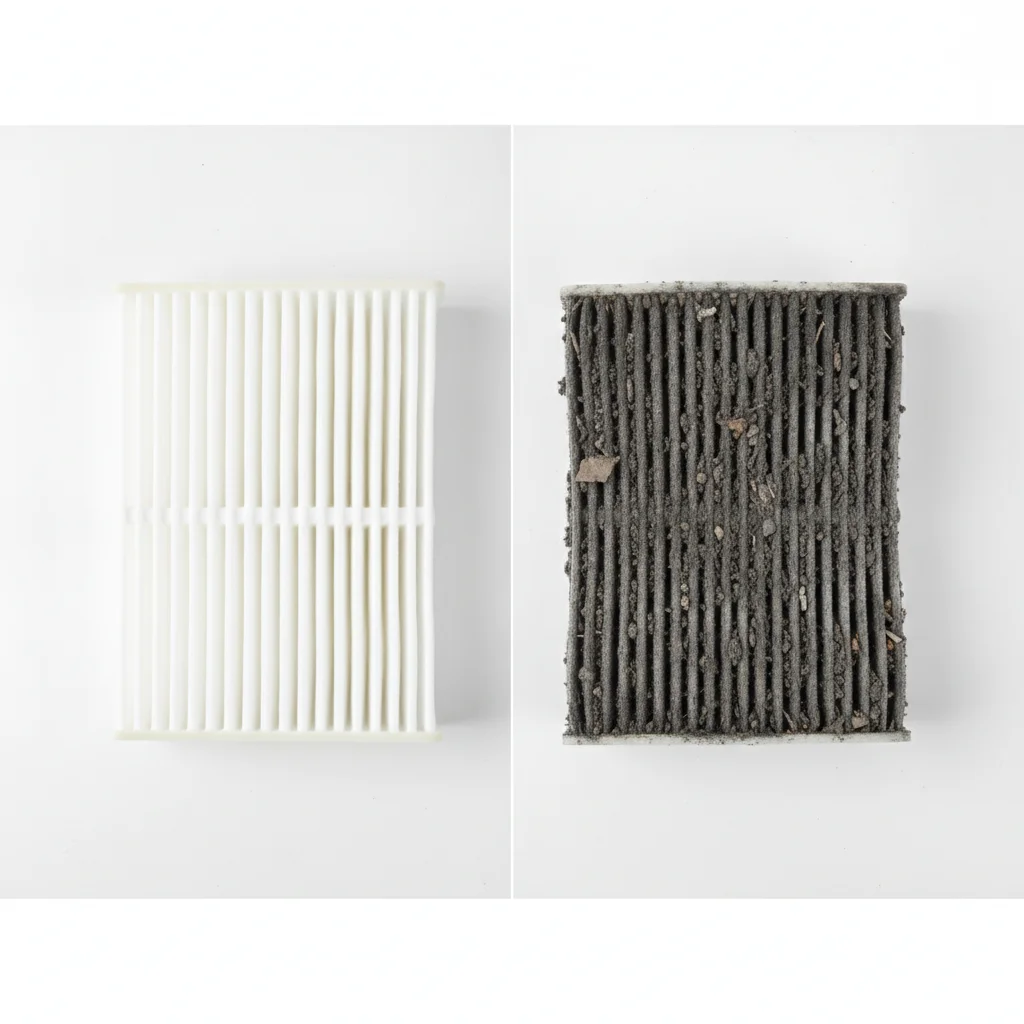
Ignoring cabin and engine air filter replacement.
Why it happens: Air filters are out of sight and rarely trigger any warning indicator. The degradation is gradual enough that drivers don't notice reduced airflow or fuel economy until the filter is severely clogged.
It's also worth noting that maintenance neglect doesn't stop at mechanical failure. The habits that accelerate depreciation include skipped service as a top-tier resale value destroyer — one that buyers and inspectors identify immediately when reviewing a vehicle's history.
Warranty Coverage Can Disappear Without Records
Both factory warranties and extended service contracts often require documented proof of maintenance at manufacturer-specified intervals. If a covered component fails and you cannot demonstrate that you performed required maintenance — such as oil changes or transmission service — the warranty administrator may deny the claim entirely. Keep every receipt and service record, even for work you perform yourself.
Don't Rely Solely on the Dashboard Warning Light
Oil life monitors, tire pressure sensors, and service reminders are useful tools — but they don't cover every maintenance item your vehicle needs. Many critical intervals (coolant flushes, brake fluid changes, differential service) generate no warning light whatsoever. The dashboard is a complement to your owner's manual schedule, not a replacement for it.
What Maintenance Gaps Do to Your Resale Value
When it's time to sell or trade in a vehicle, maintenance history becomes a tangible dollar figure. Buyers and dealers scrutinize service records because they are the most reliable proxy for how a vehicle was treated. A car with documented, on-schedule service commands a measurable premium over an identical model with gaps in its history.
$1,200+
Average avoidable repair cost from deferred maintenance
AAA research found that U.S. drivers spend over $1,200 annually on repairs that proper maintenance would have prevented or substantially reduced.
10%
Fuel economy loss from a clogged air filter
The U.S. Department of Energy estimates that a dirty engine air filter can reduce fuel economy by up to 10% on older carbureted vehicles, with meaningful impacts on modern fuel-injected engines as well.
$500–$2,000
Resale value penalty for missing service records
Industry appraisers and CarMax data indicate that vehicles lacking documented maintenance history are routinely discounted by $500 to $2,000 at trade-in compared to equivalently conditioned vehicles with complete records.
33%
Drivers currently overdue for at least one service
According to AAA's annual Vehicle Reliability and Maintenance survey, approximately one in three American drivers is operating a vehicle with at least one past-due maintenance item.
Certified Pre-Owned (CPO) programs, which carry manufacturer-backed warranties and typically command prices hundreds to thousands of dollars above standard used-car retail, require verifiable maintenance compliance. A vehicle that fails CPO inspection due to service record gaps loses eligibility for that designation — and the pricing power that comes with it.
The relationship between maintenance and resale value is explored in depth in our coverage of hidden depreciation triggers and in the depreciation basics hub, which breaks down how vehicles lose value and what owners can actually control. If you want actionable steps, slowing your car's depreciation without overspending is a practical companion read.
Neglect Can Void Your Auto Insurance Claim
Most drivers don't realize that auto insurance policies contain mechanical neglect exclusions. If an insurer determines that a covered loss — such as engine seizure or brake failure — was caused or materially worsened by the owner's failure to maintain the vehicle, the claim can be denied in full. This isn't a rare loophole; it's a standard clause in most comprehensive and collision policies. Documenting your maintenance history protects you in an insurance dispute just as much as it protects your car.
Maintenance Isn't the Same as a Tune-Up — Know the Difference
Many drivers conflate "getting a tune-up" with fulfilling their vehicle's maintenance requirements. The problem: tune-up is an industry term that has largely lost its technical meaning since the transition to electronic ignition and fuel injection systems. What shops call a tune-up today varies widely — sometimes it means spark plug replacement; other times it's a bundled upsell of services you may or may not need.
Manufacturer-scheduled maintenance, by contrast, is specific. Your owner's manual will define what's due at 15,000, 30,000, 60,000, and 90,000 miles — and those intervals are based on engineering data, not shop policy. Understanding the real difference between a tune-up and scheduled maintenance helps you show up to a service appointment informed, avoid unnecessary upsells, and ensure the work that actually matters gets done.
Key items that manufacturer schedules typically include — but that a generic "tune-up" might skip — are transmission fluid replacement, differential fluid service, coolant flushes, brake fluid changes, and fuel system cleaning. Each of these has a failure mode that ranges from expensive to catastrophic when the interval is ignored.

For EV drivers, the calculus shifts but doesn't disappear. Oil changes drop off the list, but brake fluid, cabin air filters, tire rotations, and battery thermal management checks remain essential. Why electric vehicles still need regular maintenance covers which EV service tasks carry the most risk when deferred.
Building a Maintenance System That Actually Sticks
The most common reason drivers miss service intervals isn't negligence — it's the absence of a tracking system. Relying on memory to know when a coolant flush is due, or when the cabin air filter was last replaced, sets most people up to fall behind.
A practical approach combines three layers: a digital reminder, a physical log, and a mileage reference. Most smartphones allow recurring calendar events. Setting one for every 5,000 miles — cross-checked against your owner's manual's interval list — creates a reliable alert system. Some drivers photograph their odometer reading after each service and file it alongside a receipt in a dedicated folder, either physical or cloud-based.
For those comfortable with basic car care, a number of maintenance tasks don't require a professional shop at all. The DIY repairs hub covers at-home fixes including air filter swaps, wiper blade replacement, and fluid top-offs — all of which take under 30 minutes and cost a fraction of shop labor rates.

If you do use a shop, ask for a courtesy inspection report with each visit. Most reputable service centers will document upcoming needs with estimated urgency and mileage thresholds — think of it as a forward-looking maintenance forecast. Reviewing that report and scheduling the next appointment before you leave keeps the chain unbroken.
The broader payoff for consistent maintenance extends well past avoiding repair bills. It shows up in fuel economy, in driving dynamics, in the confidence of knowing your vehicle won't strand you on a highway — and ultimately in the number on a buyer's offer when it's time to sell. Maintenance is, at its core, an investment in the full ownership experience, not just a line item to be managed.

All claims are backed by peer-reviewed research. Sources on request.