Key Takeaways
Why 100,000 Miles Changes the Maintenance Equation
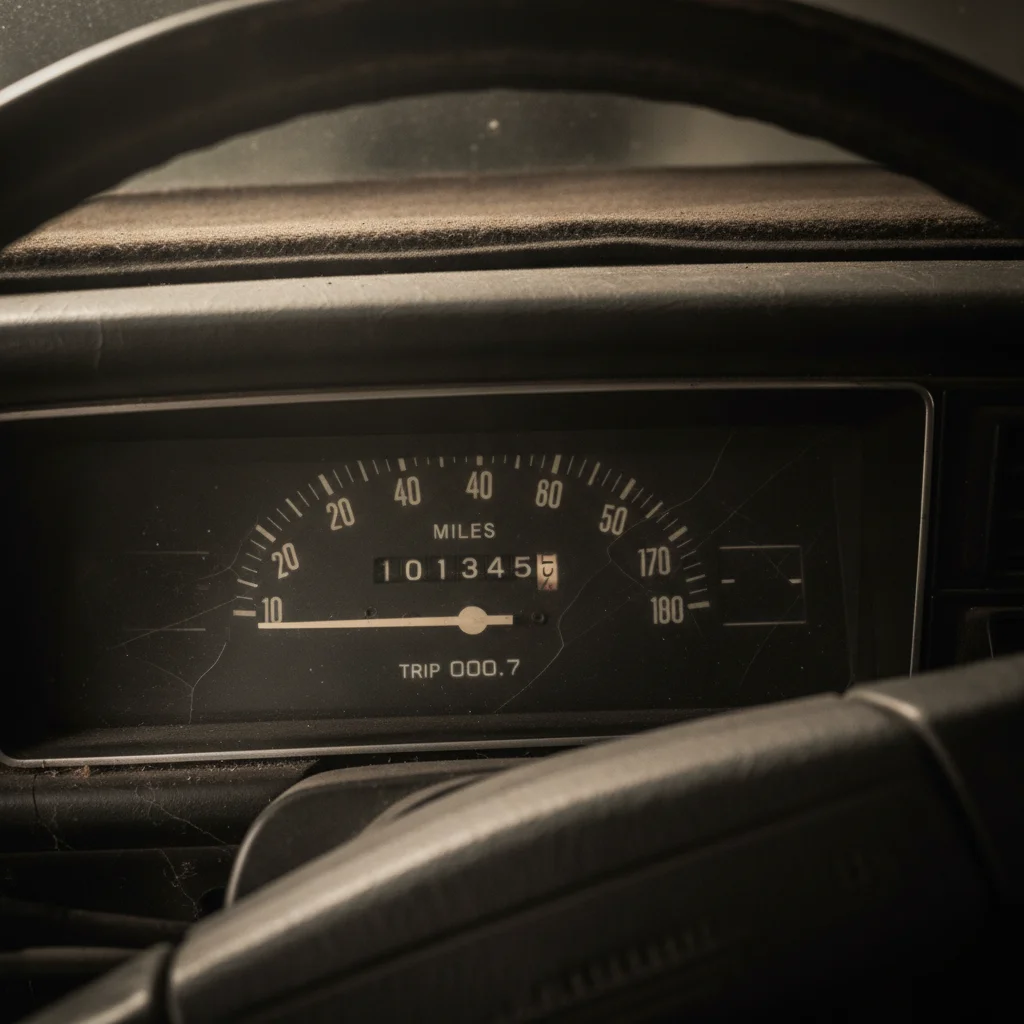
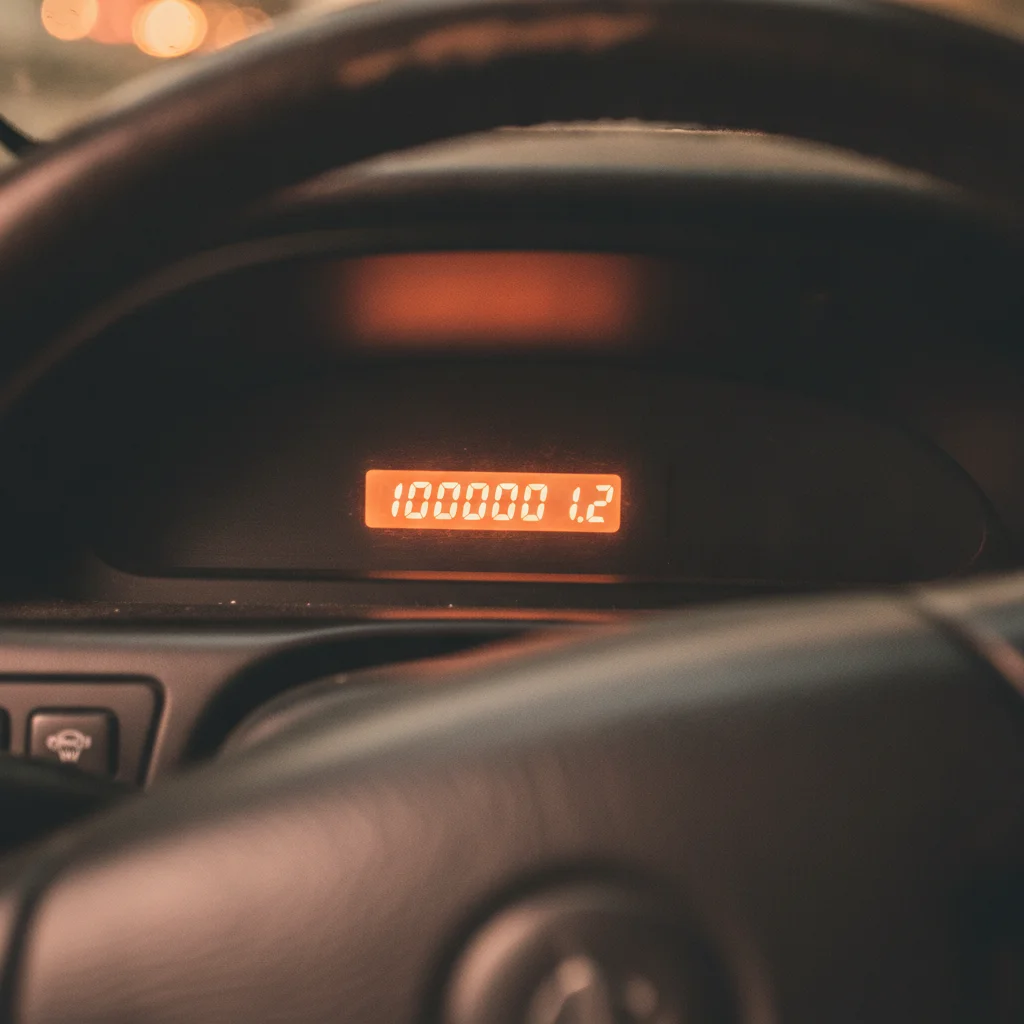
For decades, the automotive industry marketed 100,000-mile reliability as a finish line. Clear the century mark, the thinking went, and you'd gotten everything you could from a car. That framing is now badly outdated. Modern vehicles — built with tighter tolerances, better alloys, and improved lubricants — routinely reach 200,000 miles with proper care. But that longevity isn't automatic. It requires a deliberate shift in how you approach service.
The standard owner's manual maintenance schedule is written for a vehicle in the first third of its life. It accounts for break-in wear, early seal integrity, and factory-fresh component tolerances. By the time you've crossed six figures on the odometer, those assumptions no longer hold. Gaskets have cycled through thousands of heat expansions and contractions. Rubber components have hardened. Internal clearances in the engine have widened slightly with normal wear. The car's needs have changed — and so should your service plan.
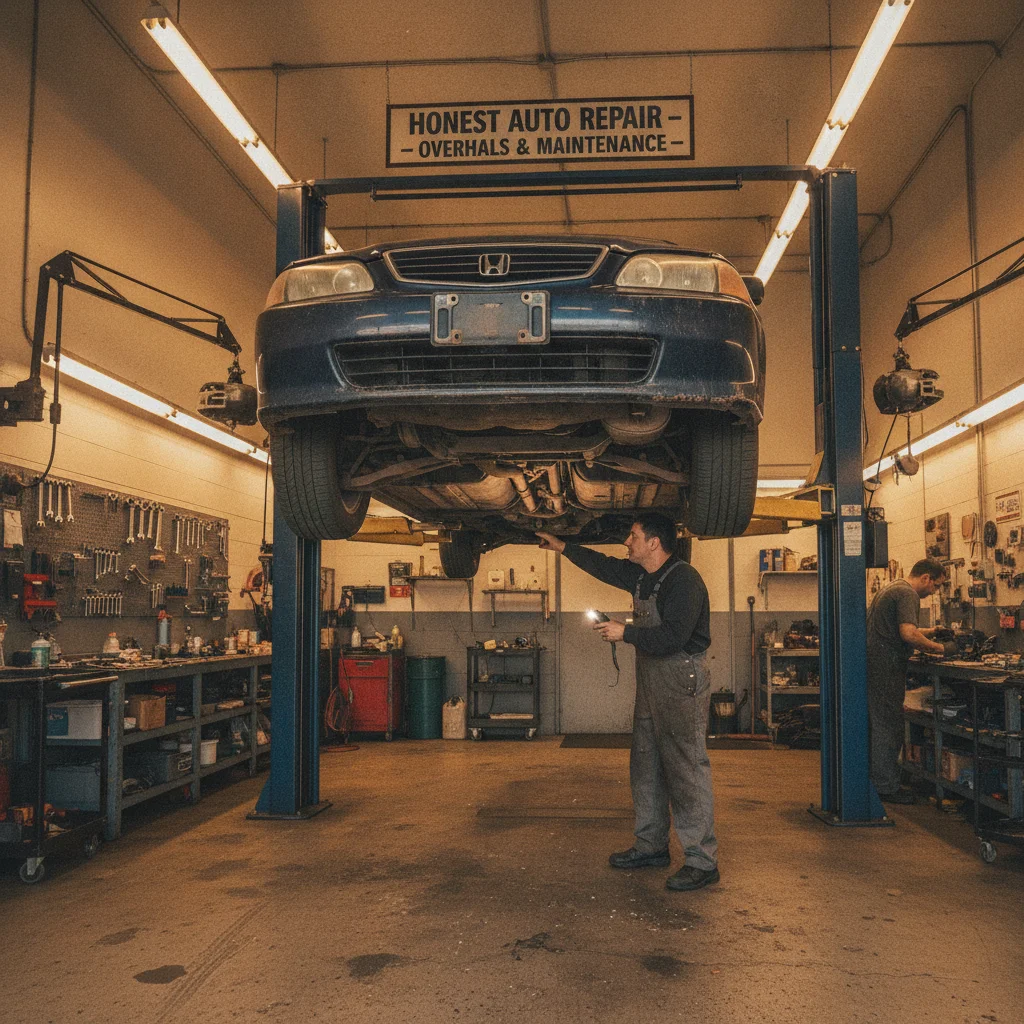
This shift matters financially, too. A transmission rebuild can run $2,500 to $4,500. A seized engine can total a car that was otherwise worth keeping. Compared to those outcomes, a proactive fluid change or a $180 water pump replacement looks like an extraordinary bargain. Understanding exactly which services matter most — and when — is the foundation of high-mileage ownership done right.
If you drive a battery-electric vehicle, the calculus shifts somewhat; what changes after 100,000 miles for EV owners is a separate and increasingly important conversation. But for the vast majority of American drivers still behind the wheel of internal combustion vehicles, the guidance below applies directly.
The Service Adjustments That Matter Most
Most drivers are familiar with the oil change and tire rotation cadence. What separates well-maintained high-mileage vehicles from ones that fail prematurely is attention to a second tier of services — items that fall outside the standard 5,000- or 7,500-mile intervals and are easy to overlook precisely because their replacement cycles are long.
Switch to a high-mileage engine oil formulation and shorten your change interval
High-mileage oils contain seal conditioners that help rejuvenate aging gaskets and reduce oil consumption in engines with accumulated wear. Slightly more frequent changes — moving from 7,500 to 5,000 miles, for example — help remove contaminants before they concentrate and cause abrasive damage in an engine with wider internal tolerances.
Replace coolant on a documented schedule, not by appearance
Coolant that looks clean may still have degraded pH and lost its corrosion inhibitors, allowing internal rust to develop on aluminum engine components. Chemical testing is the only reliable assessment — visual inspection alone misses most degradation.
Service the transmission fluid proactively rather than reactively
Transmission repairs are among the most expensive on any vehicle, often exceeding the market value of a high-mileage car. A transmission that fails after 100,000 miles of original fluid is frequently one that could have been saved with periodic drain-and-fill services.
Treat the timing belt replacement as an engine-saving investment, not a discretionary repair
In interference engines, a snapped timing belt destroys the engine instantly and without warning — there's no gradual symptom to catch. The cost of a timing belt service (typically $500–$1,000 including water pump and tensioners) is a fraction of the $3,000–$8,000 engine rebuild or replacement it prevents.
Inspect and replace worn shocks and struts to protect tires and stopping distance
Worn suspension components cause tires to wear unevenly, reducing their effective life and increasing the cost per mile of tire ownership. More critically, degraded shock absorbers extend stopping distances — a safety consequence that accumulates so gradually that many drivers never perceive it until an emergency situation.
Log every service — date, mileage, shop, and work performed — in a single document
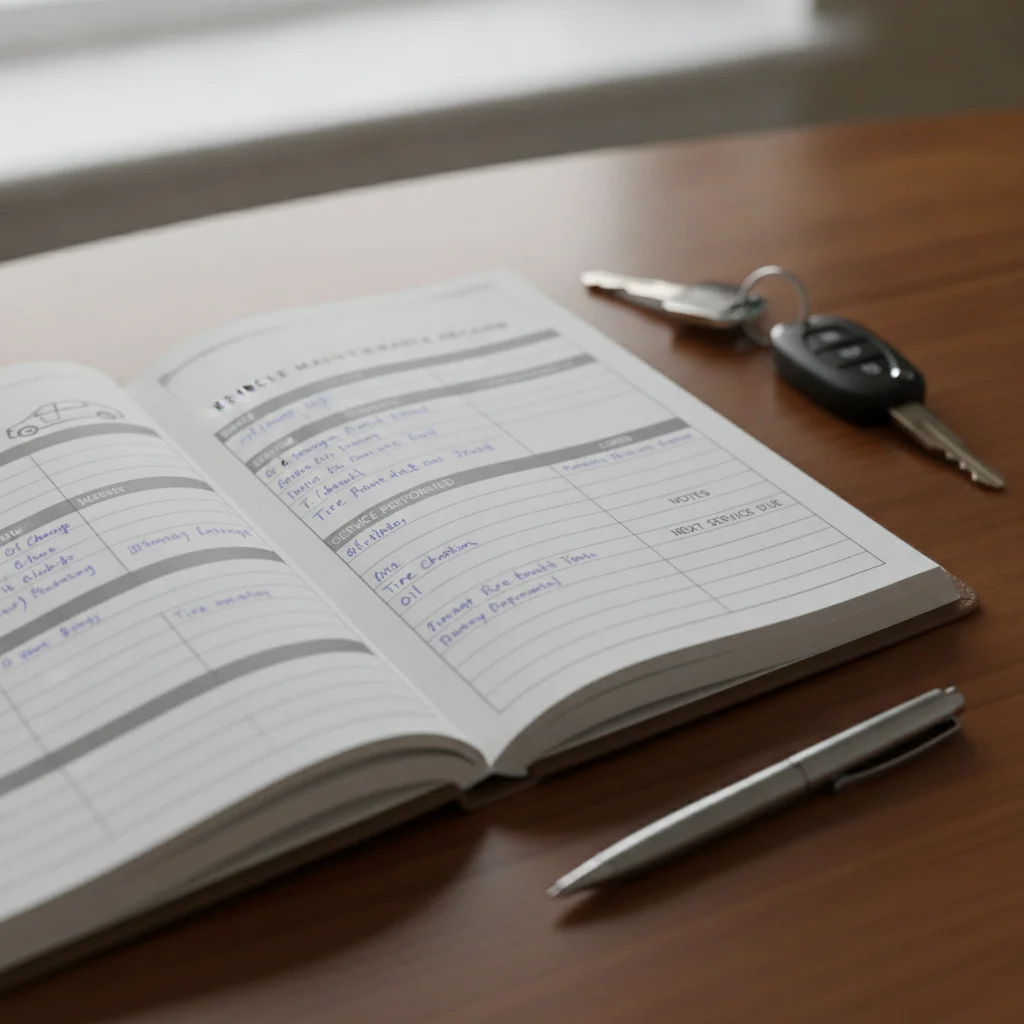
A complete service record transforms a high-mileage vehicle from an unknown risk into a documented asset. It supports higher asking prices at resale, helps mechanics make better diagnostic decisions, and keeps you from accidentally skipping critical intervals when ownership extends over many years.
None of these adjustments require advanced mechanical skill to understand or oversee. Many can be tracked with a simple spreadsheet or a free app. The goal is to move from reactive maintenance — fixing things after they fail — to interval-based anticipation, treating your car's service history as a living document rather than a receipt folder.
For drivers interested in handling some of this work themselves, the DIY repairs hub covers straightforward at-home fixes that don't require a lift or specialized tools.
Fluids: The Unsexy Lynchpin of High-Mileage Reliability
If there's one category that separates the 150,000-mile cars from the ones that expire at 110,000, it's fluid discipline. Engine oil gets the most attention, but it's far from the only fluid doing critical work in a high-mileage vehicle.
77%
Vehicles on U.S. roads over 100,000 miles
According to IHS Markit data, the average age of vehicles in the U.S. has risen steadily, with more than three-quarters of registered vehicles having crossed the 100,000-mile threshold.
$2,500–$4,500
Average automatic transmission rebuild cost
RepairPal and AAA estimates consistently place automatic transmission rebuilds in this range, making proactive fluid service one of the highest-ROI maintenance investments available.
12.6 years
Average age of U.S. passenger vehicles
S&P Global Mobility reported in 2023 that the average age of light vehicles on American roads reached a record 12.6 years, underscoring how critical high-mileage maintenance has become.
20%
Potential stopping distance increase from worn struts
Testing by Monroe and independent automotive researchers has shown that vehicles with severely worn shock absorbers can require up to 20% more distance to stop from highway speeds.
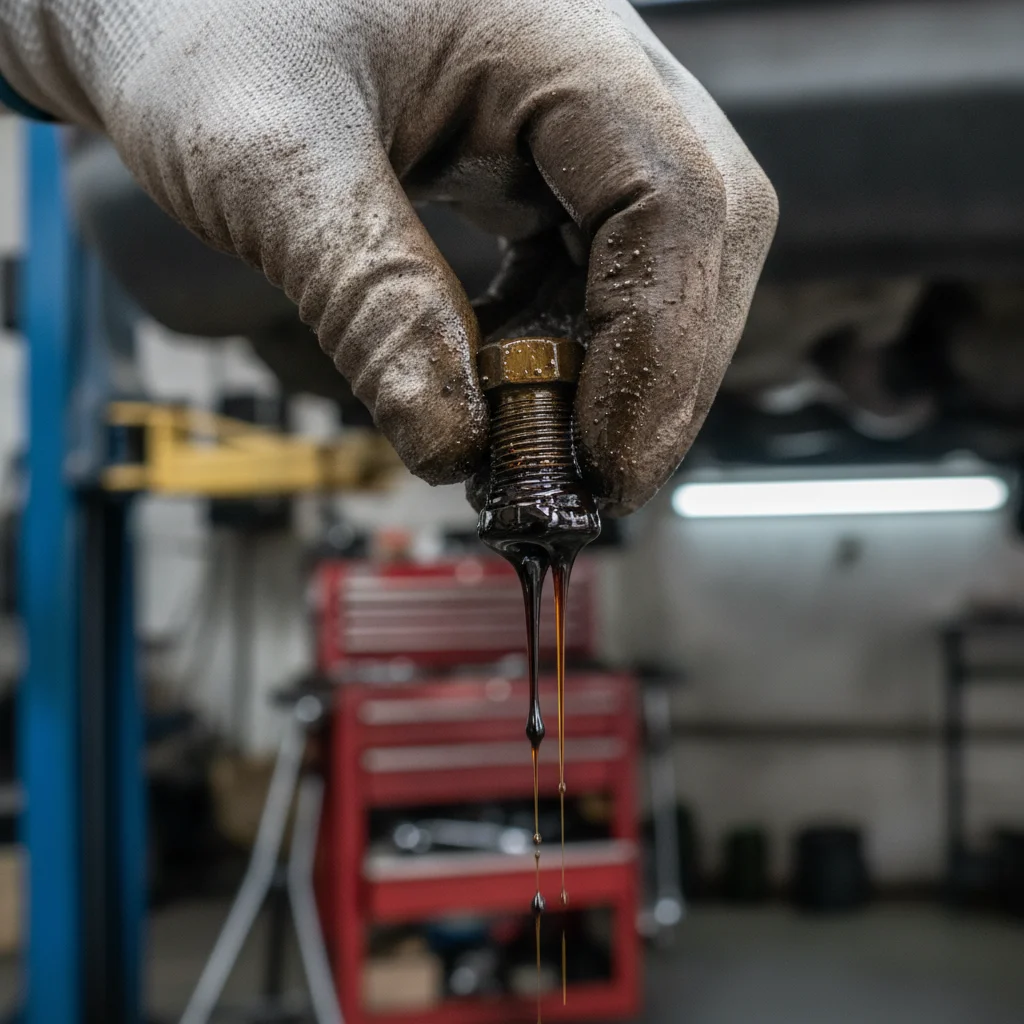
Transmission fluid is the most overlooked. Automatic transmissions generate enormous heat, and fluid that's never been changed becomes acidic and abrasive over time. Many manufacturers listed transmission fluid as a lifetime fill in their manuals — a claim the industry has largely walked back as vehicles age past design expectations. For high-mileage vehicles, a drain-and-fill every 30,000 to 40,000 miles is a reasonable interval, though a full flush on a very high-mileage transmission that has never been serviced can sometimes dislodge debris and cause short-term issues. Consult a trusted mechanic before doing a first-time flush on a neglected unit.
Coolant degrades chemically, losing its ability to inhibit corrosion and control pH. An engine running on degraded coolant is an engine slowly corroding from the inside. Most modern extended-life coolants should be replaced every 5 years or 150,000 miles, but the reality is that most high-mileage vehicles have never had a full coolant flush. A coolant test strip (available at any auto parts store for a few dollars) can tell you whether your coolant is still doing its job.
Brake fluid is hygroscopic — it absorbs moisture from the air over time, lowering its boiling point. In a high-mileage vehicle with original brake fluid, heavy braking can cause vapor lock, dramatically reducing stopping power. Most manufacturers recommend replacement every 2 years or 45,000 miles; most drivers never do it. This is one of the most cost-effective safety upgrades available.
Check Multiple Fluids at Every Oil Change
Train yourself or ask your shop to check brake fluid, coolant condition, and power steering fluid every time you change your oil. This takes less than five minutes and costs nothing extra. Catching degraded fluid early — before it causes corrosion or component failure — is the single most efficient use of a routine service visit on a high-mileage vehicle.
Power steering fluid, differential fluid (on rear- and all-wheel-drive vehicles), and transfer case fluid round out the list. None of these are glamorous. All of them are cheaper than the components they protect.
Timing Belts, Spark Plugs, and Other Interval-Driven Necessities
Beyond fluids, high-mileage vehicles have a set of component replacements that are strictly interval-driven — meaning they need to be done by a certain mileage whether or not any symptom has appeared. Waiting for a warning sign is often too late.
“The number one cause of premature engine failure in high-mileage vehicles isn't wear — it's deferred maintenance. The parts are usually fine. It's the fluids and the intervals that people skip.”
— John Nielsen, Former Managing Director of Automotive Engineering and Repair, AAA
Timing belts are the highest-stakes item on this list. In interference engines — which describes most modern vehicles — a broken timing belt causes the pistons and valves to collide, typically destroying the engine. Replacement intervals vary by manufacturer, typically falling between 60,000 and 105,000 miles. If you've bought a used car and can't document when the timing belt was last changed, treat it as overdue. At the same time, replace the water pump and tensioner pulleys, since they're accessed during the same job and failing either one later means paying for the same labor twice. (Note: Many newer vehicles use timing chains, which are generally designed to last the engine's life — confirm which system your vehicle uses.)
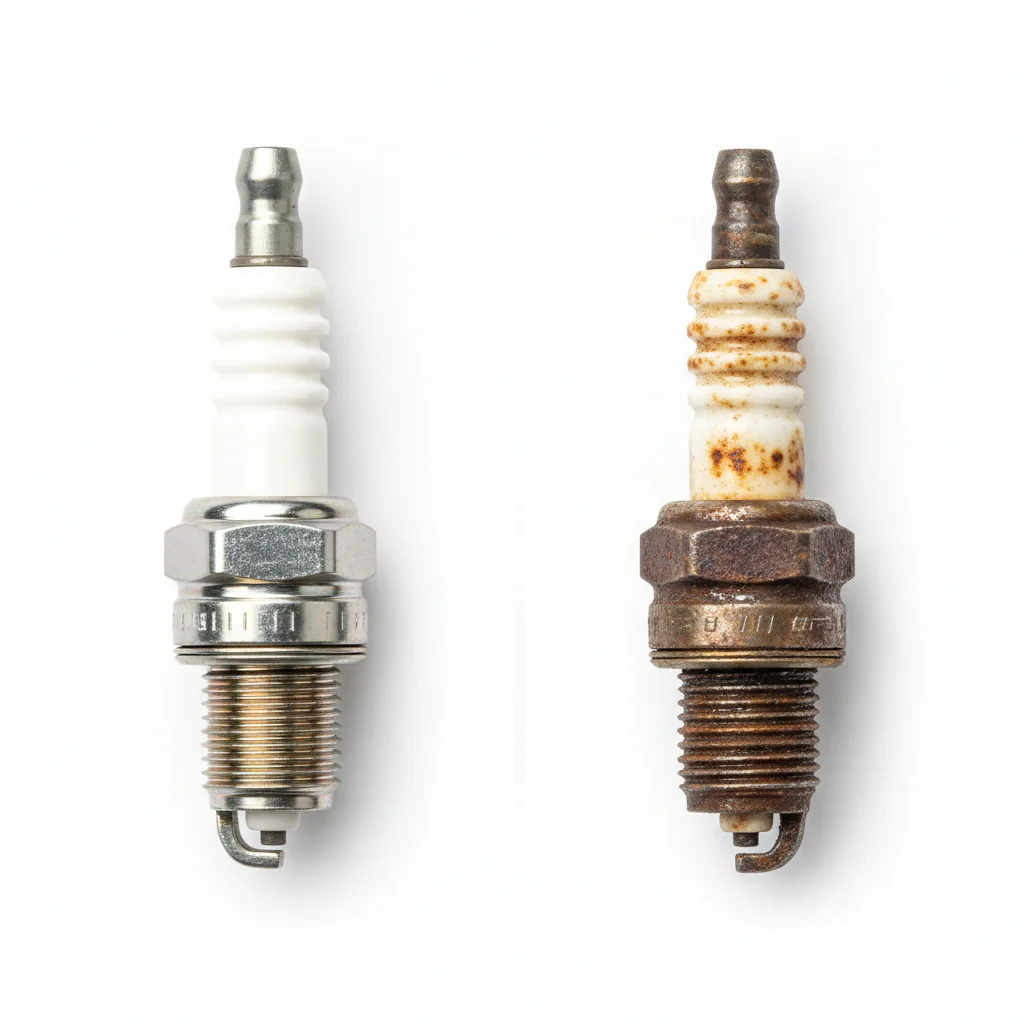
Spark plugs in high-mileage vehicles are frequently past their service life even when the engine appears to run fine. Worn plugs require higher voltage to fire, stressing the ignition coils and reducing combustion efficiency. Extended-life iridium or platinum plugs are typically rated for 60,000 to 100,000 miles, but degraded plugs in a high-mileage engine can persist quietly, costing fuel economy and eventually triggering a misfire. Replacement is straightforward and inexpensive.
Drive belts and hoses are rubber components that harden, crack, and fail with age and heat cycling. A serpentine belt drives the alternator, power steering pump, and air conditioning compressor — its failure strands you immediately. Inspecting belts and hoses for cracking, glazing, or softness at every oil change costs nothing; replacing them on a schedule (most serpentine belts are rated to 60,000–100,000 miles) costs very little compared to a tow and emergency repair.
Timing Chain vs. Timing Belt: Know Which You Have
Many modern engines use a timing chain rather than a rubber timing belt. Chains are generally designed to last the life of the engine and don't have a scheduled replacement interval. However, chains can still stretch and fail — particularly in engines known for oil consumption issues — and a failing chain will often produce a rattling noise on startup. If your vehicle uses a chain, the critical maintenance item shifts to consistent oil changes that prevent the chain and its tensioner from running in degraded oil.
Service Records Matter for Insurance, Too
If your vehicle is involved in a total-loss claim, documented maintenance history can support your case for a higher actual cash value settlement. Insurers use condition as a factor in valuations, and a well-maintained high-mileage vehicle is a meaningfully different asset than a neglected one. Keep service records alongside your insurance documents for quick access if you ever need them.
Suspension, Brakes, and the Wear You Can Feel
Fluid and interval services are largely invisible — you do them and the car continues running normally. Suspension and brake wear is different: it accumulates gradually, and because drivers adapt to incremental changes, serious degradation can go unnoticed until something fails or a routine inspection catches it.
Shocks and struts are the most commonly delayed suspension service on high-mileage vehicles. Worn struts don't just make the ride uncomfortable — they increase stopping distance, reduce cornering stability, and accelerate tire wear. Most manufacturers recommend inspection at 50,000 miles and replacement consideration by 75,000 to 100,000 miles, though road conditions and driving style affect actual wear rates significantly. A simple bounce test (push down on each corner of the car and count the oscillations — more than one or two bounces suggests worn shocks) gives a rough field assessment.
Brake pads and rotors need more frequent attention in high-mileage vehicles, not because the components wear faster than in newer cars, but because aging brake hardware — caliper slides, brake hoses, and hardware kits — is more likely to cause uneven wear or sticking. When replacing pads at high mileage, it's worth inspecting the full brake assembly and refreshing any components showing corrosion or restriction.
Wheel bearings, tie rods, and ball joints are the quiet failure points that turn into safety events if ignored. A rumbling noise from a wheel, play in the steering, or a clunking sound over bumps all warrant immediate inspection. These are components where waiting until the next scheduled service isn't acceptable — if you hear or feel a change, have it checked promptly.
Service Records, Resale, and the Insurance Angle
Maintaining a high-mileage vehicle well isn't just about keeping it running — it has real financial downstream effects that many owners don't consider until they're trying to sell or insure the car.
Documented service history is one of the few variables that can offset high mileage in a valuation conversation. When standard algorithmic tools begin losing accuracy at the high-mileage end of the market, a thick folder of service records becomes tangible evidence of vehicle condition. Pricing a high-mileage car accurately often requires supplementing automated estimates with exactly this kind of documentation. If you're preparing a high-mileage vehicle for sale, the detailing and repairs preparation guide outlines which fix-up steps deliver the best return on investment.
On the insurance side, high mileage affects both coverage decisions and risk assessment. Drivers logging significant annual miles face different risk profiles than occasional commuters, and the coverage choices that make sense for a low-mileage vehicle may not be appropriate for one approaching 200,000 miles. How mileage changes the value of optional coverage add-ons is worth reviewing before your next policy renewal, particularly around comprehensive and collision coverage on a vehicle whose market value has declined significantly.
The overarching point is this: a well-documented, well-maintained high-mileage car is a fundamentally different asset than a neglected one with the same odometer reading. The maintenance itself is the investment — and the records are proof of it.
Timing Chain vs. Timing Belt: Know Which You Have
Many modern engines use a timing chain rather than a rubber timing belt. Chains are generally designed to last the life of the engine and don't have a scheduled replacement interval. However, chains can still stretch and fail — particularly in engines known for oil consumption issues — and a failing chain will often produce a rattling noise on startup. If your vehicle uses a chain, the critical maintenance item shifts to consistent oil changes that prevent the chain and its tensioner from running in degraded oil.
Service Records Matter for Insurance, Too
If your vehicle is involved in a total-loss claim, documented maintenance history can support your case for a higher actual cash value settlement. Insurers use condition as a factor in valuations, and a well-maintained high-mileage vehicle is a meaningfully different asset than a neglected one. Keep service records alongside your insurance documents for quick access if you ever need them.
Building a Realistic High-Mileage Service Calendar
The most practical thing a high-mileage owner can do is convert all of the above from abstract awareness into a written schedule. This doesn't require a spreadsheet degree or automotive expertise — it requires a current odometer reading, your vehicle's owner's manual, and about thirty minutes.
Start by listing every fluid and component replacement in your owner's manual with its recommended interval. Then note the last known service date or mileage for each item (or mark it as unknown if you have no record). Any unknown item on a vehicle over 100,000 miles should be treated as overdue for inspection at minimum, and often for replacement. This is especially true for coolant, brake fluid, and the timing belt.
From there, project forward by mileage. If you drive 15,000 miles per year and you're at 102,000 miles, you know your transmission fluid is due at 120,000, your next spark plug change is due at 160,000, and so on. Write it down, or enter it into whichever app or reminder system you actually use. The goal is to stop relying on memory or a dashboard warning light and start anticipating service needs before they become failures.
High-mileage ownership rewards preparation. The cars that make it to 200,000 miles aren't necessarily the ones with the best engineering — they're the ones whose owners treated the service schedule as non-negotiable.

All claims are backed by peer-reviewed research. Sources on request.