Key Takeaways
Summary
15 items · 1–2.5 hours depending on what you find
Why Pre-Winter Inspection Actually Matters
Here's the honest truth about cold weather and cars: it doesn't create problems, it reveals them. That slow battery drain you've been ignoring since August? At 20°F, a battery needs roughly twice the cranking power it needs on a warm day. That marginal battery becomes a dead battery, and suddenly you're calling for a jump in a parking lot at 7 a.m. in January.
The same logic applies to your tires, your coolant system, your brakes, and half a dozen other systems. Winter is stress-testing all of them simultaneously. The goal of this checklist is to find those stress points before the temperature does it for you — at a time and place of your choosing, not theirs.
This isn't about being a gearhead. These 15 checks are designed for someone who knows which end of a dipstick to wipe off but doesn't spend weekends rebuilding carburetors. You'll need a flashlight, some basic fluids, a tread-depth gauge (a quarter works), and a couple of hours. That's it.
If you're also thinking about how this inspection connects to your car's long-term value, it absolutely does. A well-maintained vehicle that's been through several winters without neglect holds its resale value significantly better than one that shows the wear. See our seasonal maintenance prep guide for how this fits into a year-round strategy.
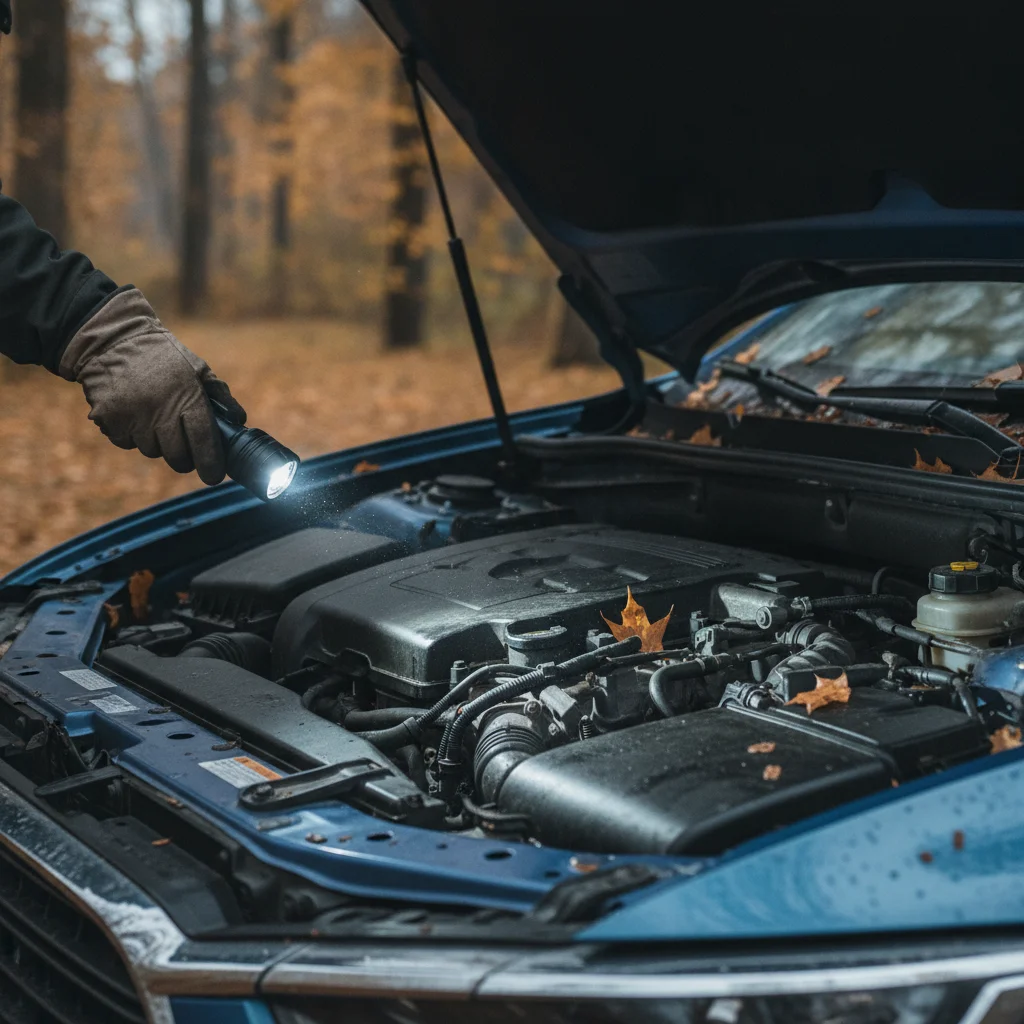
What You'll Need Before You Start
Gather these before you pop the hood. Nothing slows down an inspection like hunting around for a flashlight halfway through.
Flashlight or Headlamp
Illuminate the engine bay, tire sidewalls, and undercarriage for close visual inspection.
Tire Pressure Gauge
Measure accurate PSI on all four tires and the spare — don't trust the display at the gas station pump.
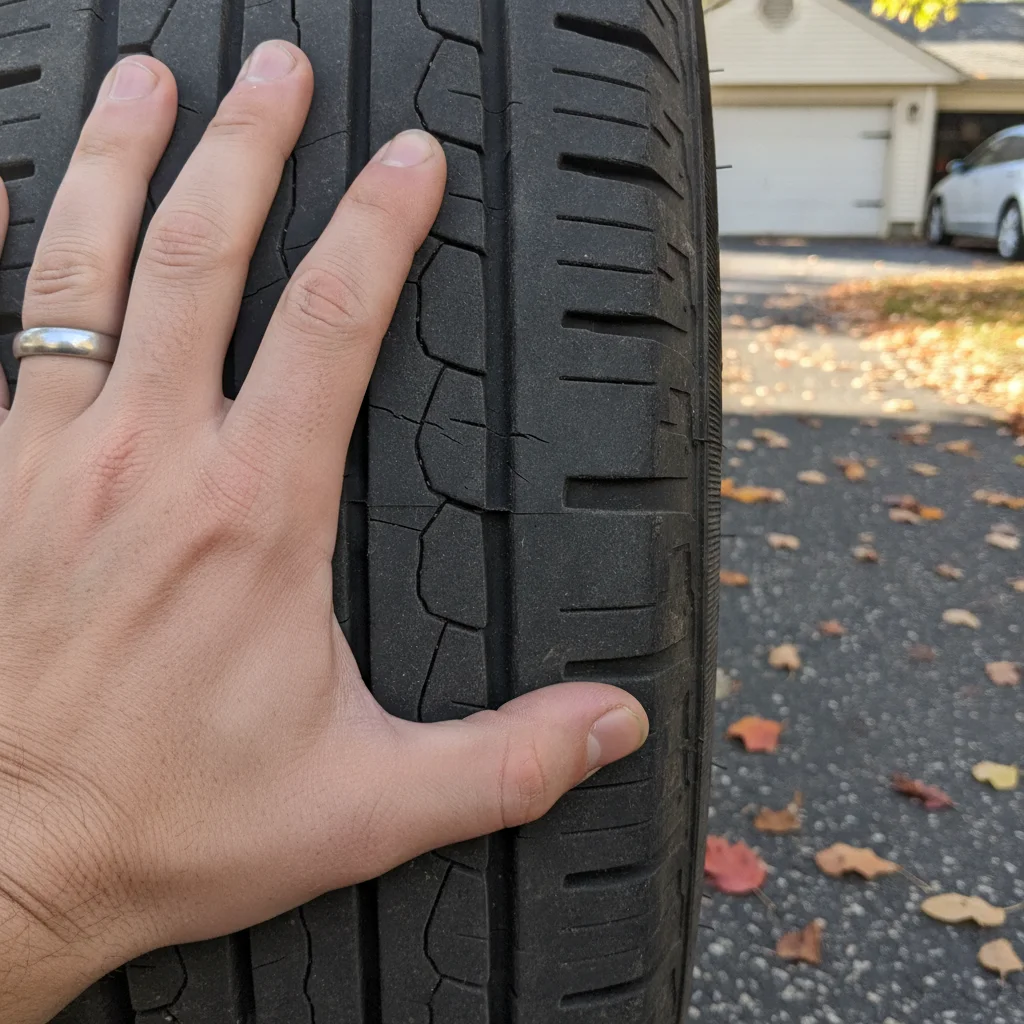
Tread Depth Gauge (or a Quarter)
Measure remaining tire tread depth to determine if replacement is needed before winter.
Coolant Tester
Check freeze protection level of your coolant mixture — costs about $5 at any auto parts store.
Battery Load Tester
Test actual cold-cranking amp capacity under load — most auto parts stores will do this for free.
Rags and Gloves
Check fluid levels and handle components without making a mess or burning your hands.
Replacement Wiper Blades
Winter-rated blades to swap in if your current blades streak or your old ones are worn.
Washer Fluid (Winter Formula)
Top off or fully replace washer fluid with a formula rated to -20°F or lower.
With everything on the workbench, you're ready to move through the checklist systematically. Start under the hood, move to the exterior, then finish with a short test drive to confirm your heat, defrost, and wipers are working properly. That order keeps you from touching a hot engine and makes the walk-around feel natural.
The Full Pre-Winter Inspection Checklist
Work through these groups in order. Each item is labeled must, should, or nice to have — so if you're short on time, you know which ones to prioritize without skipping anything safety-critical.
Under the Hood
Tires and Brakes
Lights, Wipers, and Visibility
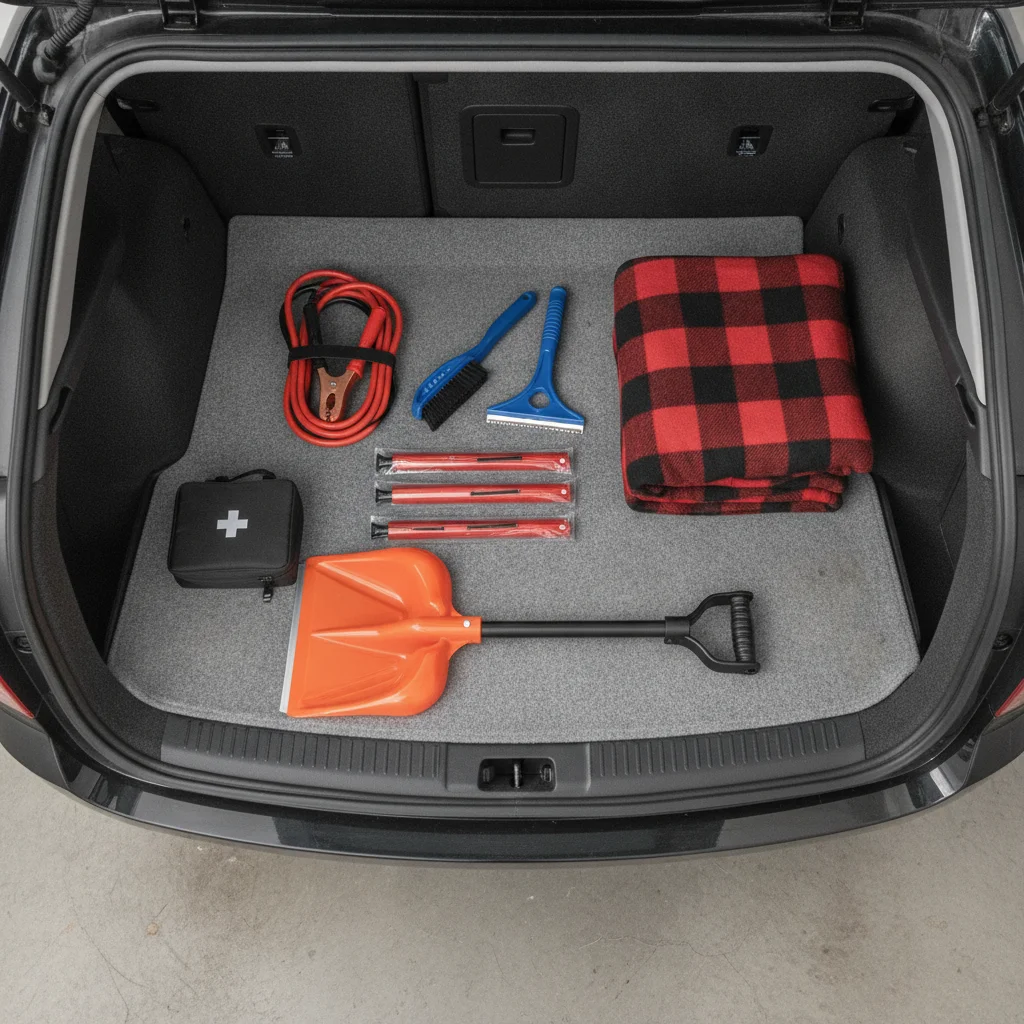
Interior and Emergency Prep
Never Check Coolant With a Hot Engine
Opening the coolant reservoir cap on a hot engine can cause pressurized coolant to spray and cause serious burns. Always let the engine cool completely — at least 30 minutes after driving — before removing the cap or checking the coolant level. When in doubt, wait longer.
Don't Ignore a Battery That Tests Marginal
A battery reading as 'marginal' in October will very likely fail entirely in cold weather. Cold temperatures dramatically reduce a battery's ability to deliver cranking amps. If the load test result is borderline, replace the battery now — it costs far less than a tow and the time lost to a roadside breakdown.
Mismatched Tires Are a Winter Hazard
If you're replacing only one or two tires to get through winter, make sure the new tires match the existing ones in size, load rating, and ideally brand and model. Mismatched tires — especially on all-wheel-drive vehicles — can cause unpredictable handling on snow and ice and may damage the AWD system.
For a broader look at how to read your car's warning signs beyond a seasonal check, the DIY early warning signs guide walks through tires, belts, brakes, and fluids in more detail. It pairs well with this checklist.
The Items People Most Often Skip (And Regret)
After doing pre-winter inspections for years — both on my own vehicles and helping friends get their cars sorted before the snow hits — a few items consistently get overlooked. Here's a closer look at them.
The Battery
Most auto parts stores will load-test your battery for free in about five minutes. If your battery is three or more years old and you haven't had it tested recently, this is non-negotiable. A battery that tests marginal in October will almost certainly let you down in February. Load testing tells you actual available cranking amps under simulated cold conditions — that's the number that matters, not just the resting voltage.
Coolant Concentration
This one surprises people. It's not enough to just have coolant in the reservoir — it has to be mixed properly to protect against freezing. A $5 coolant tester from any parts store measures the freeze protection level in about 30 seconds. Most vehicles need a 50/50 mix of coolant and distilled water, protecting to around -34°F. If your coolant is due for a full flush, do it now rather than in spring — it's harder on the system to run degraded coolant through a cold winter.
Cabin Air Filter
People forget this exists. A clogged cabin filter restricts airflow to your heater and defroster — the two things you need working perfectly in winter. It typically lives behind the glovebox and takes less than 10 minutes to swap. If you've never replaced it and the car has more than 20,000 miles on it, just change it.
Wiper Blades
Standard wiper blades aren't designed to handle ice and heavy snow. Most manufacturers now make winter-specific blades with a rubber boot that keeps ice from jamming the frame mechanism. If you live anywhere that gets serious winter weather, the upgrade is worth it. Budget blades will lift off the windshield at highway speeds in freezing rain — exactly when you need them most.
Worn Tires Are the Top Winter Safety Risk
Everything else on this list matters — but tires are the single item where marginal is not acceptable in winter conditions. A tire with 3/32" of tread or less has dramatically reduced wet and snow traction. On ice or packed snow, stopping distances can double or triple compared to a tire with full tread. If any tire is borderline, replace it before the temperature drops — this is not a 'keep an eye on it' situation.
Antifreeze and Coolant Are Not the Same Thing
Pure antifreeze (ethylene glycol) actually freezes at a higher temperature than a proper 50/50 mix with distilled water. Running straight antifreeze in your cooling system will not protect you better — it will protect you worse, and it can cause water pump cavitation and seal damage. Always mix to manufacturer specs, typically 50/50, which protects to around -34°F. Check the label on your coolant jug if you're unsure.
If you do your own routine monthly under-the-hood checks, a lot of these pre-winter items will already be familiar. Think of this checklist as your annual deep dive on top of that monthly habit.
After the Inspection: What to Do With What You Found
Once you've worked through the list, you'll probably fall into one of three categories: everything looks good, a few minor items need attention, or you found something significant.
Everything looks good
Document it. Take a photo of your tire tread, write down your battery test result, note your fluid levels. This becomes useful history if you're selling the car later — and it gives you a concrete baseline for next year's check. Well-documented maintenance is genuinely valuable at resale time.
Minor items need attention
Handle wipers, lights, cabin filter, and washer fluid yourself — these are all under $30 and 15 minutes of work. For fluids, if you're comfortable doing your own top-offs, great. If not, your next oil change is the time to have the shop top everything and do a battery load test simultaneously.
You found something significant
If the battery tested bad, a tire is borderline, or you noticed a hose that feels spongy or cracked, don't wait. These aren't the kinds of things that hold until spring. A cracked coolant hose that fails in January leaves you stranded and potentially causes engine damage. Price out the repair now — you'll almost always find it's a fraction of the tow-and-emergency-repair bill you'd face if it fails on the road.
One more thing worth mentioning: if you're considering selling the car in the next six months, the condition you take it into winter in matters a lot. Buyers doing their own inspection — using something like our used car buyer's pre-drive checklist — will notice deferred maintenance. A car that's clearly been looked after commands a better price. Winter-related neglect (rust, degraded rubber, battery issues) shows up fast and tanks offers.
Take the afternoon. Work through the list. Your future self — the one who doesn't have to call a tow truck in a snowstorm — will be glad you did.

All claims are backed by peer-reviewed research. Sources on request.