Key Takeaways
Our Verdict
All three documents matter, but they serve different masters: the police report supports law enforcement and insurance claims, the driver's accident report creates your personal legal record, and the DMV filing protects your driving privileges. Missing any one of them has real consequences. The smartest move is to treat all three as mandatory until you've confirmed otherwise for your specific state and situation.
| Best for | Recommended |
|---|---|
| Drivers involved in any collision with injury or significant damage | All three filings—police report, driver's accident report, and DMV filing |
| Minor fender-benders with no injuries and cooperative parties | Driver's accident report plus a DMV filing if your state requires it |
| Crashes where police respond and take a report at the scene | Still file a driver's accident report and check your state's DMV threshold |
| Disputed fault or potential litigation | Police report is critical; document everything and consult an attorney |
Why These Three Documents Are Not the Same Thing
After a crash, most drivers think in terms of a single report—something filed with someone official that covers the event. In reality, there are three distinct documents that may each be required, and confusing them is one of the most common and costly mistakes you can make after an accident.
Here's the short version:
- A police report is created by responding officers. You don't write it—they do.
- A driver's accident report (sometimes called a self-report or SR form) is filed by you, directly with your state's DMV or highway patrol, and is separate from anything police generate.
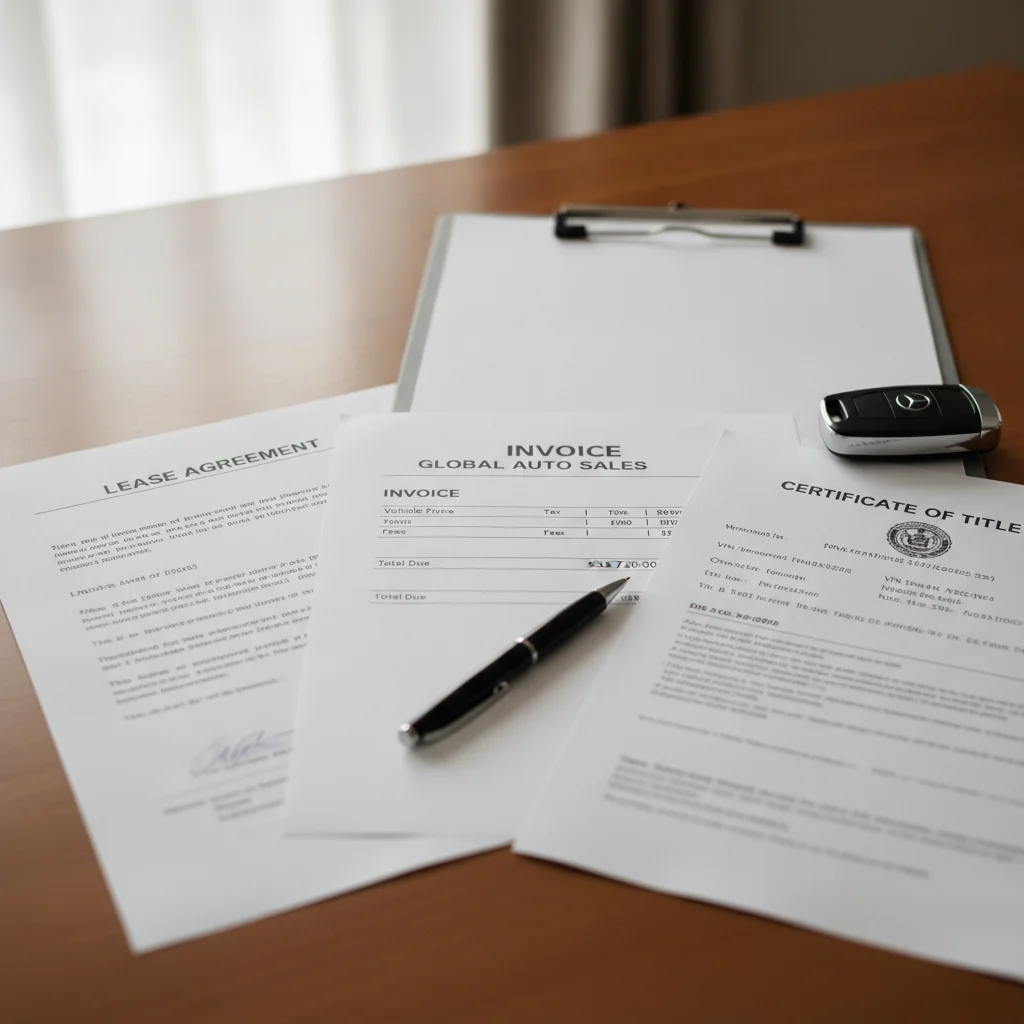
- A DMV filing is a state-required administrative submission that triggers specific record-keeping and, in some cases, an SR-22 requirement or license review.
These documents can overlap—some states combine the driver's report and DMV filing into one form—but they have different deadlines, different audiences, and different legal weight. Getting one filed doesn't mean the others are covered.
Think of it this way: the police report documents what happened for law enforcement and court purposes. Your accident report documents your account of what happened. The DMV filing is about your legal status as a licensed driver. Each one protects you in a different way.
The Police Report: What It Is and What It Actually Does
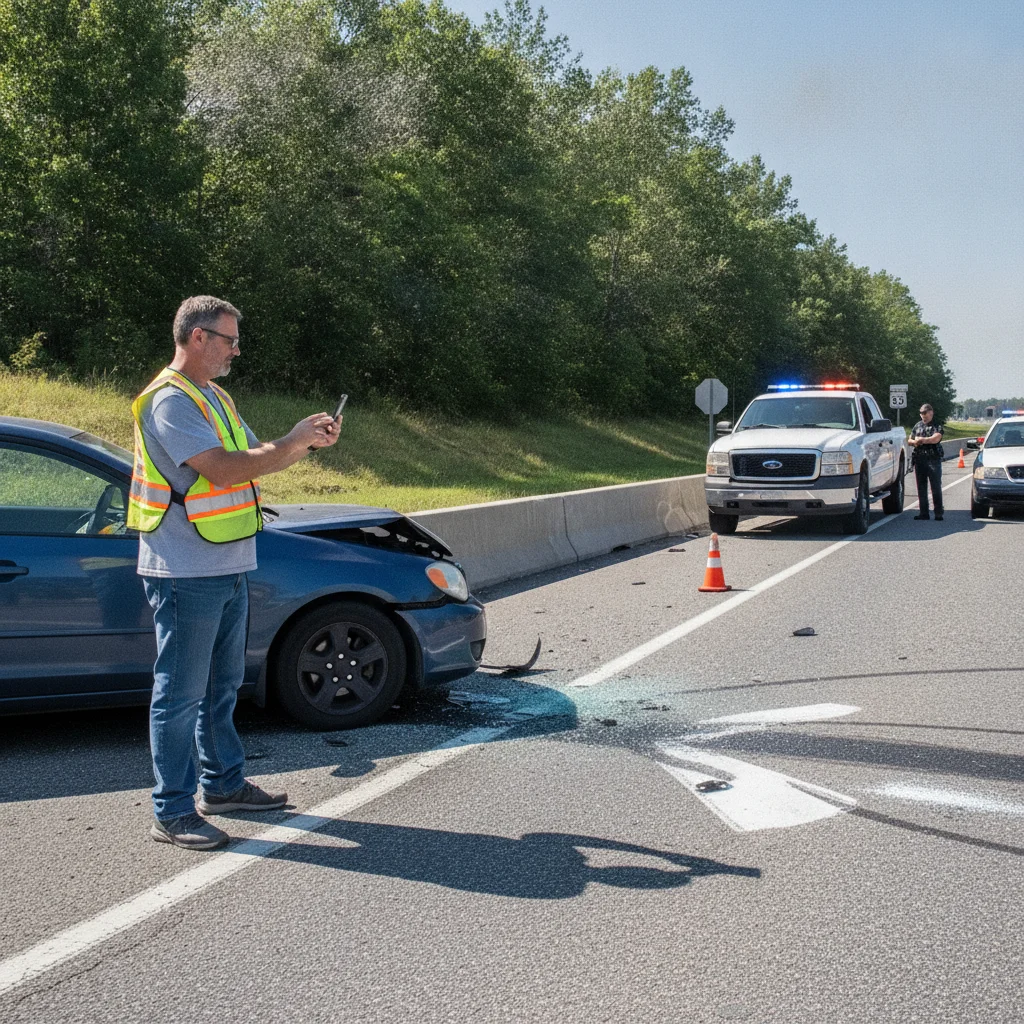
A police report—sometimes called a traffic collision report or crash report—is an official document created by a law enforcement officer who responds to the scene. The responding officer interviews involved parties and witnesses, assesses the scene, and records their findings in a standardized format. You don't control what goes into it.
What a police report typically contains
- Date, time, and location of the crash
- Names, license numbers, and insurance information for all drivers
- Vehicle descriptions and VINs
- Witness statements
- The officer's assessment of contributing factors (weather, road conditions, driver behavior)
- A preliminary fault determination in many cases
- Diagram of the accident scene
That fault notation matters. Insurers weigh police reports heavily when determining liability. If the officer's narrative suggests you ran a red light, your insurer will take that seriously—and so will an opposing attorney. This is why scene documentation done before police arrive gives you your own factual record to reference if the report contains errors.
Get the Officer's Name and Badge Number
Before leaving the scene, ask the responding officer for their name, badge number, and the report number. This makes retrieving the police report significantly faster. Without it, you may have to search by date and location, which can delay your insurance claim by days.
File Even If You're Not at Fault
Many drivers assume they only need to file paperwork if they caused the accident. That's wrong. Your driver's accident report and DMV filing protect your account of events regardless of fault. If the at-fault driver later disputes the facts, your filed report is a timestamped record of your version. Don't leave your protection to chance.
Check Your State's Requirements Now, Not After a Crash
Look up your state's accident reporting requirements before you ever need them. Find the specific form, the filing deadline, the damage threshold, and where to submit. Save the DMV link in your phone's bookmarks. Five minutes of preparation now can prevent a costly mistake in the aftermath of an already stressful event.
When police may not come to the scene
In minor accidents—typically those without injury and below a certain damage threshold—police may not respond, or may respond and decline to write a formal report. Some jurisdictions will direct you to an online reporting portal or a non-emergency station instead. That doesn't mean a police report can't exist; it means you may need to initiate it yourself by going to the station. See our companion piece on when a police report is required vs. advisable for a full breakdown.
How to get a copy
Police reports are usually available within a few days of the incident. You can request them from the responding agency—city police, county sheriff, or state highway patrol, depending on where the crash occurred. There is typically a small fee. Your insurer may also request it directly. Keep your copy; you'll need it for claims and potentially for any litigation.
6M+
Police-reported crashes annually in the U.S.
According to the National Highway Traffic Safety Administration (NHTSA), over six million crashes are reported to police each year in the United States.
~38%
Crashes that go unreported to police
Research published by the National Safety Council estimates that a significant share of crashes—particularly minor ones—are never formally reported to law enforcement.
3–5 years
How long at-fault accidents stay on your record
Most states retain at-fault accident records on your driving history for three to five years, directly affecting insurance premiums during that window.
The Driver's Accident Report: Your Account on the Record
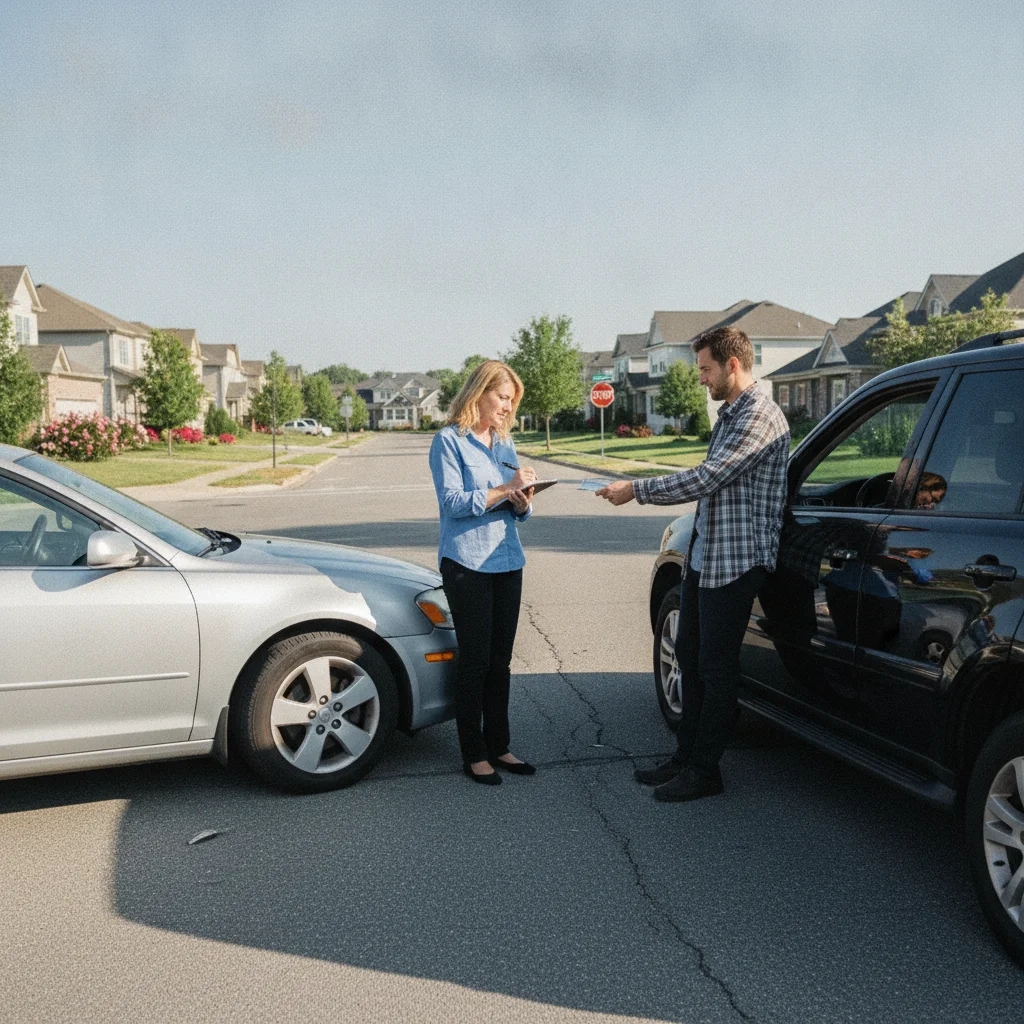
A driver's accident report—commonly filed on a form like California's SR-1 or New York's MV-104—is what you submit yourself after a crash, independently of what law enforcement does. This is your legal declaration of what occurred, and it creates a record that's separate from the police narrative.
Why this matters even when police responded
Even if an officer wrote a detailed report, many states still require you to file your own. These are different documents serving different purposes. The police report reflects law enforcement's findings. Your report reflects your firsthand account and ensures you're on record as having reported the event. If a dispute arises later—about timing, damage amounts, or who was involved—your filed report establishes your position from day one.

When is it required?
Triggering thresholds vary by state but most commonly apply when:
- The crash involves injury or death
- Property damage exceeds a set dollar threshold (often $500–$2,500 depending on the state)
- The other driver is uninsured or flees the scene
Some states require a driver's accident report any time police did not file one. Others require it regardless. Check your state's DMV website—the form and instructions are typically available for download.
Don't Admit Fault on Any Filed Document
Your driver's accident report asks for a factual description of the crash—not a fault assessment. Stick to observable facts: vehicle positions, direction of travel, road conditions, what happened sequentially. Phrases like 'I didn't see them' or 'I was distracted' become part of the legal record and can be used to establish liability. Describe, don't interpret.
Missing the Filing Deadline Has Real Penalties
In many states, failing to file a required driver's accident report within the mandated window can result in suspension of your driver's license—even if you were not at fault in the crash. Some states reinstate the suspension only after the report is received. Don't assume this is an obscure rule that won't apply to you; it's actively enforced in states including California, Florida, and Texas.
An Inconsistent Account Creates Liability Problems
If what you tell your insurer differs materially from what appears in your filed accident report or the police report, it raises a red flag. Insurers look for inconsistencies as a signal of misrepresentation. Make sure your verbal account, written report, and any statement to your insurer all reflect the same accurate facts. When something is genuinely uncertain, say so—don't guess.
The content you'll need
These forms ask for essentially the same information you should have gathered at the scene: names, insurance details, plate numbers, driver's license numbers, a description of the damage, and your account of how the collision occurred. This is why having the right information from the other driver is so important—see our guide on what to exchange after an accident to make sure you're collecting everything you'll need.
Deadlines
State deadlines for driver's accident reports typically run 5 to 10 days after the crash, though some states allow up to 30. Missing this window can complicate your insurance claim and, in some states, carry penalties. Don't assume your insurer filed it for you—they almost certainly didn't. This is your responsibility.
The DMV Filing: Administrative Record-Keeping With Real Consequences
DMV filings are the least understood of the three, partly because they overlap structurally with driver's accident reports in some states. But they serve a distinctly administrative function: they go into your official driving record and may trigger license-related reviews or requirements.
What a DMV filing does
- Creates an official record of the accident on your driving history
- May prompt a review of your driving privileges, particularly if you have prior incidents
- Can trigger an SR-22 requirement if you were found to be uninsured or at fault in specific circumstances
- Informs the state's accident statistics database
In states where these are combined with the driver's accident report, filing one covers both. In states where they're separate, you have two distinct submissions to make. Your driving record is the downstream result of these filings, and insurers check it when setting or renewing your rates.
SR-22: The filing most people misunderstand
An SR-22 isn't an insurance policy—it's a certificate your insurer files with the state confirming you carry at least the minimum required coverage. It may be required after a serious at-fault accident, a DUI, or a lapse in coverage. If the DMV flags your accident record and determines you need an SR-22, your insurer will handle the filing, but you'll likely see a significant rate increase. The requirement typically lasts two to three years depending on your state.

When the DMV filing is mandatory vs. optional
Most states require a DMV filing when injuries or fatalities occur, or when damage exceeds a set threshold. Below those thresholds, it may still be wise to file if the crash is disputed, if the other driver is uninsured, or if you want a formal record of the event. When in doubt, file—there's no penalty for reporting a crash that technically didn't meet the threshold, but there can be serious consequences for failing to report one that did.
| Police Report | Driver's Accident Report | DMV Filing | |
|---|---|---|---|
| Who creates it | Responding law enforcement officer | The driver(s) involved | The driver(s) involved |
| When it's created | At or shortly after the scene | Days after the crash (per state deadline) | Days after the crash (per state deadline) |
| Where it's filed | Law enforcement agency | State DMV or highway patrol | State DMV or motor vehicle authority |
| Primary purpose | Criminal/civil record of the crash | Driver's legal account of the event | Administrative driving record update |
| Used by insurers? | Yes — heavily | Yes — as corroborating account | Indirectly via driving record |
| Can affect license? | Indirectly via citations issued | Yes — non-filing can trigger suspension | Yes — directly informs DMV records |
| Typical deadline | Immediate (officer-controlled) | 5–30 days depending on state | Often same window as driver's report |
| Cost to obtain copy | Small fee from reporting agency | You retain a copy when filing | Included in driving record request |
How These Documents Affect Your Insurance Claim
Your insurer isn't just taking your word for what happened. They're building a claims file that draws on multiple sources: your report, the police report, vehicle history (accident flags from prior incidents show up on reports like those discussed in vehicle history reports), and potentially medical records. Each of the three documents we've covered feeds into that file differently.
The police report as an insurer's reference
Insurers use police reports to corroborate—or challenge—your version of events. If the officer noted that you were traveling at excessive speed, expect that to come up in the liability assessment. If the report is factually wrong, you have the right to request a correction through the reporting agency, though this takes time and isn't guaranteed.
Your driver's report as a baseline
When you file a driver's accident report, you're locking in your account of the event at a specific moment in time. This can work in your favor if the facts are clear-cut. It can also be used against you if your account later shifts or if details are omitted. Be accurate and thorough—don't speculate, don't admit fault, and don't leave fields blank.
DMV records and rate impact
The DMV accident record affects your risk profile. At-fault accidents typically stay on your record for three to five years. During that window, insurers can see them when quoting or renewing your policy. An SR-22 requirement is an additional signal to the market that you're a higher-risk driver. All of this translates directly to premium dollars.
Get the Officer's Name and Badge Number
Before leaving the scene, ask the responding officer for their name, badge number, and the report number. This makes retrieving the police report significantly faster. Without it, you may have to search by date and location, which can delay your insurance claim by days.
File Even If You're Not at Fault
Many drivers assume they only need to file paperwork if they caused the accident. That's wrong. Your driver's accident report and DMV filing protect your account of events regardless of fault. If the at-fault driver later disputes the facts, your filed report is a timestamped record of your version. Don't leave your protection to chance.
Check Your State's Requirements Now, Not After a Crash
Look up your state's accident reporting requirements before you ever need them. Find the specific form, the filing deadline, the damage threshold, and where to submit. Save the DMV link in your phone's bookmarks. Five minutes of preparation now can prevent a costly mistake in the aftermath of an already stressful event.
Side-by-Side: Key Differences at a Glance
The table below cuts through the confusion and gives you a direct comparison across the criteria that matter most when you're trying to figure out what you're required to do after a crash.
| Police Report | Driver's Accident Report | DMV Filing | |
|---|---|---|---|
| Who creates it | Responding law enforcement officer | The driver(s) involved | The driver(s) involved |
| When it's created | At or shortly after the scene | Days after the crash (per state deadline) | Days after the crash (per state deadline) |
| Where it's filed | Law enforcement agency | State DMV or highway patrol | State DMV or motor vehicle authority |
| Primary purpose | Criminal/civil record of the crash | Driver's legal account of the event | Administrative driving record update |
| Used by insurers? | Yes — heavily | Yes — as corroborating account | Indirectly via driving record |
| Can affect license? | Indirectly via citations issued | Yes — non-filing can trigger suspension | Yes — directly informs DMV records |
| Typical deadline | Immediate (officer-controlled) | 5–30 days depending on state | Often same window as driver's report |
| Cost to obtain copy | Small fee from reporting agency | You retain a copy when filing | Included in driving record request |
One note on the "Who files it" row: in some states, the officer's report and the driver's report are filed together or use the same form. Even so, your signature on the driver's portion makes it a separate legal declaration from the officer's narrative section. They're distinct records even if they share a document.
Common Mistakes and How to Avoid Them
Knowing the difference between these three filings is half the battle. The other half is execution—and there are predictable ways drivers get this wrong.
Assuming the police report covers everything
This is the most common error. The officer files their report; you assume the state is notified and you're covered. In most states, you're not. The driver's accident report and DMV filing are your responsibility, full stop.
Missing the deadline
Each document has its own deadline. Police reports are filed immediately by officers; you can't control that timing. But driver's accident reports and DMV filings have windows that close quickly. Five days goes fast when you're dealing with vehicle repairs, medical appointments, and insurance calls. Set a reminder the day of the accident.
Omitting details to downplay the crash
Some drivers underreport damage or minimize injuries on their filed forms because they want to avoid a rate increase. This is a short-sighted mistake. If the claim later escalates—because injuries worsen, because the other driver sues—inconsistency between your filed report and the actual claim will create serious credibility problems.
Don't Admit Fault on Any Filed Document
Your driver's accident report asks for a factual description of the crash—not a fault assessment. Stick to observable facts: vehicle positions, direction of travel, road conditions, what happened sequentially. Phrases like 'I didn't see them' or 'I was distracted' become part of the legal record and can be used to establish liability. Describe, don't interpret.
Missing the Filing Deadline Has Real Penalties
In many states, failing to file a required driver's accident report within the mandated window can result in suspension of your driver's license—even if you were not at fault in the crash. Some states reinstate the suspension only after the report is received. Don't assume this is an obscure rule that won't apply to you; it's actively enforced in states including California, Florida, and Texas.
An Inconsistent Account Creates Liability Problems
If what you tell your insurer differs materially from what appears in your filed accident report or the police report, it raises a red flag. Insurers look for inconsistencies as a signal of misrepresentation. Make sure your verbal account, written report, and any statement to your insurer all reflect the same accurate facts. When something is genuinely uncertain, say so—don't guess.
Not getting copies of everything
Request copies of the police report once it's available. Keep a copy of your filed driver's accident report. Document your DMV submission with a confirmation number or receipt. These records are your protection if any party disputes what was reported.
And if you're ever reviewing a used vehicle's accident history, keep in mind that not all crashes make it into commercial databases—as covered in our piece on why vehicle history reports don't tell the whole story. The same principle applies in reverse: a properly filed set of reports is what creates a reliable record in the first place.

State-by-State Variability: What You Must Look Up Before You Need It
Everything in this article reflects general principles. The specifics—damage thresholds, form numbers, deadlines, whether the driver's report and DMV filing are combined—are set by each state, and they vary more than most people expect.
Key variables to check for your state
- Damage threshold: The dollar amount above which a driver's report is mandatory (ranges from $500 in some states to $2,500 in others)
- Injury rule: Most states require a report any time injury or death occurs, regardless of damage dollar amount
- Filing deadline: Typically 5–30 days after the crash for driver-filed reports
- Combined vs. separate forms: Some states use one form that satisfies both the driver's report and DMV filing; others require two separate submissions
- Where to file: DMV, state police, or department of transportation, depending on the state
Your state's DMV website is the authoritative source. Search for "accident report form" or "SR" followed by your state's abbreviation. If you're in any doubt, file. The administrative burden of an unnecessary filing is trivial compared to the legal and financial exposure of a missed one.
For additional context on how your driving history is maintained and what records insurers and courts actually see, our guide on reading your driving record walks through exactly what each entry means and how long it stays visible.
Get the Officer's Name and Badge Number
Before leaving the scene, ask the responding officer for their name, badge number, and the report number. This makes retrieving the police report significantly faster. Without it, you may have to search by date and location, which can delay your insurance claim by days.
File Even If You're Not at Fault
Many drivers assume they only need to file paperwork if they caused the accident. That's wrong. Your driver's accident report and DMV filing protect your account of events regardless of fault. If the at-fault driver later disputes the facts, your filed report is a timestamped record of your version. Don't leave your protection to chance.
Check Your State's Requirements Now, Not After a Crash
Look up your state's accident reporting requirements before you ever need them. Find the specific form, the filing deadline, the damage threshold, and where to submit. Save the DMV link in your phone's bookmarks. Five minutes of preparation now can prevent a costly mistake in the aftermath of an already stressful event.

All claims are backed by peer-reviewed research. Sources on request.