Key Takeaways
Our Verdict
Coasting to a stop is the clear winner for fuel economy in virtually every scenario. It preserves kinetic energy longer, keeps fuel cut-off active in modern engines, and reduces the need to re-accelerate aggressively. Hard braking throws away all the energy your engine worked to create and demands more fuel to rebuild speed. The habit shift is small, but the long-term savings are real.
| Best for | Recommended |
|---|---|
| Gas-powered car drivers focused on stretching every tank further | Coasting to a Stop |
| EV and hybrid drivers maximizing range on every trip | Coasting to a Stop with Regenerative Braking |
| Emergency or unavoidable stopping situations | Hard Braking (when safety requires it) |
| City stop-and-go driving where full stops are frequent | Coasting to a Stop |
Why Deceleration Style Matters More Than You Think
Most drivers know that flooring the accelerator wastes fuel. What far fewer people realize is that how you slow down matters almost as much. Every time you brake, you're converting kinetic energy — the momentum your engine burned fuel to create — into heat, which then dissipates into the air. That energy is gone. When you slow down gradually by coasting, you give your engine's fuel-cut system more time to do its job and arrive at a stop having wasted far less of that hard-won momentum.
This isn't a marginal detail. Braking habits are one of the most consistent separators between drivers who get 28 mpg and those who get 33 mpg in the same vehicle, on the same commute. That gap compounds over thousands of miles.
Understanding the mechanics behind each approach helps you make smarter choices behind the wheel — not just for fuel savings, but for brake pad longevity and overall drivetrain wear. If you've ever wondered why some drivers seem to coast effortlessly while others are constantly surging and jamming the brakes, the answer has as much to do with fuel economy as it does with driving style.
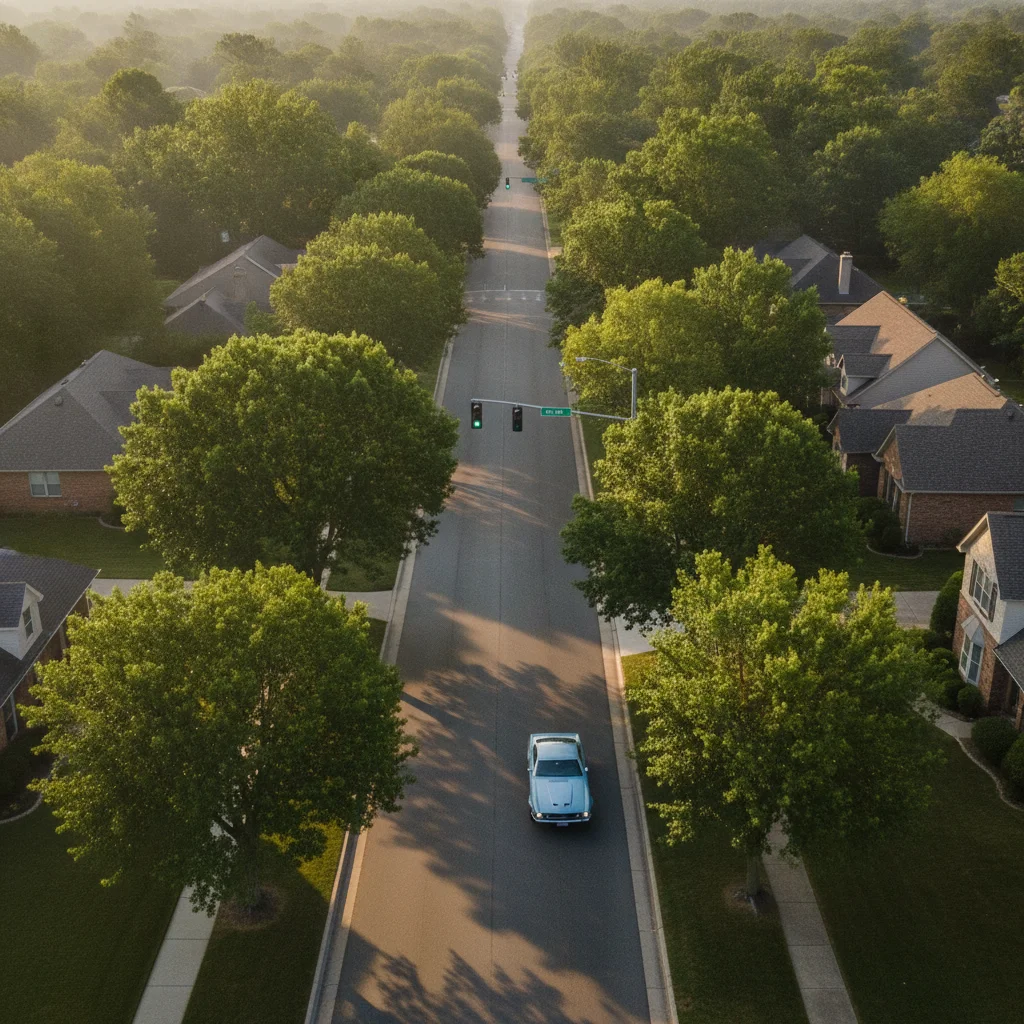
For a broader look at which driving behaviors cost you the most at the pump, see habits that hurt fuel economy most. Braking style consistently ranks among the top offenders.
What Actually Happens When You Coast in a Gas-Powered Car
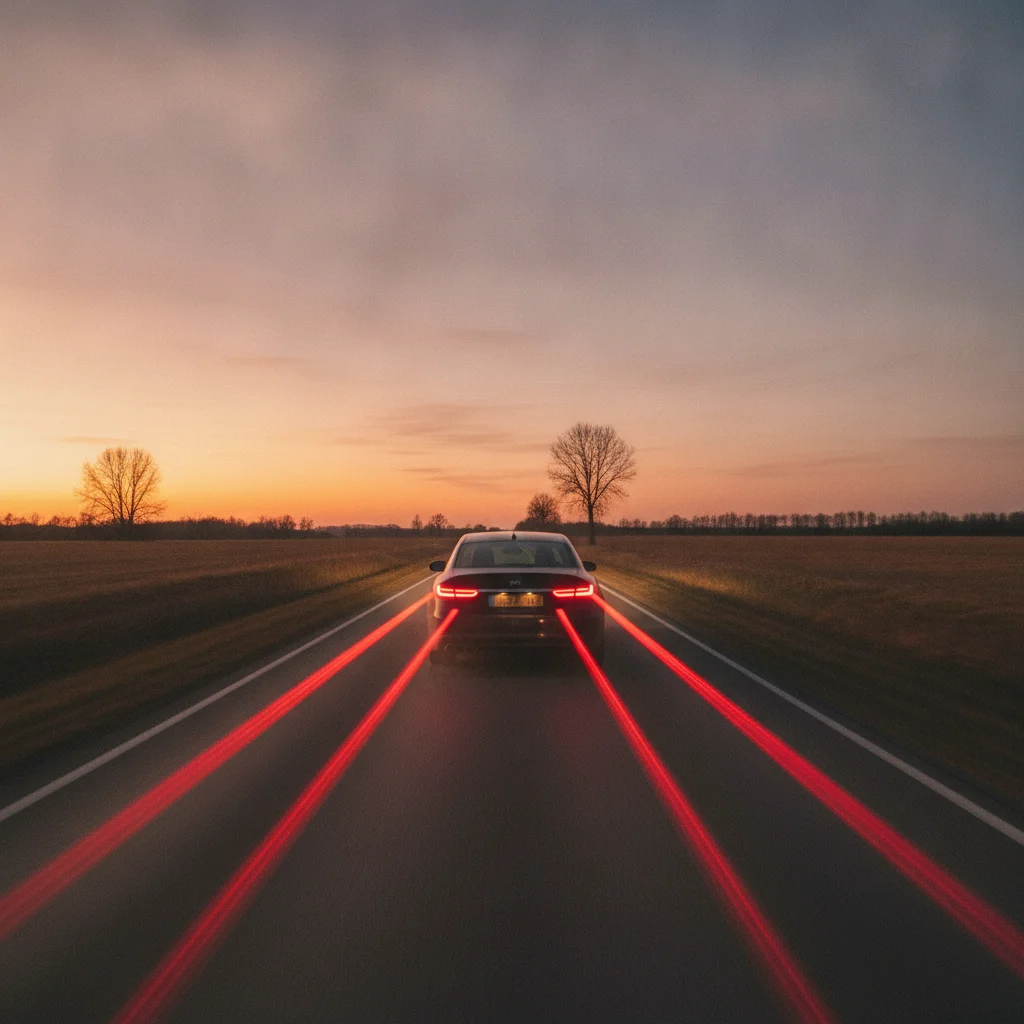
In virtually every modern fuel-injected gasoline vehicle, lifting your foot off the accelerator while in gear triggers a system called deceleration fuel cut-off (DFCO). When this happens, the engine's fuel injectors are completely shut off. Your car is still moving — rolling on its own momentum and using engine braking from compression — but it's consuming essentially zero fuel while doing so.
This is the key insight that makes coasting so powerful. You're not just saving a little fuel by going easy on the brakes. You're potentially running on zero fuel for the entire duration of your coast, which might last five, ten, or even twenty seconds depending on traffic conditions ahead.
The Conditions That Maximize Coasting Efficiency
- Remaining in gear: DFCO only activates when you're in gear and above a certain RPM threshold (typically around 1,000–1,500 RPM depending on the vehicle). Shifting to neutral or pressing the clutch disengages this system and causes the engine to idle, consuming a small amount of fuel.
- Higher speeds: The faster you're traveling when you lift off, the longer you can coast before needing to brake, giving DFCO more time to work in your favor.
- Anticipating stops early: Spotting a red light half a mile ahead and easing off the throttle immediately gives you the longest possible coast window.
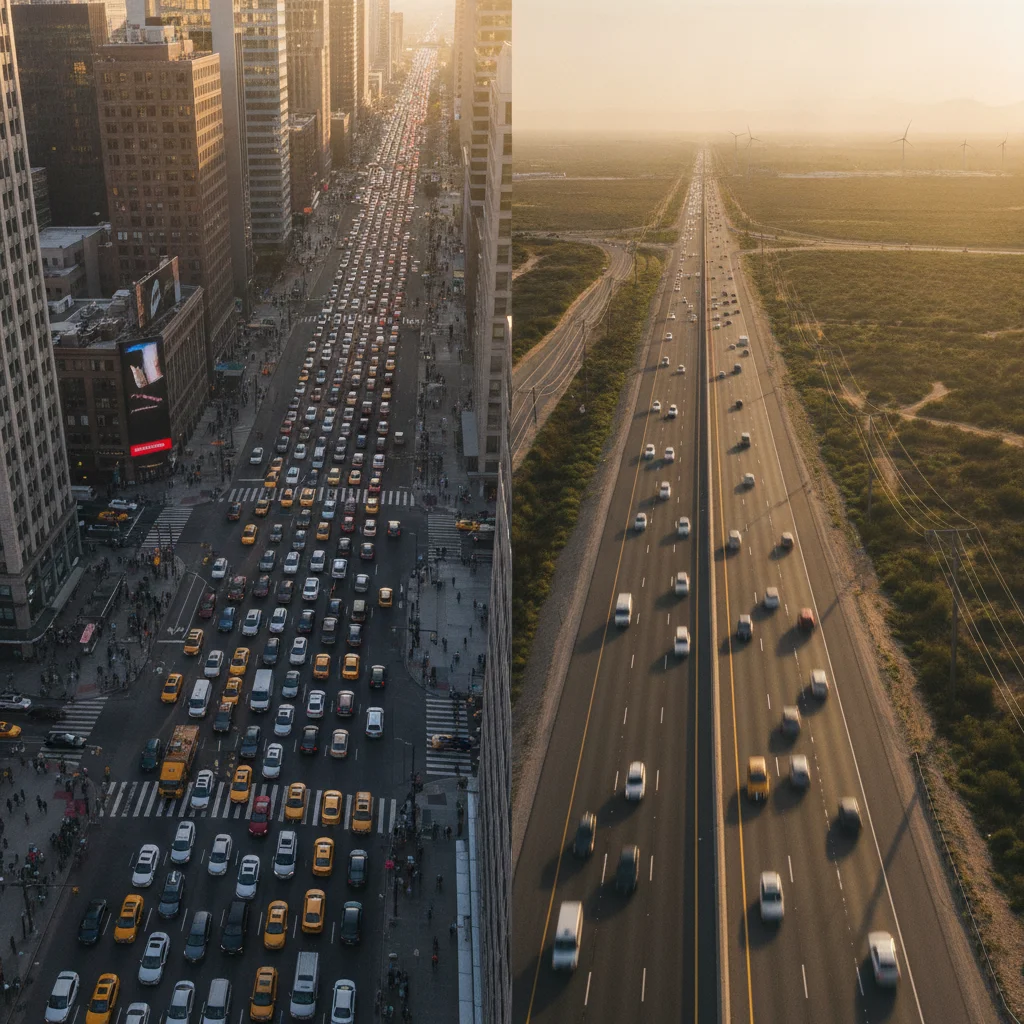
The relationship between city driving patterns and coasting opportunities is worth exploring. City vs. highway fuel burn explains why stop-and-go conditions make braking habits particularly important — in the city, you're stopping and starting constantly, so every deceleration event counts.
Stay In Gear When Coasting Downhill
It may feel intuitive to shift to neutral on a downhill stretch, but staying in gear with your foot off the throttle keeps deceleration fuel cut-off (DFCO) active — meaning zero fuel consumption. Shifting to neutral causes the engine to idle and burn a small but steady amount of fuel instead. Let engine compression do the braking work and you'll arrive at the bottom of the hill without having used a drop of fuel.
Increase Following Distance for Easier Coasting
A simple rule of thumb: leave enough space that you can absorb another vehicle's slowing without touching your brakes. This distance — often three to four seconds of following time on city streets — turns what would have been a reactive brake event into a passive coast. You'll brake less, wear your pads less, and spend more time in the fuel-saving DFCO zone.
What Hard Braking Actually Costs You
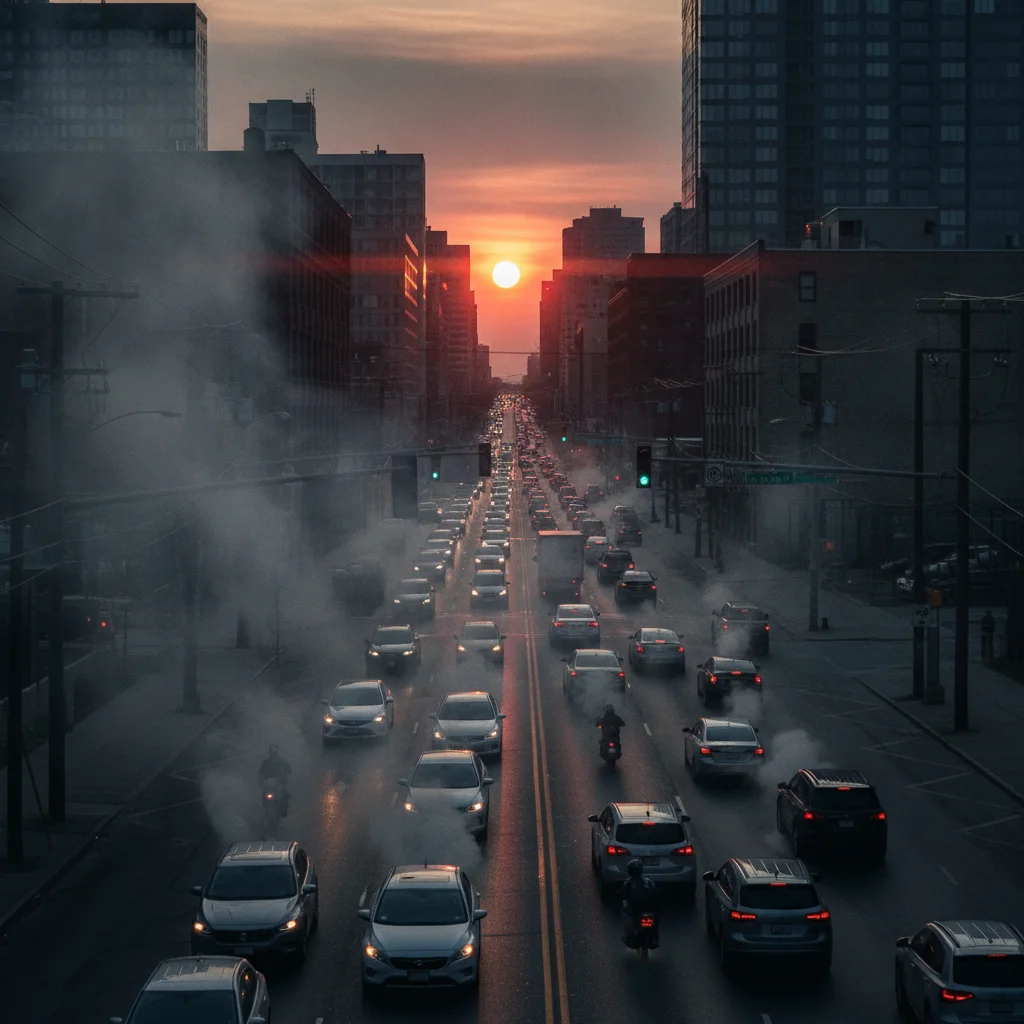
Hard braking isn't just about the fuel you burn at the moment of stopping — it's about the fuel you'll need to burn immediately afterward. When you brake hard, you're wasting all the kinetic energy your engine spent fuel creating, and you arrive at your destination speed (or a complete stop) much sooner than necessary. What follows is almost always an acceleration event, which is when fuel consumption peaks.
Think about the typical cycle in heavy traffic. A driver who follows closely and brakes hard repeatedly isn't just wearing down their brake pads — they're also accelerating more frequently and from lower speeds. Each acceleration burns more fuel than maintaining momentum would have. The energy equation is unforgiving: every hard stop is a reset button on your momentum, and rebuilding that momentum costs fuel.
The Hidden Costs Beyond Fuel
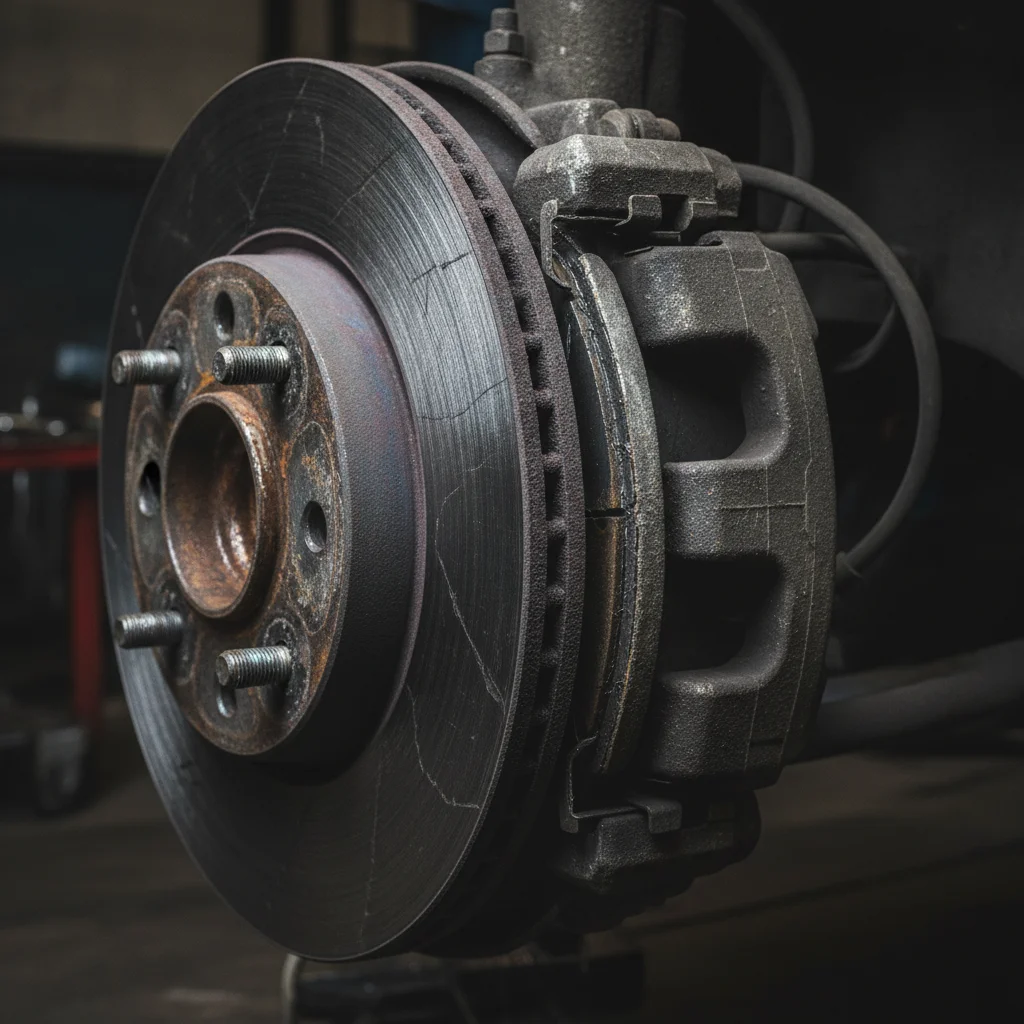
Hard braking accelerates brake pad wear significantly. In a conventional gas vehicle, all deceleration energy goes through the friction brakes, generating heat that degrades pad material. Frequent hard stops can cut brake pad life considerably, turning a potential 50,000-mile pad life into 30,000 miles or less depending on driving conditions. That's a real maintenance cost that rarely gets factored into the fuel economy conversation.
There's also the safety dimension. Drivers who habitually brake hard tend to follow more closely and have less reaction time. Smoother following distances and earlier deceleration aren't just fuel-saving techniques — they're defensive driving habits.
Never Sacrifice Safety for Fuel Economy
Coasting and anticipatory braking are fuel-saving techniques for normal driving conditions — not rules to follow when safety is at risk. If a pedestrian steps out, a car cuts in, or conditions demand a quick stop, brake firmly and immediately. No fuel savings is worth a collision. Use smooth deceleration as your default on open road; reserve hard braking for the moments that require it.
Coasting in Neutral Defeats the Purpose
Some drivers shift into neutral to coast, assuming it saves fuel. In modern fuel-injected cars, this actually uses more fuel than staying in gear, because the engine idles at a low but non-zero fuel rate. DFCO only activates when the drivetrain is engaged and above the RPM threshold. Popping into neutral before a stop eliminates the fuel-free coast window entirely.
Comparing the Two Approaches: Fuel, Wear, and Real-World Impact
To make the comparison concrete, consider a simple scenario: you're traveling at 45 mph and a red light appears 800 feet ahead. Two drivers handle this differently.
- Driver A (coasting): Lifts off the throttle immediately, stays in gear, and coasts for 600 feet before applying light braking to come to a smooth stop. DFCO is active for the entire coast — fuel consumption is effectively zero for that stretch.
- Driver B (hard braking): Maintains throttle until 200 feet from the light, then brakes firmly to stop in time. Fuel is consumed for an additional 400 feet, then wasted entirely as kinetic energy is converted to brake heat.
Repeat this scenario dozens of times per commute, and the gap in fuel consumption becomes significant. Studies from the Oak Ridge National Laboratory and EPA real-world testing data consistently show that aggressive stop-and-go driving — characterized by hard acceleration and braking — can reduce fuel economy by 15–40% compared to smoother driving in the same conditions.
| Coasting to a Stop | Hard Braking | |
|---|---|---|
| Fuel consumption during deceleration | Near zero (DFCO active in gear) | Continues until brakes are applied |
| Kinetic energy recovery | Preserved longer, less wasted | Converted to heat, fully wasted |
| Brake pad wear | Minimal — light friction braking only | Accelerated — high heat and friction |
| Required re-acceleration after stop | Often reduced or avoided | Frequent, from lower speeds |
| EV regenerative braking compatibility | Excellent — maximizes energy recovery | Poor — triggers friction brakes at high deceleration |
| Safety in emergency situations | Not always appropriate | Required — always the right call |
| Real-world fuel economy impact | Up to 15% improvement in city driving | Up to 40% reduction vs. smooth driving |
| Skill/habit difficulty | Requires anticipation and following distance | Default for most drivers, no adjustment needed |
For drivers who use cruise control on longer stretches, similar principles apply to maintaining momentum. Using cruise control smartly covers how steady-speed tools can complement the kind of anticipatory driving that makes coasting more effective.
15–40%
Fuel economy lost from aggressive stop-and-go driving
EPA and Oak Ridge National Laboratory real-world testing shows aggressive acceleration and braking patterns reduce fuel economy by 15–40% in city conditions.
~$150/yr
Estimated annual savings from smoother braking
Based on a vehicle averaging 28 mpg, 12,000 miles/year, a 10% fuel economy improvement, and a fuel price of $3.50/gallon.
0 mpg
Effective fuel economy lost to friction braking
Every hard stop converts all built-up kinetic energy into brake heat — energy that cost fuel to create and is now permanently lost.
How EVs and Hybrids Change the Equation
In electric and hybrid vehicles, the deceleration comparison looks different — but the core principle holds. Instead of DFCO, these vehicles use regenerative braking, which converts kinetic energy back into electrical energy rather than simply dissipating it as heat. This makes the choice between coasting, light braking, and hard braking even more consequential.
In most EVs, simply lifting off the accelerator activates regenerative braking immediately. The strength of that regeneration varies by vehicle and driver settings — some EVs allow near one-pedal driving, where lifting off alone brings the car almost to a complete stop while recovering substantial energy. In this context, coasting style matters in a different way: you want to stay in the regenerative zone rather than coasting completely unpowered (which returns less energy) or braking so hard that the friction brakes engage instead of the regenerative system.
Regenerative braking explained walks through how this energy recovery system works in detail. And if you're curious about how this affects long-term maintenance costs, why EV brakes last so much longer explains the wear implications.
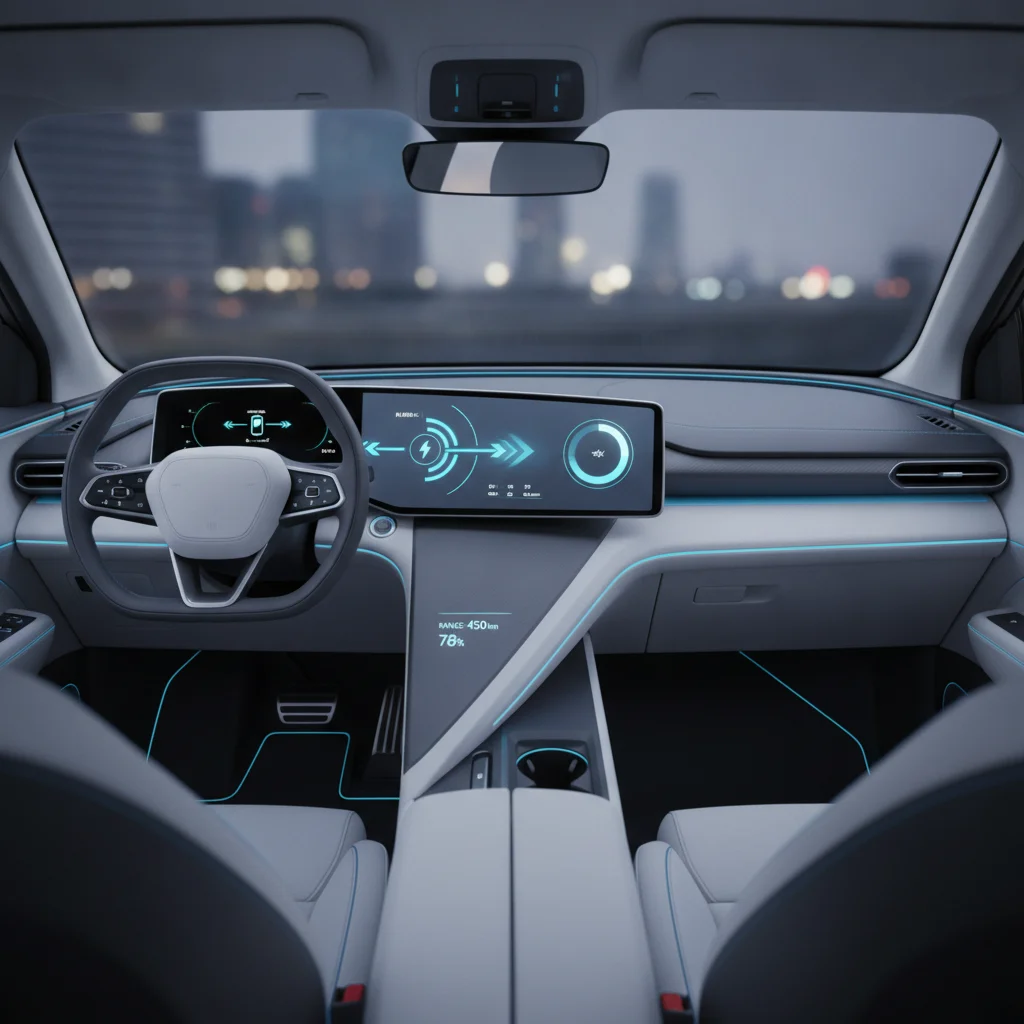
The upshot: for EV drivers, smooth, anticipatory deceleration maximizes both regenerative energy recovery and range. Hard braking in an EV not only bypasses the regenerative system partially (friction brakes engage when deceleration demand is too high) but also accelerates friction brake wear in ways that EV ownership is often assumed to avoid entirely.
Practical Habits That Make Coasting Easier
Shifting your braking habits doesn't require constant vigilance or perfect technique. A few mindset shifts make a significant difference without making driving feel laborious.
Increase Your Following Distance
This is the single most impactful change most drivers can make. If you follow two or three car lengths closer than you should, you're reacting to brake lights instead of anticipating traffic flow. Expanding your following distance gives you room to coast when the vehicle ahead slows, rather than braking to match their speed instantly.
Read Traffic Signals and Intersections Early
Train yourself to notice red lights, stop signs, and merging traffic as early as possible. The moment you see a reason to slow down ahead, lift off the throttle. Even if you end up accelerating again because the light turns green, a few seconds of DFCO-active coasting is better than nothing — and frequently it means you glide through without stopping at all.
Use Engine Braking on Downhills
Descending a hill while in gear and off the throttle is one of the most fuel-efficient moments in driving. Your car slows naturally, DFCO is active, and no fuel is consumed at all. Resist the habit of shifting to neutral on descents — it defeats the purpose and can even create unnecessary wear on automatic transmission components.
Stay In Gear When Coasting Downhill
It may feel intuitive to shift to neutral on a downhill stretch, but staying in gear with your foot off the throttle keeps deceleration fuel cut-off (DFCO) active — meaning zero fuel consumption. Shifting to neutral causes the engine to idle and burn a small but steady amount of fuel instead. Let engine compression do the braking work and you'll arrive at the bottom of the hill without having used a drop of fuel.
Increase Following Distance for Easier Coasting
A simple rule of thumb: leave enough space that you can absorb another vehicle's slowing without touching your brakes. This distance — often three to four seconds of following time on city streets — turns what would have been a reactive brake event into a passive coast. You'll brake less, wear your pads less, and spend more time in the fuel-saving DFCO zone.
Adjust for Conditions
Wet roads, tight urban intersections, and heavy traffic sometimes demand faster stops. That's fine — safety always comes first, and hard braking when it's needed is absolutely the right call. The goal isn't to coast into every situation regardless of conditions; it's to default to coasting when the road ahead gives you the option. Even a 50% improvement in how often you coast instead of braking hard will register as real fuel savings over time.
Combine these habits with smart use of cruise control on highways and you'll cover almost every driving scenario where fuel economy is within your control. See when cruise control helps and when it doesn't for the full picture.
The Numbers: How Much Can You Actually Save?
Real-world fuel savings from smoother deceleration habits vary depending on how aggressively you currently drive and what kind of driving you do most. City driving, with its constant stop-and-go cycles, offers the largest opportunity for improvement. Highway driving, where hard stops are infrequent, offers less — though coasting before highway exits and toll plazas still adds up.
Here's a rough framework for what's realistic:
- Primarily city driving: Smooth deceleration habits can realistically improve fuel economy by 8–15% for drivers who currently brake hard and follow closely.
- Mixed city/highway: Expect a 4–8% improvement as the averaging effect of highway miles moderates the gains.
- Primarily highway: 2–4% improvement, concentrated around exits, traffic slowdowns, and construction zones.
On a vehicle averaging 28 mpg and driven 12,000 miles per year, a 10% improvement in fuel economy saves roughly 43 gallons per year. At $3.50 per gallon, that's about $150 in annual savings — just from changing how you slow down. The cumulative effect over five years of ownership is meaningful, and that's before accounting for reduced brake pad replacement frequency.
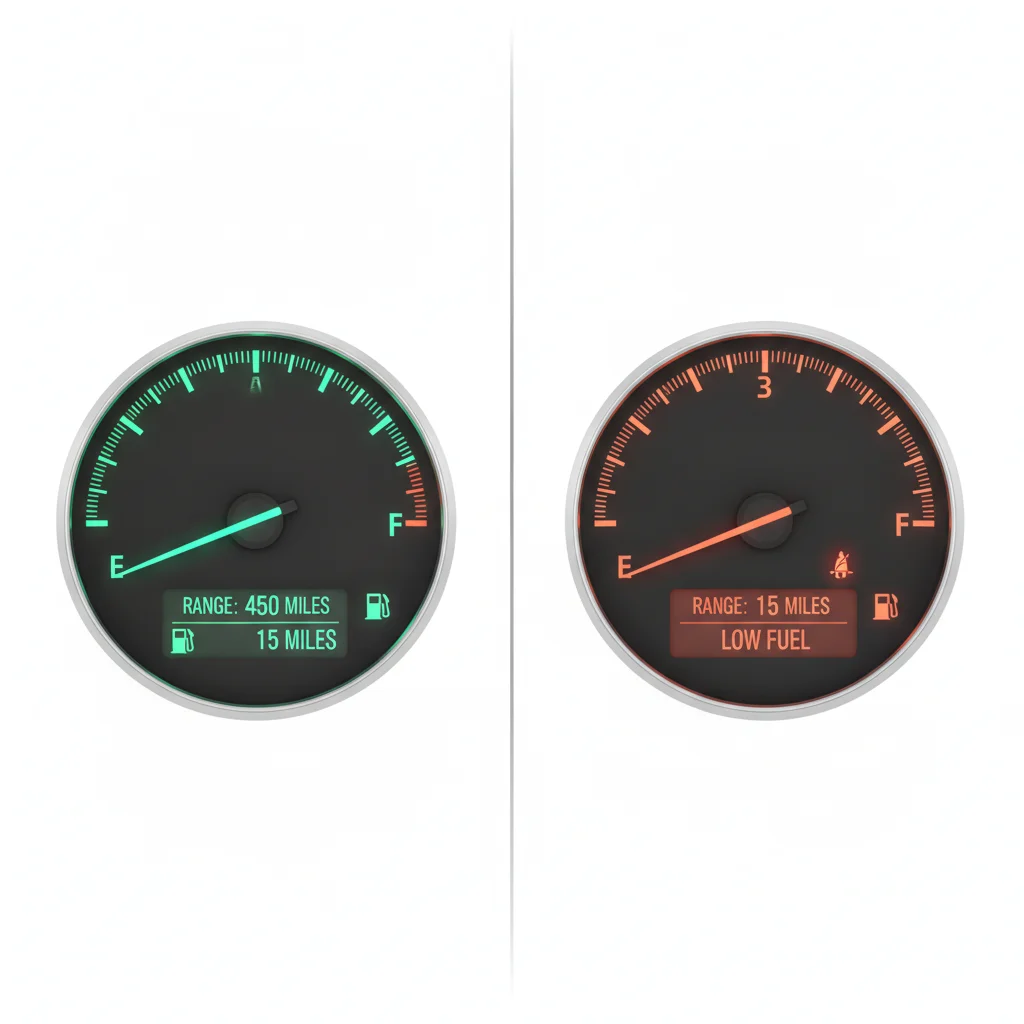
For a fuller picture of where your fuel actually goes in different driving environments, city vs. highway fuel consumption gives an honest breakdown of the efficiency differences between traffic types. Understanding that context helps you prioritize where your habit changes will have the most impact.

All claims are backed by peer-reviewed research. Sources on request.