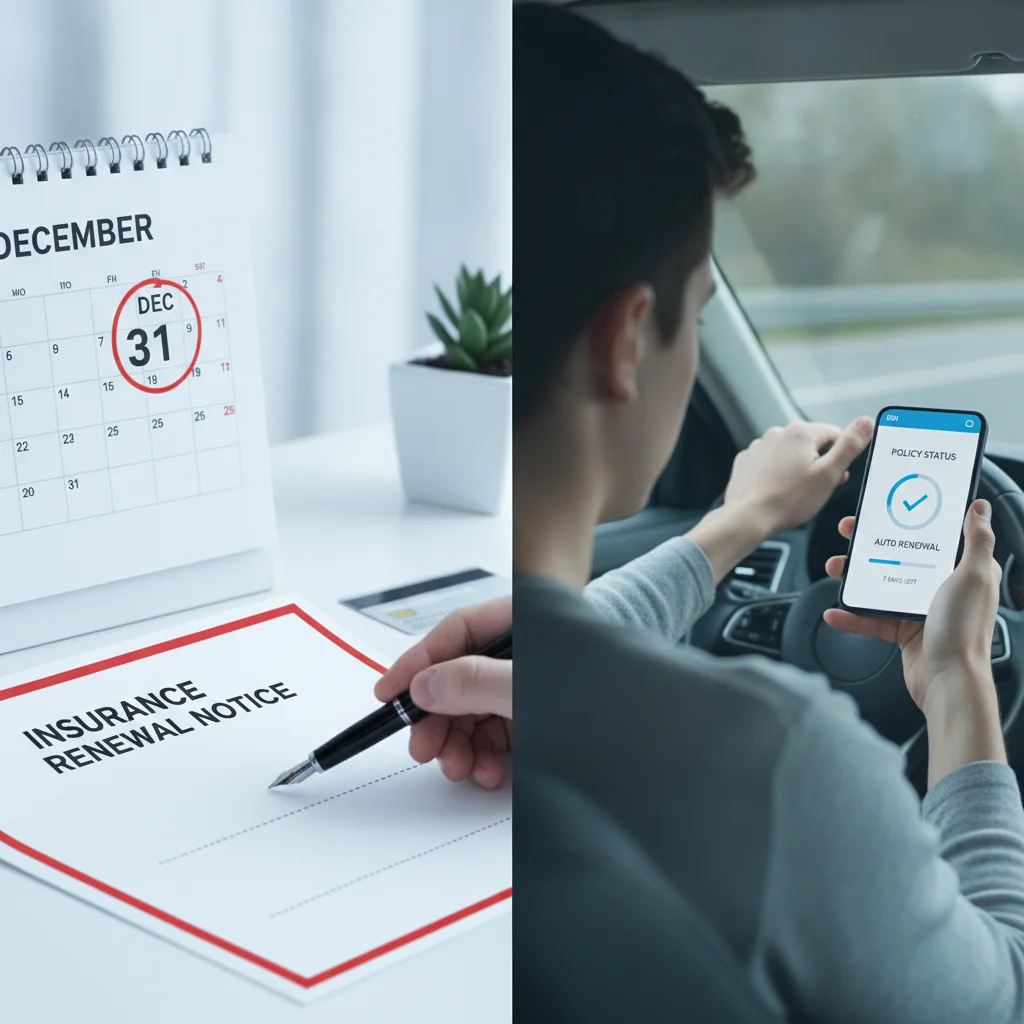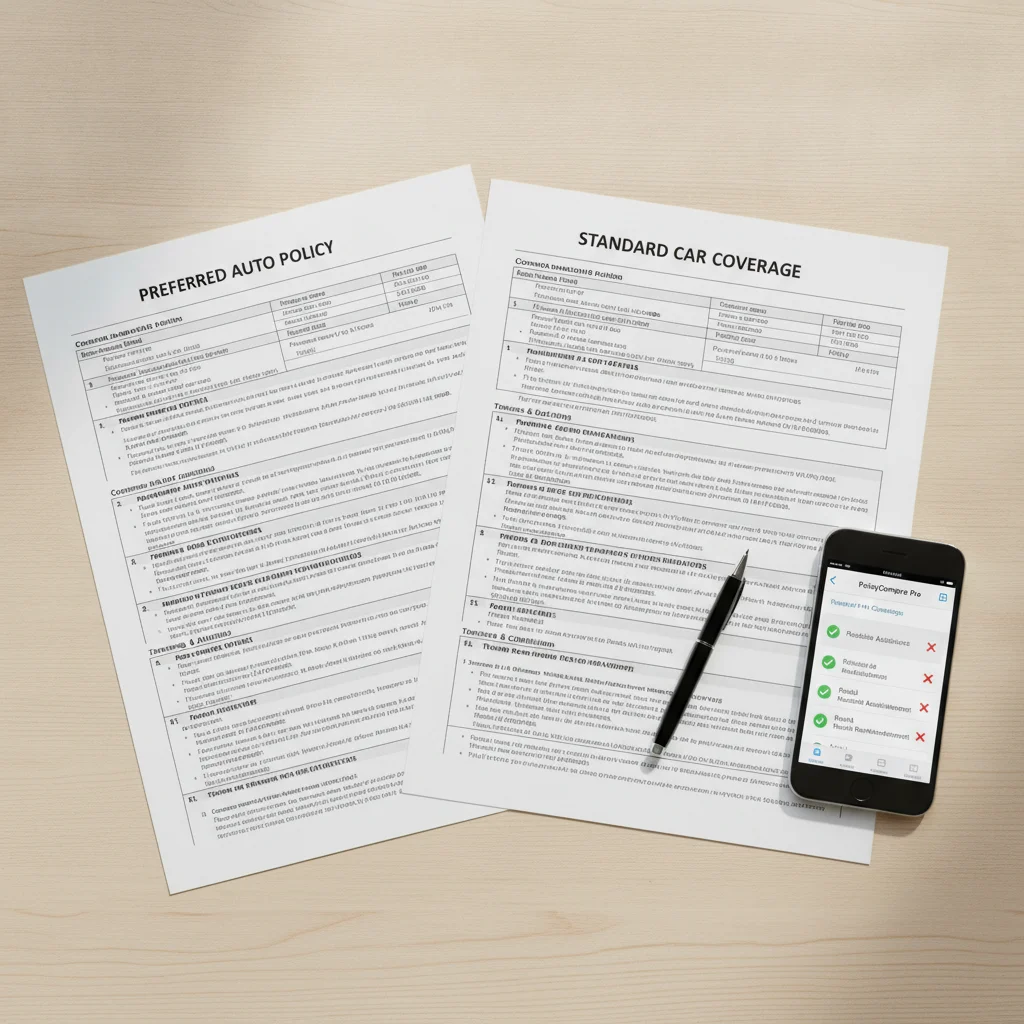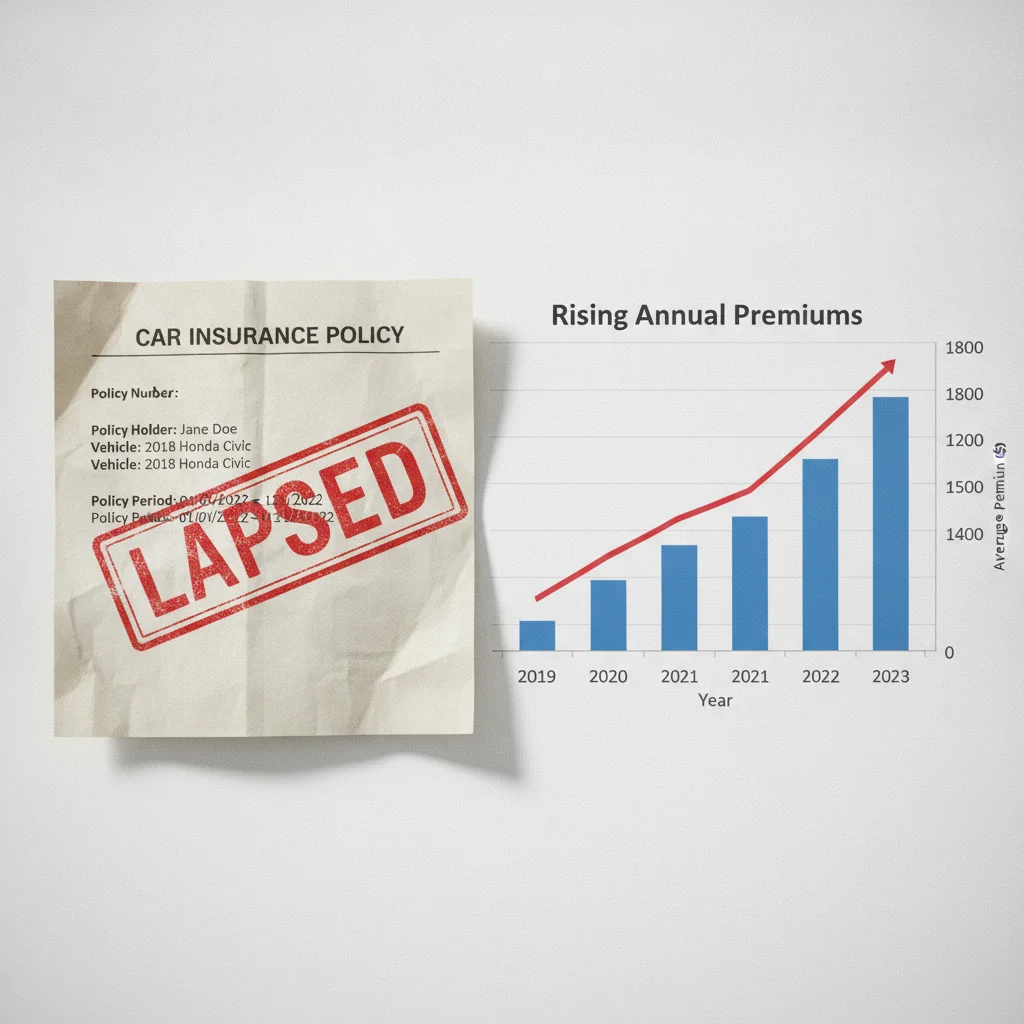
Key Takeaways
Immediate premium reduction without waiting for renewal
If you find a materially lower rate mid-policy, switching locks in the savings now rather than months from now. On a $1,800 annual premium, even a 15% reduction is $270 — and every month you wait is savings left on the table.
Access to better coverage terms, not just a lower price
A competitor may offer broader uninsured motorist protection, lower deductibles, or better claims-service ratings at a comparable or lower price. Coverage improvements that take effect immediately can matter more than the dollar savings.
Escape from a carrier with poor claims handling
If your current insurer has a pattern of slow payouts, disputed valuations, or difficult adjusters — and you haven't filed a claim yet — switching before you need to is rational risk management.
Forces a full policy audit that many drivers skip
The comparison process requires you to look at your current limits, deductibles, and exclusions carefully. Many drivers discover they've been underinsured or paying for add-ons they don't need once they're forced to read what they have.
Recaptures prorated premium from your current insurer
Most insurers refund unused premium on a pro-rata basis when you cancel mid-term. That refund, combined with a lower rate at the new carrier, can produce meaningful net savings even after any cancellation fees.
New insurer may offer onboarding discounts
Switching bonuses, paperless billing discounts, and new-customer promotional rates are common. These aren't permanent, but they can reduce costs during the first policy term while you evaluate the carrier's claims service firsthand.
Short-rate cancellation fees can offset savings
Some insurers use short-rate — rather than pro-rata — cancellation, meaning you receive less than the mathematically proportional refund. Fees of 10% of the remaining premium are common and can narrow or eliminate the financial benefit of switching.
Risk of a coverage gap if timing is mishandled
Even a single day without active coverage constitutes a lapse in insurer records. Future carriers treat this as a risk signal and price accordingly — sometimes adding $200–$400 annually to your quote for several years.
New policy terms may be thinner than they appear
Lower premiums often correlate with reduced limits, higher deductibles, or narrower exclusions. Without a line-by-line comparison, you may believe you have equivalent coverage when you've actually downgraded it.
Loss of loyalty benefits already accrued
Accident forgiveness, vanishing deductibles, and guaranteed renewal protections are typically forfeited when you leave. These benefits can have substantial financial value — particularly accident forgiveness if you have a prior incident on your record.
Introductory rates may not hold at renewal
Some carriers quote aggressively to acquire new customers, then adjust pricing significantly at the first renewal. Switching to chase a low rate can become a cycle of repeated switching costs that compound over time.
Administrative burden of coordinating two policies simultaneously
Notifying your lender, updating your ID cards, adjusting payment methods, and confirming cancellation in writing takes real time. Errors in any step — especially with financed vehicles — can trigger force-placed insurance from the lender.
Continuous insurance history reset with new carrier
Some long-tenure discounts require consecutive years with the same insurer. Switching restarts that clock, and if the savings at the new carrier don't account for this, the long-term math may not favor the move.
Our Verdict
Switching insurers is a legitimate money-saving tool, but it demands careful execution. The financial math can work in your favor — especially after a major rate hike — but a rushed switch that creates even a brief coverage gap can cost you far more in future premiums than you saved. Do the arithmetic on cancellation fees and prorated refunds, verify your new policy's coverage terms line up with what you had, and confirm your new effective date before you touch your current policy.
Best for drivers who received a significant mid-term rate increase, moved to a new state, or found a verifiably better-coverage policy at a lower price — and who are willing to do the comparison work properly.
The Real Question Isn't Just 'Can I Save Money?'
Most drivers start thinking about switching insurers the moment a competitor's ad promises a lower rate. That's understandable — auto insurance is a significant recurring expense, and loyalty to one carrier doesn't automatically earn you their best price. But the question worth asking isn't simply whether you can save money. It's whether you'll come out ahead after accounting for fees, coverage differences, and the timing of the switch.
Mid-policy switches in particular carry more moving parts than waiting until renewal. Your current insurer may charge a short-rate cancellation fee. Your new insurer may offer a lower base premium while quietly thinning your coverage limits or raising your deductible. And if you mishandle the transition by even a single day, you could be marked as having a lapse in coverage — a flag that follows you into future quotes.
This article breaks down the genuine advantages of switching, the real risks that often get glossed over in rate-comparison ads, and the conditions under which each outcome is most likely. See our detailed comparison of renewal vs. mid-policy switching for a closer look at how timing alone changes the financial math.

Pros of Switching Insurers
There are legitimate, concrete reasons to leave your current insurer before your policy expires. Here are the situations where making the move pays off.
Immediate premium reduction without waiting for renewal
If you find a materially lower rate mid-policy, switching locks in the savings now rather than months from now. On a $1,800 annual premium, even a 15% reduction is $270 — and every month you wait is savings left on the table.
Access to better coverage terms, not just a lower price
A competitor may offer broader uninsured motorist protection, lower deductibles, or better claims-service ratings at a comparable or lower price. Coverage improvements that take effect immediately can matter more than the dollar savings.
Escape from a carrier with poor claims handling
If your current insurer has a pattern of slow payouts, disputed valuations, or difficult adjusters — and you haven't filed a claim yet — switching before you need to is rational risk management.
Forces a full policy audit that many drivers skip
The comparison process requires you to look at your current limits, deductibles, and exclusions carefully. Many drivers discover they've been underinsured or paying for add-ons they don't need once they're forced to read what they have.
Recaptures prorated premium from your current insurer
Most insurers refund unused premium on a pro-rata basis when you cancel mid-term. That refund, combined with a lower rate at the new carrier, can produce meaningful net savings even after any cancellation fees.
New insurer may offer onboarding discounts
Switching bonuses, paperless billing discounts, and new-customer promotional rates are common. These aren't permanent, but they can reduce costs during the first policy term while you evaluate the carrier's claims service firsthand.
Pro-Rata vs. Short-Rate Cancellation: Know the Difference
Pro-rata cancellation means your refund is exactly proportional to the unused days on your policy — no penalty. Short-rate cancellation allows your insurer to withhold a percentage of that refund as a fee for early termination. Before switching mid-policy, call your insurer and ask directly which method they use. The answer significantly affects whether the switch is financially worth it in the current term.
Financed Vehicles Require Extra Steps
If your car is financed or leased, your lender is listed as a lienholder on your policy and must be notified of any coverage change. Failing to update them promptly can trigger force-placed insurance — a policy the lender purchases on your behalf that typically costs two to three times a standard rate and provides minimal coverage to you personally. Always notify your lender in writing the same day your new policy takes effect.
Switching Doesn't Erase Your Driving Record
Your driving history — accidents, violations, claims — follows you through third-party databases like CLUE (Comprehensive Loss Underwriting Exchange) and the DMV records your new insurer pulls during underwriting. Switching carriers will not reset or hide a prior claim or ticket. If a carrier quotes you a rate without running these checks, treat that as a red flag — your actual premium may increase at binding.
Cons of Switching Insurers
The risks aren't hypothetical — they're predictable if you know what to look for. Understanding these downsides is what separates a smart switch from an expensive one.
Short-rate cancellation fees can offset savings
Some insurers use short-rate — rather than pro-rata — cancellation, meaning you receive less than the mathematically proportional refund. Fees of 10% of the remaining premium are common and can narrow or eliminate the financial benefit of switching.
Risk of a coverage gap if timing is mishandled
Even a single day without active coverage constitutes a lapse in insurer records. Future carriers treat this as a risk signal and price accordingly — sometimes adding $200–$400 annually to your quote for several years.
New policy terms may be thinner than they appear
Lower premiums often correlate with reduced limits, higher deductibles, or narrower exclusions. Without a line-by-line comparison, you may believe you have equivalent coverage when you've actually downgraded it.
Loss of loyalty benefits already accrued
Accident forgiveness, vanishing deductibles, and guaranteed renewal protections are typically forfeited when you leave. These benefits can have substantial financial value — particularly accident forgiveness if you have a prior incident on your record.
Introductory rates may not hold at renewal
Some carriers quote aggressively to acquire new customers, then adjust pricing significantly at the first renewal. Switching to chase a low rate can become a cycle of repeated switching costs that compound over time.
Administrative burden of coordinating two policies simultaneously
Notifying your lender, updating your ID cards, adjusting payment methods, and confirming cancellation in writing takes real time. Errors in any step — especially with financed vehicles — can trigger force-placed insurance from the lender.
Continuous insurance history reset with new carrier
Some long-tenure discounts require consecutive years with the same insurer. Switching restarts that clock, and if the savings at the new carrier don't account for this, the long-term math may not favor the move.
~13%
U.S. drivers estimated to be uninsured
According to the Insurance Research Council, roughly 1 in 8 U.S. drivers carries no liability insurance — making uninsured motorist coverage a critical consideration when comparing policies.
$540
Average annual auto insurance premium increase after a lapse
Industry data suggests drivers who experience a coverage lapse can see their next policy premium increase by $300–$800 annually depending on the state and lapse duration.
3–5 years
Duration a coverage lapse can affect future premiums
Most insurers review three to five years of continuous coverage history when pricing a new policy, meaning a lapse today can affect quotes well into the future.
61%
Drivers who have never comparison-shopped their auto insurance
A 2023 J.D. Power survey found that a majority of auto insurance customers have never actively compared rates against competing carriers, often leaving significant savings unrealized.
Up to 10%
Short-rate cancellation penalty on remaining premium
Insurers using short-rate cancellation — rather than pro-rata — may withhold up to 10% of the unearned premium as a cancellation fee, directly reducing your refund.
Coverage Quality: The Comparison That Actually Matters
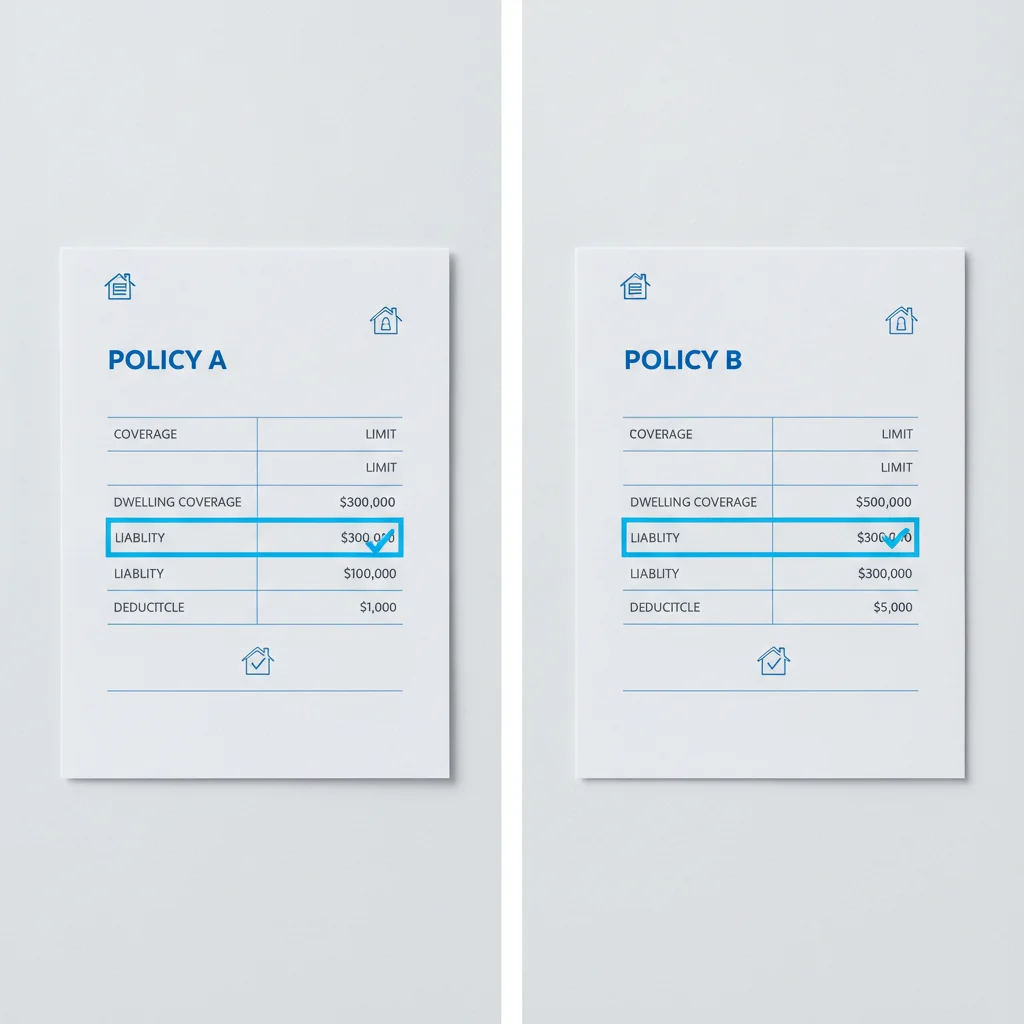
Rate shopping is easy. Coverage comparison is harder — and it's where most drivers make mistakes that cost them later. A lower premium is only a win if the policy behind it provides comparable or better protection.
Here's what to compare beyond the monthly cost:
- Liability limits: If your new policy offers 25/50/25 versus your current 100/300/100, you're not comparing apples to apples. A serious accident will expose that gap immediately.
- Uninsured/underinsured motorist coverage: Many discount policies either exclude this or require you to opt in separately. About 13% of U.S. drivers carry no insurance at all, so this isn't a minor gap.
- Comprehensive and collision deductibles: A policy with a $1,000 deductible instead of $500 will look cheaper on paper — until you file a claim.
- Exclusions buried in the fine print: Some policies exclude coverage for rideshare driving, certain vehicle modifications, or specific driver age categories.
- Claims service record: Premium savings evaporate quickly when a low-rated insurer drags out a legitimate claim for weeks.
Before you move, run through the auto insurance comparison checklist to make sure nothing critical slips through.
If you drive an electric vehicle, note that coverage needs can differ significantly from a conventional gas car. Battery replacement, charging equipment, and specialized repair networks all affect your coverage requirements — the EV insurance guide covers what to look for in an EV-specific policy.
The Coverage Gap Problem — And How to Avoid It
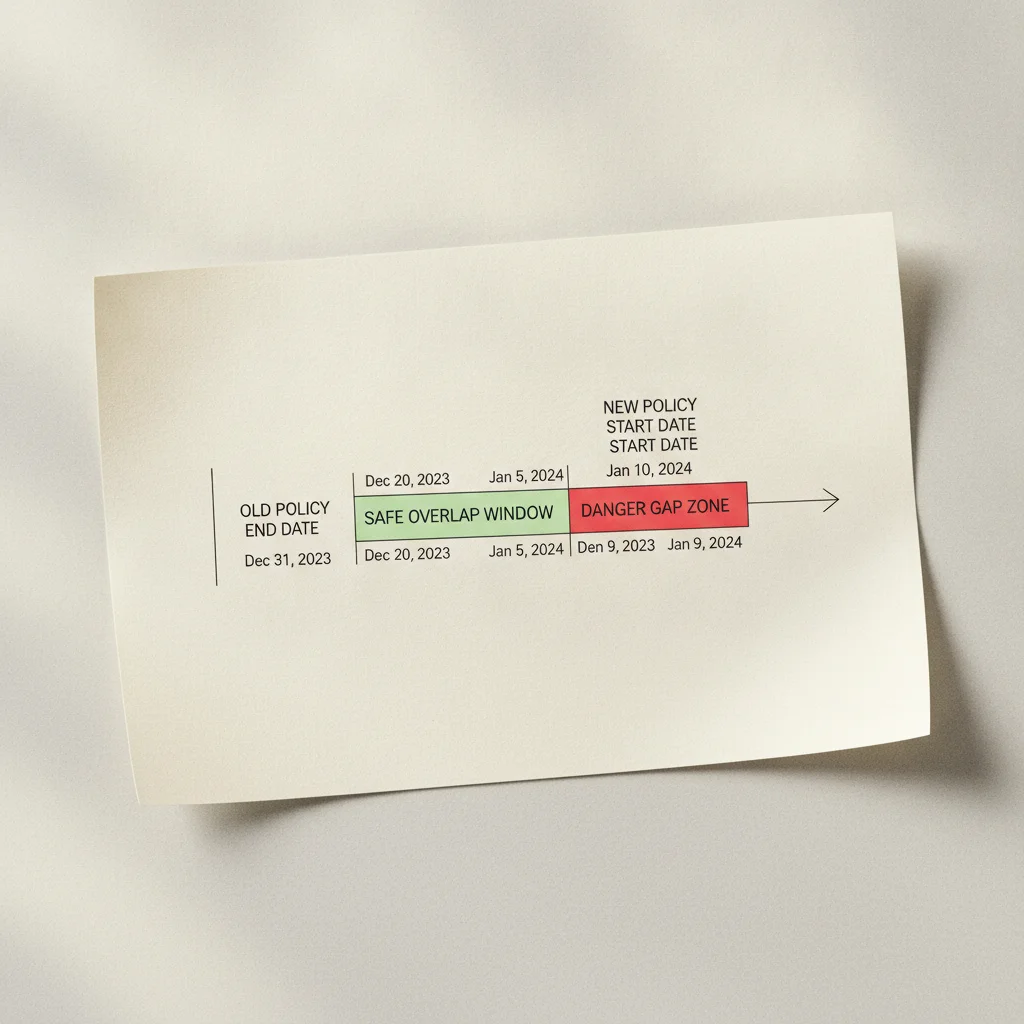
A coverage gap is exactly what it sounds like: a period of time, even if just one day, when you have no active auto insurance policy. It can happen in two ways:
- You cancel your old policy before your new one takes effect.
- Your new insurer's start date has a processing delay you didn't account for.
The consequences go beyond the obvious legal risk of driving uninsured. Insurers treat a lapse as a behavioral signal — evidence that you're either financially unstable or careless about risk management. That interpretation raises your premium with the next carrier, sometimes for three to five years. The full breakdown of how a coverage lapse affects future rates explains exactly how long that penalty sticks and what you can do to mitigate it.
The fix is straightforward but requires discipline:
- Set your new policy's effective date before you request cancellation of your old policy.
- Get written confirmation of your new policy's start date — don't rely on verbal assurances.
- After cancellation is confirmed by your old insurer, verify the exact end date in writing.
- Consider a one-day overlap rather than cutting it to the exact minute — the marginal cost is negligible.
For step-by-step guidance on managing the cancellation itself, see how to cancel an auto insurance policy without gaps in coverage.
When Mid-Policy Switching Makes Financial Sense
Switching mid-policy is worth the effort in specific circumstances. These aren't marginal cases — when these conditions apply, the math typically favors making the move.
Your rate increased without a claims or driving record change
If your insurer raised your premium at renewal or mid-term and you haven't filed a claim or received a traffic violation, that increase is likely tied to broader actuarial adjustments or zip code-level risk recalculation. You're not obligated to absorb it. Get competing quotes immediately.
You moved to a new state or significantly changed your commute
Your current policy may not reflect your actual risk profile anymore. A carrier that's competitive in one state may price poorly in another. A major commute change also affects your mileage rating — which can cut both ways on your premium.
You found a policy with genuinely equivalent or better coverage at a lower price
This is the ideal scenario. If you've done the apples-to-apples comparison — same or better limits, same deductibles, comparable claims reviews — and found a materially lower price, there's no good reason to wait until renewal, provided the cancellation math works out.
Your financial situation changed and you need to reduce costs
If a rate reduction is genuinely necessary, switching sooner rather than later recovers savings faster. Just be careful not to reduce coverage below what's appropriate for your assets and driving exposure. The discounts and deals hub is also worth reviewing before switching — you may be eligible for discounts you haven't activated yet.
For a fuller framework on whether to act now or wait, see mid-term policy changes vs. waiting for renewal.
Loyalty Discounts vs. Switching Bonuses: Don't Ignore Either
Before you finalize a switch, it's worth understanding what you're potentially leaving on the table — and what you're walking toward. Some insurers offer meaningful loyalty discounts that compound over time: accident forgiveness, vanishing deductibles, or guaranteed renewal terms. These benefits don't show up in a rate comparison tool.
On the other side, many insurers actively price switching bonuses into their initial quotes. That introductory rate may not survive your first renewal. Knowing whether the new carrier's pricing is stable or front-loaded is a legitimate due diligence step.
The loyalty discounts vs. switching bonuses comparison walks through how to quantify both sides of this trade-off over a two- to three-year window rather than just month one.
The bottom line: switching can save you real money, but only if you're comparing total value over time — not just the first month's bill.
How to Execute a Switch Without Leaving Yourself Exposed
Assuming you've done the comparison work and the switch makes sense, execution is where most people stumble. Follow this sequence and you'll avoid the most common mistakes.
- Get your new policy bound and confirmed in writing — including the exact effective date and time. Do not proceed until this is in hand.
- Set the new policy's start date one day before your old policy ends — or before you submit your cancellation request. The cost of one day's overlap is trivial.
- Request cancellation of your old policy in writing — email or certified mail. Ask for written confirmation of the exact cancellation date.
- Confirm your prorated refund amount — ask your old insurer whether they use pro-rata or short-rate cancellation and calculate what you're owed.
- Update your lender or leasing company if your vehicle is financed. They require proof of coverage and must be listed on your policy. Failing to notify them can trigger force-placed insurance, which is expensive and poor quality.
- Download or print your new ID cards immediately and remove the old ones from your glove box.
That's the entire process. None of it is complicated, but each step matters — skipping step two or three is how gaps happen.


All claims are backed by peer-reviewed research. Sources on request.