

Key Takeaways
Insurance Adjuster
An insurance adjuster is the professional assigned by your insurance company to investigate your claim, assess the damage to your vehicle, and determine how much the insurer should pay you. They review police reports, interview involved parties, inspect your car, and apply your policy terms to calculate a settlement figure. Their goal is to reach a fair resolution — but their definition of fair is shaped by your policy limits and depreciation formulas.
Adjusters may be staff employees of the insurer, independent contractors hired per-claim, or public adjusters hired by the policyholder to represent their interests.
What an Adjuster Actually Does
When you file an auto insurance claim, you're not just submitting paperwork into a void. A real person — the adjuster — picks it up and starts building a picture of what happened, what it cost, and what your policy covers. Understanding their role demystifies one of the most anxiety-inducing parts of owning a car.
Adjusters wear several hats at once. They are investigators, gathering facts from police reports, photos, witness statements, and sometimes recorded interviews. They are estimators, translating physical damage into repair costs using industry-standard software. And they are policy analysts, comparing what happened to what your specific coverage actually promises to pay.
From first notice to final settlement, the adjuster is the person moving your claim through each stage. Knowing what they're doing — and why — helps you engage with the process rather than feel at the mercy of it.

The Evidence They Collect
Before an adjuster can put a dollar figure on your claim, they need to gather information from several sources. This phase typically happens quickly — often within a few business days of your claim being assigned — but it shapes every number that follows.
The Incident Report and Policy Review
The adjuster starts with your claim submission and the police report, if one was filed. They confirm who was insured, what coverage was active on the date of loss, and whether any exclusions might apply. This is also where they check your deductible and coverage limits, which directly cap what you can receive.
Photos and On-Site Inspection
For moderate to significant damage, the adjuster will inspect your vehicle — either in person or through a virtual inspection using photos and video you submit via a mobile app. They document every damaged panel, component, and system. Quality photos from multiple angles matter here. The more clearly visible the damage, the harder it is to undervalue.
Statements from Involved Parties
The adjuster may contact you, the other driver, and any witnesses. This is where careful communication matters. Be factual and specific. Avoid speculation about fault or exaggerating injury symptoms. If the other driver's insurer is contacting you, know exactly what you're required to share — and what can work against you.
Virtual Inspections Are Now Common
Many insurers now offer app-based virtual inspections where you submit photos and video of the damage yourself. While convenient, this approach puts more responsibility on you to capture all damage clearly. Take photos in good natural light from multiple angles — including underneath and inside the vehicle if relevant — before submitting.
Recorded Statements: Know Your Rights
Your own insurer may ask for a recorded statement, and in most cases you are required to cooperate. The other driver's insurer has no such right to compel your statement. You can decline to give a recorded statement to a third-party insurer without legal consequence — and it's often prudent to do so until you understand the full scope of your claim.
How Adjusters Calculate Repair Costs
Once the evidence is in, the adjuster generates a repair estimate. Most use software platforms — CCC ONE, Mitchell, and Audatex are the major ones — that pull in labor rates, parts costs, and regional pricing data to build a line-item estimate for every repair.
Labor Rates and Times
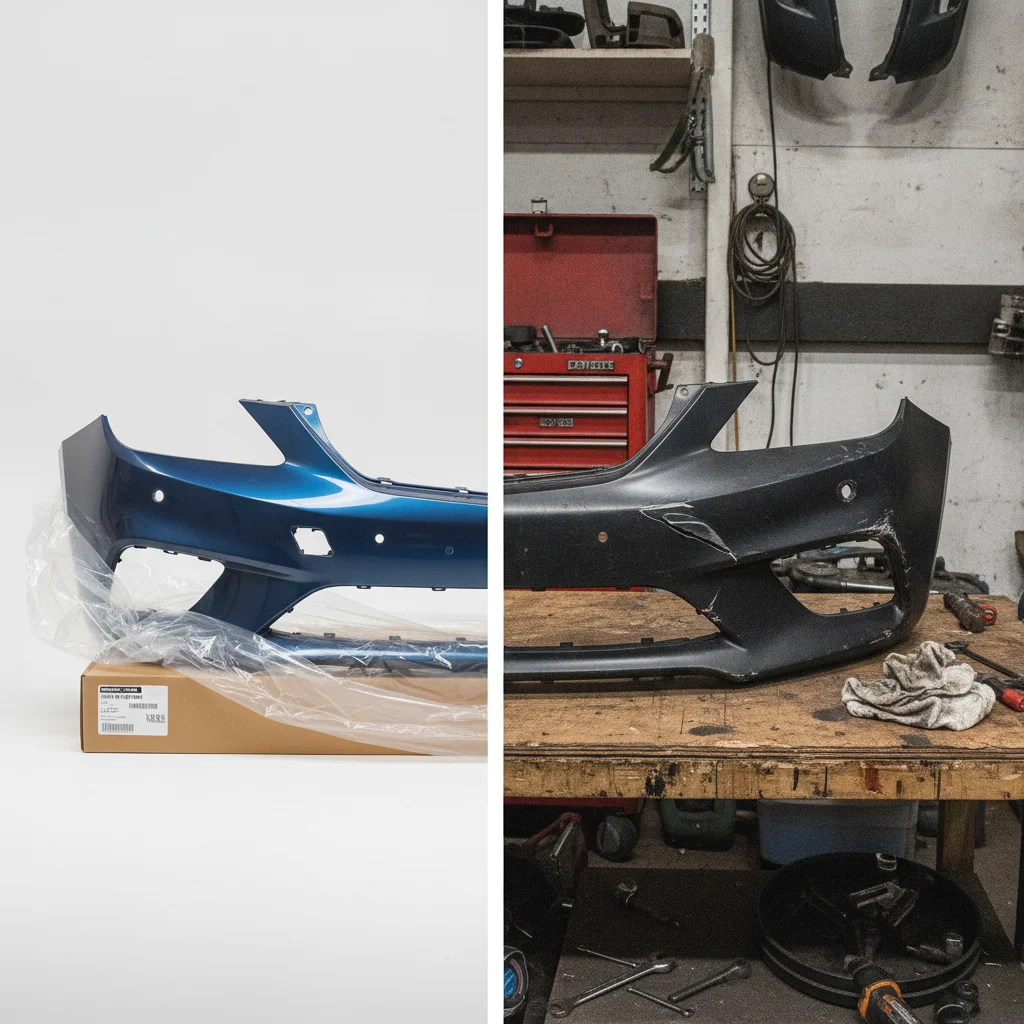
Estimating software includes standard labor times for each repair procedure — how long it should take a trained technician to replace a bumper, repaint a quarter panel, or realign a frame. These times are multiplied by the adjuster's approved labor rate for your region. Actual shop rates can vary, which sometimes creates friction when your preferred repair facility charges more than the insurer's benchmark rate.
Parts: OEM vs. Aftermarket vs. LKQ
This is a detail many claimants overlook. The adjuster can specify three categories of replacement parts:
- OEM (Original Equipment Manufacturer): Parts made by your vehicle's manufacturer. Usually most expensive.
- Aftermarket: Third-party parts built to fit your vehicle. Typically less expensive, quality varies.
- LKQ (Like Kind and Quality): Salvage or used parts pulled from similar vehicles. Lowest cost option.
Your policy language and your state's regulations determine which parts the insurer can use. If OEM parts matter to you — especially on a newer vehicle — check your policy or ask your insurer about an OEM endorsement before you ever need to file a claim.
Depreciation and Actual Cash Value
This is where many drivers feel blindsided. For actual cash value (ACV) policies — which is most standard policies — the adjuster applies depreciation to damaged components. A five-year-old bumper isn't valued at the cost of a new bumper; it's discounted based on age, wear, and market data. Depreciation, deductibles, and policy limits can each chip away at what you receive. If you carry new car replacement or gap coverage, the calculation looks different.
~70–80%
Typical total loss threshold as % of ACV
Most states set the threshold at which a vehicle is declared a total loss between 70% and 80% of its actual cash value, though exact thresholds vary by state law.
5–15%
Typical public adjuster fee
Public adjusters generally charge between 5% and 15% of the final claim settlement, according to the National Association of Public Insurance Adjusters.
30–45 days
Typical insurer claim decision deadline
Most states require insurers to issue a claim decision within 30 to 45 days of receiving all required documentation, though exact timelines vary by jurisdiction.
3
Major estimating software platforms used by adjusters
CCC ONE, Mitchell, and Audatex are the primary platforms insurers use to generate standardized repair estimates across the industry.
Keep a Running Vehicle Condition Log
Take dated photos of your vehicle's exterior every few months and store them in a cloud folder. If an adjuster later tries to attribute pre-existing damage to your claim, those timestamped photos are your clearest defense. This takes five minutes and can prevent a significant headache.
Request the Estimate in Writing
Always ask for a written, line-item copy of the adjuster's repair estimate. Review it against your own shop's estimate before signing any settlement release. Once you sign a release, you typically waive the right to seek additional compensation for that claim — so review carefully.
How Fault Is Determined
Liability assessment is a parallel track running alongside the damage evaluation. The adjuster reviews the circumstances of the accident to establish who bears responsibility — and in what proportion.
In states with comparative negligence rules, fault is often split between parties. If you're found 20% at fault in an accident, your payout on certain coverages may be reduced by that percentage. The adjuster builds their liability finding from several inputs: traffic laws applicable to the situation, the physical evidence (skid marks, impact points, airbag data), statements, and any traffic citations issued at the scene.
A police report is not the final word on fault — adjusters can and do reach different conclusions. But it carries significant weight. That's one reason documenting the scene thoroughly, including photos and witness contact information, matters even when you feel the facts are obvious.
If liability is disputed or the adjuster's determination doesn't reflect the evidence, you can escalate the matter through your insurer's claims supervisor or, if necessary, through your state's insurance regulatory authority.
The Total Loss Threshold
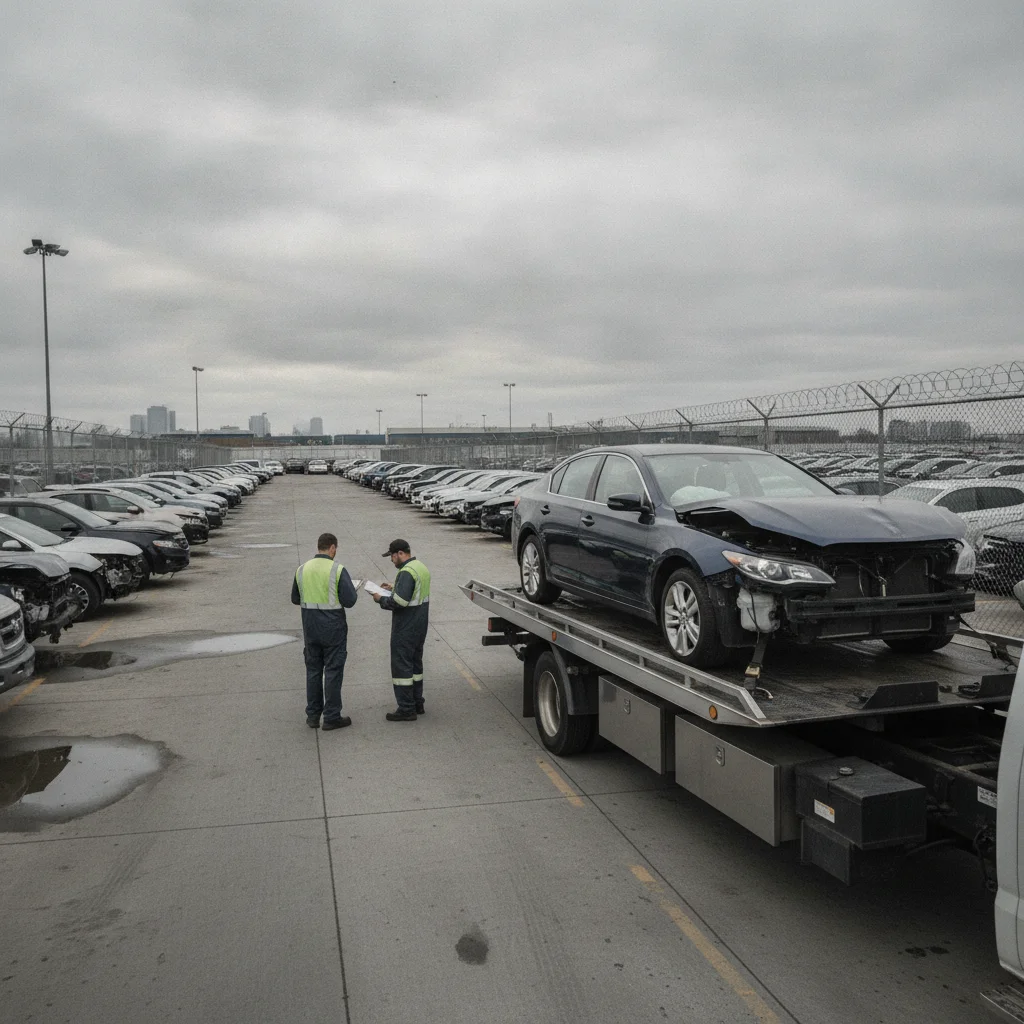
Not every claim ends in a repair. If the adjuster's estimate approaches or exceeds a percentage of your vehicle's actual cash value — the threshold varies by state but often sits between 70% and 80% — the vehicle may be declared a total loss.
When that happens, the math changes completely. Instead of paying to repair the car, the insurer pays you the ACV of the vehicle before the accident, minus your deductible. If you still owe money on a car loan and the ACV is less than your loan balance, gap insurance covers the difference — another reason that coverage is worth understanding before you need it.
The ACV figure the adjuster arrives at uses market data from comparable vehicles in your region — similar make, model, year, mileage, and condition. You can research comparable listings yourself and, if the adjuster's ACV figure seems low, present that evidence. How insurers make the total loss call — and what you're owed is worth reading before you find yourself in that situation.
“The best thing a claimant can do is treat the claims process like a negotiation, not a verdict. The first number isn't always the final number — and documentation is your leverage.”
— Amy Danise, Insurance Editor, Forbes Advisor
How to Advocate for Yourself During the Evaluation
The adjuster isn't your adversary, but they do represent the insurer's interests. Understanding that distinction helps you engage with appropriate confidence rather than either passivity or hostility.
Document Everything Before and After
Keep dated photos of your vehicle's condition regularly — not just after an accident. Pre-existing photos establish baseline condition and prevent disputes about whether certain damage was pre-existing. After an accident, photograph every angle of every damaged area in good lighting before moving the vehicle if safely possible.
Get Your Own Repair Estimate
You are entitled to have a licensed repair shop assess your vehicle. Having an independent estimate gives you a credible data point if the adjuster's numbers come in lower. Significant discrepancies between estimates are worth addressing directly — in writing — before accepting a settlement.
Ask Questions and Request Documentation
Ask the adjuster to walk you through their estimate line by line. Request a copy of the written estimate. If they're applying depreciation, ask how the rate was calculated. These aren't confrontational requests — they're normal parts of a professional claims process.
Know Your Escalation Options
If you and the adjuster can't reach agreement, your policy likely includes an appraisal clause — a formal process where both sides bring independent appraisers and a neutral umpire makes the final call. You can also file a complaint with your state's department of insurance if you believe the insurer is acting in bad faith. Here's a plain-language walkthrough of what to expect at each stage of the process after filing.
When It Helps to Hire a Public Adjuster
For routine fender-benders and straightforward claims, working directly with your insurer's adjuster is usually fine. But on large, complex, or disputed claims — think significant structural damage, a disputed total loss valuation, or a multi-party accident — a public adjuster can be worth the cost.
Public adjusters are licensed professionals who represent your interests, not the insurer's. They know how to read estimates, identify overlooked damage, and negotiate effectively. Their fee — typically 5–15% of the settlement — is paid out of your claim proceeds, so there's no upfront cost. On a claim where they recover significantly more than the original offer, that fee can be well worth it.
Before hiring one, verify their license with your state's department of insurance, check references, and read the fee agreement carefully. A credible public adjuster will be transparent about what they can and can't realistically achieve.
If you want to compare how different insurers handle this entire process — not just price — claims satisfaction data tells a different story than premium quotes. An insurer who handles claims fairly and efficiently is worth more than one who simply offers the lowest premium.

All claims are backed by peer-reviewed research. Sources on request.