Key Takeaways
Our Verdict
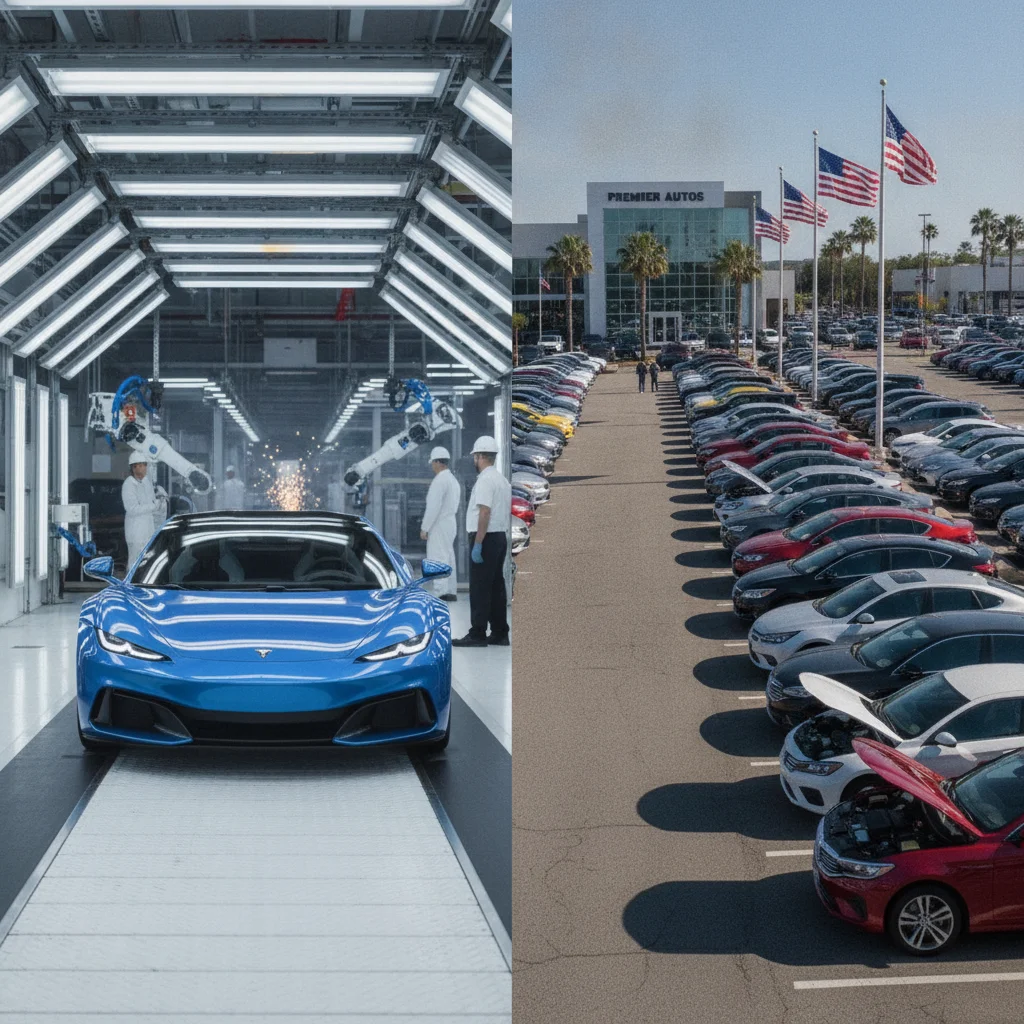
Factory orders win on customization and often on price when demand is high and dealers are marking up lot inventory. Lot purchases win on speed and certainty — you can drive away the same day and avoid delivery surprises. Neither approach is universally better; the right choice depends on how urgently you need the car, how specific your configuration requirements are, and what local inventory looks like right now.
| Best for | Recommended |
|---|---|
| Buyers who want a precise configuration and can wait 6–12 weeks | Factory Order |
| Buyers who need a vehicle within days or weeks | Off the Lot |
| Buyers in a hot market where dealers are adding markups to lot cars | Factory Order |
| Buyers with flexible configurations who want to negotiate today | Off the Lot |
How Each Buying Path Actually Works
Before comparing the two approaches, it helps to understand the mechanics behind each one — because they're more different than most buyers realize.
Buying Off the Lot
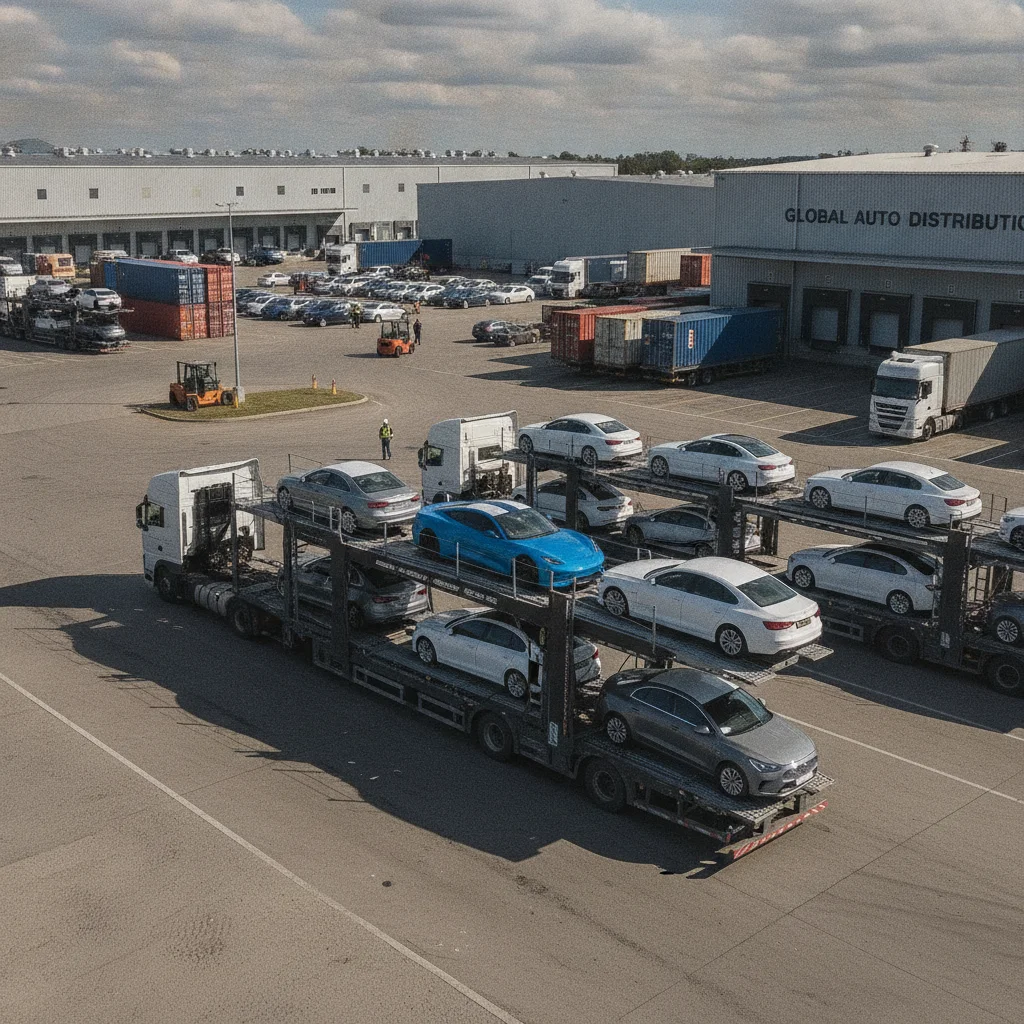
When you buy off the lot, you're purchasing a car the dealer already ordered weeks or months ago. The dealer makes a bet on what their local market wants — specific trims, colors, option packages — and they stock accordingly. What you see on the lot is what exists. You negotiate on that exact vehicle, arrange financing, sign paperwork, and ideally drive home the same day or within a few days.
The process is familiar to most buyers. It's also the scenario most car salespeople are optimized to execute quickly. See our complete walkthrough of the new car purchase process if you want to understand every stage in detail.
Factory Orders (Custom Orders)
A factory order — sometimes called a custom order or build order — means you work with a dealer to specify the exact vehicle you want, and the dealer submits that order to the manufacturer. The car is then built to your specifications and shipped to the dealer, typically in 6 to 12 weeks, though that window can stretch during production bottlenecks.
You still buy through the dealer. Factory orders don't bypass the franchise system. You negotiate price before the car is built, sign a purchase agreement or put down a deposit, and take delivery when the vehicle arrives. The dealer is the intermediary between you and the factory — always.

One thing many buyers don't realize: not every model from every manufacturer accepts custom orders, and even those that do may have model-year ordering windows. Ford F-150s, Chevrolet Corvettes, and Jeep Wranglers have historically been strong custom-order candidates. Some import brands have longer pipelines and more restricted ordering access.
The Real Cost Differences Between Orders and Lot Cars
This is where the decision gets concrete. Price differences between factory orders and lot purchases aren't fixed — they shift with supply and demand.
When Lot Cars Carry Markups
During periods of tight inventory — like the 2021–2023 chip shortage era — dealers routinely added $2,000 to $15,000 in market adjustment fees on top of MSRP for popular models. A factory order, by contrast, was typically sold at MSRP or even with a negotiated discount below MSRP, because the dealer didn't have physical inventory at risk. The car didn't exist yet; there was no floor plan interest to recoup.
$3,000–$10,000
Typical dealer markups on hot models during low inventory
During the 2021–2023 semiconductor shortage, market adjustment fees on popular trucks and SUVs regularly exceeded MSRP by thousands according to Edmunds transaction data.
6–12 weeks
Standard factory order lead time for most domestic brands
Ford, GM, and Stellantis typically quote 6–12 weeks for custom orders in normal production conditions, though disruptions have pushed timelines to 20+ weeks.
~60 days
Average days a new car sits on a dealer lot before sale
According to Cox Automotive data, the national average days-to-turn for new vehicles fluctuates around 60 days in balanced market conditions, creating negotiating room for patient buyers.
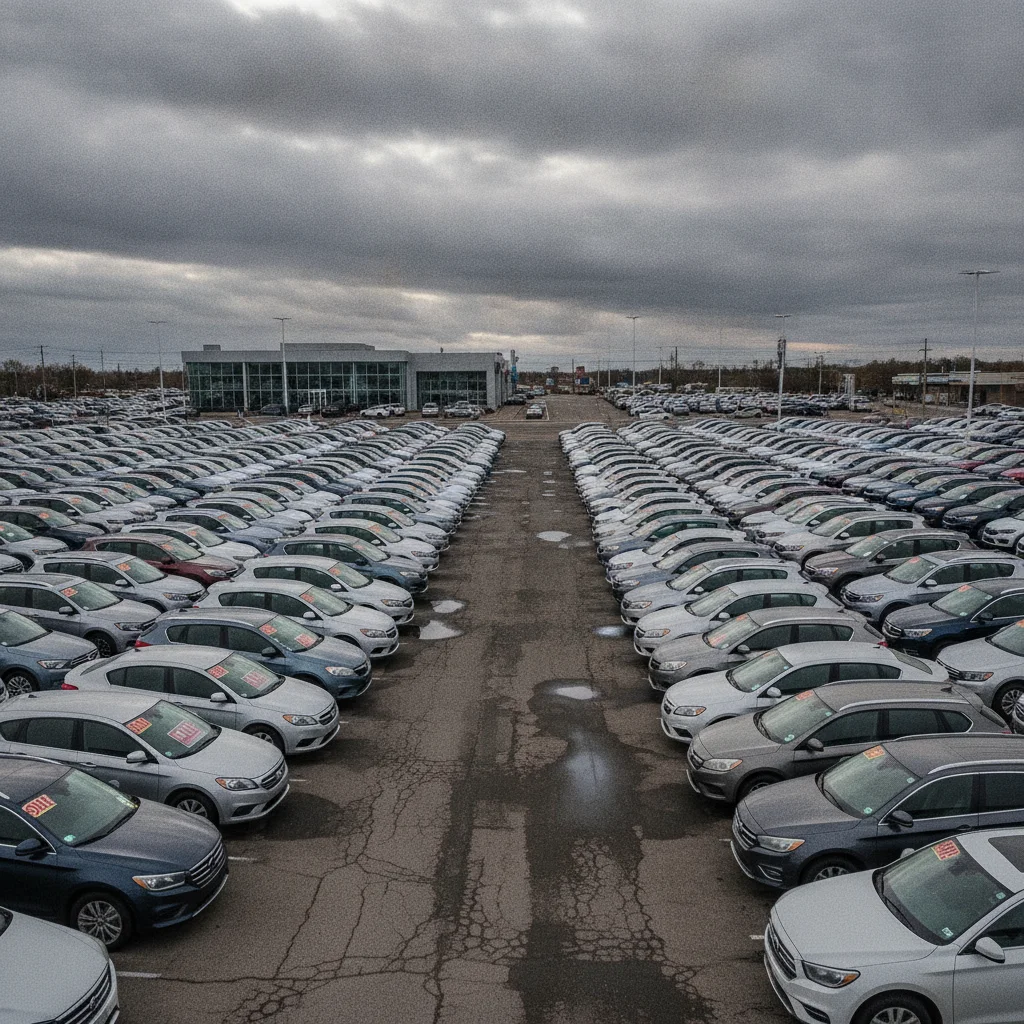
Even in normal markets, a lot car has carrying costs. The dealer financed that vehicle when it arrived on the lot, and they pay interest (floor plan financing) every day it sits unsold. That cost pressure can work in your favor — a car that's been sitting 60–90 days is a motivated negotiation — or against you, if the dealer has passed those costs into the sticker price.
Factory Orders and Incentives
Here's a legitimate downside of factory orders: manufacturer incentives and rebates are typically applied at the time of purchase, not at the time of order. If you place an order in June and take delivery in September, you get September's incentives — which could be better or worse than June's. You're betting on incentive conditions you can't fully predict. Conversely, if you buy a lot car today, you lock in today's incentives.
Don't Let Incentive Uncertainty Paralyze You
Some buyers delay factory orders indefinitely trying to time the best incentive window. That's usually a mistake. Manufacturer incentives change monthly and are genuinely unpredictable six to twelve weeks out. If you're ordering a car at a price you're comfortable with today, that's the right decision — don't let speculative future discounts stop you from getting the car you actually want.
Deposits and Commitment
Most dealers require a deposit on a factory order — typically $500 to $2,000. That deposit is generally refundable if the order is canceled, but confirm this in writing before you put money down. Some dealers treat deposits as non-refundable. The written purchase agreement you sign at the time of order is the governing document, so read it carefully.
Comparing the Two Approaches Side by Side
The table below cuts through the noise and puts the key decision factors head to head.
| Factory Order | Off the Lot | |
|---|---|---|
| Wait Time | 6–12 weeks (or more) | Same day to 1 week |
| Configuration Control | Full — any available spec | Limited to existing stock |
| Markup Risk | Low — typically MSRP or below | High in tight inventory markets |
| Incentive Timing | Applied at delivery (unknown) | Applied at purchase (known today) |
| Deposit Required | Yes, usually $500–$2,000 | No deposit — pay at signing |
| Negotiation Leverage | Clean — no carrying cost pressure | Varies by vehicle age on lot |
| Delivery Certainty | Timeline can slip without notice | Car is in hand before you sign |
| Best Market Condition | Tight inventory / high demand | Normal or high inventory |
A few notes on the table: wait time and pricing advantage are the most volatile variables — they swing significantly based on the brand, model, and current market conditions. The customization and deposit rows are relatively fixed across most situations.
Understanding local inventory conditions before you decide is worth the effort. Dealer inventory levels signal a lot about your negotiating position — high inventory favors lot buyers, tight inventory favors orderers.
Customization: What You Can and Can't Control
The most cited reason to place a factory order is configuration control. But it's worth being specific about what that means in practice.
What You Can Specify
- Trim level: Base, mid, or top-tier — straightforward.
- Exterior color: Any color in the current model-year palette, including low-production colors the dealer may never stock.
- Interior color and material: Same logic — you're not limited to what happened to be assembled for your regional market.
- Option packages: Technology packages, towing packages, driver assistance suites — you choose exactly what goes in, and more importantly, what stays out.
- Individual options: On some platforms (notably Ford and GM trucks), you can add or delete individual options within a package, not just the whole package.
What You Can't Always Control
Manufacturers sometimes constrain what's combinable. Certain colors are only available on certain trims. Some packages require other packages as prerequisites. The configurator on the manufacturer's website usually reflects current build constraints — use it before visiting the dealer so you know what's actually possible.
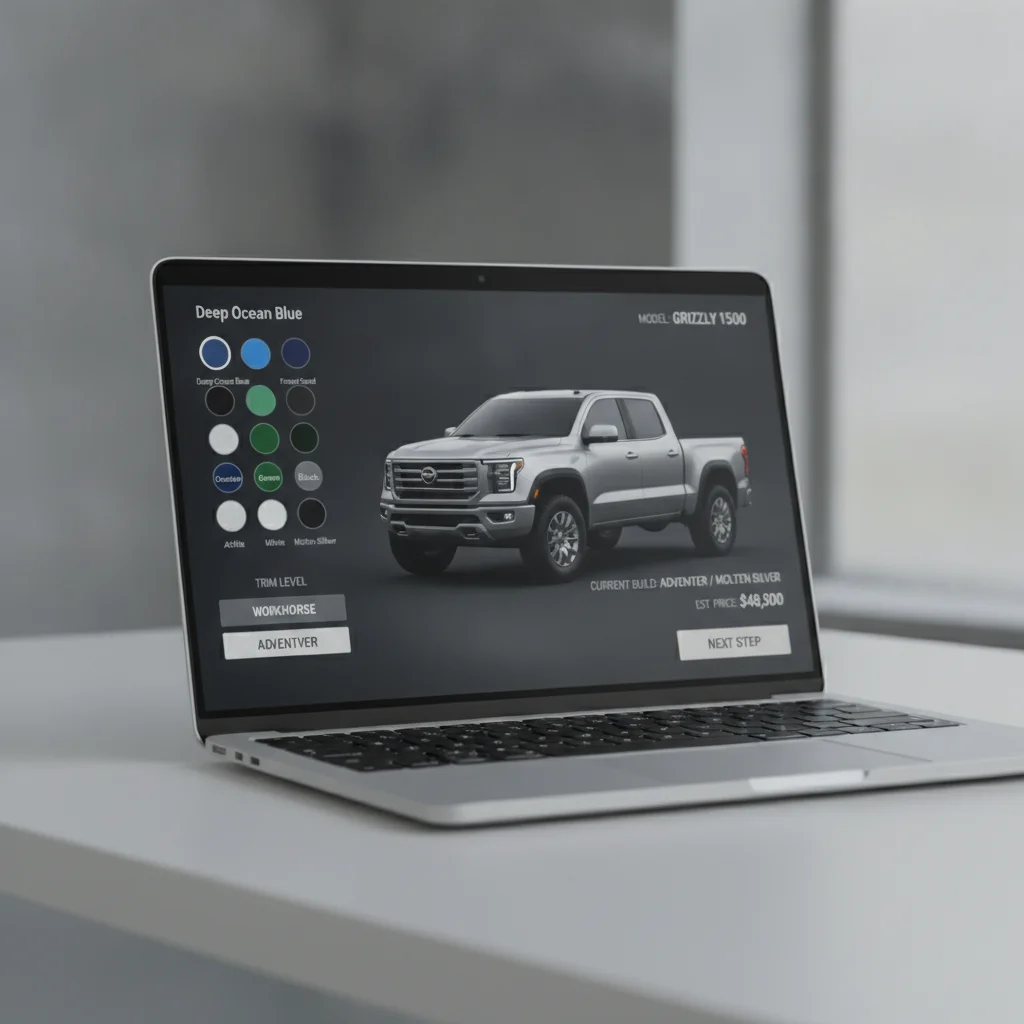
Lot buyers face a different constraint: you get what's there. A dealer in a warm climate may stock almost no cars with heated seats. A dealer focused on family buyers may stock every car with the third-row option you don't want — and charge you for it. You can search other dealers' inventory and transfer a car (sometimes for a fee), but you're still limited to what someone else decided to build.
Search Multiple Dealers Before Compromising
If your ideal configuration isn't on your local dealer's lot, check inventory at dealers within 200–300 miles using the manufacturer's dealer locator or sites like Autotrader and Cars.com. Dealers can often do dealer trades to bring a car from another lot to yours, sometimes at no cost and sometimes for a flat fee of $200–$500. It's worth asking before you settle for the wrong color or a package you don't want.
Confirm Order Deposit Terms in Writing
Before handing over a deposit on a factory order, get the refund policy in writing as part of the purchase agreement. Ask specifically: Is the deposit fully refundable if I cancel before production begins? Is it refundable if the car arrives and I find a defect? A verbal assurance from the salesperson isn't enough — the written contract governs.
Monitor EV Tax Credit Rules Before Ordering
If you're ordering an electric vehicle, the federal tax credit eligibility rules — including income limits, vehicle price caps, and whether the credit applies at point of sale or only on your tax return — can shift with legislation. Confirm the current rules with a tax professional before placing an order, especially since your delivery date could fall in a different tax year than your order date.
The Wait Time Reality: Planning Around the Timeline
Six to twelve weeks sounds manageable until you're living it. Here's how to think about the timeline practically.
When Wait Time Is a Dealbreaker
If your current car just failed an inspection, was totaled, or is costing you more in repairs than it's worth, you probably need wheels within days — not months. A factory order doesn't work here. Similarly, if you're moving across the country in eight weeks and need a reliable vehicle for the drive, the timing math doesn't work.
When Wait Time Is an Advantage
If you're planning ahead — your lease ends in four months, you're expecting a bonus that will fund the down payment, or you simply want to be thoughtful — a factory order actually creates a useful forcing function. You have time to arrange financing, sell your current car at leisure rather than under pressure, and complete your research without urgency.
The wait also gives you time to reconsider. Some buyers find that six weeks into a build order, they've changed their minds about a package or color. Most manufacturers allow order modifications up to a certain point in production — ask the dealer what the change window looks like for your specific order.
Delivery Surprises
Factory orders can slip. A production delay, a parts shortage, a shipping backlog — your 8-week estimate can become 14 weeks without warning. Don't let your current lease expire or your insurance coverage lapse based on an estimated delivery date. Build a buffer into your planning, and ask the dealer to keep you informed at production milestones.
Negotiation Dynamics: Where Each Approach Gives You Leverage
Negotiation works differently depending on which side of the inventory equation you're on.
Negotiating a Factory Order
When you place a factory order, you're negotiating before the car exists — and before the dealer has any carrying costs. That's actually a cleaner negotiating environment. There's no floor plan interest ticking away, and the dealer knows exactly what the car will cost them. The conversation is about the invoice price and whatever margin they want to retain.
Savvy buyers research invoice pricing (available through resources like Edmunds or TrueCar) before sitting down. On a factory order, a target of invoice minus any factory-to-dealer incentives is realistic in a normal market. In a strong demand market, MSRP without markups is already a win.
Negotiating on the Lot
Lot negotiation introduces more variables. How long has the car been there? Is it a slow-selling color combination? Is it end of model year? These factors create negotiating room — or close it off entirely. A loaded truck in a hot color that arrived two weeks ago gives you almost no leverage. A base sedan in a quirky color that's been sitting since winter gives you a lot.
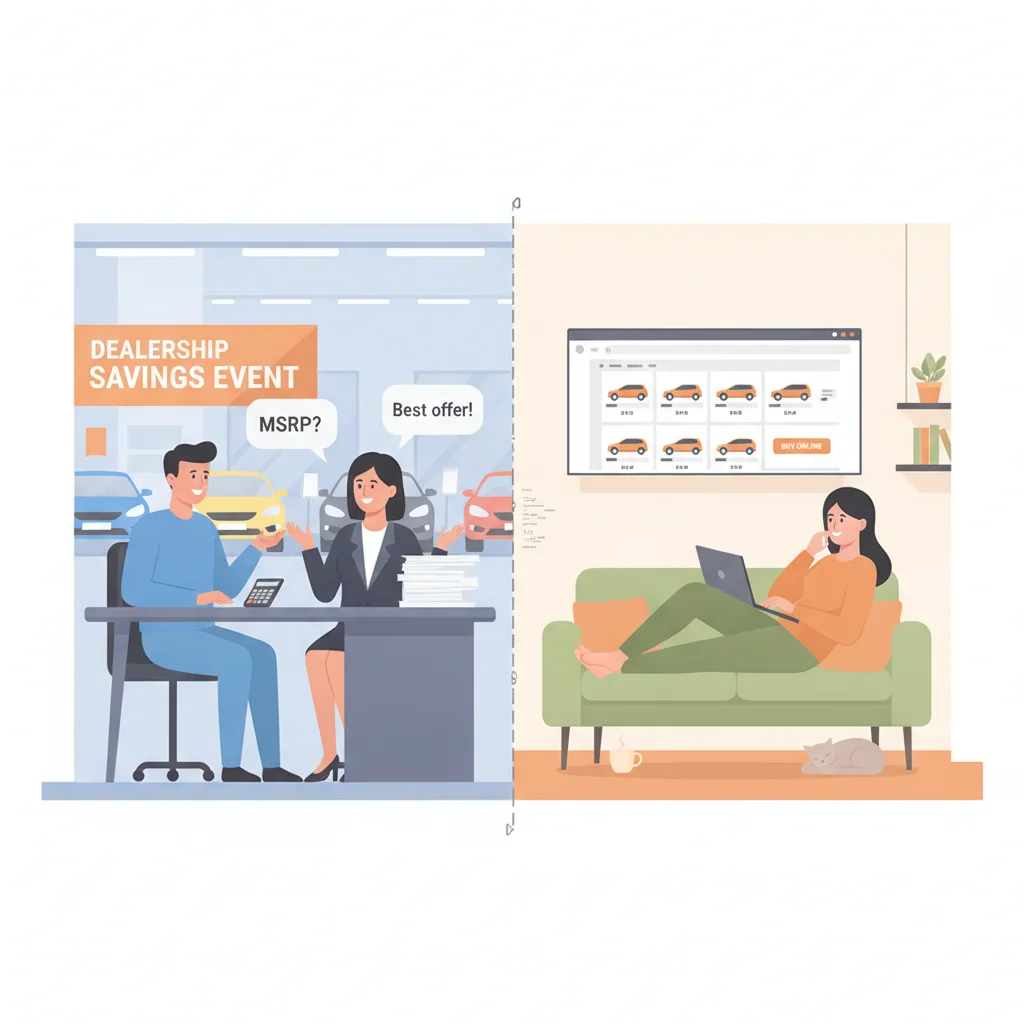
For a direct comparison of in-person versus digital negotiation dynamics, see what each buying approach actually costs you.
One consistent rule regardless of which path you take: separate the purchase price negotiation from the financing conversation. Dealers can blur those lines to obscure what you're actually paying. Know your out-the-door price before you talk monthly payments.
Special Cases: Allocation-Constrained and High-Demand Models
Some vehicles add a third complication: the manufacturer limits how many units each dealer can order. This is called an allocation constraint, and it changes the game for factory orders.
How Allocation Works
A dealer with a small allocation for a popular model — say, 20 Corvettes per year — has waiting lists, not open ordering windows. You may get on a list, wait for your slot to open, and then place your order. Or you may find the dealer has already pre-sold every allocation to existing customers or charging premiums for the privilege of ordering.
High-demand trucks, sports cars, and EVs are the most common allocation-constrained vehicles. If you're targeting one of these, call the dealer's fleet or internet sales department first to understand what the actual ordering timeline looks like — not the manufacturer's standard estimate.
High-Demand EVs
Electric vehicles present a unique wrinkle. Some EV manufacturers (Tesla, Rivian) have historically operated direct-sales or mostly-direct models that function more like factory orders by default. Traditional brands selling EVs through dealers have varied approaches. The federal EV tax credit eligibility — and whether it applies at point of sale or on your tax return — is another variable worth resolving before you commit to either path. Buying a car online has become particularly common for EVs, and understanding that channel is worth your time if you're in this market.
Search Multiple Dealers Before Compromising
If your ideal configuration isn't on your local dealer's lot, check inventory at dealers within 200–300 miles using the manufacturer's dealer locator or sites like Autotrader and Cars.com. Dealers can often do dealer trades to bring a car from another lot to yours, sometimes at no cost and sometimes for a flat fee of $200–$500. It's worth asking before you settle for the wrong color or a package you don't want.
Confirm Order Deposit Terms in Writing
Before handing over a deposit on a factory order, get the refund policy in writing as part of the purchase agreement. Ask specifically: Is the deposit fully refundable if I cancel before production begins? Is it refundable if the car arrives and I find a defect? A verbal assurance from the salesperson isn't enough — the written contract governs.
Monitor EV Tax Credit Rules Before Ordering
If you're ordering an electric vehicle, the federal tax credit eligibility rules — including income limits, vehicle price caps, and whether the credit applies at point of sale or only on your tax return — can shift with legislation. Confirm the current rules with a tax professional before placing an order, especially since your delivery date could fall in a different tax year than your order date.
How to Make the Decision for Your Situation
Run through these questions before you decide:
- How soon do you need the car? If the answer is weeks, buy off the lot. If months, a factory order is viable.
- Are lot cars for your target model carrying markups? Check actual transaction prices on Edmunds or similar tools. If dealers are adding $3,000 above MSRP, a factory order at MSRP saves you real money.
- Does your exact configuration exist in dealer stock anywhere within reasonable distance? If multiple dealers have your spec, buying off the lot is straightforward. If you'd be compromising significantly, order.
- Are you financing through the dealer? If so, the purchase price and rate negotiation are separate conversations — don't let one obscure the other regardless of which path you choose.
- What does the order window look like for your model year? Some manufacturers close ordering for the current year earlier than buyers expect. A February order for a popular model may mean taking a 2026 model year car when you expected a 2025.
Once you've answered those questions honestly, the decision usually becomes clear. The buyers who get into trouble are the ones who choose factory orders out of impatience with lot selection and then panic at the wait time, or who buy off the lot without checking whether markups are embedded in the price.
The timing of your purchase matters too — seasonal patterns, model-year changeovers, and end-of-quarter dealer incentives all influence how much room you have to negotiate on either path.

If you decide to go the lot route and want to explore whether an online purchase might suit you, buying a car online from start to title covers that process step by step. Online and in-person lot purchases share the same core inventory dynamic — you're still limited to what exists — but the negotiation and paperwork mechanics differ.
All claims are backed by peer-reviewed research. Sources on request.