Why Steering and Suspension Feel Matters Before You Buy
Most buyers walk around a used car, kick the tires, maybe bounce a corner panel to test the shocks. That check takes about 30 seconds and misses the majority of what's actually going on. The steering and suspension system is the mechanical interface between the road and the cabin — it's where wear, damage, and deferred maintenance show up first, and it's where the biggest repair bills hide.
Replacing a worn tie rod end costs around $150–$300. Replacing a control arm with a failed ball joint runs $400–$800 per side. Rebuilt or replaced rack-and-pinion steering units start at $600 and go well past $1,500 on import vehicles. These are not minor surprises. They are negotiation leverage — if you know how to find them before you make an offer.
This guide gives you a driver's-seat checklist: specific sensations to look for, what each symptom typically means, and how serious it is. Read it alongside the full test drive evaluation guide for complete coverage of what to assess on any used car.
The Core Symptoms: What You're Feeling For
Before the drive starts, set a baseline. Sit in the driver's seat with the engine off, grab the steering wheel, and try to move it side to side with no resistance — and also push and pull it toward and away from you. You should feel essentially zero play. Any looseness before the wheel begins to turn the front wheels suggests worn steering components: most commonly a worn steering coupler, loose steering shaft, or a worn rack.
1. Vague or Numb Steering
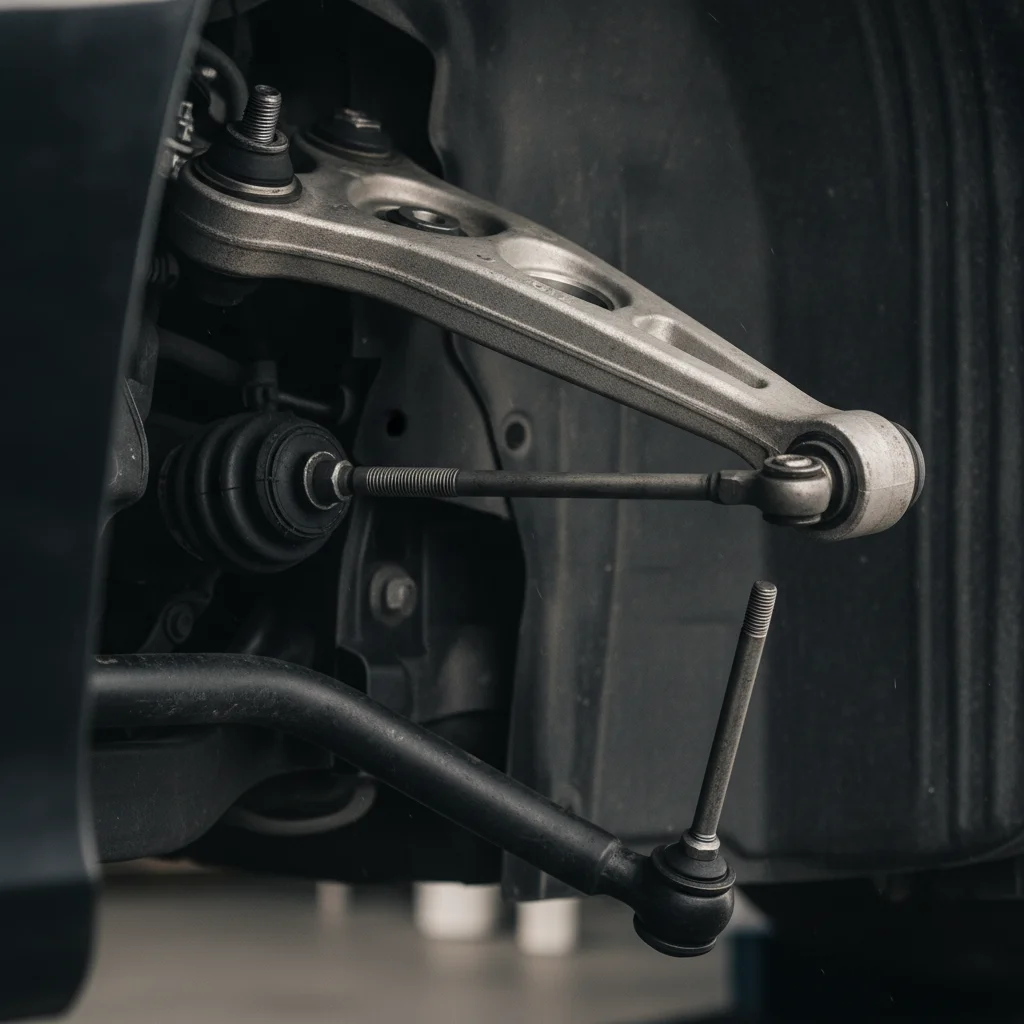
Once moving, the wheel should communicate road texture, minor surface variations, and feedback when you correct your line. If the car feels like you're steering through a pillow — inputs require effort but produce delayed or uncertain responses — that's called vague steering. It happens when:
- Tie rod ends are worn (most common cause)
- Power steering fluid is low or the pump is weak
- The rack bushings or rack mounting is deteriorated
- The electric power steering (EPS) calibration is off
On electric-assist cars, dead-on-center vagueness may be a software or sensor issue rather than mechanical wear, but it still warrants inspection. On hydraulic systems, vagueness almost always points to something physical.
2. Pulling to One Side
Drive at 35–45 mph on a flat, straight road and briefly loosen your grip. The car should track straight. If it drifts or pulls consistently in one direction, you're dealing with one of three root causes — and they're not all equal in cost or urgency:
- Alignment: Often corrected for $80–$150. Common after a pothole hit or curb strike.
- Uneven tire pressure or a damaged tire: Check pressures first — sometimes the fix is free.
- Brake drag: A seized caliper pulling the car toward one front wheel. This is a safety issue, not a maintenance item. The brake evaluation guide covers how to distinguish brake pull from alignment pull.
For a deeper breakdown of what causes pulling and which fix applies, see why cars pull to one side and what actually fixes it.
3. Steering Wheel Vibration
Vibration through the wheel at highway speed (60–75 mph) almost always means unbalanced or damaged tires. This is usually cheap to fix — tire balancing costs $15–$25 per wheel. But vibration that starts at lower speeds (35–50 mph) or that's felt in the seat rather than the wheel points to something more serious: worn CV axles, a bent wheel, or worn hub bearings. Don't dismiss it as "just tires" unless you can confirm the tires are new and recently balanced.
4. Wheel Play and Wandering
Steering wander — where the car requires continuous small corrections to hold a straight line — differs from a pull. Wander is inconsistent and requires active driver input to manage. Causes include worn tie rod ends, worn ball joints, loose wheel bearings, or insufficient caster angle from a previous alignment that wasn't set correctly. Any car that wanders on the highway is exhausting and potentially unsafe on long drives. See more on steering problems that signal something serious.
Suspension: Reading the Ride Quality
Steering and suspension are mechanically connected — the same components that let you turn also control how the car handles vertical motion from road imperfections. Here's what to assess specifically for suspension condition.
Bounce Test Before the Drive
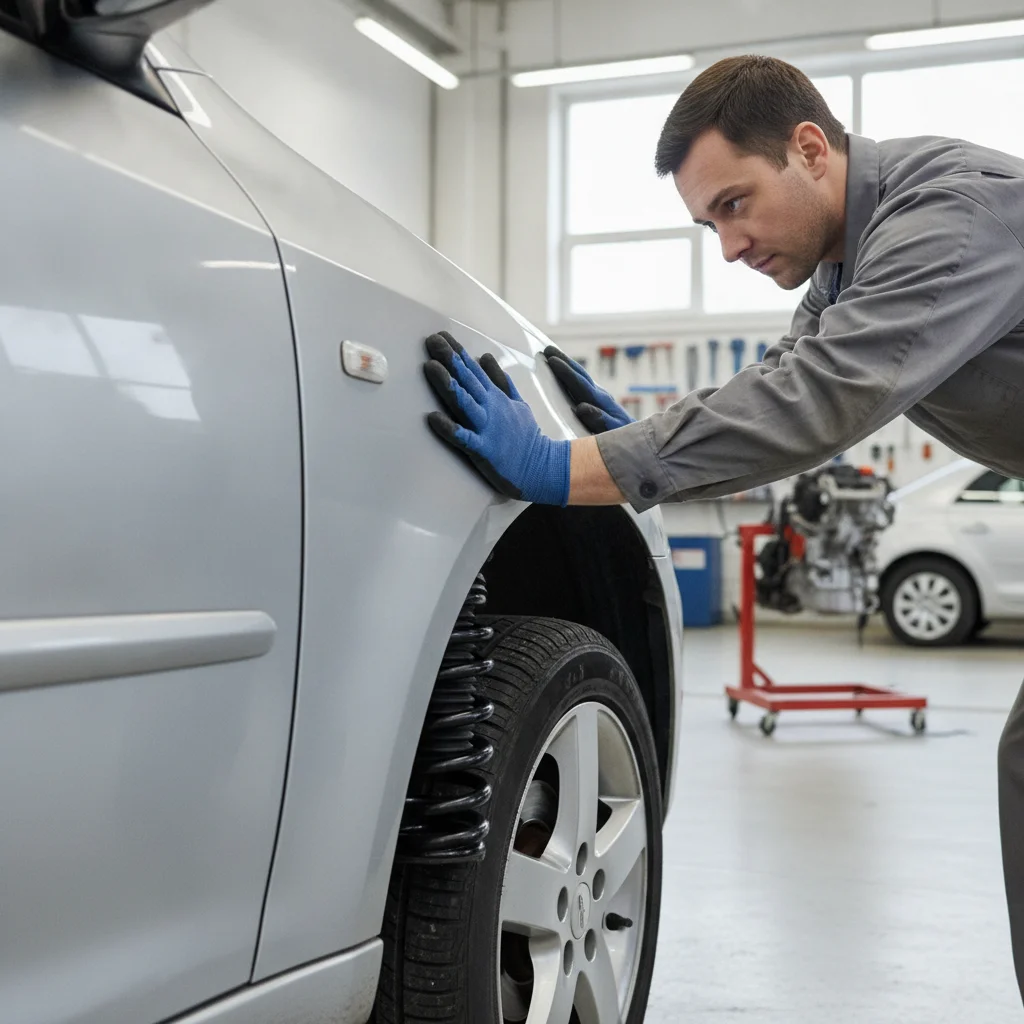
Push down firmly on each corner of the car and release. A healthy shock absorber will return to ride height in one smooth motion and stop. If the corner bounces two or three times, the shocks or struts are worn. This isn't always a safety emergency, but it directly degrades handling, braking distance, and tire wear — and replacement runs $300–$600 per axle on most vehicles.
Body Roll in Corners
On your test drive, find a gentle on-ramp or a roundabout. Increase your entry speed slightly (safely and legally) and note how much the car leans into the corner. All cars lean to some degree — that's normal physics. But excessive lean, where the body tips noticeably and feels like it's fighting to recover, suggests:
- Worn sway bar links or end links (usually $80–$200 to fix)
- Worn struts unable to control body motion
- Missing or collapsed sway bar bushings
Clunks, Knocks, and Thuds Over Bumps
Find a speed bump, railroad crossing, or rough section of road. Listen and feel for:
- Clunk from one corner: Often a worn ball joint, strut mount bearing, or loose sway bar end link. Ball joint failure at speed can cause catastrophic loss of control — this is a red-flag item.
- Thud or bang from the front: Frequently a worn strut mount or top hat bearing. The strut itself may still be functional, but the mount transfers the impact directly to the chassis.
- Rattle from underneath: Could be a loose heat shield (inexpensive), but also could indicate a worn control arm bushing allowing excess movement.
Any noise over bumps deserves investigation. The suspension warning signs guide explains which sounds indicate cosmetic issues and which indicate components that can fail suddenly.
Harshness vs. Sport Tuning
Not all firm rides are broken rides. Performance-tuned suspensions, sport packages, and lowered vehicles are designed to be stiffer. The distinction is consistent firmness versus impact harshness. A sport-tuned car transmits road texture firmly but smoothly. A car with worn bushings or blown shocks produces sharp, jarring impacts from the same surfaces — the kind where you feel the hit in your spine, not just through the seat.
Electric Power Steering Behaves Differently
Many newer vehicles use electric power steering (EPS) rather than hydraulic systems. EPS can produce vague or disconnected feel due to software calibration rather than mechanical wear. A scan tool check for EPS fault codes is worth requesting before assuming a mechanical problem. However, worn physical components — tie rods, ball joints — produce the same symptoms regardless of steering assist type.
Aftermarket Suspensions Change the Baseline
If the vehicle has been lowered or fitted with coilovers, the ride quality baseline is different from stock. Stiffer and harsher doesn't automatically mean broken, but lowered vehicles accelerate wear on ball joints, bushings, and wheel bearings. Factor this into your inspection priority list and check for any alignment records after the modification was installed.
Cold vs. Warm Suspension Behavior
Some worn rubber bushings and steering components feel tighter when cold and noticeably looser after the vehicle has been driven and warmed up. Take your test drive after the car has been running for at least 10–15 minutes, or note any change in steering feel between the start and end of a longer drive.
If you're evaluating a vehicle with an aftermarket lowering kit or coilovers, factor in additional suspension component wear. Lowered vehicles often accelerate bushing and ball joint wear, and they may have alignment specs outside factory range, which compounds tire wear.
The Quick Reference: Symptoms, Likely Causes, and Severity
Use this table during or immediately after your test drive to organize what you noticed and what it might mean. Severity ratings are approximate — a pre-purchase inspection by a mechanic will give you precise diagnosis.
| Symptom | Most Likely Cause | Typical Repair Cost | Severity |
|---|---|---|---|
| Vague, numb center feel | Worn tie rods, rack bushings | $150–$600 | Medium |
| Pulls to one side (no braking) | Alignment or tire issue | $80–$250 | Low–Medium |
| Pulls under braking only | Seized caliper or uneven pads | $200–$600 | High (safety) |
| Vibration at highway speed | Unbalanced tires or bent wheel | $60–$300 | Low–Medium |
| Vibration at mid-speed | CV axle, hub bearing | $300–$800 | Medium–High |
| Steering wander | Worn ball joints or tie rods | $200–$800 | Medium–High |
| Excessive bounce after bump | Worn shocks/struts | $300–$600/axle | Medium |
| Clunk from one corner | Sway bar link, ball joint, strut mount | $100–$600 | Medium–High |
| Excessive body roll in corners | Worn sway bar links or struts | $80–$500 | Medium |
| Loose steering wheel play | Worn steering coupler or rack | $200–$1,500 | High (safety) |
85%
Used cars sold with at least one deferred maintenance item
According to a 2023 CarMD Vehicle Health Index analysis of pre-purchase inspections, the majority of used vehicles inspected had at least one open maintenance or repair need.
$1,200
Average unplanned repair cost in first year of used car ownership
Consumer Reports' 2023 used car reliability data indicates buyers frequently underestimate first-year repair costs on vehicles purchased without a pre-purchase inspection.
30%
Of handling complaints tied to tire issues first
Many pull, vibration, and vague steering symptoms are traced to tire pressure, wear, or balance issues before any suspension component is at fault.
2–3x
Longer stopping distance with worn shocks/struts
Studies by the Automotive Service Association have shown that worn shock absorbers can increase emergency stopping distances by up to 20 feet at highway speeds.
Steering play
The amount the steering wheel can be rotated before the front wheels begin to respond. Acceptable play is typically less than one inch at the wheel rim. More than that suggests worn steering linkage components.
Tie rod end
A component of the steering linkage that connects the steering rack to the wheel hub, allowing the wheels to turn left and right. Worn tie rod ends cause vague steering, wander, and uneven tire wear.
Ball joint
A pivot point between the wheel hub and the control arm that allows the suspension to move up and down while the wheel can also steer. Severely worn ball joints can separate at speed, causing sudden loss of steering control.
Strut mount (top hat)
The upper mounting point of a MacPherson strut assembly. It contains a bearing that allows the strut to rotate with steering input. A worn mount produces clunking over bumps and can cause steering stiffness.
Sway bar end link
A short connecting rod that links the sway bar (anti-roll bar) to the suspension. Worn or broken end links allow excess body roll in corners and often produce clunking or rattling over bumps.
Caster angle
The forward or rearward tilt of the steering axis when viewed from the side. Caster affects straight-line stability and steering returnability. Unequal caster side-to-side causes a pull that alignment adjustment may not fully correct.
CV axle (constant velocity axle)
The drive shaft on front-wheel-drive and all-wheel-drive vehicles that transmits power to the wheels. Worn CV joints cause vibration at certain speeds or a clicking noise during tight turns.
Hub bearing
The bearing assembly that allows each wheel to spin freely on the axle. A failing hub bearing produces a humming or grinding noise that often changes pitch when the car is loaded to one side in a gradual turn.
How to Use What You Find
Symptoms you identify during a test drive fall into three categories, and your response to each should be different:
Category 1: Use as Negotiation Leverage
Minor wear items — unbalanced tires, sway bar end links, alignment — are real costs but not safety emergencies. Get a quote before negotiating and ask for a price reduction equal to or slightly above the repair estimate. Sellers generally accept reasonable deductions for documented needs.
Category 2: Require Pre-Purchase Inspection Before Proceeding
Anything involving ball joints, hub bearings, steering rack condition, or CV axles should be confirmed by a mechanic on a lift before you finalize a deal. These range from $200 to $1,500+ depending on what's found, and they can cascade — a failed ball joint that's been running that way can damage the wheel, the hub, and the control arm all at once. A pre-purchase inspection costs $100–$150 and is the best $150 you'll spend in a used car transaction.
Category 3: Walk Away
Loose steering wheel play, clunking that points to a failing ball joint, or brake pull that the seller denies or dismisses — these are not negotiating opportunities. They are safety deficits on a vehicle that may already have caused or nearly caused an accident. Unless the seller is willing to repair and demonstrate the fix before sale, walk away.
For context on how steering symptoms escalate, read steering problems that signal something serious. For a broader approach to the entire test drive, the test drive tactics article covers everything from engine sounds to interior electronics in one checklist format.
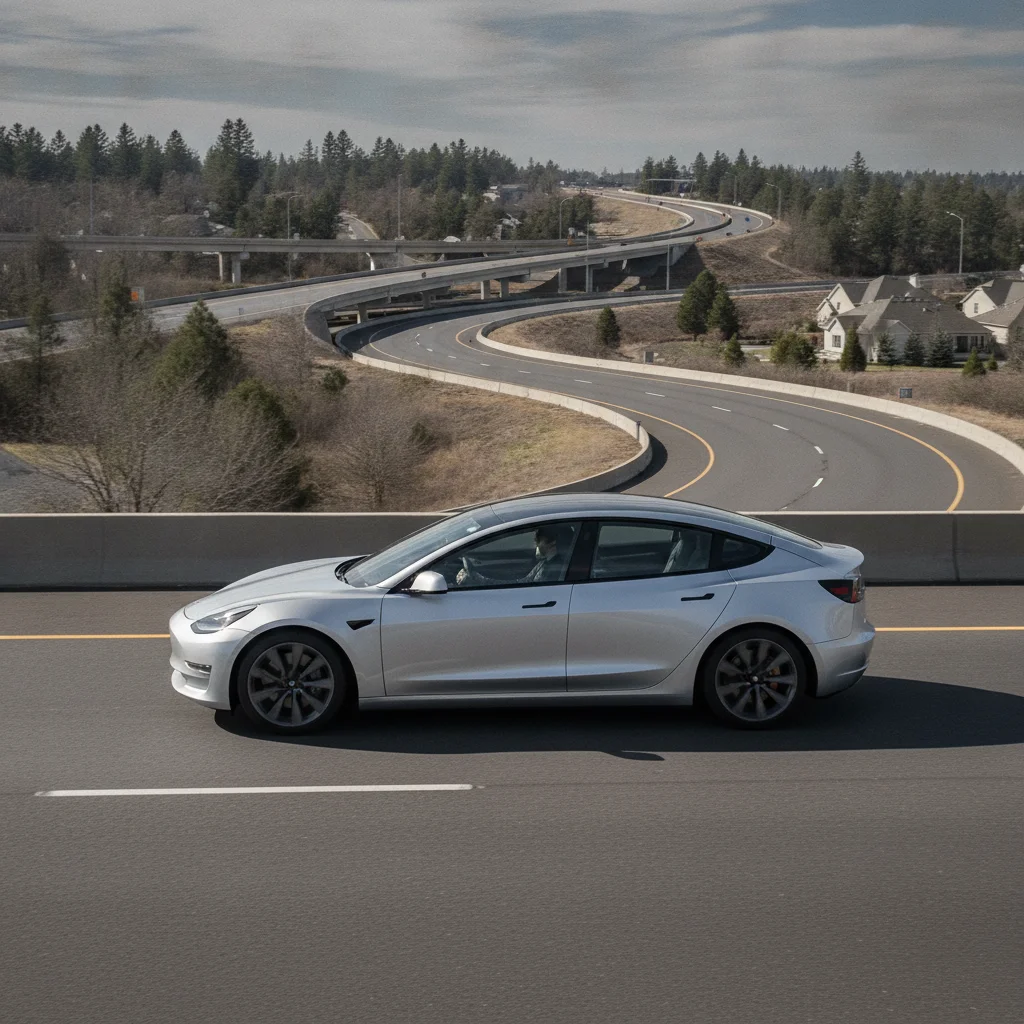
Test Drive Tactics: Full Evaluation Guide
A comprehensive checklist for evaluating used cars across every system — engine, brakes, steering, suspension, and interior — in a single structured test drive.
Suspension Warning Signs Most Drivers Miss
Covers the suspension symptoms that are easy to rationalize as 'normal' but actually indicate components approaching failure. Useful before any used car purchase.
Why Your Car Pulls to One Side
Explains the three root causes of pulling — tires, alignment, and brakes — and how to distinguish them so you don't pay for the wrong repair.
Pre-Purchase Vehicle Inspection Checklist
A printable checklist to bring on any used car test drive, covering visual, auditory, and tactile checks across all major vehicle systems.

All claims are backed by peer-reviewed research. Sources on request.