Key Takeaways
Summary
28 items · 20–40 minutes
Why No Test Drive Changes Everything
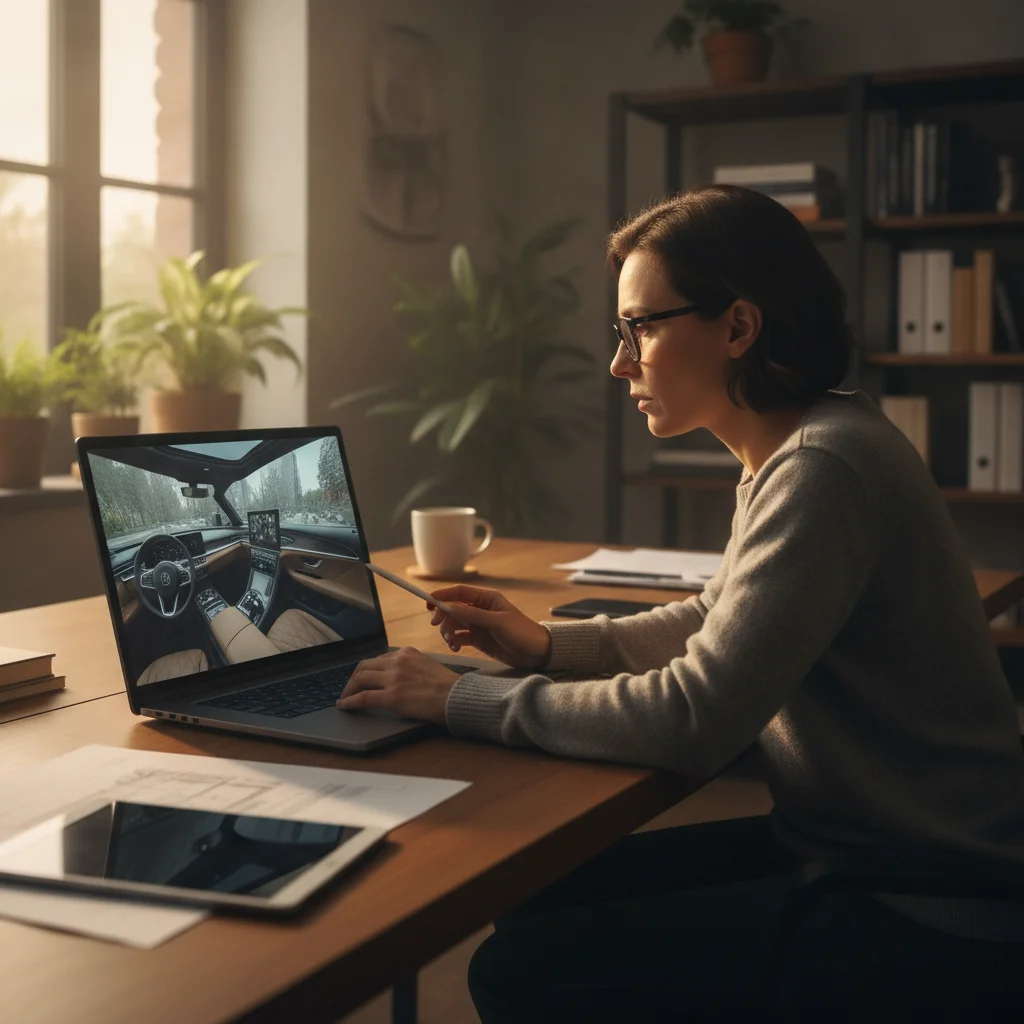
Online auctions, out-of-state dealer inventory, and private-party listings have made it genuinely possible — even common — to buy a car without ever sitting in it. That convenience comes with a real cost: you lose the most reliable diagnostic tool available to a buyer. A test drive doesn't just tell you if the car is fun to drive. It tells you if the transmission shifts cleanly, whether the brakes pull, if there's a vibration at highway speed that no listing photo will ever reveal.
When that opportunity disappears, the gap doesn't close itself. You have to close it deliberately, with targeted questions, third-party verification, and contractual protections you would not need to demand in a normal transaction. That's what this checklist is designed to do.
See our guide to inspecting a car you can't test drive for complementary strategies once you've done your question-based due diligence. And if you're ever in a situation where a test drive is possible, the Test Drives & Inspections hub will tell you exactly what to look for.
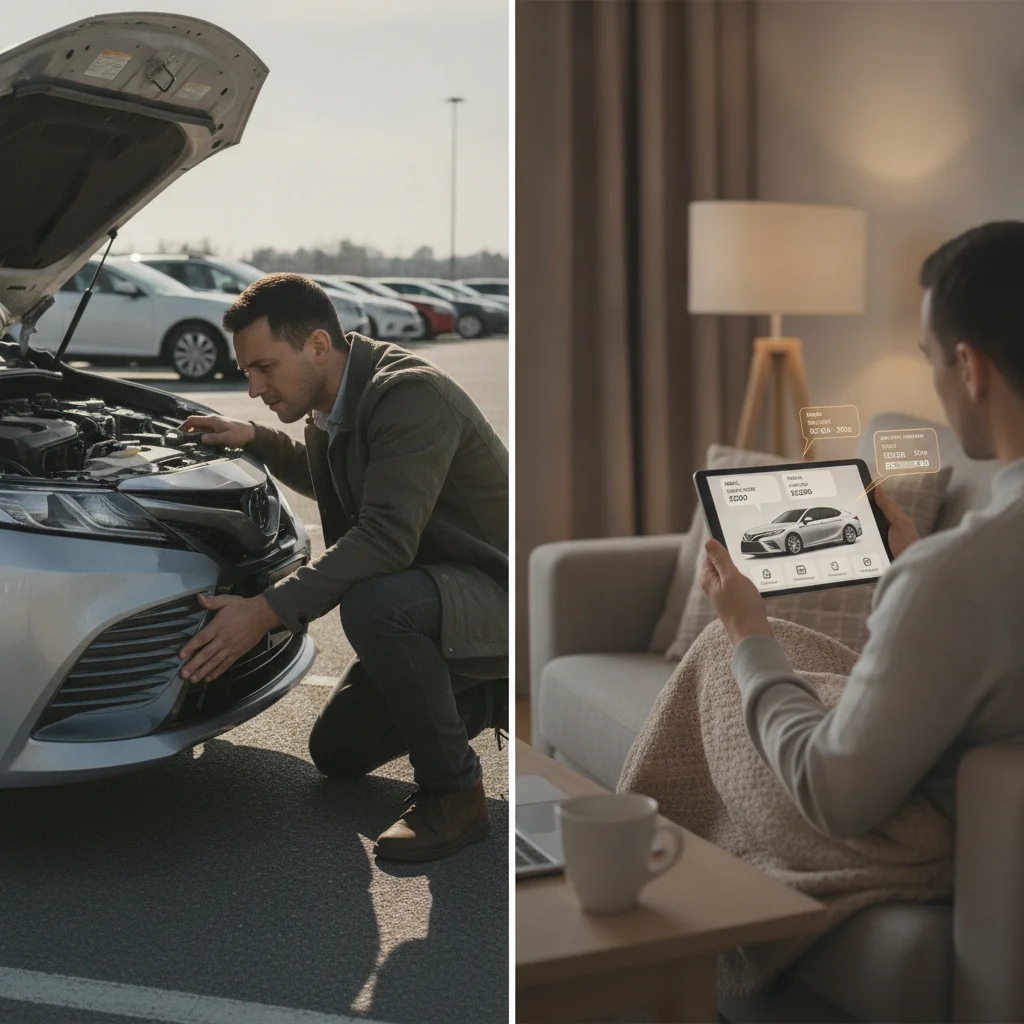
The checklist below is organized into logical phases: what to ask about the vehicle itself, what to ask about the seller or dealer, what to demand in writing before any money changes hands, and what questions to turn on yourself before you commit.
Tools You'll Need Before You Start
Before you pick up the phone or type a single question into a message thread, make sure you have the right tools in front of you. Running a vehicle history report while you're talking to the seller puts the data in your hands in real time — you can ask follow-up questions while the conversation is still warm.
CARFAX or AutoCheck
Pull a full vehicle history report using the VIN to check for accidents, title issues, odometer rollbacks, and service records.
NMVTIS (National Motor Vehicle Title Information System)
A federally mandated database to verify title status, including salvage and junk designations, independently of commercial history services.
Your state's DMV dealer license lookup
Verify that the selling dealership holds a current, valid dealer license in their state before you send any money.
Independent mobile mechanic service (e.g., CARCHEX, Lemon Squad, or a local shop)
Arrange a pre-purchase inspection at the vehicle's current location without relying on the seller's recommended mechanic.
Bank or credit union preapproval letter
Secure an interest rate benchmark before negotiating so you can evaluate any dealer financing offer on its actual merits.
Video calling app (FaceTime, Zoom, or similar)
Request a live video walkthrough of the vehicle so you can ask the seller to show specific areas in real time.
Better Business Bureau & state AG complaint database
Research the dealer or private seller for prior complaints or disciplinary actions before the transaction proceeds.
The Full Question Checklist
Work through each group in order. The questions build on each other — what you learn about title status informs how hard you push on the return policy, and what you learn about service history determines whether you insist on a pre-purchase inspection or walk away.
A 'Clean' History Report Is Not a Clean Bill of Health
Vehicle history reports only capture incidents that were reported to insurance companies, law enforcement, or title agencies. A significant amount of damage — particularly cosmetic repairs and minor mechanical work — is paid out of pocket and never appears in a database. A clean history report narrows your risk but does not eliminate it. An independent pre-purchase inspection is the only tool that assesses the car's actual current condition, not just its documented past.
Confirm Insurance Coverage Before the Transaction Closes
Many buyers assume their existing auto policy automatically covers a newly purchased vehicle from the moment of sale. Policies vary significantly — some provide a grace period, others require you to add the vehicle before coverage activates. If the vehicle is damaged in transit and you haven't confirmed coverage, you may be absorbing that loss entirely. Call your insurer the day you finalize the purchase and get the VIN added immediately.
Don't skip the seller credibility section because a listing looks professional. Some of the most polished remote scams I've seen came from accounts with good photos and fast response times. The questions are there precisely for situations where everything looks fine on the surface.
Vehicle History & Documentation
Title & Ownership Status
Mechanical Condition & Known Issues
Seller Credibility & Transaction Safety
Return Policy, Warranty & Delivery Terms
Never Skip the Independent Inspection
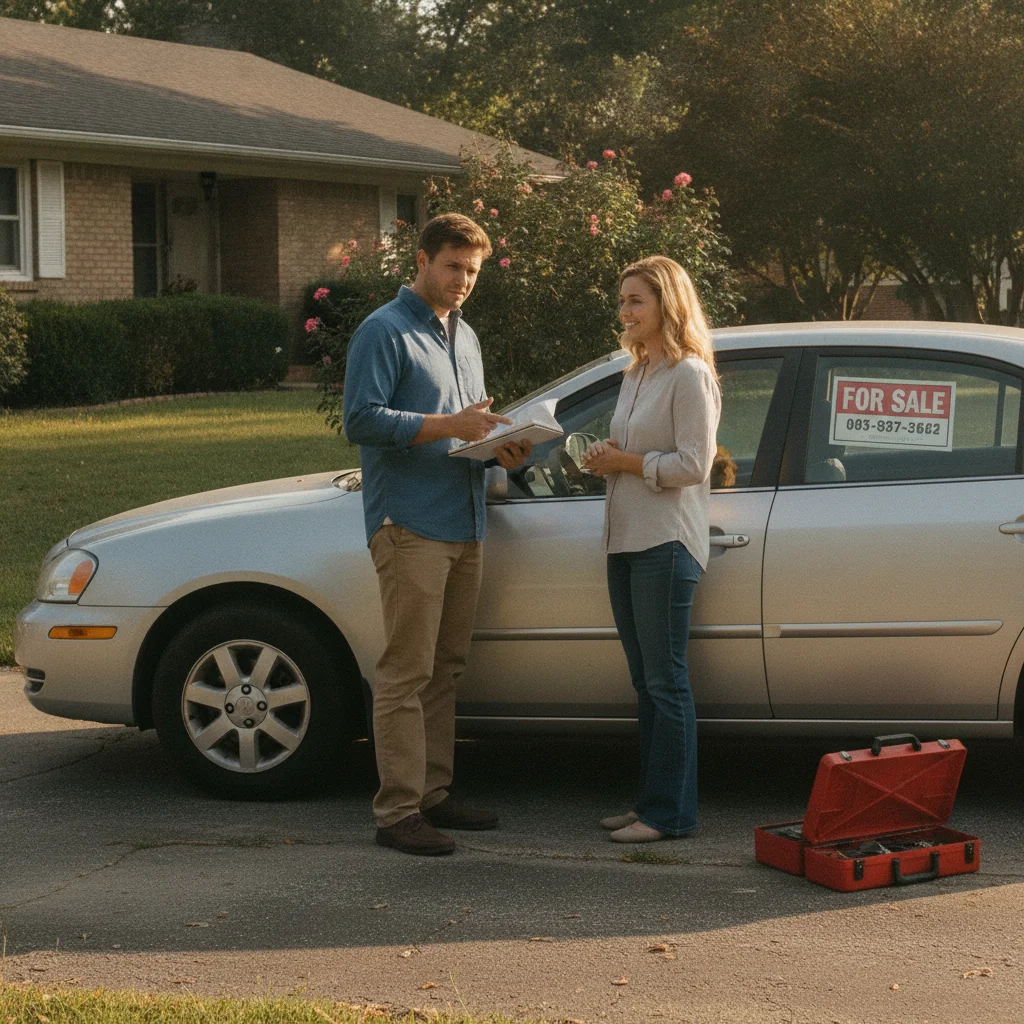
A seller-arranged inspection or a dealer's "certified" designation is not a substitute for an inspection by a mechanic you hire independently. Sellers choose shops that return favorable results. For any remote purchase, a pre-purchase inspection is the closest thing you have to a test drive — don't let urgency or seller pressure cause you to skip it. Budget $100–$200 and treat it as part of the purchase cost.
Wire Transfers Are Not Reversible
Once you wire money, it is extremely difficult to recover regardless of what goes wrong. Legitimate dealerships accept credit cards or certified bank checks for deposits and down payments. Private sellers can be paid via escrow services designed for vehicle transactions. If a seller insists on a wire transfer to a personal account as the only option, treat that as a disqualifying red flag and walk away.
Verbal Promises Mean Nothing in a Dispute
If a seller or dealer tells you the return policy is flexible, that they'll fix a known issue before delivery, or that the warranty transfers without restriction — get it in writing before any money changes hands. Courts and consumer protection agencies cannot enforce what was said on a phone call. Every meaningful commitment must appear in the purchase agreement or a signed addendum.
What to Do With the Answers You Get
Asking the right questions only helps if you evaluate the answers rigorously. Here's how to interpret what you hear:
- Vague or deflective answers about mechanical issues are a red flag regardless of how the seller frames them. "It runs great" is not an answer to "Has the transmission ever slipped or been serviced?"
- Inconsistencies between the listing and verbal answers — different mileage, different accident history, different ownership count — suggest either a careless seller or a dishonest one. Either way, walk.
- Resistance to an independent inspection is the single biggest signal that something is being hidden. Legitimate sellers don't object to a third-party mechanic. They welcome it because it removes the buyer's last objection.
- Pressure to wire money immediately or to skip any step of the process is a dealbreaker. No legitimate transaction requires urgency that eliminates your ability to verify.
If you're buying from a dealer remotely, the finance office interaction deserves the same scrutiny it would get in person — maybe more, because it's easier to rush you through documents digitally. See the questions to ask before signing a new car purchase agreement to make sure nothing slips through.

For comparison, the questions worth asking during every test drive shows you what buyers with full access ask — it's a useful benchmark for how thorough your remote due diligence needs to be by comparison.
Protecting Yourself at the Financing Stage
Remote purchases introduce financing risks that don't exist in a dealership showroom. When you're not physically present, it's harder to slow the process down, harder to compare documents side by side, and easier for fees to appear in contracts that were never discussed verbally.
Get preapproved before you negotiate
A preapproval from your bank or credit union gives you a rate benchmark and removes the dealer's ability to use financing as a negotiating lever. It also gives you a hard number to compare against any financing offer that comes with the remote purchase. If the seller or dealer's financing is significantly worse — after accounting for any manufacturer incentives — you have leverage or a clear reason to use your own lender.
Read every fee line in the purchase agreement
Remote purchase agreements often include documentation fees, dealer prep fees, and "market adjustment" line items that can add thousands to the vehicle price. Request the out-the-door price breakdown in writing before you sign anything. If a fee wasn't discussed, ask what it covers. If the explanation is unsatisfactory, it's negotiable or removable.
Understand the delivery terms completely
Who owns the risk if the vehicle is damaged in transport? Is it insured during transit? What happens if it arrives with damage that wasn't disclosed? These are not hypothetical questions — transport damage is more common than most buyers expect, and the liability has to live somewhere. Make sure it's not silently assigned to you the moment the truck pulls away from the dealer lot.
If you're buying a new vehicle remotely, the buying new cars hub covers additional protections specific to franchise dealer transactions.
A Final Check Before You Commit
Before you authorize any payment, run through this mental checklist. These are the questions to ask yourself — not the seller.
- Do I have a signed, written return or cancellation policy in hand — not just a verbal promise?
- Has an independent mechanic I arranged (not the seller's recommended shop) inspected this vehicle?
- Have I verified the VIN against the title, the vehicle history report, and the physical car via video or photos?
- Is the title clean and in the seller's name, with no liens I'm not prepared to handle?
- Do I understand exactly who I'm wiring money to and have I verified that entity independently?
- Am I comfortable with what I know about this car's mechanical condition, given that I can't drive it?
If the answer to any of these is no or uncertain, that's the thing to resolve before the transaction moves forward. Remote car buying rewards patience far more than speed. The vehicle you're looking at today will likely still be available tomorrow — and if it's not, a better-documented one will appear.
Once the car is yours, your due diligence mindset should carry into ownership. The same disciplined questioning that helped you buy smart applies at the service bay — see the questions worth asking your mechanic at every service visit to make sure you're never taken advantage of after the purchase either.


All claims are backed by peer-reviewed research. Sources on request.