Key Takeaways
Why Battery Replacement Goes Wrong
Swapping a car battery looks like a five-minute job — and it can be. But a surprising number of people create problems that weren't there before: sparks during removal, a check engine light that wasn't there before, a throttle that idles rough, or windows that stop responding to the auto-up button. None of that is bad luck. It's a predictable result of skipping steps.
The core issue is that modern vehicles aren't just mechanical machines with a battery bolted in. The battery powers an interconnected web of control modules — your ECU, your transmission controller, your body control module, your anti-theft system — that all store learned data. Disconnect power carelessly and you can trigger fault codes, lose adaptive settings, or confuse modules that need time to relearn. Do it in the wrong order and you risk a spark near hydrogen gas or a short circuit through your wrench.
None of this makes the job difficult. It just means the order of operations and a few safety basics matter more than the marketing on most replacement guides suggests. If you've never worked under the hood before, our beginner's DIY primer is worth a read before you start.
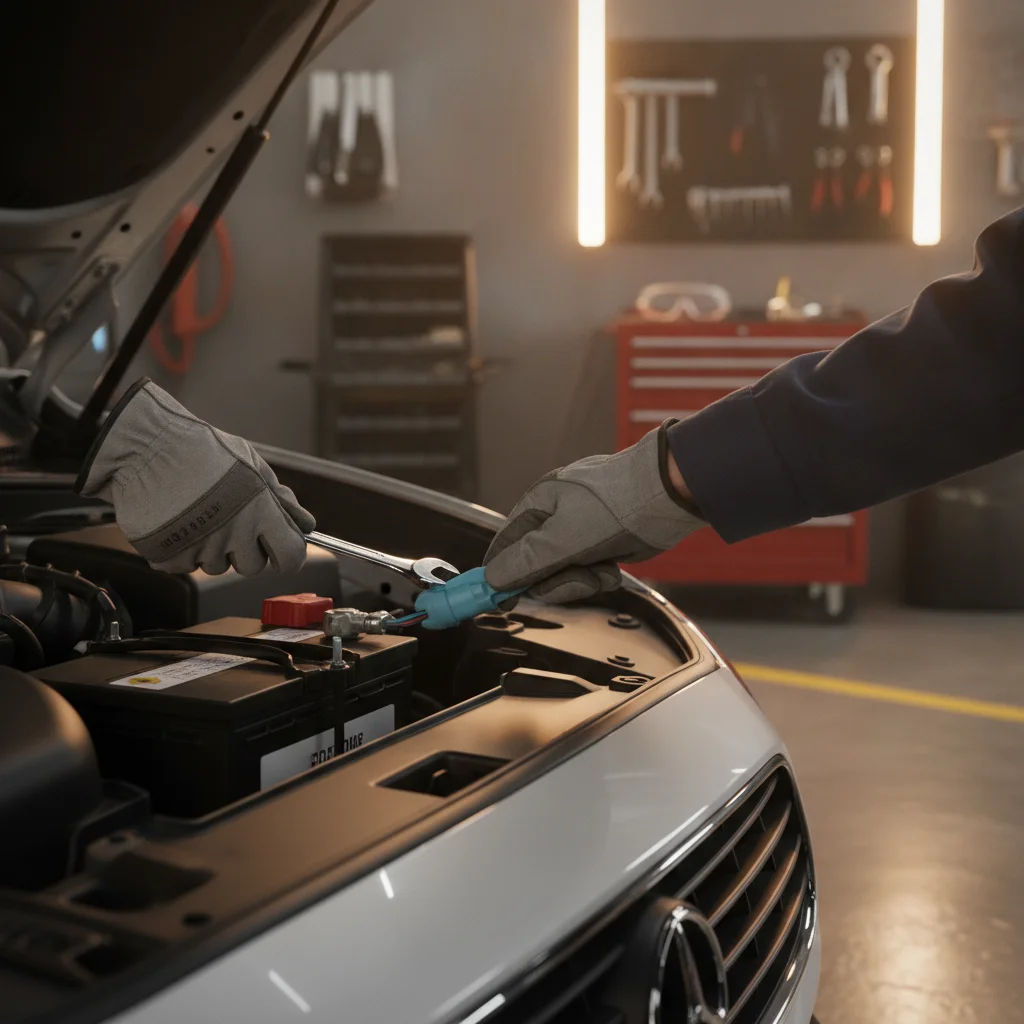
The steps below walk you through every part of the process — including the parts that get glossed over.
What you will need
What to Expect After the Swap
Once the new battery is in and the car starts cleanly, you're not quite done. Here's what's normal and what isn't in the hours and days after installation.
Normal Post-Swap Behavior
- Clock reset: Your clock will show 12:00 or a wrong time. Reset it manually.
- Radio presets erased: All saved stations are gone. Re-enter them.
- Power windows need re-initialization: Many vehicles lose the auto-up feature for power windows when power is interrupted. The fix is usually to hold the window down fully for two seconds, then hold it up fully for two seconds — check your owner's manual for the exact procedure.
- Slightly different driving feel: If your vehicle has an adaptive transmission, it may shift more abruptly or hunt between gears for the first few days. This clears on its own as the ECU relearns your patterns.
- Battery light or charging system light briefly on: This should clear within a minute of running. If it stays on, there may be an alternator issue to investigate.
Not Normal — Investigate These
- Check engine light that stays on after 10 minutes of driving
- Engine that idles roughly or stalls after installation
- Electrical accessories that don't work at all (not just reset, but completely dead)
- Battery warning light that stays illuminated beyond a few minutes
If your vehicle has a persistent check engine light after the swap, a free OBD2 scan at any auto parts store will tell you which system is flagging. Don't assume the worst — disconnecting battery power can occasionally wake up pre-existing codes that were dormant.
Don't Skip the Memory Saver Debate
Some guides recommend plugging in an OBD2-port memory keeper to preserve ECU settings during the swap. These devices work, but a faulty or cheap one can cause its own electrical gremlins. If you don't have a quality unit, it's often cleaner to skip it and plan to re-enter your radio presets and recalibrate your windows and sunroof afterward.
Corroded Terminals Need Cleaning First
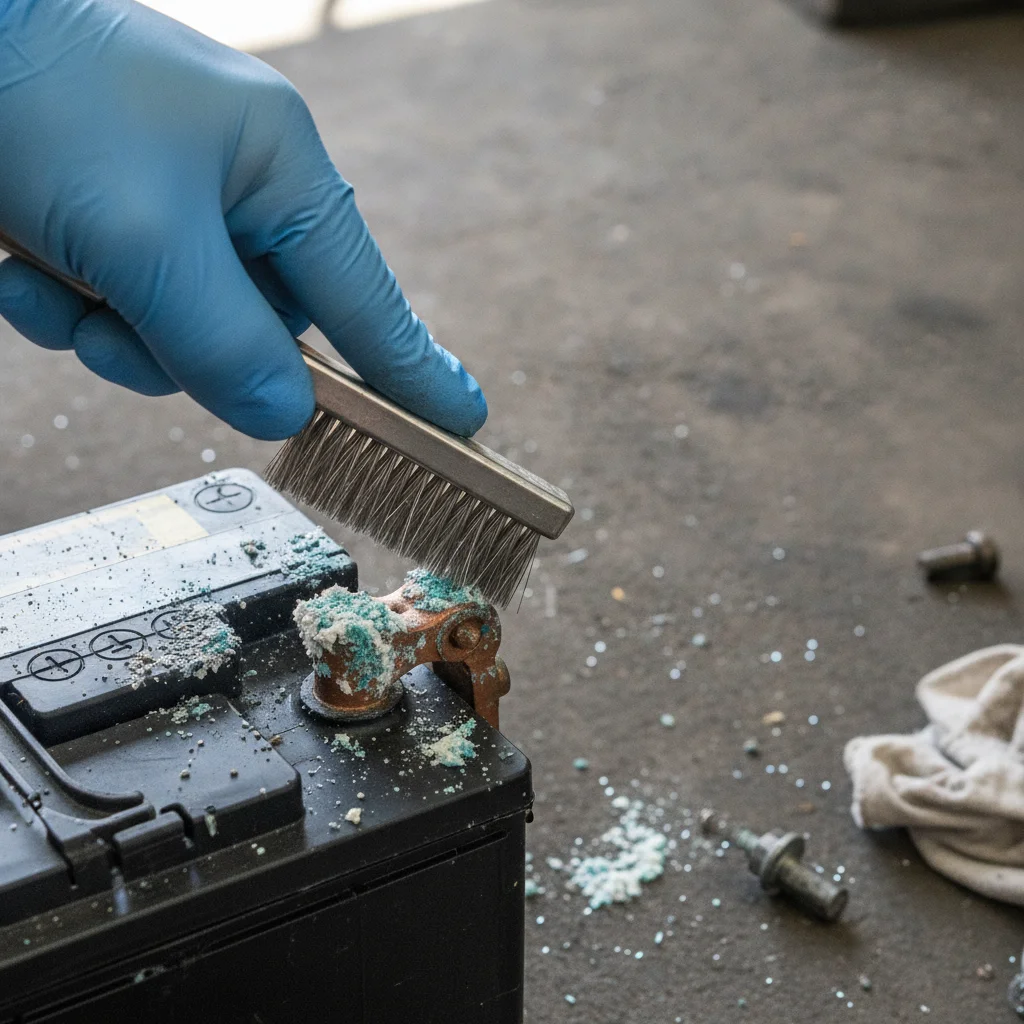
If your battery terminals have significant blue-white buildup, clean them before installing the new battery. Installing a new battery onto corroded terminals creates poor conductivity and can shorten the new battery's lifespan. A mix of baking soda and water on an old toothbrush handles most corrosion effectively.
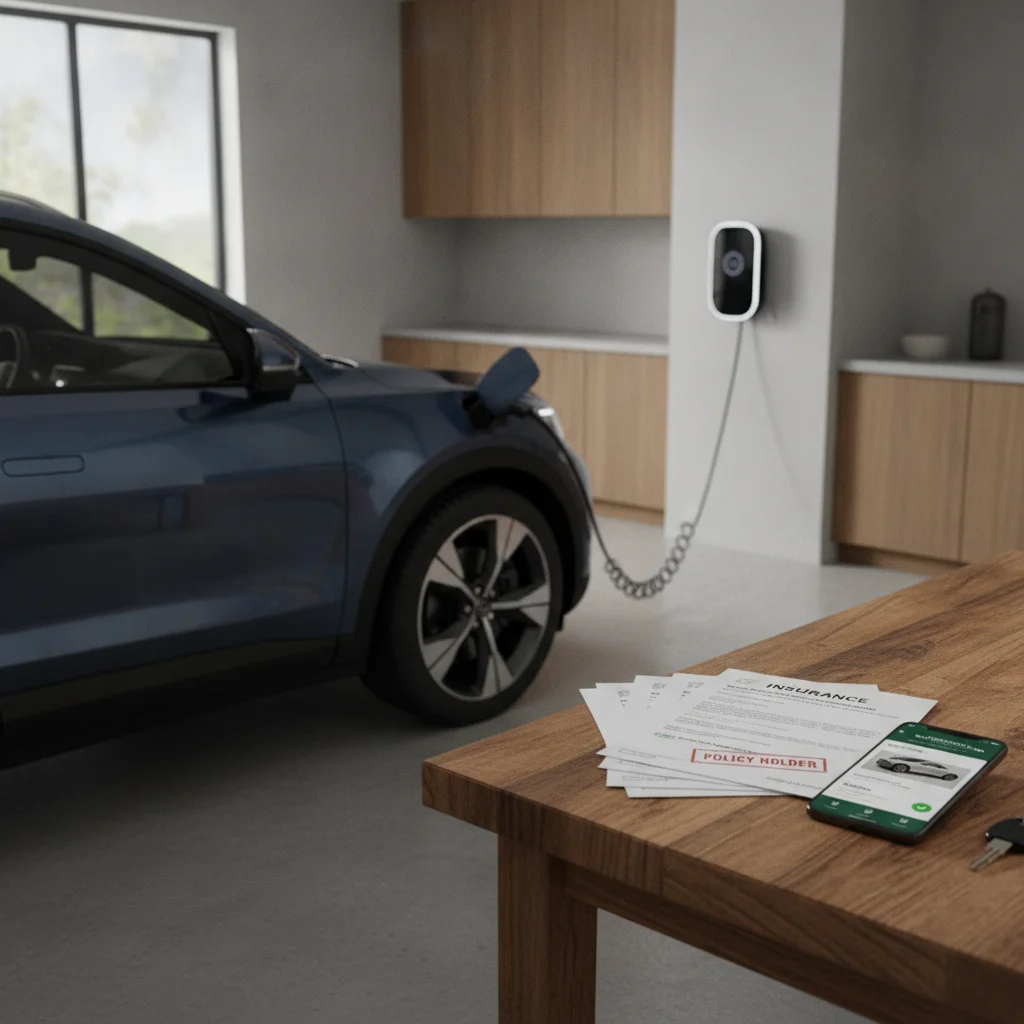
One thing to be aware of: this guide covers conventional 12V lead-acid batteries in gasoline and traditional hybrid vehicles. If you drive an electric vehicle, the 12V auxiliary battery works similarly, but there are additional considerations specific to EV electrical architecture. EV ownership costs and coverage involve more moving parts than most people realize, and battery service is no exception.
Test Before You Buy a Replacement
Before spending money, get your battery and charging system tested at any auto parts store — most do it free. A bad alternator can kill a new battery within weeks. Knowing the whole system is healthy before you swap saves you from chasing the same symptom again next month.
Take a Photo Before You Disconnect Anything
Snap a quick photo of the battery area, cable routing, and terminal connections before you touch anything. It takes five seconds and eliminates any guesswork when you're reconnecting. This habit is useful for every DIY job under the hood.
Recycle Your Old Battery — It's Required in Most States
Lead-acid batteries are hazardous waste and illegal to trash in most states. Every auto parts retailer is required to accept your old battery for recycling, usually for free. Many offer a core charge refund when you bring it in, so don't leave money on the table.
Connecting Maintenance Habits to Resale Value
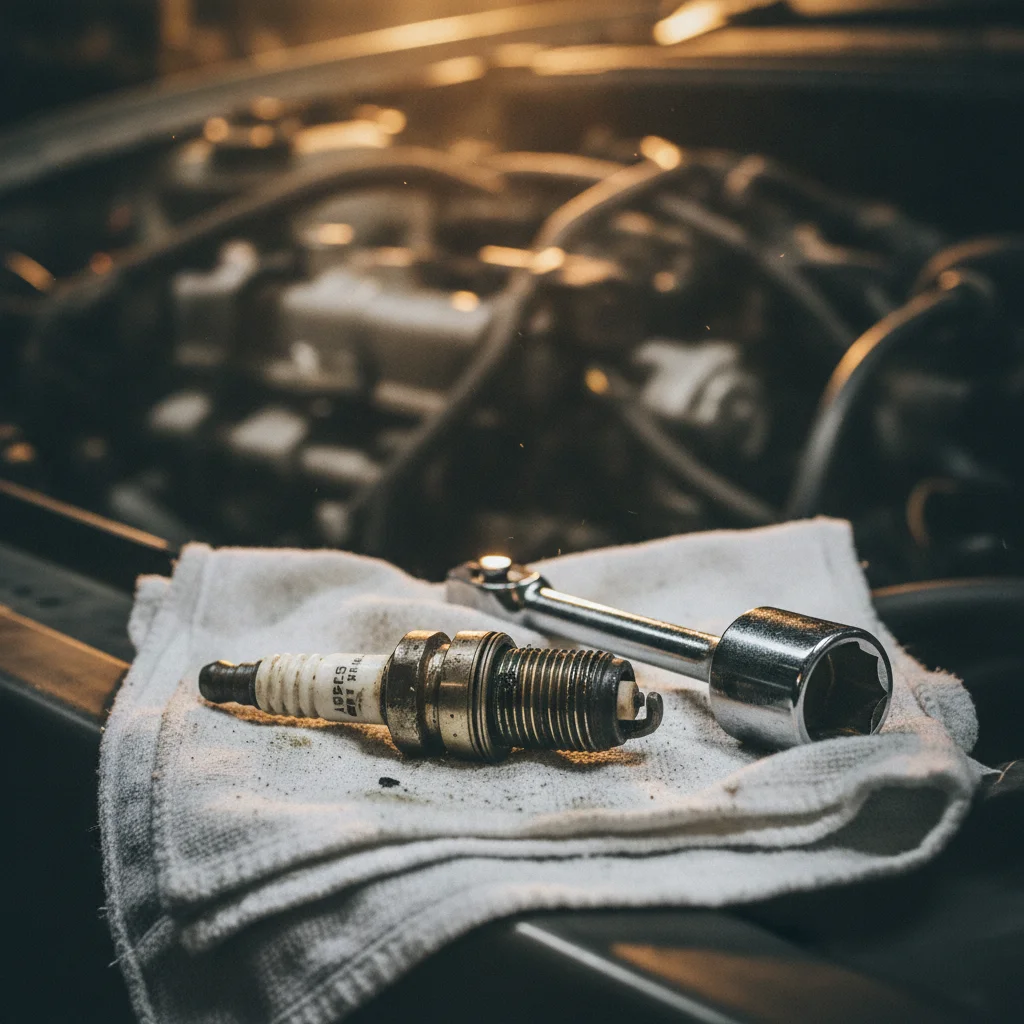
A battery that dies unexpectedly — especially one that takes other components down with it — is expensive. But beyond the immediate repair cost, chronic electrical gremlins and deferred maintenance show up in inspection reports and can meaningfully affect trade-in offers. Staying ahead of a battery that's showing signs of age (slow cranking, swollen case, three or more years old in a hot climate) is one of the cheapest ways to protect the value of your vehicle. Alongside staying current on consumables like spark plugs, a fresh battery tells a buyer or dealer that the car has been cared for.

All claims are backed by peer-reviewed research. Sources on request.