Key Takeaways
Luxury Car Depreciation
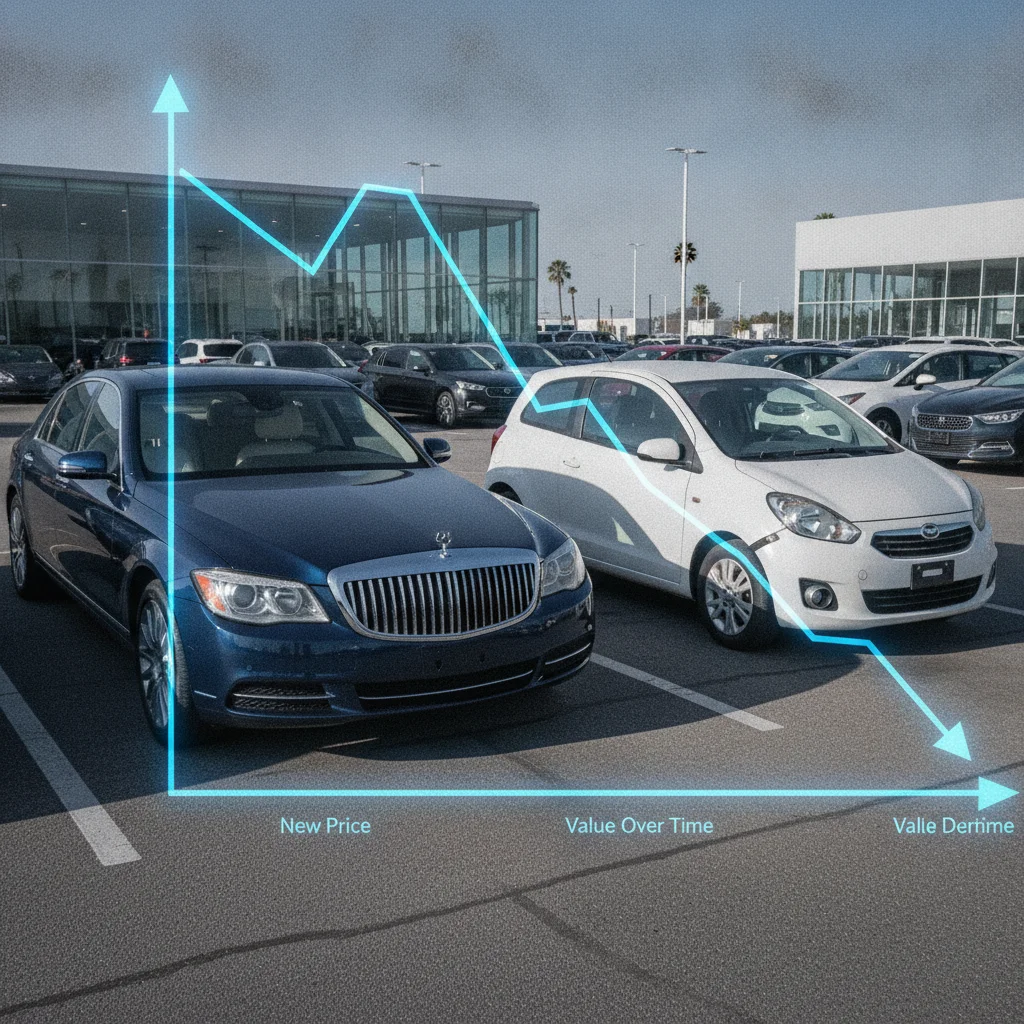
Luxury car depreciation is the rate at which high-end vehicles lose their market value over time — and that rate tends to be steeper, both in percentage terms and especially in raw dollars, compared to economy models. A luxury sedan that stickers at $80,000 can be worth half that in three years, while a $28,000 economy car might retain 60–65% of its value over the same period. The forces behind this gap include higher starting prices, expensive technology that becomes outdated quickly, and a narrower pool of buyers willing to pay premium used-car prices.
Depreciation is typically modeled as a percentage of residual value — used heavily by lessors to set monthly payments. A low residual value (high depreciation) means higher lease payments, which is one reason luxury leases can cost disproportionately more than the finance alternative.
The Counterintuitive Math of Premium Depreciation
Here's something that trips up a lot of first-time luxury car buyers: the more expensive the car, the more money you stand to lose in the first few years. Not just in absolute dollars — though that part is obvious — but often in percentage terms too. A $75,000 luxury sedan losing 45% of its value in three years costs you around $33,750. A $27,000 economy compact losing 30% costs you $8,100. Both owners drove comparable miles. One just lost four times as much money.
This isn't an accident or a flaw in the system. It's a predictable outcome of how supply, demand, technology cycles, and ownership costs interact in the premium segment. Understanding it doesn't just satisfy curiosity — it directly affects whether you buy new or used, how you structure your financing, and when you decide to sell. The moment you drive any new car off the lot, depreciation starts, but the drop is steeper and faster when the price tag starts with a seven or eight.
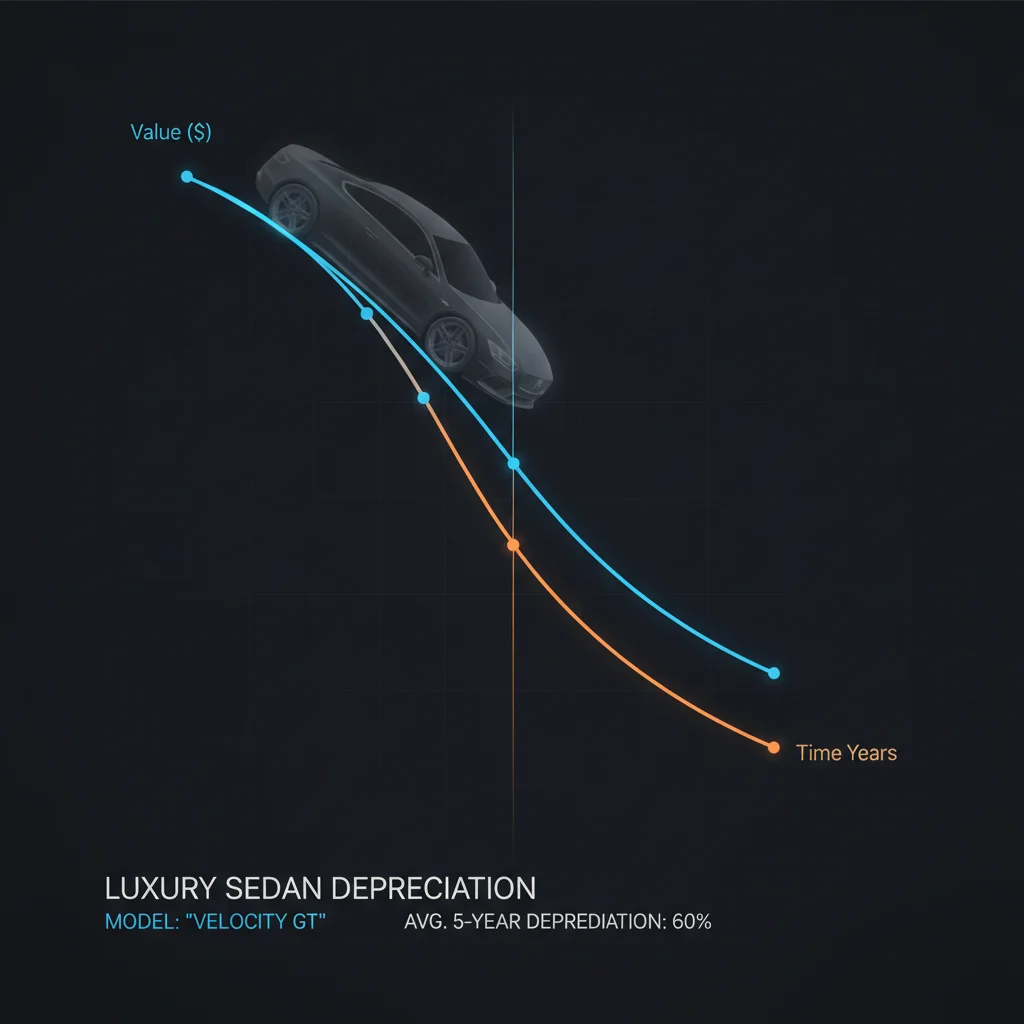
Let's break down exactly why this happens.
Why the Starting Price Works Against You
The single biggest driver of luxury depreciation is the starting price itself. Depreciation percentages that look similar on paper translate into radically different dollar losses when you're starting from $80,000 instead of $25,000. But the problem runs deeper than multiplication.
Luxury vehicles carry significant price premiums for features, brand cachet, and technology — things buyers pay top dollar for new, but discount heavily on the used market. That $4,000 panoramic sunroof? The used buyer is not paying $4,000 extra for it. The massaging seats and the 21-speaker audio system? Negotiated down or ignored entirely when someone's comparing a three-year-old luxury car to its current-year competition.
~49%
Average 5-year depreciation for luxury sedans
According to iSeeCars research, large luxury sedans average roughly 49% depreciation over five years — among the highest of any vehicle segment.
~32%
Average 5-year depreciation for compact economy cars
Economy compact cars — particularly Japanese-branded models — consistently retain more value over five years, per Edmunds and iSeeCars data.
$28,000+
Typical 3-year dollar loss on a $62K luxury sedan
Real-world transaction data from used-car markets shows luxury sedan buyers routinely absorb losses exceeding $25,000–$30,000 in the first 36 months.
15–25%
Value lost in Year 1 for many luxury models
First-year depreciation is the steepest phase; luxury vehicles often shed 15–25% the moment they leave dealer inventory, per Kelley Blue Book analysis.
61%
Porsche Cayenne 5-year value retention
Porsche consistently ranks among the best luxury value-retainers, with Cayenne models holding approximately 60–63% of original MSRP at five years, per iSeeCars.
Dealers and private buyers applying market pricing to used vehicles don't pay for brand-new experience. They pay for reliable, functional transportation — and in the luxury segment, the premium between "new prestige" and "used practicality" is enormous. That gap is depreciation.
Economy cars don't suffer this effect as severely because they weren't priced at a premium to begin with. Buyers of used economy vehicles are already in a price-conscious mindset, and the modest original premium evaporates quickly, leaving behind a car priced close to its genuine utility value.
Technology Obsolescence: The Luxury Tax Nobody Talks About
Luxury vehicles are technology showcases. Automakers pack them with the latest infotainment systems, driver-assistance features, digital instrument clusters, and semi-autonomous capabilities — precisely because affluent buyers expect cutting-edge hardware. The problem is that technology ages fast, and yesterday's flagship feature becomes tomorrow's standard equipment.
A $90,000 luxury sedan from three years ago might have a 10-inch touchscreen with a clunky interface, no wireless Apple CarPlay, and a driver-assistance suite that can't match what a $35,000 mainstream crossover offers today. The used buyer notices. The residual value takes the hit.
“The luxury car market is where the most rapid obsolescence happens. Features that commanded a $5,000 premium when the car was new become liabilities on the used lot when the next generation of technology makes them look dated.”
— Karl Brauer, Executive analyst, iSeeCars and longtime automotive industry commentator
Economy cars sidestep this trap because they were never competing on technological leadership. A basic infotainment system and a backup camera don't become obsolete the same way a premium augmented-reality heads-up display does. The gap between a three-year-old economy car's tech and the current model year is much narrower — and so is the depreciation penalty.
Technology and feature obsolescence are among the key factors that accelerate depreciation across all segments, but in the luxury space, the effect is amplified because so much of the original purchase price was tied up in that technology premium.
Time Your Luxury Purchase Right
The best time to buy a luxury vehicle is typically at the two-to-three-year mark, when the original owner has absorbed the steepest depreciation drop. Look for certified pre-owned programs from the manufacturer — they often extend warranty coverage and reduce your out-of-pocket risk on expensive repairs.
Sell Before the Major Service Clock Hits
Used buyers do their homework on service schedules. If your luxury vehicle is approaching a major maintenance milestone — timing chain, transfer case service, air suspension rebuild — selling before that service date (or completing it with documented receipts) keeps the risk discount off your sale price. Documented service history is one of the most powerful tools for protecting luxury resale value.
The Buyer Pool Problem
Demand drives value. And the pool of buyers who can afford — or are willing to spend — $45,000 on a used luxury car is significantly smaller than those shopping for a $15,000 reliable commuter. That supply-demand imbalance puts downward pressure on used luxury prices in a way that economy vehicles simply don't experience.
When you list a three-year-old Toyota Camry, you have millions of potential buyers. When you list a three-year-old BMW 7 Series, your buyer universe shrinks dramatically. That's before factoring in buyer hesitation around luxury repair costs, the complexity of used luxury financing, and the general risk-aversion that savvy used-car buyers apply to out-of-warranty premium vehicles.
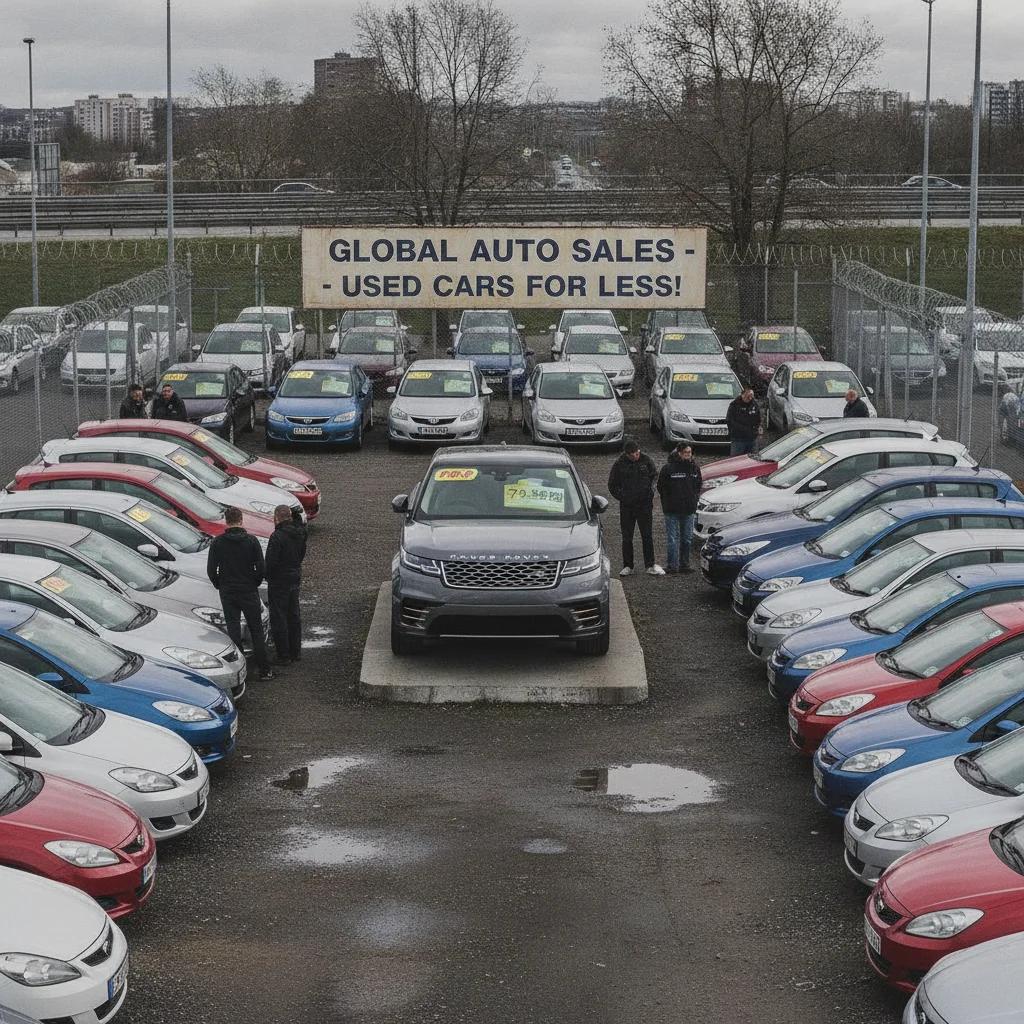
Reliability reputation compounds this further. Brands with strong reliability track records lose value more slowly because buyers trust them. Many luxury brands — particularly European manufacturers — carry higher-than-average ownership cost reputations, which makes used buyers price in a risk discount. Economy brands like Toyota and Honda benefit from the opposite effect: their reliability reputations expand the buyer pool and prop up used prices.
Not All Luxury Segments Depreciate Equally
Within the luxury category, small luxury crossovers and performance-oriented models tend to hold value better than large luxury sedans. Full-size luxury sedans — the BMW 7 Series, Mercedes S-Class, Cadillac CT6 — consistently rank among the fastest depreciating vehicles across all segments. If you're shopping luxury, segment selection matters as much as brand.
Ultra-Rare Luxury Cars Are a Different Category
Depreciation rules that apply to production luxury vehicles don't apply to ultra-limited or collectible models. Ferraris, certain Porsches, and rare AMG or M-division models can hold or gain value, driven by collector demand rather than market fundamentals. Don't confuse the outlier with the norm when planning a purchase around a typical luxury brand.
Ownership Costs and the Ripple Effect on Resale
Here's something many buyers overlook until they're on the wrong side of it: anticipated maintenance costs are baked into used-car pricing. Buyers aren't naive. They know a used luxury vehicle out of warranty means expensive oil changes, proprietary parts, and dealer-only service for some systems. That risk gets priced in — downward — at resale.
A 40,000-mile luxury SUV might need new brake rotors that cost three times what a mainstream model's rotors cost. The timing chain service, the air suspension rebuild, the electronics gremlins that only a brand-specific scanner can diagnose — these are known quantities in the used market, and sellers pay for them through reduced offers.
Economy cars benefit from widespread parts availability, lower-cost independent mechanic servicing, and well-documented maintenance procedures. That keeps ownership costs predictable and keeps used buyers willing to pay closer to market value without demanding a risk discount.
Brand, segment, and reliability reputation all shape how quickly any car loses value — and in the luxury segment, all three factors tend to accelerate the slide.
Exceptions: Luxury Cars That Buck the Trend
Not every luxury vehicle crumbles on the depreciation curve. A handful of brands and models consistently hold value at rates that rival or beat mainstream vehicles, and understanding why reveals the other side of the coin.
Porsche stands out as the clearest example. The 911, Cayenne, and Macan consistently retain 55–65% of their value at five years — performance that shames most mainstream competitors. The reasons: strong reliability reputation, a passionate and active enthusiast community that maintains demand, limited production runs on certain models, and a brand identity so distinct that buyers remain willing to pay premium used prices.
Land Rover Defenders, certain AMG Mercedes models with strong collector followings, and limited-edition sports cars from manufacturers like Ferrari and Lamborghini can actually appreciate. But these are outliers driven by exclusivity and collector demand, not the general luxury market experience.
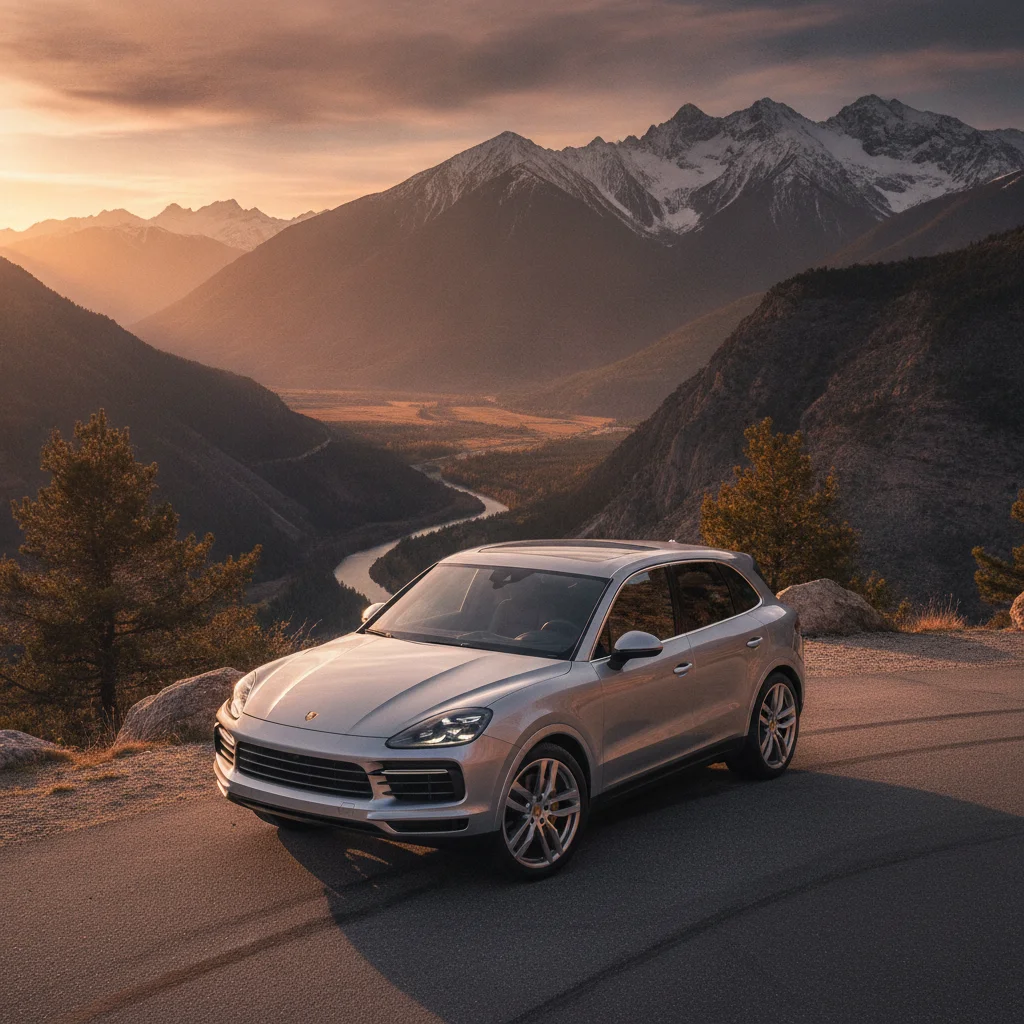
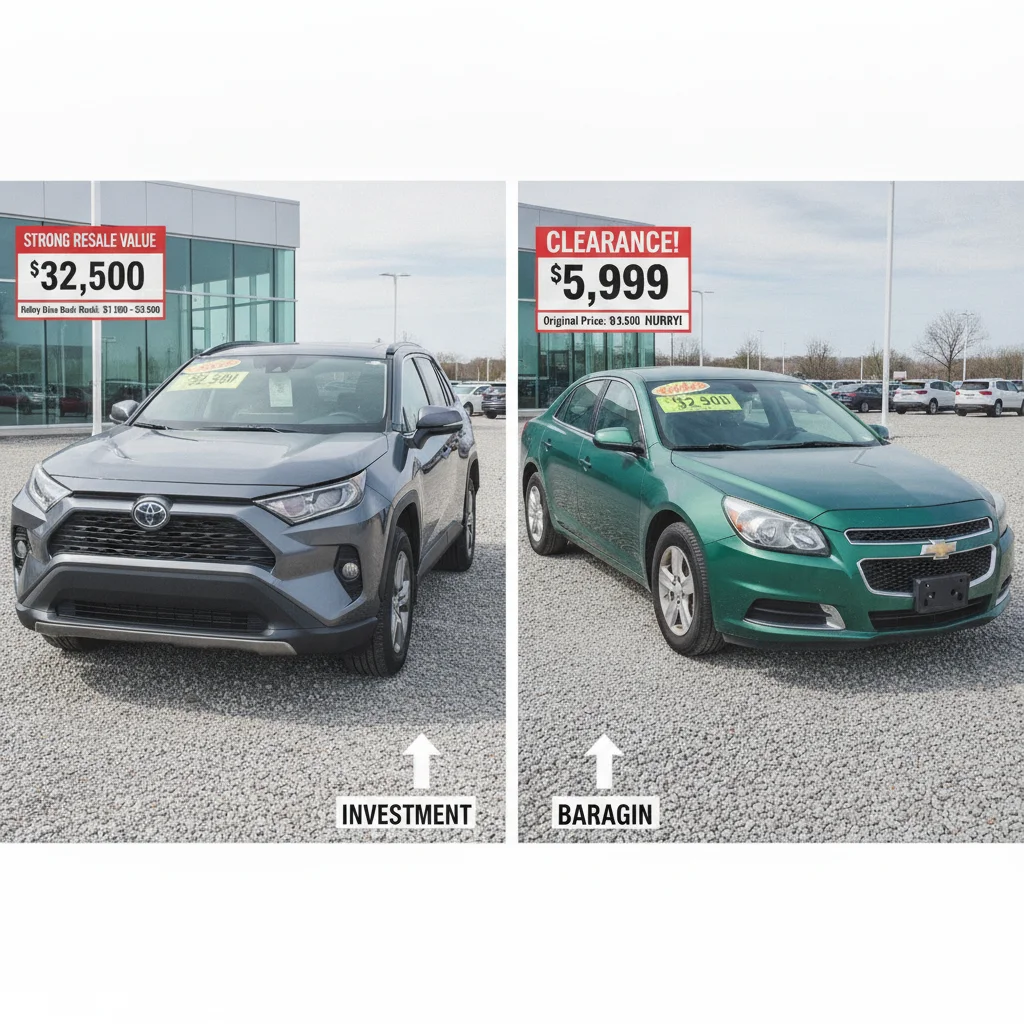
Comparing luxury and economy depreciation side by side shows that while luxury brands typically lose more, the exceptions are defined by reliability, community demand, and scarcity — not price alone.
Not All Luxury Segments Depreciate Equally
Within the luxury category, small luxury crossovers and performance-oriented models tend to hold value better than large luxury sedans. Full-size luxury sedans — the BMW 7 Series, Mercedes S-Class, Cadillac CT6 — consistently rank among the fastest depreciating vehicles across all segments. If you're shopping luxury, segment selection matters as much as brand.
Ultra-Rare Luxury Cars Are a Different Category
Depreciation rules that apply to production luxury vehicles don't apply to ultra-limited or collectible models. Ferraris, certain Porsches, and rare AMG or M-division models can hold or gain value, driven by collector demand rather than market fundamentals. Don't confuse the outlier with the norm when planning a purchase around a typical luxury brand.
How to Use This Knowledge When Buying or Selling
Understanding the depreciation curve is only useful if you act on it. Here's how to apply it at each stage of car ownership.
If You're Buying New
Go in knowing what you're signing up for. A new luxury vehicle purchase is a guaranteed rapid depreciation event. If you can comfortably absorb the loss and genuinely value the new-car experience, that's a legitimate choice — but it should be a deliberate one, not a surprise. Extend your loan term carefully: a 72-month loan on a fast-depreciating luxury car almost guarantees you'll be underwater for several years. Gap insurance is not optional here.
If You're Buying Used
The steepest luxury depreciation happens in years one through three. Buying a two- to three-year-old luxury vehicle at peak depreciation gives you access to premium features at a fraction of the original cost — if you can stomach the ownership costs and repair risks. Do your homework on reliability records and get a pre-purchase inspection from an independent mechanic who knows the brand.
If You're Selling
Timing matters. Seasonal and economic trends can shift sale prices meaningfully, and selling before a major service milestone (60k or 100k miles, timing chain interval, etc.) keeps the risk discount out of your buyer's mental calculation. The longer you hold a luxury vehicle past its warranty period, the more depreciation stacks up and the harder it is to recoup in sale price.
Time Your Luxury Purchase Right
The best time to buy a luxury vehicle is typically at the two-to-three-year mark, when the original owner has absorbed the steepest depreciation drop. Look for certified pre-owned programs from the manufacturer — they often extend warranty coverage and reduce your out-of-pocket risk on expensive repairs.
Sell Before the Major Service Clock Hits
Used buyers do their homework on service schedules. If your luxury vehicle is approaching a major maintenance milestone — timing chain, transfer case service, air suspension rebuild — selling before that service date (or completing it with documented receipts) keeps the risk discount off your sale price. Documented service history is one of the most powerful tools for protecting luxury resale value.
The depreciation curve is predictable. Use that predictability as a planning tool rather than a surprise on your trade-in paperwork.
The Bottom Line on Luxury Depreciation
Luxury cars depreciate faster for reasons that compound on each other: sky-high starting prices create enormous dollar losses, technology obsolescence shrinks feature premiums quickly, narrow buyer pools reduce demand, and high ownership costs make used buyers demand risk discounts. It's not one factor — it's all of them working together, consistently, across most premium segments.
None of this means luxury vehicles are bad purchases. It means they require clearer eyes about what you're spending and what you're getting back. A new luxury car is partly a consumption choice — you're paying for the experience — and partly a financial decision with predictable depreciation consequences.
If you know the curve, you can ride it to your advantage: sell before the steepest drops, buy used at peak value loss, and choose models with proven reliability that resist the worst of the slide. Understanding how age, mileage, and condition drive vehicle value is foundational to every smart car ownership decision — and in the luxury segment, the stakes are just higher.

All claims are backed by peer-reviewed research. Sources on request.