
Key Takeaways
Why Depreciation Myths Hit Your Wallet Hard
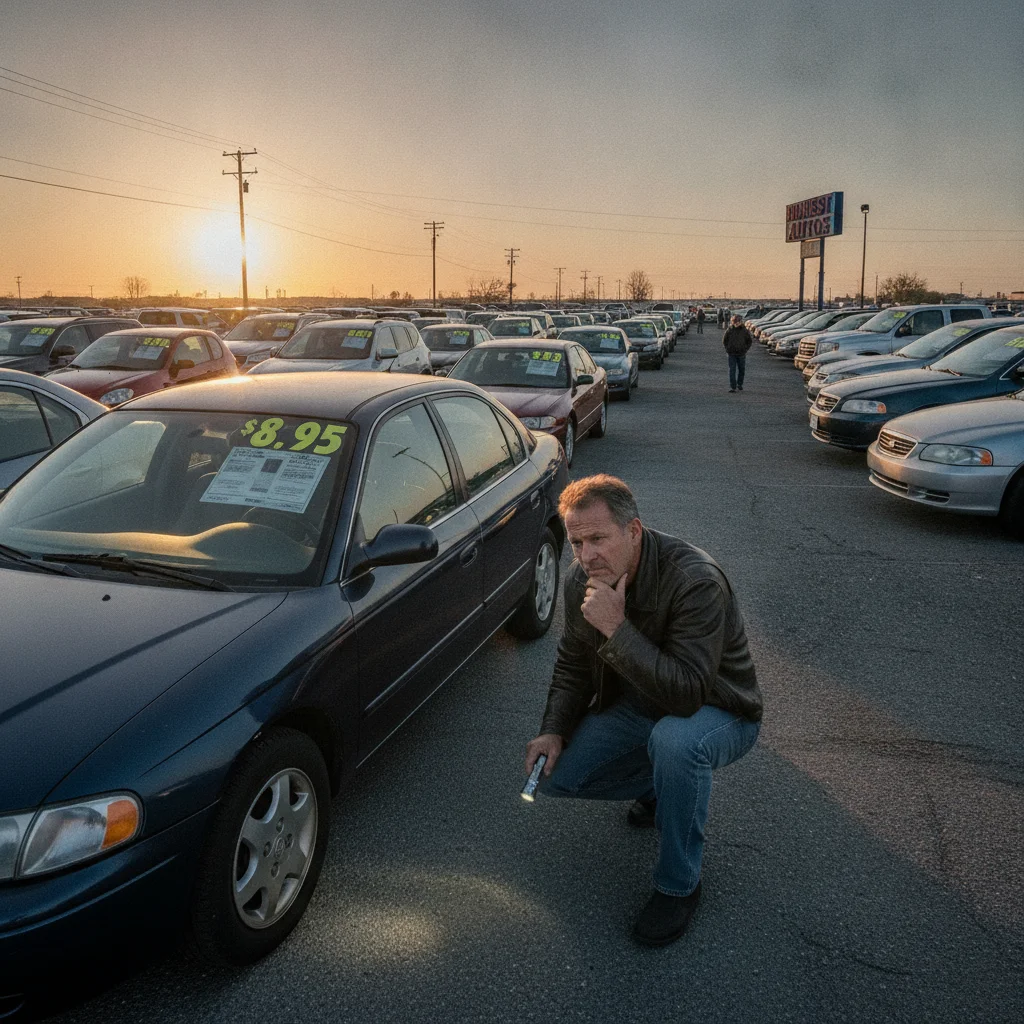
Depreciation is the single biggest cost most car owners never see coming. You're not writing a check for it every month, so it's easy to ignore — until the moment you trade in or sell and realize your car is worth thousands less than you expected. That gap between expectation and reality almost always traces back to a myth someone believed along the way.
I've seen it happen on both ends of the transaction. A buyer overpays for a "sure thing" that turns out to be a depreciation sinkhole. A seller underestimates what their car is actually worth because they think a quirky color killed the deal before it started. Good depreciation literacy doesn't just protect you from bad buys — it helps you sell smarter, too.
What follows are the most damaging misconceptions I hear repeated in shop waiting rooms, at dealerships, and all over online forums. Some of these myths cost people a few hundred dollars. Others cost them several thousand. Let's set the record straight.
For a broader look at how age, mileage, and condition interact to drive down value, the Depreciation Basics hub is worth bookmarking. And if you're also navigating the buy side, our piece on new car buying myths pairs well with what you'll read here.
The Myths — And What's Actually True
These aren't fringe beliefs. Most of the misconceptions below are repeated by otherwise savvy car shoppers, sometimes even by salespeople and finance managers who should know better. Work through each one carefully — there's a good chance at least two or three have quietly shaped decisions you've already made.
Myth
All new cars lose 20% of their value the moment you drive off the lot.
Fact
First-year depreciation varies significantly by make and model — some vehicles lose under 10% in year one, while others lose 25% or more.
The "20% the instant you leave the lot" figure gets repeated so often it feels like physics. It's not. It's a rough average that smooths over enormous variation between brands, models, and market conditions.
Vehicles with strong brand loyalty and constrained supply — think Toyota Tacoma, Honda CR-V, or Subaru Outback — routinely hold within 8–12% of MSRP after a full year of ownership. Meanwhile, large domestic sedans or certain domestic luxury SUVs can shed 20–25% in the same window because demand softens faster than supply does.
Manufacturer incentive programs also distort this calculation. If a model carries a $3,000 cash-back offer at the time you buy, the "true" market value at purchase is already below sticker. Your realized depreciation in year one may be much smaller than the headline number suggests.
The practical upshot: don't use this myth as a blanket reason to avoid new cars, and don't assume a used car at 12 months old is automatically a massive bargain. Research the specific model's depreciation curve before you assume anything.
Myth
Color doesn't really affect what your car is worth at resale.
Fact
Color is a documented factor in resale value — neutral and popular colors consistently command higher prices than unusual or unpopular shades.
This one gets dismissed because it feels superficial. But the data is consistent. iSeeCars and other automotive research firms have tracked transaction prices by color for years, and the pattern holds: white, black, silver, and gray dominate resale demand because they appeal to the widest pool of buyers. Unusual colors shrink your buyer pool, and a smaller buyer pool means less competition — which means lower offers.
Yellow, gold, purple, and certain greens tend to perform worst. Bright red and blue occupy a middle ground. Interestingly, some colors — like yellow on sports cars or trucks — actually outperform neutral shades in specific segments because they attract enthusiast buyers who actively seek them out.
The effect isn't dramatic on every transaction, but iSeeCars research has found that color can account for a difference of several hundred to over a thousand dollars at resale depending on the model and market. That's real money. Our full breakdown of color and resale value goes deeper on which shades consistently outperform and why.
The takeaway for buyers: if you're choosing between two similar trims and one comes in a less desirable color, factor that into your offer. For sellers: don't panic about color, but do factor it honestly into your pricing expectations.
Myth
Electric vehicles always depreciate faster than gas cars.
Fact
EV depreciation varies widely by brand and model — some EVs hold value as well or better than comparable gas vehicles.
This myth made more sense a few years ago. Early EVs — particularly some first-generation models with limited range and evolving battery technology — did depreciate sharply. But the landscape has shifted, and sweeping the entire EV segment with the same depreciation brush is now inaccurate and potentially costly.
Tesla's Model Y and Model 3 held value exceptionally well through much of 2021 and 2022, outperforming most comparable gas-powered crossovers. Rivian trucks command strong used prices among enthusiasts. Even some Hyundai IONIQ 5 and Kia EV6 models have posted competitive retained value figures.
That said, some EVs do depreciate aggressively — particularly those from brands with weaker charging infrastructure or shorter range. Federal tax credit eligibility also plays a role: if a used EV qualifies for the $4,000 used EV credit under the Inflation Reduction Act, that can actually support its resale floor rather than hurt it.
The variables that actually drive EV depreciation include battery range competitiveness, brand reputation, charging network access, software update support, and whether newer models have made the used version feel dated. Those are specific, researchable factors — not a blanket category penalty. Before you write off EVs as poor value holds, check the numbers for the specific model you're considering. The EV tax credit myths article is also useful context if you're shopping in this segment.
Myth
Low mileage always means high resale value.
Fact
Mileage is one factor among several — condition, service history, accident history, and market demand can outweigh odometer readings.
A 60,000-mile car that's been maintained meticulously will frequently outvalue an 18,000-mile car that sat in a garage for years without fluid changes, suffered deferred maintenance, or carries a salvage title. Buyers aren't just buying a number on the odometer — they're buying confidence that the car will perform reliably.
Low-mileage vehicles that have been sitting also carry specific mechanical risks: dry-rotted seals and hoses, degraded brake fluid, fuel system issues, and tire sidewall cracking that doesn't show up in a visual inspection. Savvy buyers and dealers know this, and they price accordingly.
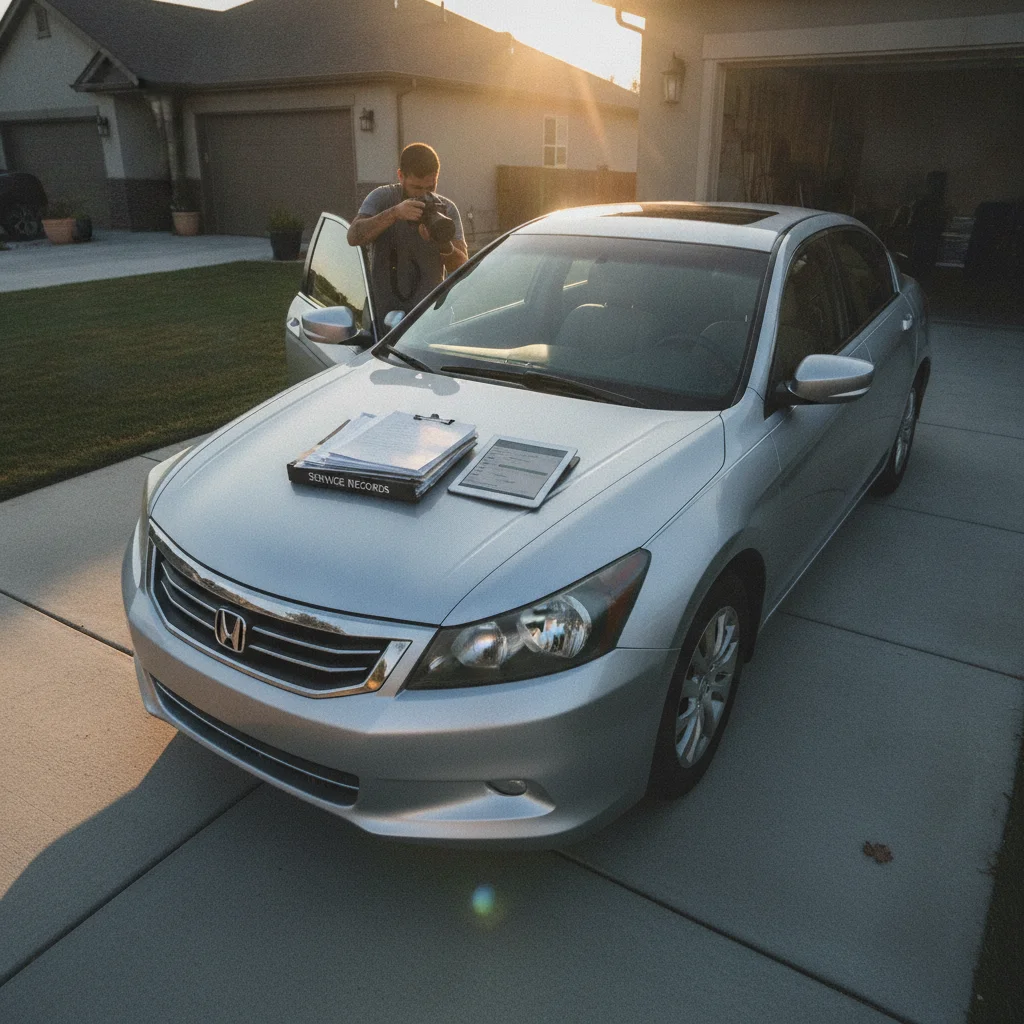
Service history documentation often matters more than mileage at certain price points. A vehicle with clear records of every oil change, timing belt replacement, and scheduled service gives a buyer confidence that mileage has been accumulated responsibly. A vehicle with no records and 25,000 miles creates uncertainty — and uncertainty depresses offers.
For sellers: don't lean too hard on low mileage as your primary pricing argument if you can't back it up with documentation. For buyers: don't pay a low-mileage premium without verifying what that mileage looked like in practice. Pull the Carfax, request service records, and have a trusted mechanic do a pre-purchase inspection regardless of how few miles show on the cluster.
Myth
Luxury cars are always terrible depreciation bets.
Fact
Some luxury vehicles hold value remarkably well — and in certain segments, they outperform mainstream brands over a five-year window.
The depreciation horror stories about luxury cars are real — but they tend to cluster in specific segments and brands. Mid-tier domestic luxury and certain European sedans with high maintenance costs and weak brand loyalty genuinely do suffer steep depreciation. But treating all luxury vehicles as depreciation disasters causes buyers to miss genuinely strong value holds.
Porsche consistently posts some of the best retained value numbers of any manufacturer, full stop. The 911 frequently holds 60–70% of its value after five years. Certain Lexus models outperform Toyota's mainstream lineup on resale because the brand carries a reliability premium that buyers will pay for. Land Rover is a cautionary tale on the opposite end — strong initial demand, brutal multi-year depreciation.
The pattern that actually predicts luxury depreciation: reliability reputation, cost of maintenance, and how quickly the brand refreshes or updates models. A luxury vehicle with predictable, manageable upkeep costs and a loyal buyer base holds value. One with expensive repairs and a buyer pool that constantly chases the newest features doesn't.
If you're considering a used luxury vehicle, the depreciation curve that hurt the first owner can be your gain — provided you've done honest due diligence on total cost of ownership, not just purchase price.
Myth
Adding aftermarket upgrades increases what your car is worth.
Fact
Most aftermarket modifications recover little to none of their cost at resale and often make a vehicle harder to sell.
I understand the impulse. You put $1,500 into a premium sound system or $2,000 into a lift kit, and it feels like you added value. You didn't — at least not market value. You added value for yourself, which is a legitimate reason to do it, but it's a different thing entirely.
The resale math works against most modifications. General buyers want a vehicle they can insure predictably, finance without complications, and use without worrying whether aftermarket parts voided a warranty or created liability. Non-stock vehicles trigger more hesitation, not more enthusiasm, in the average buyer.
There are narrow exceptions: factory-option packages that were available new (because they can be verified and valued using standard tools), mild tinting, and all-weather floor mats. These rarely hurt and can marginally help. But performance modifications, suspension lifts, aftermarket wheels, and cosmetic add-ons routinely cost sellers money relative to an unmodified comparable vehicle.
If you've already made modifications, the best approach is to disclose them clearly, be honest about the installation quality, and price the car against the unmodified market — then let the buyer decide if the upgrades are worth something to them. Don't build them into your floor price. For more context on what actually moves the needle at resale, see our depreciation myths for sellers.
Myth
A minor accident has no real impact on resale value if it's been properly repaired.
Fact
Even well-repaired accident damage creates a Carfax flag that measurably reduces what buyers will pay.
This one is painful because it feels unfair — and to some extent, it is. A minor fender-bender repaired at a quality body shop, with OEM parts and a clean repair, may leave the car in mechanically and cosmetically pristine condition. But the moment that accident shows up on a vehicle history report, a portion of the buyer pool walks away or discounts their offer.
Research from Carfax itself estimates that accident history can reduce a vehicle's private-party value by 10–25% depending on severity, vehicle age, and buyer sensitivity in that market segment. Luxury vehicles and lower-mileage cars tend to take larger percentage hits because buyers in those segments are particularly risk-averse.
For buyers: this is actually useful information. A vehicle with a documented minor accident and clean repair can represent real value if you're comfortable with the history — but make sure you have an independent mechanic verify the repair quality before you pay anything close to a clean-title price.
For sellers: you cannot hide accident history on modern vehicles. Between Carfax, AutoCheck, and NMVTIS records, buyers have more transparency than ever. Price the vehicle honestly from the start — it builds trust and usually results in a faster, cleaner transaction than a price that gets negotiated down after a history report surfaces.
49%
Average 5-year depreciation for new cars
According to iSeeCars analysis of over 8 million vehicle transactions, the average new car loses roughly half its value within five years of purchase.
10–25%
Resale value reduction from accident history
Carfax research indicates that even minor documented accidents can reduce a vehicle's resale value by 10–25% compared to a clean-title equivalent.
$1,500+
Color's potential impact on resale price
iSeeCars multi-year transaction data shows that color can account for more than $1,500 in resale value difference for the same model, depending on market demand.
63%
Porsche 911 retained value at 5 years
Kelley Blue Book and Edmunds residual data consistently rank the Porsche 911 among the top retained-value vehicles across all segments.
Year 1–3
Steepest depreciation window for most vehicles
Most vehicles experience their sharpest decline in the first three years of ownership, making this the highest-risk window to buy new and the best window to buy used.
How to Use This Knowledge When Buying
Understanding depreciation curves isn't just useful for sellers — it's arguably more valuable for buyers. The smartest purchase decisions account for what a vehicle will be worth in three to five years, not just what it costs today.
Target the Steepest Part of Someone Else's Curve
The well-documented first-year or two-year depreciation window on new vehicles is your opportunity as a used buyer. A certified pre-owned vehicle with 18,000 miles might retail for 15–20% less than its new sticker while carrying much of the same warranty coverage. That's real money back in your pocket.
Don't Mistake CPO for Immunity from Depreciation
Certified pre-owned programs offer real benefits — extended warranties, inspection standards, sometimes better financing rates. But CPO vehicles still follow depreciation curves, and the CPO premium you pay at purchase doesn't insulate you from future value loss. Shop CPO for the coverage benefits, not as a hedge against depreciation. Always compare the CPO price against what a non-CPO equivalent is selling for privately before you commit.
Watch Out for Flood and Branded Titles
Flood-damaged and salvage-titled vehicles often appear at prices that seem to reflect a reasonable depreciation discount. They don't. The value reduction for branded titles is steep and permanent — these vehicles are difficult to insure, difficult to finance, and difficult to resell. If a price seems dramatically below market, run the VIN through the National Motor Vehicle Title Information System (NMVTIS) before getting emotionally invested in the deal.
Research Residual Values Before You Sign
If you're leasing, residual value is everything — it's what determines your monthly payment. Brands with strong residuals (Toyota, Honda, Subaru, certain BMW and Porsche lines) often deliver lower lease payments than you'd expect. Brands with weak residuals hit you twice: higher depreciation if you buy, worse lease terms if you don't.
Valuation tools like KBB and Edmunds let you look up historical transaction data and current market demand. Use them before you negotiate, not after.
Don't Let Myths Steer You Toward the Wrong Segment
If you've been avoiding used luxury cars because you assumed they'd destroy your budget in depreciation losses, or avoiding EVs because you assumed the battery would crater the value, you may have been ruling out solid options. Use actual data — not received wisdom — to set your shortlist.
Also worth a read: our used car myths guide covers several related misconceptions that trip up shoppers on the lot.

How to Use This Knowledge When Selling
Sellers who understand depreciation don't just price more accurately — they time the market better, prep the right things, and avoid the negotiating mistakes that shave money off their final number.
Sell Before the Cliff, Not After
Most vehicles hit their steepest depreciation in years one through three and again around the 100,000-mile mark. If you're approaching either threshold, selling before you cross it — rather than after — can make a measurable difference. A car with 94,000 miles on it commands noticeably more than one with 102,000 miles, even if the mechanical condition is identical.
Know What You Actually Have
Run your VIN through multiple valuation tools to get a realistic range. KBB and Edmunds often diverge by a few hundred to a few thousand dollars depending on the model and region. Use both, then check recent sold listings on private-party platforms to see what the market is actually clearing at — not just what sellers are asking.
If you're trading in at a dealership, read up on trade-in value myths before you walk in. Several of those misconceptions overlap directly with depreciation misunderstandings and can cost you negotiating leverage.
Address the Things That Actually Move the Needle
A full detail job won't swing your resale by $2,000 — but a clean Carfax, documentation of regular oil changes, and working HVAC absolutely can. Buyers are pricing in risk. Give them less reason to discount your car and you protect more of its value. That's a better use of your prep time than obsessing over whether you picked the wrong color five years ago.

Depreciation Is a Buying Tool, Not Just a Selling Problem
Most buyers think of depreciation as something that happens to them after purchase. Flip that perspective: depreciation is the mechanism that creates value in the used car market for you as a buyer. The first owner's steepest loss years are your opportunity to enter at a better price point. Understanding which models depreciate predictably — and which tank unpredictably — is one of the highest-value skills you can bring to any car transaction.
The Bottom Line on Depreciation
Depreciation isn't some unknowable force. It follows patterns — patterns that researchers, dealers, and auction houses track carefully. The problem is that the simplified version of those patterns gets passed around as folk wisdom until it hardens into myth. And myths cost money.
The core truth is this: depreciation is driven by demand. Brands, models, colors, drivetrains, and mileage milestones that people want to buy hold value. Everything else softens faster. Your job as a buyer or seller is to understand what the market actually wants in your region and price tier — and make decisions based on that, not on what your neighbor told you in the driveway.
If you want to go deeper, our Depreciation Basics hub covers the mechanics in more detail, and the seller-specific depreciation myths article zeroes in on pricing mistakes that happen at the point of sale. Read them in combination and you'll walk into your next transaction better equipped than 90% of the people across the table from you.

All claims are backed by peer-reviewed research. Sources on request.