Key Takeaways
Why the Number on Your Check Doesn't Match Your Expectations
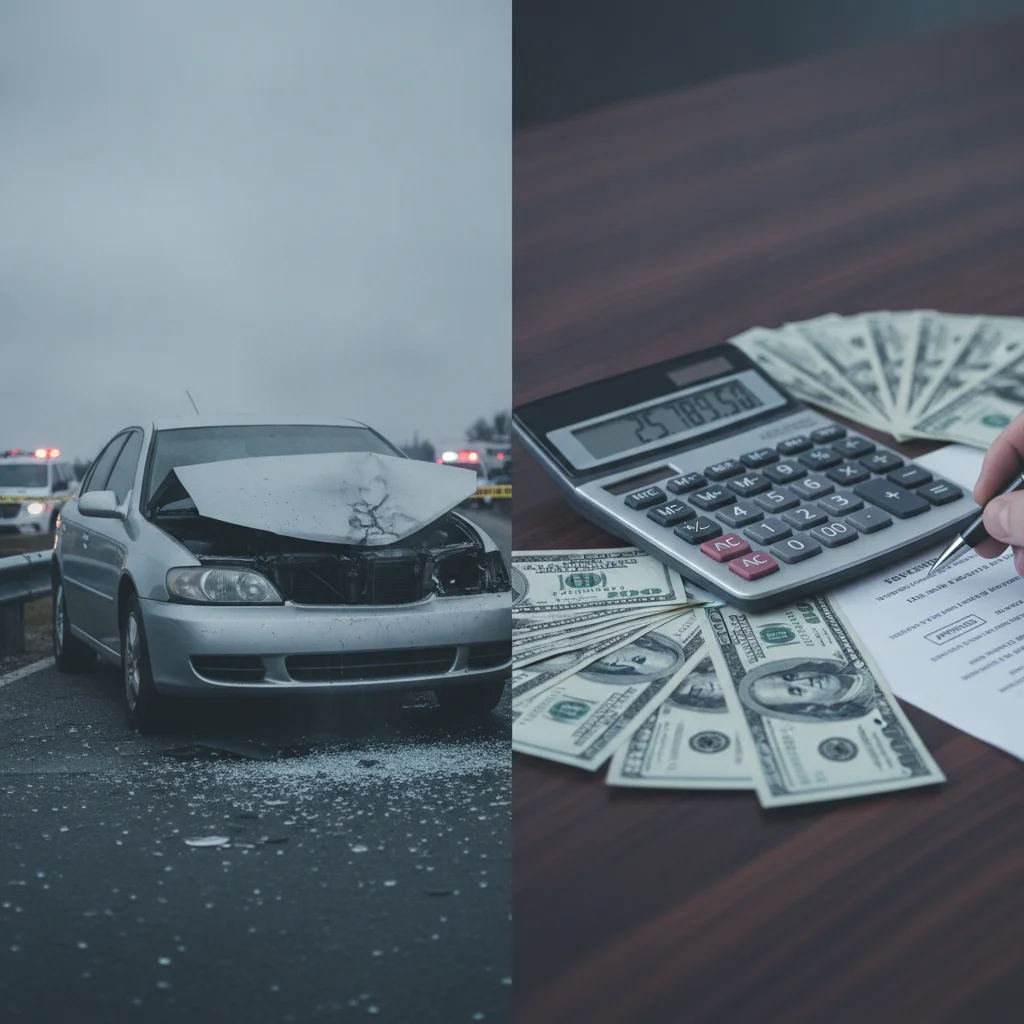
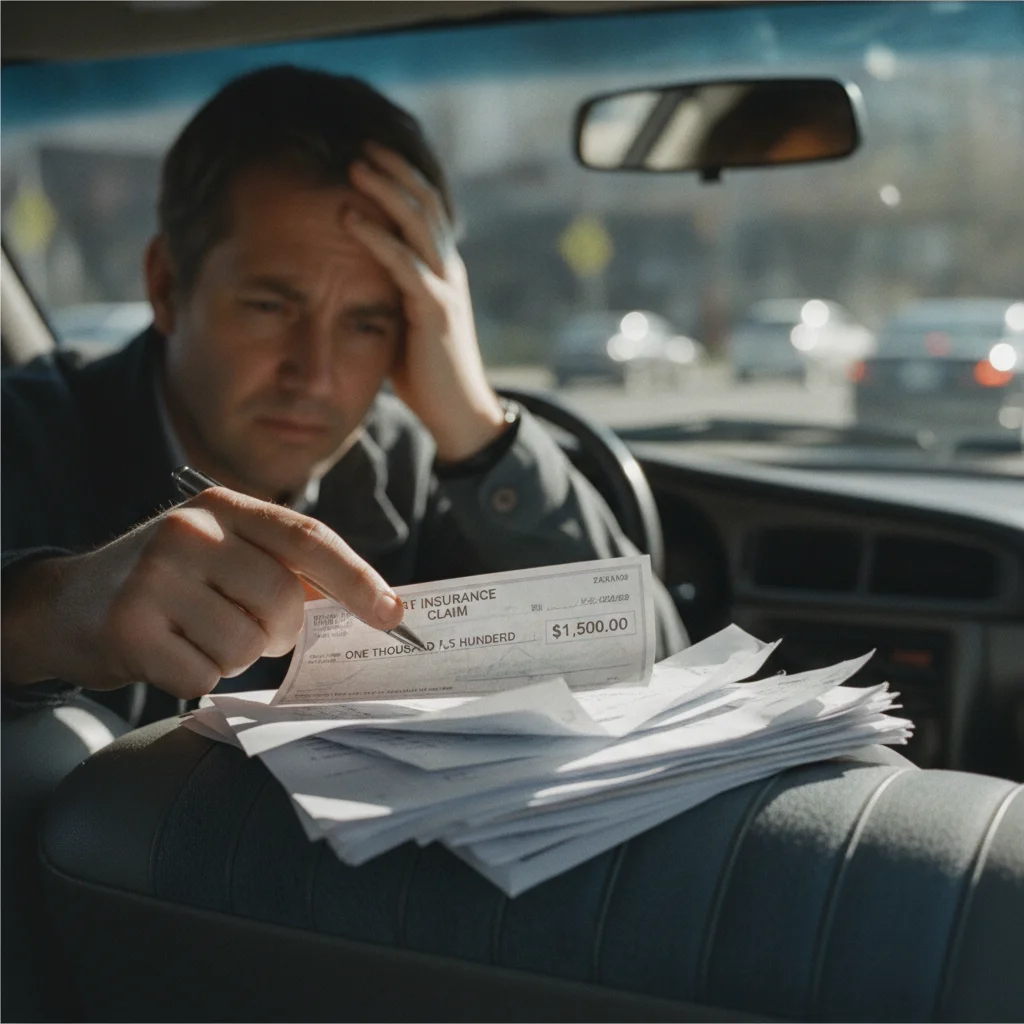
You filed your claim, waited through the process, and then the check arrived — and it was smaller than you expected. Maybe significantly smaller. That gap between what you thought you'd receive and what you actually got is one of the most common frustrations drivers face after an accident or loss.
Here's the reassuring part: the shortfall is almost always explainable. It isn't arbitrary, and in many cases it was locked in long before the incident happened — by decisions you made when you first set up your policy. Understanding why the payout came in low is the first step to either accepting it with clarity or challenging it with confidence.
This article walks through the most common mistakes drivers make that lead to lower-than-expected settlements, why those mistakes happen, and what you can do about them — both now and the next time you set up or renew a policy.
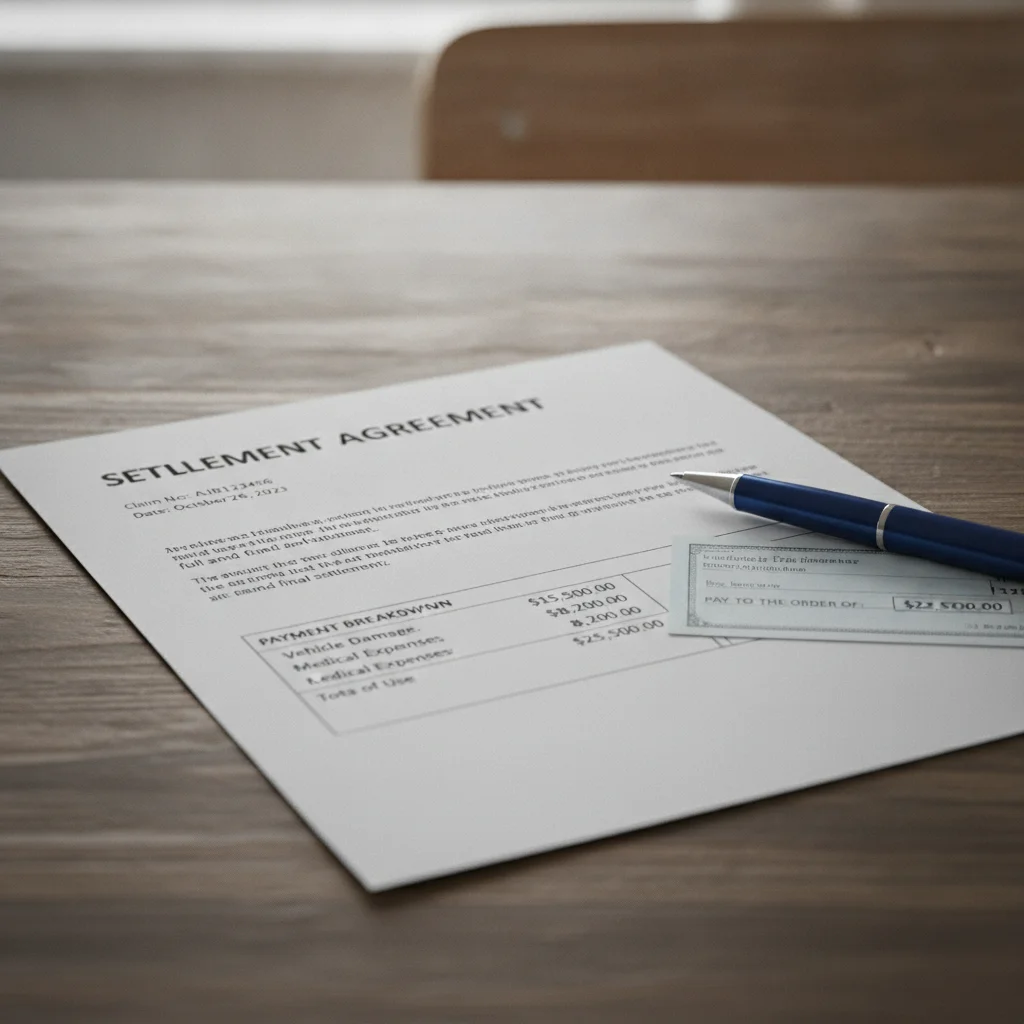
It's also worth knowing that the math behind your settlement isn't mysterious. The insurer starts with the value of your vehicle or repair, subtracts your deductible, applies any depreciation formula your policy uses, and checks the result against your coverage limits. Each of those steps is a potential place where money can be lost. Once you understand each one, the number on your check starts to make sense — even if it still stings.
The Most Common Mistakes That Reduce Your Claim Payout
Most drivers who receive a low settlement can trace it back to one or more of the mistakes below. Some are policy decisions made months or years before the claim. Others happen during the claim process itself. All of them are avoidable.
Choosing a high deductible without planning for out-of-pocket costs at claim time.
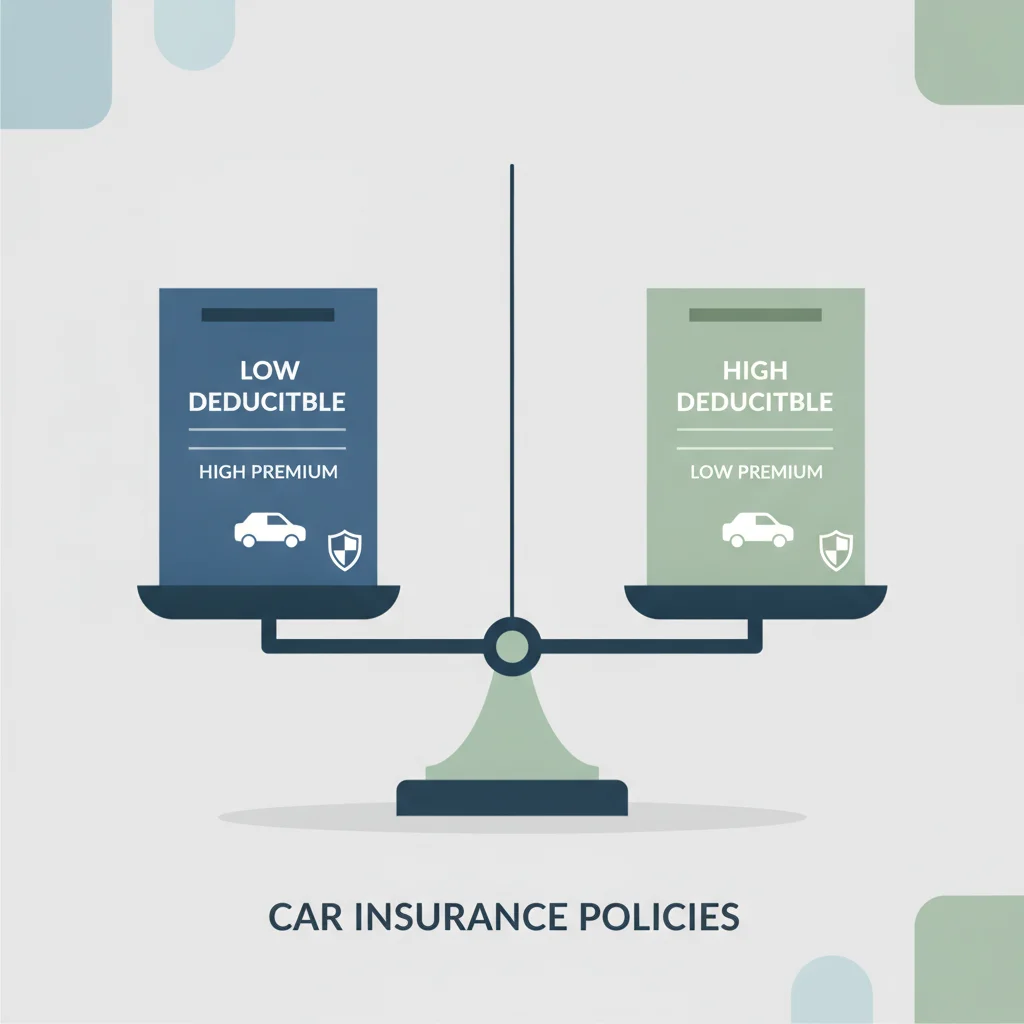
Why it happens: Drivers often select the highest deductible available to reduce their premium without mentally preparing for what that means when a claim is filed.
Assuming the insurer will pay what the car is worth to you, rather than its market value.
Why it happens: Most drivers think of their car's value in terms of what they paid, what they owe, or what it would cost to replace it — not what the open market says it's worth today.
Failing to document the vehicle's condition before a loss occurs.
Why it happens: Most people don't think about documenting their car until after something goes wrong — by which point the evidence no longer exists.
Dropping coverage types — like comprehensive — to save money, then being surprised when a loss isn't covered.
Why it happens: Coverage that feels unnecessary during calm periods (theft, weather, animal strikes) is easy to drop. The risk only becomes visible after an uncovered event.
Accepting the first settlement offer without reviewing or disputing it.
Why it happens: The claims process is stressful, and many drivers want it over quickly. An official-looking check feels final, even when it isn't.
Not accounting for the gap between the loan balance and the vehicle's actual cash value.
Why it happens: Cars depreciate faster than loan balances are paid down in the early years. Drivers assume insurance will cover the full loan payoff — but standard policies only cover ACV.
If you're already in the middle of a claim and feel the offer is too low, learn how to negotiate a higher settlement before you sign anything. The first number the insurer gives you is not necessarily the final one.
Don't Sign the Release Before You're Ready
Once you accept a settlement and sign the release form, you typically waive your right to pursue additional compensation for that claim. Don't let urgency or pressure push you into signing before you've had a chance to review the calculation, compare it to your own research, and ask any questions you have. Take the time you need — it's your right.
Gap Insurance Doesn't Automatically Come With Your Policy
Many drivers assume gap coverage is bundled into their standard auto policy. It almost never is. If you financed or leased your vehicle and it's totaled in an accident, your insurer will pay ACV — which may be thousands less than your remaining loan balance. Check your policy documents and add gap coverage if you're still in the early years of a loan.
How Depreciation Quietly Erodes Your Payout
Of all the factors that shrink a claim payout, depreciation is the one that catches drivers most off guard. Most people understand intellectually that cars lose value over time. But when you're staring at a settlement check, it can feel like the insurer is penalizing you for something that wasn't your fault.

Here's how it works in practice: when your insurer settles a physical damage claim, they typically pay actual cash value (ACV) — which is what your car was worth on the open market at the moment of the loss, not what you paid for it, not what it would cost to buy the same car new today, and not what your loan balance says you owe. The ACV of a three-year-old vehicle with 45,000 miles on it could easily be 40–50% less than its original purchase price.
The distinction between ACV and replacement cost coverage is one of the most important things to understand about your policy. Actual cash value vs. replacement cost in collision and comprehensive claims explains the difference in detail and can help you decide whether an upgrade to your coverage makes sense.
~20%
Average first-year vehicle depreciation
According to Edmunds, most new vehicles lose roughly 20% of their value in the first year alone, with cumulative depreciation reaching 40–60% by year five.
$1,000–$2,000
Typical deductible range for collision coverage
Industry data shows that most drivers carry collision deductibles in the $500–$2,000 range, with higher deductibles increasingly common as drivers seek lower premiums.
63%
Drivers who don't review their policy annually
A 2023 survey by J.D. Power found that a majority of auto insurance customers hadn't reviewed their coverage details in the past year, increasing the likelihood of coverage surprises at claim time.
If you want to understand how age, mileage, and condition compound to drive down your car's market value even further, depreciation basics is a useful place to start. Knowing where your car stands on the depreciation curve before a loss helps you set realistic expectations for any potential settlement.
ACV Is Not What You Paid — Know the Difference
The single most important thing to understand before filing a claim is that standard auto insurance pays actual cash value, not replacement cost. ACV is calculated as the cost to replace your vehicle minus depreciation — and for a car that's three or more years old, that gap can be substantial. If your policy doesn't include replacement cost coverage or a new car replacement endorsement, your payout will reflect the car's market value at the time of loss, not what it would cost you to buy the equivalent vehicle today.
Diminished Value Is a Real, Recoverable Loss
If your vehicle was repaired after an accident, it likely carries a lower resale value than before the loss — even if the repairs were done perfectly. This difference is called diminished value, and in many states you can file a claim to recover it, particularly if the other driver was at fault. Most drivers never pursue this because they don't know it's an option. Before you close out your claim, find out whether diminished value applies to your situation.
Policy Structure Decisions That Cost You at Claim Time
A lot of what determines your payout was decided the day you bought your policy — sometimes without fully understanding the downstream consequences. These structural decisions affect how much you'll actually receive when it matters most.
Your Deductible Is Always Subtracted First
If you chose a $1,500 deductible to lower your monthly premium, that $1,500 comes out of every claim you file — no exceptions. On a $4,200 repair, you'd net $2,700. That's a significant reduction, and it surprises many drivers who didn't internalize the real-world math when they selected the deductible. How your deductible choice shapes your policy's real value can help you evaluate whether the premium savings you earned were actually worth the out-of-pocket exposure you accepted.
Coverage Gaps You Didn't Know You Had
Dropping comprehensive coverage, skipping gap insurance on a new car loan, or carrying only the state minimum liability limits can all result in situations where damage exists but your policy simply doesn't cover it. Common physical damage mistakes that leave drivers underinsured outlines the coverage decisions that most often lead to painful shortfalls after a loss.
Policy Limits Cap the Maximum You Can Receive
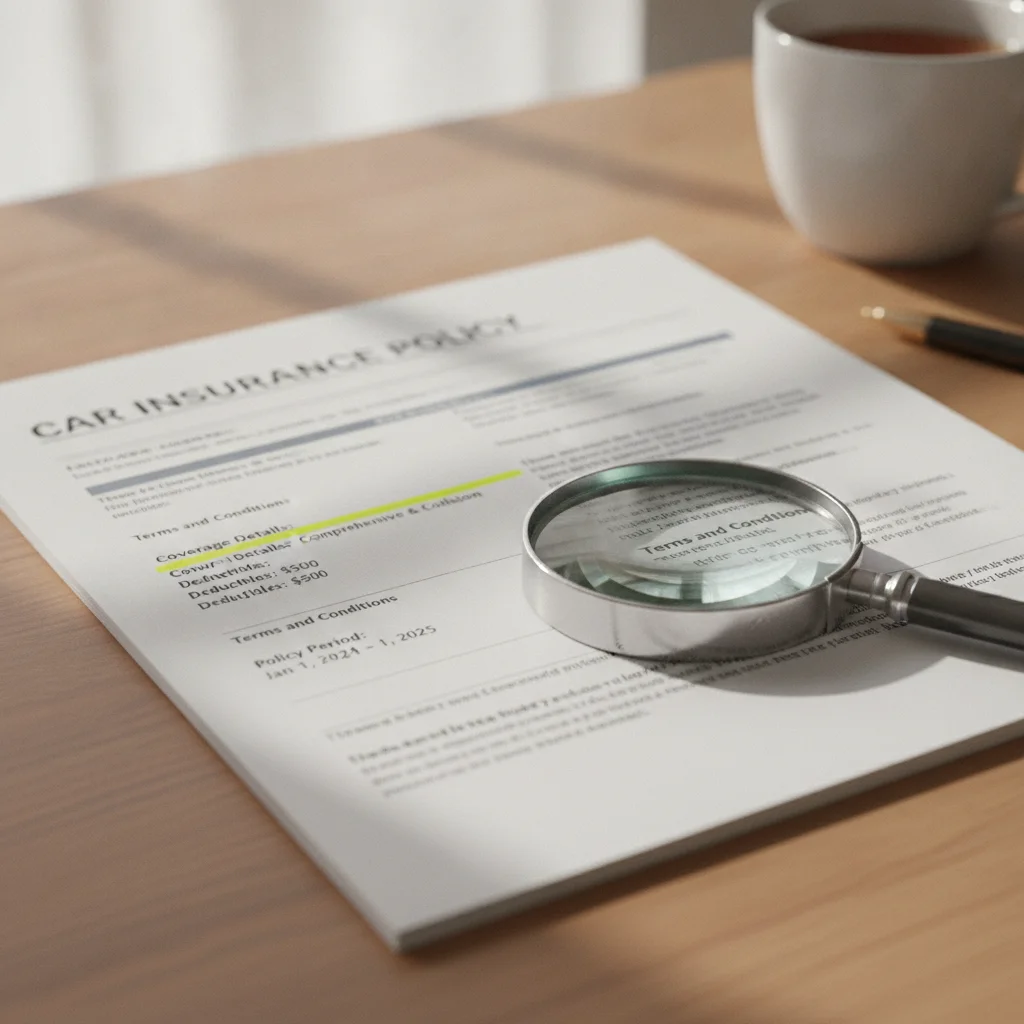
Every coverage type on your policy has a limit — the maximum the insurer will pay regardless of the actual loss amount. If your vehicle's repair cost exceeds your collision limit, or if medical bills exceed your personal injury protection cap, the excess comes out of your own pocket. Reviewing your limits annually, especially after purchasing a new or more expensive vehicle, is one of the simplest ways to avoid this scenario.
What Happens During the Adjuster's Evaluation
Even drivers who have solid coverage and a reasonable deductible sometimes walk away from a claim feeling like the adjuster undervalued their loss. Understanding what adjusters actually do — and what they look for — helps you engage with the process more effectively rather than simply accepting the first number presented.
Adjusters use a combination of standardized valuation tools, local market comparisons, and inspection findings to arrive at a settlement figure. The way your vehicle was documented before the loss, the repair estimates provided, and whether you raise specific concerns during the process all influence the final number. How insurance adjusters evaluate your claim breaks down exactly what they're looking for and how you can make sure your loss is represented accurately.
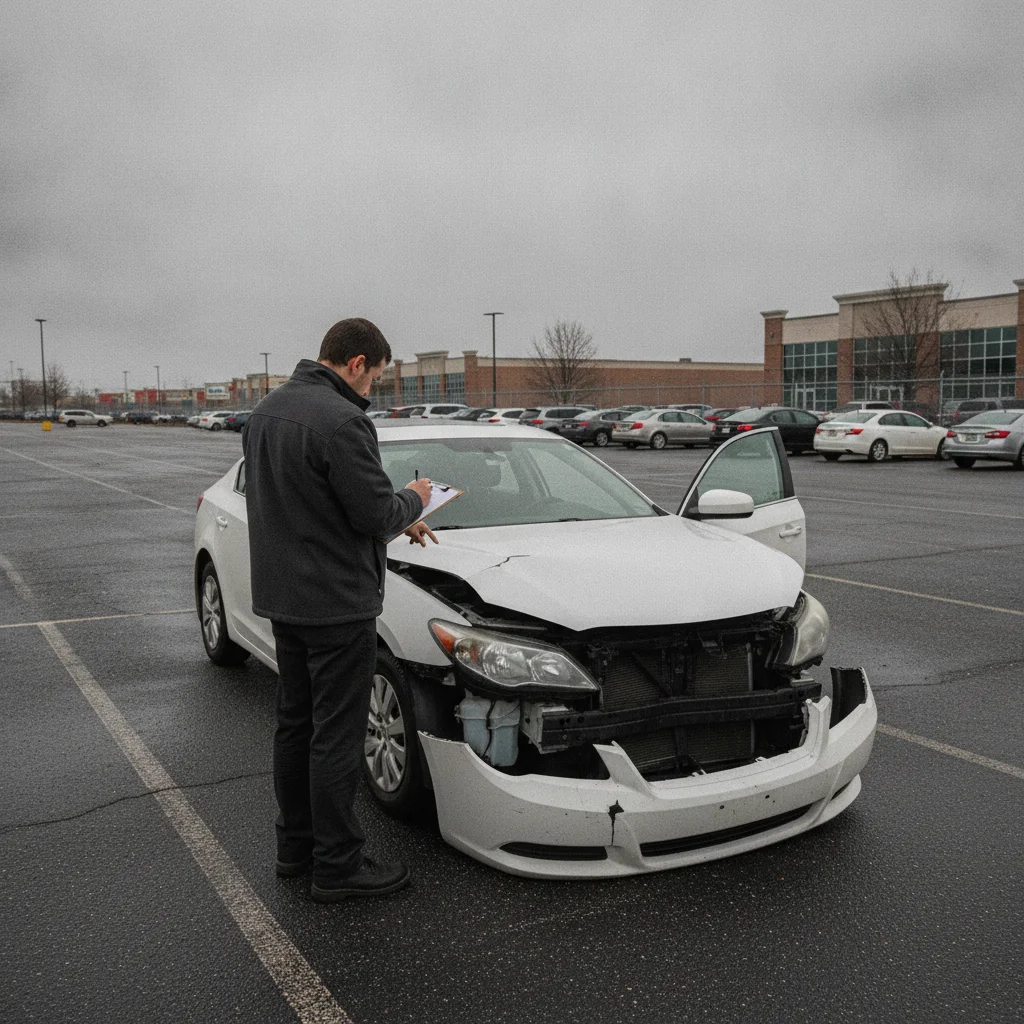
One thing many drivers don't realize: even after a vehicle is fully repaired, it may carry a lower market value than before the accident simply because of its repair history. This is a real, quantifiable loss called diminished value — and in some states and circumstances, you may be able to file a separate claim to recover it. What a diminished value claim is and whether you qualify explains who's eligible and how to pursue it.
ACV Is Not What You Paid — Know the Difference
The single most important thing to understand before filing a claim is that standard auto insurance pays actual cash value, not replacement cost. ACV is calculated as the cost to replace your vehicle minus depreciation — and for a car that's three or more years old, that gap can be substantial. If your policy doesn't include replacement cost coverage or a new car replacement endorsement, your payout will reflect the car's market value at the time of loss, not what it would cost you to buy the equivalent vehicle today.
Diminished Value Is a Real, Recoverable Loss
If your vehicle was repaired after an accident, it likely carries a lower resale value than before the loss — even if the repairs were done perfectly. This difference is called diminished value, and in many states you can file a claim to recover it, particularly if the other driver was at fault. Most drivers never pursue this because they don't know it's an option. Before you close out your claim, find out whether diminished value applies to your situation.
What to Do If Your Payout Still Feels Wrong
If you've walked through every factor — depreciation, deductible, coverage limits, adjuster methodology — and the number still doesn't add up, you don't have to accept it as final. You have the right to dispute a settlement offer, request a re-inspection, submit your own repair estimates, or engage a public adjuster to represent your interests.
Here's a straightforward approach:
- Request a written explanation of how the settlement figure was calculated, including what valuation tools were used and what comparable vehicles were referenced.
- Gather your own evidence — independent repair estimates, local listings for comparable vehicles, photos documenting the vehicle's pre-loss condition, and records of any recent improvements or maintenance.
- Submit a formal dispute in writing, citing specific discrepancies between the insurer's valuation and your evidence. Be factual and precise.
- Consider a public adjuster or attorney if the gap is significant and the insurer is unresponsive. Public adjusters work on your behalf and are paid a percentage of any additional settlement they recover.
Negotiating a higher settlement with your auto insurer provides a more detailed roadmap, including the specific language and evidence types that tend to move the needle in these conversations.
The most important thing to remember is that settling a claim is, in many ways, a negotiation — and you're entitled to participate in it fully. A calm, evidence-based approach almost always produces better results than frustration alone.

All claims are backed by peer-reviewed research. Sources on request.