Key Takeaways
Used Car Market
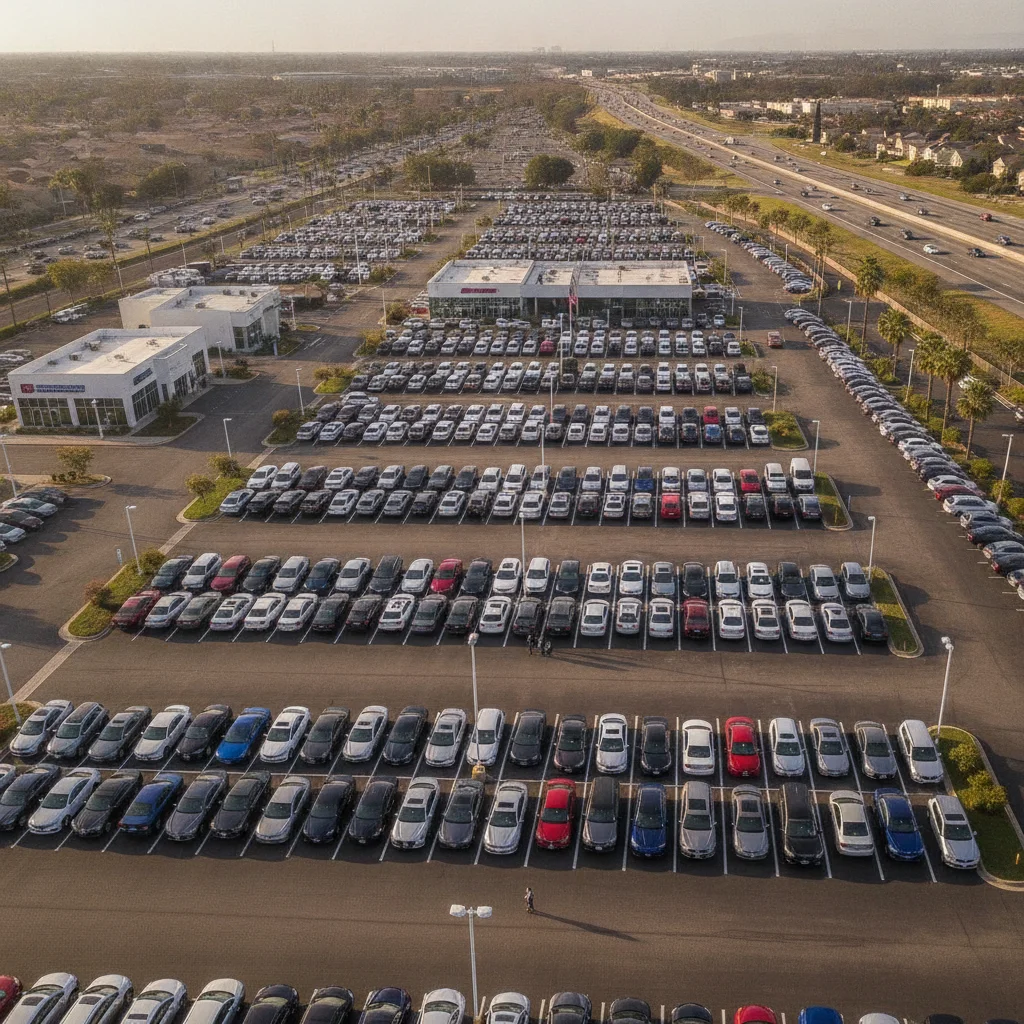
The used car market is the ecosystem of buyers, sellers, and pricing that surrounds pre-owned vehicles. Prices are not fixed — they move up and down based on how many cars are available (supply) and how many people want to buy them (demand). Understanding how these forces interact helps you know whether the sticker price you're looking at reflects reality or opportunity.
Unlike new car pricing, which is anchored to manufacturer MSRP, used car values are market-derived — meaning they reflect what comparable vehicles actually sold for, not what dealers or sellers wish they could get.
What Actually Sets a Used Car's Price
Walk onto any used car lot and you'll see sticker prices that can feel arbitrary. One 2019 Honda CR-V asks $24,500; another, nearly identical, sits at $21,800. The difference isn't random — it's the result of several overlapping market signals that dealers, private sellers, and savvy buyers all respond to.
Used car pricing comes down to three core factors working simultaneously:
- Market supply — how many similar vehicles are available for sale right now
- Market demand — how many buyers are actively shopping for that type of vehicle
- Vehicle-specific condition — mileage, accident history, trim level, and mechanical state
When supply is tight and demand is strong, sellers hold the advantage. When inventory builds up and buyer interest cools, the balance tips toward buyers. Most of the time, the market sits somewhere in between — and that's where your negotiating room lives.

Valuation tools like Kelley Blue Book and Edmunds aggregate recent transaction data to estimate what a given vehicle is actually worth in the current market. These aren't opinions — they're models built on what buyers actually paid. The valuation tools hub walks through how to use these tools effectively and what their outputs really mean.
Valuation Tools Show Ranges, Not Fixed Prices
KBB and Edmunds outputs represent ranges based on recent transaction data — they are not appraisals and not guarantees. The "fair market range" accounts for regional variation, condition differences, and normal negotiating spread. A vehicle priced within the range isn't automatically a good deal; it just means the seller is in the right neighborhood. Your job is to determine where within that range the specific vehicle belongs based on its actual condition and local demand.
Private Party vs. Dealer Prices Are Different Markets
Valuation tools distinguish between dealer retail price and private party value — typically a $500–$2,500 difference depending on vehicle age and segment. Dealers carry overhead (reconditioning, warranty, finance department) that private sellers don't. If you're comparing a dealer listing to a private party Craigslist posting, make sure you're using the right baseline for each context.
Supply Shocks: When the Market Gets Disrupted
The used car market demonstrated just how violently supply shocks can move prices during the COVID-19 pandemic. Here's what happened, and why it matters for understanding how the market works going forward.
The Semiconductor Shortage Cascade
Starting in 2021, a global shortage of semiconductor chips caused automakers to slash new vehicle production dramatically. Fewer new cars entering the market meant fewer trade-ins feeding the used car pipeline. At the same time, rental car companies — which had sold off large portions of their fleets in 2020 — were buying aggressively to restock, competing directly with retail buyers.
37%
Used car price increase from 2019 to 2022 peak
According to Manheim's Used Vehicle Value Index, average wholesale used car prices rose roughly 37% between pre-pandemic levels and their mid-2021 peak.
~2.6M
New vehicles lost to chip shortage annually
AutoForecast Solutions estimated that semiconductor shortages reduced global new vehicle production by approximately 2.6 million units in 2021 alone, directly constraining used car supply.
10–25%
Typical price discount for accident-history vehicles
Industry data from CarFax and NADA show that vehicles with reported accidents typically sell at a 10–25% discount compared to clean-history equivalents, depending on damage severity.
30+ days
Days on market signaling negotiating opportunity
CarGurus market analysis indicates that listings sitting beyond 30 days in normal market conditions are significantly more likely to accept below-asking offers from buyers.
$0.06–$0.12
Estimated price adjustment per mile above/below average
Valuation models from KBB and Edmunds apply roughly 6 to 12 cents per mile as an adjustment factor for mileage deviating from the 12,000–15,000 miles/year average, varying by vehicle age and segment.
The result: used car prices hit prices that, in some cases, exceeded the original new car MSRP for certain popular models. A used 2020 Toyota Tacoma with 30,000 miles was legitimately selling for more than a brand-new 2022 Tacoma would have cost before the shortage — if you could find one.
Why Supply Takes Time to Recover
Used car supply doesn't respond quickly to demand signals the way a factory might. Vehicles age into the used market on a timeline set by consumer ownership cycles, fleet liquidations, and lease returns. When the new car pipeline gets disrupted, the 2–3 year lag before those vehicles would normally flow into the used market means shortages can persist for years, not months.
This is why understanding supply dynamics — not just current prices — helps you anticipate where the market is headed rather than just reacting to today's sticker prices.
Demand Drivers: What Makes Buyers Show Up
Supply tells half the story. Demand completes it. Several predictable forces drive used car demand up or down at any given time.
Interest Rates and Financing Costs
When auto loan rates rise sharply — as they did in 2022 and 2023 — total purchase affordability drops. A buyer who could comfortably finance a $30,000 vehicle at 4% might only qualify for $24,000 at 8%. This pushes demand toward lower-priced used vehicles, which raises prices in those segments even as high-end used car prices soften.
Fuel Prices and Vehicle Type Preferences
Gas prices above $4.00 reliably shift buyer interest toward fuel-efficient sedans and hybrids and away from large SUVs and trucks. The opposite happens when gas is cheap — truck and SUV demand surges. This shift is fast and measurable: within weeks of a major fuel price move, CarGurus and similar platforms show changes in days-on-market for affected vehicle types.
Seasonal Demand Patterns
Seasonal demand is predictable enough to plan around:
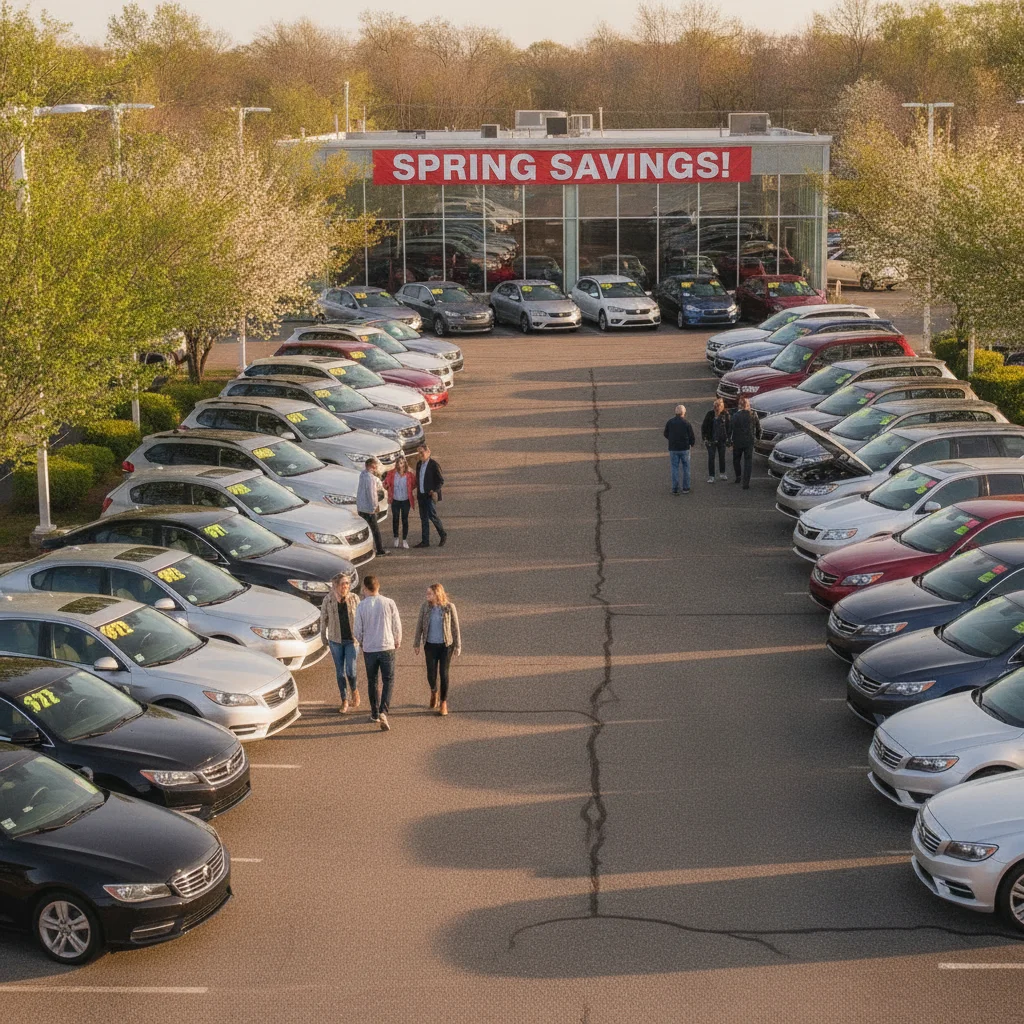
- Tax refund season (February–April): Buyer activity spikes as down payments become available. Prices on entry-level and mid-range vehicles firm up.
- Spring (March–May): Convertibles, sports cars, and motorcycles reach peak demand — and peak prices.
- Back to school (July–August): Demand for affordable commuter cars rises among young buyers.
- Late fall/winter (November–January): Overall activity slows. This is historically the best time to buy if you have flexibility on timing.
Buy Off-Peak for Maximum Leverage
Late November through January is consistently the softest period for used car sales in most markets. Dealers are trying to hit year-end targets, and private sellers who haven't moved their vehicle through the fall are motivated. If your target vehicle type doesn't have strong seasonal demand patterns, this window is your best opportunity for meaningful price concessions.
Monitor a Specific Listing Before Offering
If you find a vehicle you like, don't rush to make an offer immediately. Watch the listing for 5–10 days. If the price drops, that tells you the seller is already feeling pressure. If the listing disappears, it sold — useful data about demand for that vehicle in your market. Patience is a legitimate negotiating strategy.
Regional demand adds another layer. Four-wheel-drive vehicles command significant premiums in mountain and northern states versus their value in Sun Belt markets. If you're willing to source a vehicle from a lower-demand region and handle the transport, you can sometimes capture a meaningful discount — though you'll want a pre-purchase inspection before committing to any out-of-state purchase.
Vehicle-Specific Factors That Adjust the Market Price
Even in a stable market, two identical-year vehicles of the same model can carry very different prices based on their individual characteristics. Here's how to think about these adjustments.
Mileage
The standard rule of thumb is 12,000–15,000 miles per year as "average" usage. A vehicle with significantly fewer miles commands a premium; one that's well above the average depreciates faster. Most valuation tools use approximately $0.06–$0.12 per mile as a rough adjustment above or below average mileage, depending on the vehicle's age and value tier.
Accident and Title History
A clean Carfax or AutoCheck report is worth real money. A vehicle with a reported accident typically trades at a 10–25% discount to an identical clean-history vehicle, depending on the severity of the reported damage. Branded titles — salvage, rebuilt, or flood — represent dramatically deeper discounts and significantly higher risk that most buyers should approach with extreme caution.
Trim Level and Options
Trim matters more on some models than others. A base-trim large truck might be worth $8,000–$12,000 less than the same year truck in a fully loaded top trim. Valuation tools account for trim, but they don't always capture every option package — particularly on older vehicles where option documentation is spotty.
Geographic Demand Adjustments
A rust-free vehicle from Arizona or southern California carries a measurable premium in markets where road salt destroys undercarriages. Conversely, a well-documented service history from a cold-climate vehicle can actually reassure buyers in those markets. Know your local supply and what buyers in your area actually value.
Reading Market Conditions Before You Buy or Sell
The best buyers and sellers don't just check a valuation number — they assess current market conditions before entering a transaction. Here's how to do that practically.
Check Days on Market
Platforms like CarGurus display how long each listed vehicle has been for sale. A listing that has been sitting for 45–60 days in a normally active market tells you demand is soft for that vehicle. That's your negotiating signal. A listing that went active three days ago and is already showing high interest suggests you have little leverage.
Compare Active Listings vs. Sold Prices
Asking prices and actual transaction prices are not the same thing. Edmunds and some state-level DMV data allow you to see what vehicles actually sold for, not just what dealers hoped to get. Always anchor your offer to sold comps, not asking prices.
Watch Inventory Levels Over Time
If you're not in a hurry, spend two to four weeks monitoring inventory for your target vehicle before approaching a seller. Note whether listings are increasing (softening market, improving buyer position) or decreasing (tightening supply, seller advantage). This intelligence costs you nothing but time and gives you real context for your offer.
“The best negotiators in the used car market aren't the most aggressive — they're the most prepared. They know what comparable vehicles sold for last week, not what sellers are asking today.”
— Ivan Drury, Director of Insights, Edmunds
Once you understand current market conditions, you're ready to use that data at the negotiating table. The negotiating tactics guide covers exactly how to translate market knowledge into a lower price — including how to use comparable data and when walking away is your strongest move.
If you're on the selling side, the same market intelligence applies to trade-in situations. Understanding how dealers appraise vehicles — and what motivates their offers — is covered in depth in the dealer trade-ins hub.
Putting It All Together: Timing Your Purchase
You now have the framework. Here's how to apply it as a practical decision tool when you're ready to buy.
- Identify your target vehicle and segment. Be specific: year range, trim, mileage band. Vague targets produce vague market reads.
- Pull current valuations from two sources. KBB and Edmunds will give you slightly different numbers — use both to bracket a realistic range. The valuation tools hub explains the methodology differences between them.
- Check active inventory volume in your region. Use CarGurus, AutoTrader, or Cars.com to count listings. More listings = more negotiating room.
- Note days on market for specific listings. Target vehicles sitting 30+ days. Sellers of stale listings are almost always open to offers below asking.
- Factor in seasonal timing. If you can wait, buy off-peak for your vehicle type. The savings are real and consistent.
- Assess vehicle-specific adjustments. Pull the Carfax, verify mileage, confirm trim and options. Every deviation from average is a data point for your offer.
Buy Off-Peak for Maximum Leverage
Late November through January is consistently the softest period for used car sales in most markets. Dealers are trying to hit year-end targets, and private sellers who haven't moved their vehicle through the fall are motivated. If your target vehicle type doesn't have strong seasonal demand patterns, this window is your best opportunity for meaningful price concessions.
Monitor a Specific Listing Before Offering
If you find a vehicle you like, don't rush to make an offer immediately. Watch the listing for 5–10 days. If the price drops, that tells you the seller is already feeling pressure. If the listing disappears, it sold — useful data about demand for that vehicle in your market. Patience is a legitimate negotiating strategy.
The used car market rewards preparation. Buyers who arrive at a transaction with current market data, specific comps, and a clear ceiling for what they'll pay consistently outperform buyers who show up hoping to feel out a deal on the spot. The complete used car buying roadmap ties all of these steps together from first research through closing the deal.


All claims are backed by peer-reviewed research. Sources on request.