Key Takeaways
Summary
18 items · 30–90 minutes across 1–3 weeks
Why a Zero Balance Isn't the Finish Line
You made that final payment. Your online account shows $0.00 owed. It feels like you're done — and in one sense, you are. But from a legal and financial documentation standpoint, the work isn't quite finished yet.
An auto loan isn't just a financial agreement between you and a lender. It's also tied to a legal claim on your vehicle called a lien. Until that lien is formally released and your state's motor vehicle records are updated, your lender still appears as a partial owner of your car on the official title. That means you can't sell the vehicle, can't transfer the title cleanly, and in some cases may face complications with insurance claims.
This checklist walks you through every step required to confirm your loan is truly, officially, and documentably paid off — from requesting your payoff letter to getting a clean title in your hands. If you're still in the process of eliminating your loan ahead of schedule, see our complete early payoff roadmap before returning here.
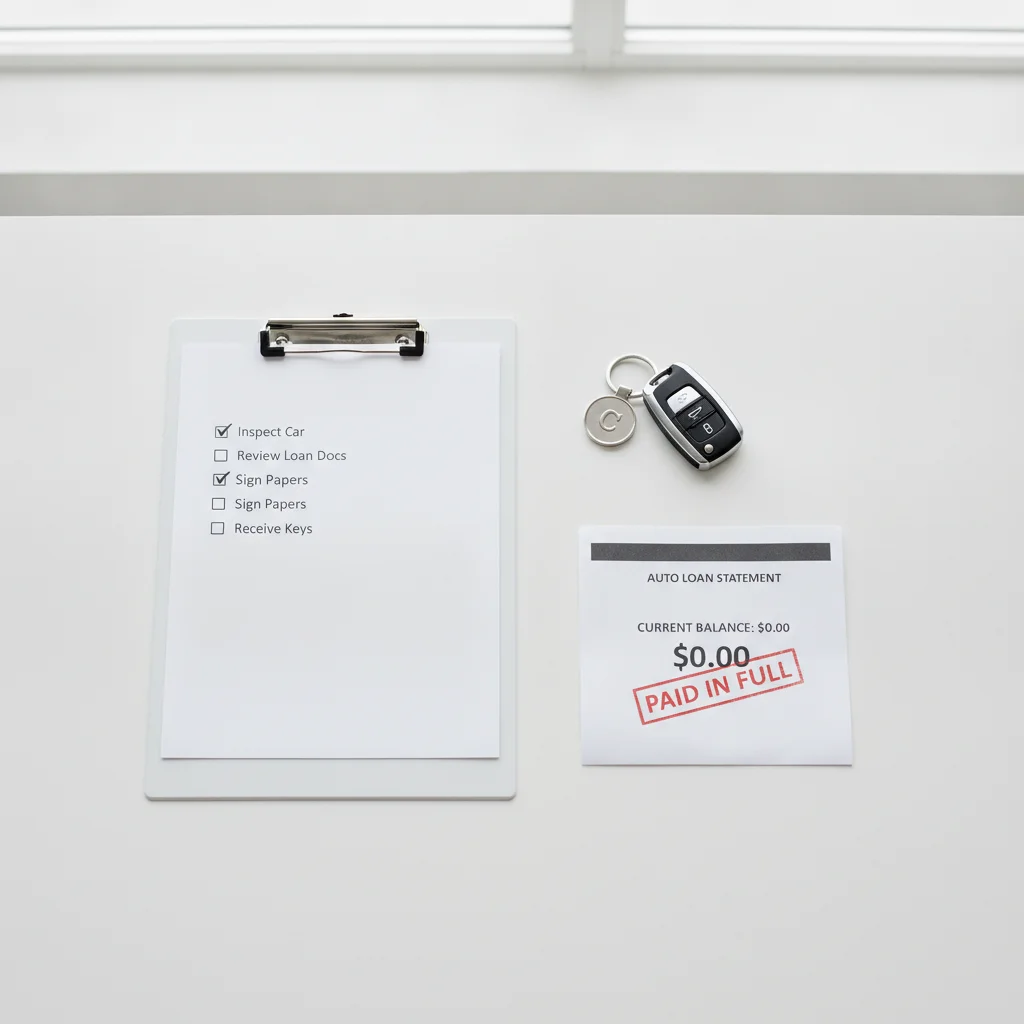
Work through the checklist below in order. Some steps happen simultaneously, and timelines vary by lender and state — but every item here matters.
What You'll Need Before You Start
Gathering the right materials upfront will prevent repeated calls to your lender and avoid delays at the DMV. Before you begin working through the checklist, locate or prepare the following:
Loan account number
Required to request your payoff confirmation letter, lien release, and to verify your account status with the lender.
Lender's customer service phone number
Needed to call and request your lien release letter or escalate if the release is delayed.
Vehicle Identification Number (VIN)
Used to cross-reference your payoff letter, lien release, and title to confirm all documents refer to the correct vehicle.
State DMV website or contact info
Needed to determine whether your state requires a DMV visit to issue a clean title after lien release.
Current auto insurance policy documents
Needed to update loss payee information and review coverage requirements now that the lender is off the title.
Secure document storage folder or safe
Used to permanently store your lien release letter and clean title in a safe, retrievable location.
Annual credit report (AnnualCreditReport.com)
Used to verify the loan is correctly reported as paid and closed on your credit file after payoff.
Having your account number ready is especially important. Lenders route every request — payoff quotes, lien releases, and confirmation letters — through that number. If you've misplaced it, log into your lender's online portal or check a recent statement before making any calls.
Don't Pay on the Wrong Date
A payoff quote is only valid through a specific expiration date. If your final payment arrives after that date, interest continues to accrue daily and you'll have a small remaining balance. Always request a new quote if your payment date changes — even by a few days.
Lender Mergers Can Complicate Lien Releases
If your lender was acquired by another bank during your loan term, the new servicer may not have immediate access to your full account history. When calling about your lien release, confirm which entity currently holds your loan and get the correct contact information for their lien release department specifically — not just general customer service.
The Complete Payoff Confirmation Checklist
Use the checklist below as your step-by-step guide. Items marked must are non-negotiable — skipping them leaves your payoff legally incomplete. Items marked should are strongly recommended to protect your interests. Nice-to-have items add an extra layer of documentation and peace of mind.
Confirm Your Final Payment
Obtain Written Proof of Payoff
Secure Your Lien Release
Update Your Vehicle Title
Update Insurance and Financial Records
The most commonly skipped step is requesting the written payoff confirmation letter. Many borrowers assume the zero balance on their app is sufficient proof. It is not. A bank statement or app screenshot does not constitute legal documentation of lien release — only the letter from your lender does.
A Zero Balance Is Not a Lien Release
Your loan account showing $0.00 is a billing record — it is not a legal document releasing the lender's claim on your vehicle. Until you have a formal lien release letter (or confirmation of electronic release through your DMV), the lender remains on your title as a lienholder. Never sell or attempt to transfer a vehicle without first securing and presenting your lien release documentation.
Understanding the Lien Release Process
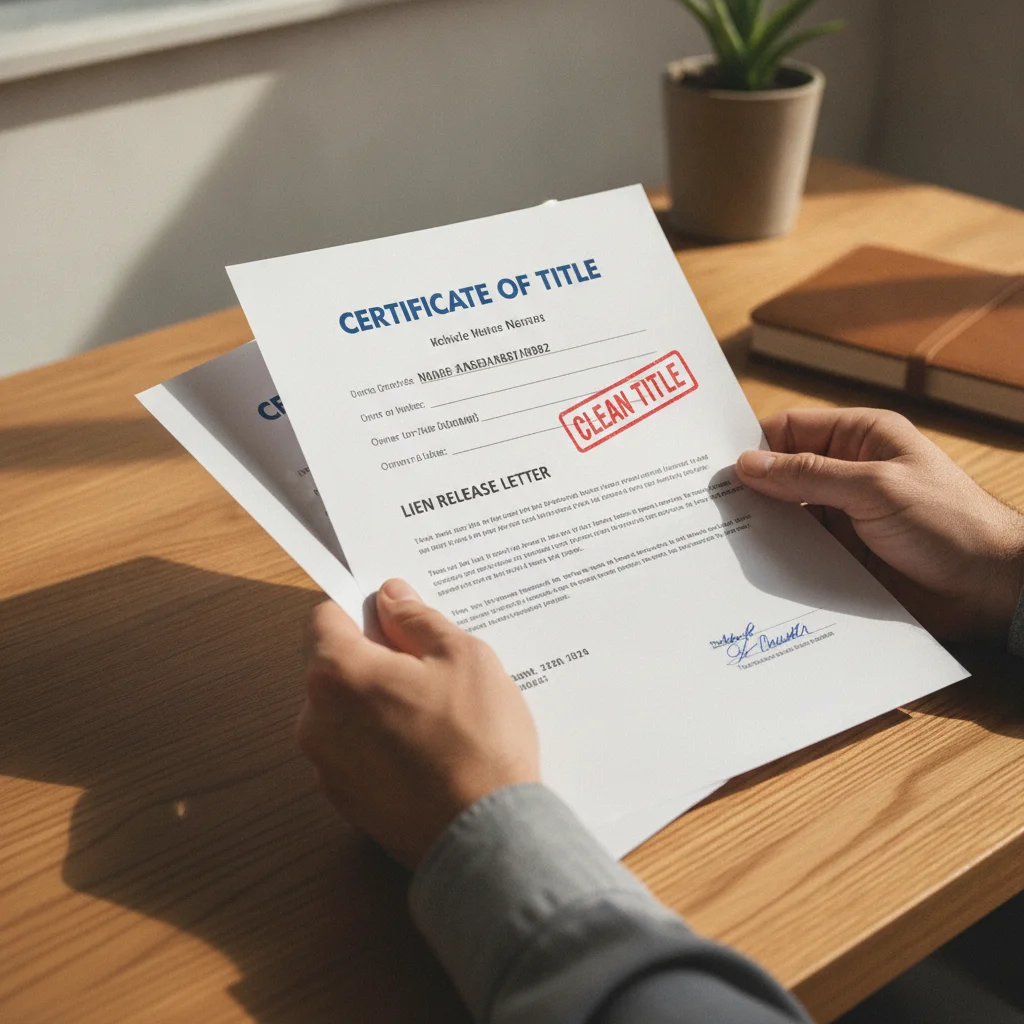
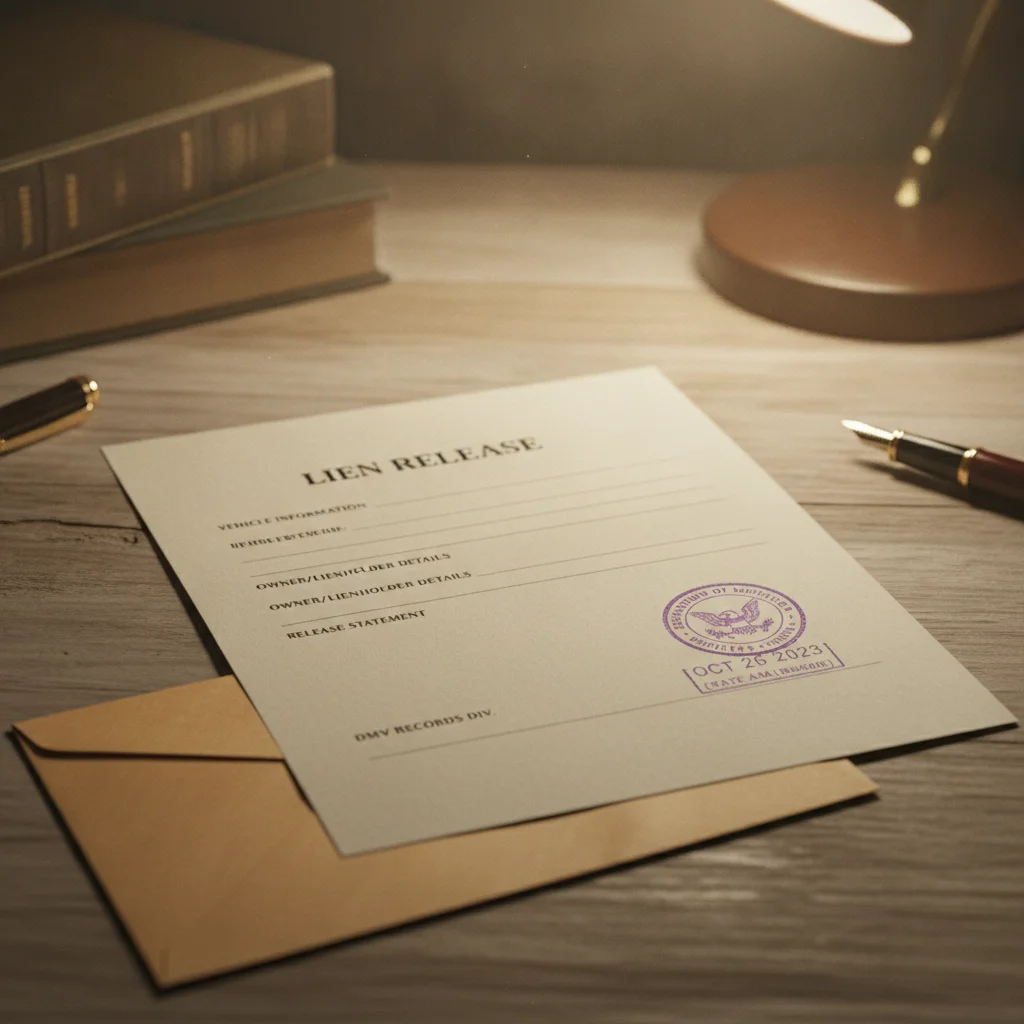
The lien release is the document that formally severs your lender's legal claim on your vehicle. Without it, the lender remains listed as a lienholder on your title — even if you owe them nothing.
How lenders issue lien releases
Different lenders handle this differently:
- Electronic lien release (ELT): Many states and lenders now participate in electronic title programs. When your loan is paid off, the lender sends an electronic release directly to your state's DMV, which then updates the title record without you needing to mail any paperwork.
- Paper lien release letter: Some lenders still mail a physical lien release document to your address on file. This can take 10–30 days after your final payment clears.
- Title mailed directly: If the lender held your physical title (common in non-ELT states), they may mail the title itself to you with a lien release stamp or endorsement already applied.
How long does it take?
Federal law does not mandate a specific release timeline, but most states require lenders to release a lien within 10–30 days of payoff. If your lender is slow, contact them directly and reference your state's lien release statute — this often accelerates the process.
What to do with your lien release
Once you receive a paper lien release, do not discard it. Store it with your other vehicle documents permanently. If you later sell the car privately, the buyer's DMV may ask for it. If there's ever a dispute about ownership, it's your primary proof.
Updating Your Title and Insurance After Payoff
Getting a clean title
Whether you need to visit the DMV depends on your state and whether your lender uses electronic lien processing:
- ELT states (automatic update): In many states, once the electronic release is filed, the DMV updates the title automatically. You may receive a new title in the mail within a few weeks with no lien listed — no DMV visit required.
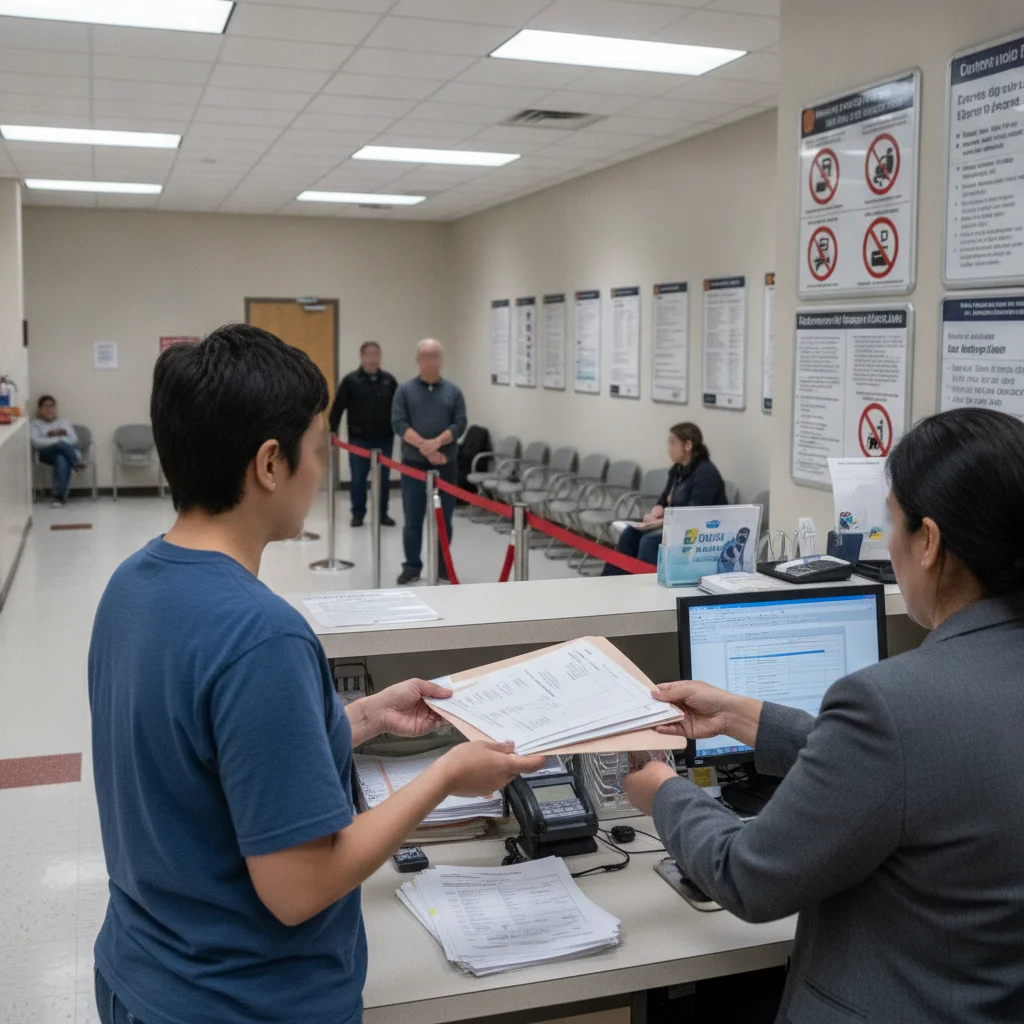
- Non-ELT states (action required): You'll need to bring your lien release letter (and sometimes your existing title) to the DMV and apply for a new title showing you as the sole owner. There's typically a small fee ($10–$25 in most states).
Check your state's DMV website to confirm which process applies to you. Search for "lien release" or "title after loan payoff" on your state's official motor vehicle portal.
Updating your auto insurance
Once your lender is removed from your title, your insurance requirements may change. Lenders typically require comprehensive and collision coverage to protect their financial interest in the vehicle. With no lien, you're free to reconsider those coverage levels — though whether you should drop them depends on your car's value and your financial situation.
Our guide on adjusting your coverage after paying off a car loan walks through exactly what to reassess and what to keep.
Also notify your insurer to remove the lender as a loss payee on your policy. This ensures that in the event of a total loss, any claim payment goes directly to you — not split with a lender who no longer has any stake in the vehicle.
What about your credit?
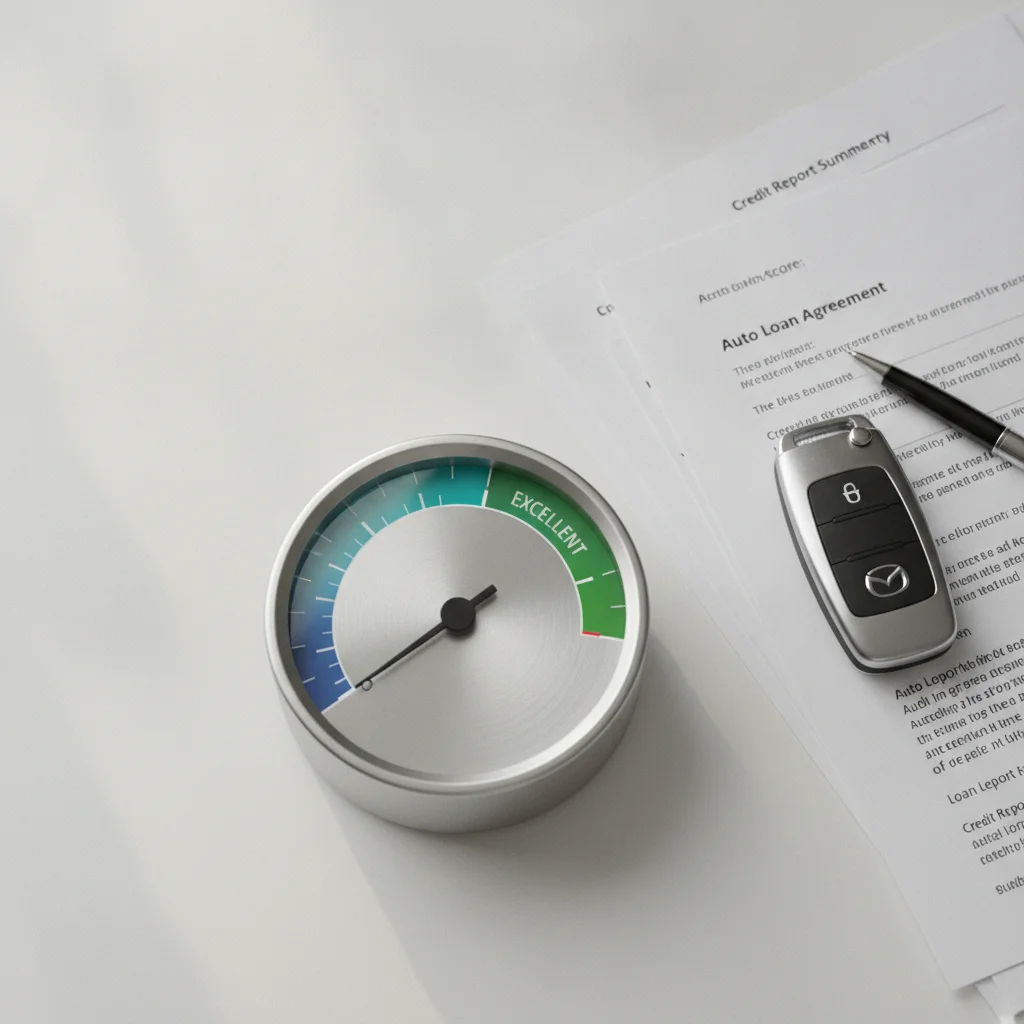
Closing an installment loan account has a nuanced effect on your credit score. It's not always a straightforward win. Your score may dip slightly in the short term, particularly if this was your only installment account. For a full breakdown of what to expect, read our article on how paying off a car loan affects your credit score.
What to Do If Something Goes Wrong
Most payoffs proceed without incident — but complications do happen. Here's how to handle the most common problems:
Your lender says you still owe a small balance
This often happens when your final payment didn't account for interest accrued between your payment date and the exact payoff date. Always request a payoff quote (not just your current balance) before making your final payment. A payoff quote is valid for a specific date and includes all accrued interest. If you pay after that date, interest continues to accrue daily.
Your lien release hasn't arrived after 45 days
Contact your lender directly and ask them to confirm the release was submitted. Get the name of the representative you speak with and request a case number or confirmation email. If the lender is unresponsive, file a complaint with the Consumer Financial Protection Bureau (CFPB) at consumerfinance.gov — lenders tend to respond quickly once a CFPB complaint is on file.
Your title shows the wrong information
If your new title arrives with a typo in your name, VIN, or address, return it to the DMV with a correction request. Do not alter the title yourself — corrections must go through official channels or the title may be considered invalid.
You lost your lien release letter
Contact your lender and request a duplicate. Most lenders can reissue this document, though some charge a small administrative fee. If the lender has since been acquired or gone out of business, contact your state's DMV — they often have procedures for resolving orphaned lien situations.
Don't Pay on the Wrong Date
A payoff quote is only valid through a specific expiration date. If your final payment arrives after that date, interest continues to accrue daily and you'll have a small remaining balance. Always request a new quote if your payment date changes — even by a few days.
Lender Mergers Can Complicate Lien Releases
If your lender was acquired by another bank during your loan term, the new servicer may not have immediate access to your full account history. When calling about your lien release, confirm which entity currently holds your loan and get the correct contact information for their lien release department specifically — not just general customer service.
Staying organized and proactive through this process protects an asset you've worked hard to own outright. Run through this checklist once, file your documents properly, and you'll have the clean title — and the peace of mind — you've earned.

All claims are backed by peer-reviewed research. Sources on request.