Key Takeaways
Torque Wrench
A torque wrench is a hand tool designed to tighten bolts and nuts to a specific, measured level of tension — called torque — rather than just as tight as you can make them. Instead of guessing, you dial in a target value (measured in foot-pounds or Newton-meters) and the wrench signals you when you've hit it. This prevents two common problems: undertightening, which lets fasteners loosen over time, and overtightening, which can crack components, strip threads, or warp surfaces.
Torque is a rotational force measured in lb-ft (pound-feet) or Nm (Newton-meters). Most automotive torque specs are published in a vehicle's service manual or factory repair guide.
Why 'Tight Enough' Isn't Good Enough
Most people who wrench on their own cars learned the same way: put the bolt in, crank until it feels snug, maybe give it one more turn for good measure. For a lot of fasteners, that works fine. But on parts where your safety literally depends on the bolt doing its job, that approach has real consequences.
Here's the thing about bolts and nuts — they work by creating clamping force. That clamping force is what holds a wheel to your hub, seals a cylinder head against combustion pressure, or keeps your brake caliper from shifting under hard stops. Too little clamping force and the fastener can back out. Too much and you can crack a rotor, warp a head, or snap the bolt itself.
A torque wrench is the tool that takes the guesswork out of that equation. Instead of relying on feel, you dial in the number the manufacturer specifies — say, 100 lb-ft for your lug nuts — tighten until the wrench signals you've hit it, and stop. Every time. Reliably.
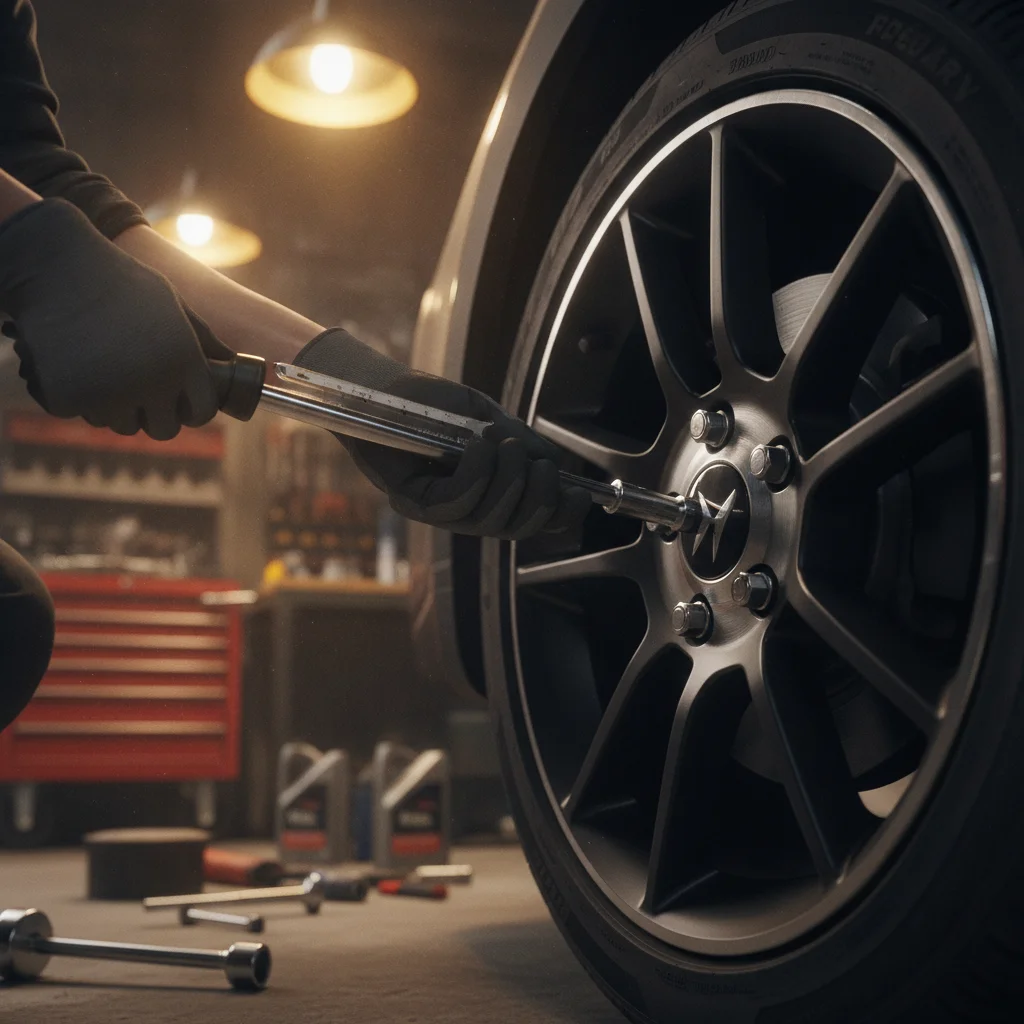
That consistency is especially important if you're rotating your own tires, replacing brake pads, or doing any work that puts a wheel back on a car. Those are not jobs where 'probably tight enough' is an acceptable outcome.
How a Torque Wrench Actually Works
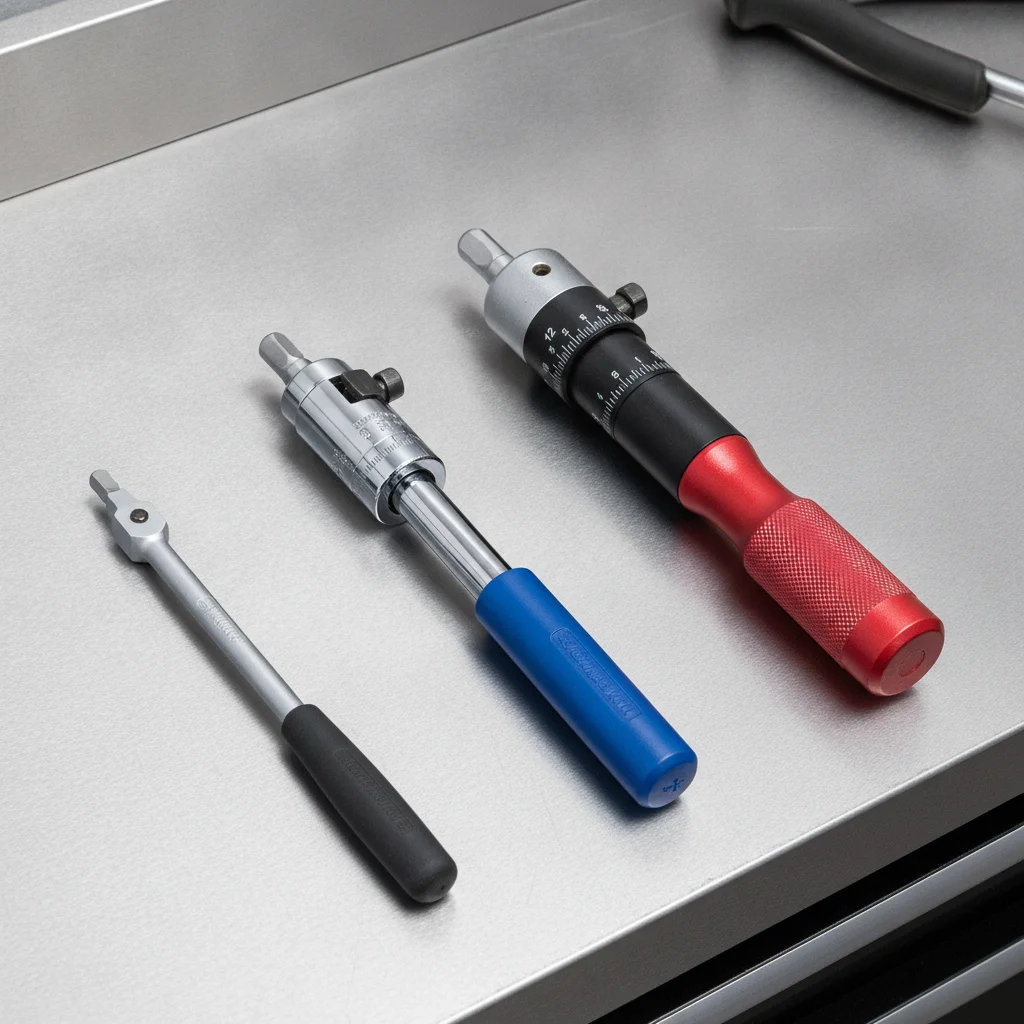
There are a few types of torque wrenches on the market, but the one you'll find in most home garages — and the one I'd recommend starting with — is the click-type.
Click-Type (Micrometer Style)
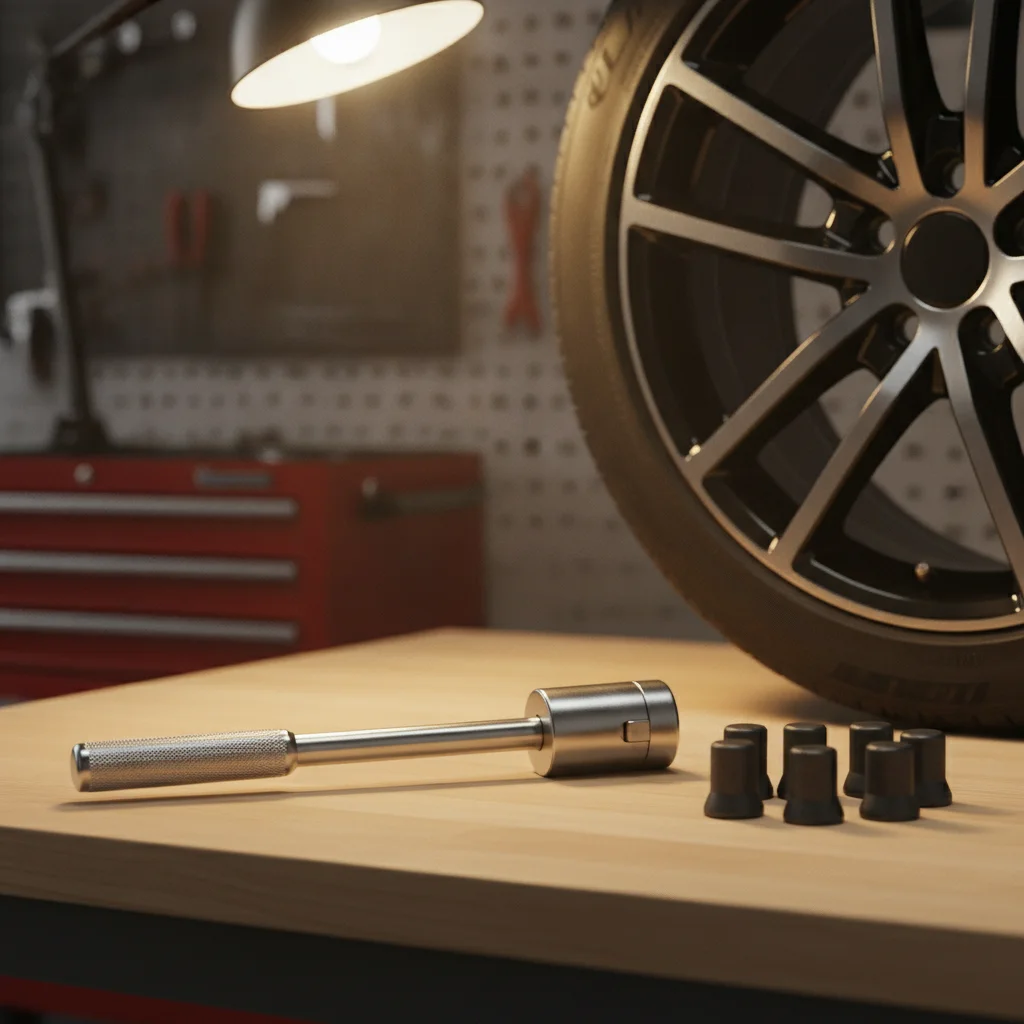
You set your target torque by twisting the handle to a graduated scale, then tighten the fastener normally. When the wrench reaches the set torque, it makes a distinct click and the handle flexes slightly. That's your stop signal. It's simple, mechanical, and requires no batteries. A decent one from a reputable brand will last you 20 years if you store it correctly.
Beam-Type
The beam wrench has a long flexible arm and a fixed pointer. As you tighten, the arm bends and the pointer moves across a scale — you watch the needle and stop when it hits your target. These are accurate and nearly indestructible, but awkward to use in tight spaces where you can't see the scale.
Digital Torque Wrenches
Digital wrenches display live torque readings on an LCD screen and often beep or vibrate when you hit the target. They're more precise and great for tasks that require torque-to-yield or angle-based tightening. The tradeoff is cost and the need for batteries.
Torque Wrenches Are Not for Loosening
A torque wrench is designed for tightening only. Using it to break a fastener loose — especially a rusted or seized one — can damage the internal mechanism and throw off calibration. Always use a breaker bar or impact tool to loosen, then switch to the torque wrench for final tightening.
Lb-ft vs. Nm: Know Which Scale Your Wrench Uses
Most torque wrenches sold in the US are marked in both lb-ft (pound-feet) and Nm (Newton-meters). Make sure you're reading the correct scale for the spec you're working with — they are not interchangeable, and mixing them up by even a small amount can matter on precision fasteners. 1 lb-ft equals approximately 1.356 Nm.
Thread Condition Affects Torque Accuracy
A torque wrench can only deliver accurate results if the threads are clean and in the condition the spec assumes. Corroded, dirty, or cross-threaded fasteners will give false readings — the wrench may click at the set value while the actual clamping force is way off. Always clean and inspect threads before torquing critical fasteners.
For the majority of DIY jobs — tires, brakes, spark plugs, oil drain plugs — a mid-range click-type wrench in the $40–$80 range does everything you need. Save the digital model for when your work demands it.
The Jobs That Actually Require a Torque Wrench
Not every bolt on your car needs a torque wrench. Here's a practical breakdown of where it genuinely matters versus where you can trust your hands.
~65%
Of brake job comebacks caused by fastener issues
Industry data from brake component manufacturers suggests improper fastener torque is among the leading causes of brake noise and vibration after DIY pad replacements.
80–120 lb-ft
Typical lug nut torque range for passenger cars
Most passenger vehicle manufacturers specify lug nut torque in this range; the exact value varies by vehicle and wheel type, per factory service manuals.
$300–$800
Average cost to repair stripped oil pan threads
Repair costs cited by independent shops for thread repair or oil pan replacement resulting from overtightened drain plugs.
13–30 Nm
Typical spark plug torque for aluminum heads
Lower than most drivers expect; factory service manuals for aluminum-head engines commonly specify torque values in this range to prevent thread damage.
$40–$80
Cost of a quality 1/2-inch click-type torque wrench
Reputable brands like Tekton and Craftsman offer calibrated click-type wrenches in this price range, sufficient for the vast majority of home mechanic jobs.
Jobs Where You Absolutely Need One
- Lug nuts / wheel bolts: Uneven or incorrect torque causes brake rotor warping, wheel vibration, and — in the worst case — wheel separation. Always torque these, every time you reinstall a wheel.
- Cylinder head bolts: Head gasket jobs require precise, often multi-stage torque sequences. Get this wrong and you're doing the job again, or buying a new engine.
- Spark plugs: Aluminum cylinder heads strip out easily. Most plugs torque to around 13–30 Nm — way less than people expect. Hand-tight plus a specific fraction of a turn is the typical spec.
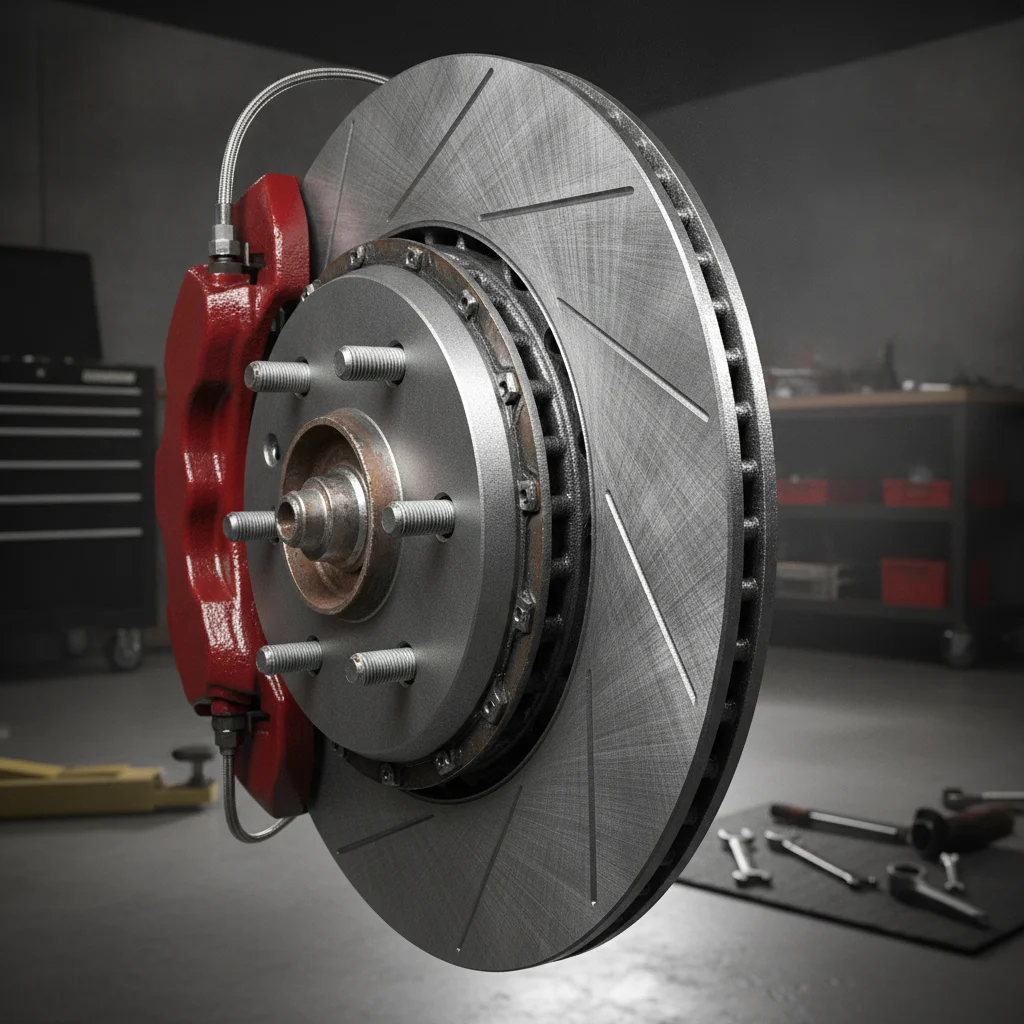
- Brake caliper bolts: These hold your caliper to the bracket. Under-torqued and they can shift; over-torqued and you risk cracking the bracket or stripping threads.
- Axle / hub nuts: Often specified between 150–250 lb-ft. Too loose and the bearing plays; too tight and you damage the bearing itself.
- Oil drain plug: Easy to overtighten and strip the oil pan threads. Specs are typically 20–30 ft-lbs — much less than most people apply.
Jobs Where a Torque Wrench Is Helpful But Not Critical
- Battery terminal clamps
- Air filter housing bolts
- Interior trim screws
- Accessory bracket bolts (in non-pressurized systems)
Start With a 1/2-Inch Drive for Wheels and Brakes
If you're only buying one torque wrench, make it a 1/2-inch drive click-type rated to at least 150 lb-ft. It covers lug nuts, brake caliper bolts, and axle nuts — the jobs where proper torque matters most for safety. Add a 3/8-inch drive later for spark plugs and smaller fasteners.
Always Back Down the Setting After Use
Before putting your click-type torque wrench away, dial the setting back to the lowest value on the scale. Storing it at a high torque setting keeps the internal spring under compression and causes it to lose calibration over time. This one habit will keep your wrench accurate for years.
Re-Torque Lug Nuts After First Drive
After reinstalling any wheel, drive the car for 5–10 miles and then recheck lug nut torque with your torque wrench. Wheels can settle slightly during the first heat cycle, causing lug nuts to lose a small amount of clamping force. This is standard procedure at professional shops and should be part of your routine too.
Reading and Setting Torque Specs
Before you can use a torque wrench, you need the right number to dial in. Here's how to find it and what to do with it.
Where to Get the Spec
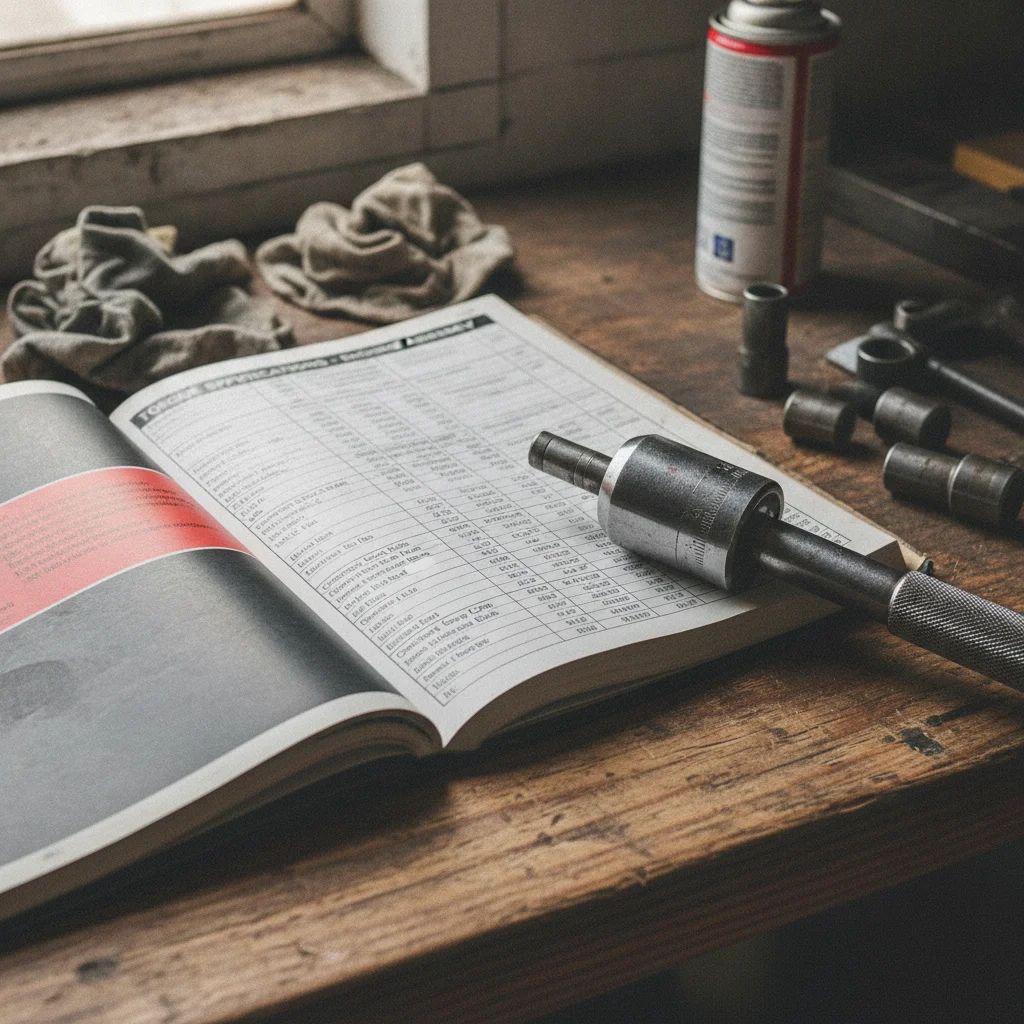
Your vehicle's factory service manual is the gold standard. These are available directly from manufacturers or through professional repair databases. Many auto parts stores offer free access to basic repair data, and sites dedicated to specific makes often have torque charts maintained by enthusiasts who cross-reference factory documentation.
If you're doing a common job like a brake pad swap or tire rotation, a trusted repair guide for your specific year, make, and model will list the specs. Don't use a generic number someone posted on a forum without a source — specs vary significantly across vehicles and model years.
Setting Your Wrench
On a click-type wrench, loosen the locking collar at the base of the handle, twist the handle until the mark aligns with your target on the scale, then re-lock the collar. Double-check the reading before you start — it's easy to mis-read the scale if you're rushing.
Multi-Stage Torque Sequences
Some fasteners — cylinder head bolts being the classic example — are tightened in stages. You might torque to 30 lb-ft first, then 60 lb-ft, then a final angle (like 90 degrees). This distributes clamping force evenly across a gasket surface. If your spec calls for a sequence, follow every step. Skipping stages on a head gasket job is a fast way to end up with a warped head.
“Torque specs exist because every joint in a mechanical system has an optimal clamping load. Below it, things loosen. Above it, things break. The wrench isn't a luxury — it's the tool that keeps you in that window.”
— Tom Nash, ASE Master Technician and automotive educator
Buying Your First Torque Wrench
You don't need to spend a lot of money, but you do need to buy smart. Here's what to look for.
Drive Size
Torque wrenches come in 1/4-inch, 3/8-inch, and 1/2-inch drive sizes, matching standard socket sets. For most home mechanics:
- 1/2-inch drive: Best for lug nuts, axle nuts, and high-torque fasteners. Get one rated to at least 150 lb-ft.
- 3/8-inch drive: Good for spark plugs, brake hardware, and medium fasteners. Covers roughly 10–80 lb-ft.
- 1/4-inch drive: Useful for very small fasteners and interior work. Covers 5–25 Nm.
If you're buying just one wrench, start with a 1/2-inch drive. It'll handle the jobs where a torque wrench matters most — wheels and brakes.
What to Spend
A reputable click-type torque wrench — brands like Tekton, CDI, or Craftsman — runs $40 to $100 for a 1/2-inch drive model. That's a one-time purchase that will outlast most of the cars you own. Avoid no-name import wrenches with no calibration guarantee; accuracy is the whole point of the tool.
Storing It Correctly
This matters more than most people realize. Always back the setting down to the lowest torque value before storing a click-type wrench. Leaving it set at a high torque compresses the internal spring and throws off calibration over time. Store it in its case, not rattling loose in a toolbox drawer.
Start With a 1/2-Inch Drive for Wheels and Brakes
If you're only buying one torque wrench, make it a 1/2-inch drive click-type rated to at least 150 lb-ft. It covers lug nuts, brake caliper bolts, and axle nuts — the jobs where proper torque matters most for safety. Add a 3/8-inch drive later for spark plugs and smaller fasteners.
Always Back Down the Setting After Use
Before putting your click-type torque wrench away, dial the setting back to the lowest value on the scale. Storing it at a high torque setting keeps the internal spring under compression and causes it to lose calibration over time. This one habit will keep your wrench accurate for years.
Re-Torque Lug Nuts After First Drive
After reinstalling any wheel, drive the car for 5–10 miles and then recheck lug nut torque with your torque wrench. Wheels can settle slightly during the first heat cycle, causing lug nuts to lose a small amount of clamping force. This is standard procedure at professional shops and should be part of your routine too.
Common Mistakes That Defeat the Purpose
A torque wrench only helps you if you use it correctly. Here are the errors I see most often that undermine the whole process.
Torquing a Dirty or Dry Thread
Torque specs assume clean, lightly lubricated threads unless the spec explicitly says dry. Dirt, rust, or excessive thread locking compound changes the friction coefficient and gives you a false torque reading — the wrench clicks but the actual clamping force is off. Clean threads and apply the correct lubricant (or none, if specified) before you start.
Using the Wrench to Break Fasteners Loose
A torque wrench is a tightening tool. Using it to loosen a fastener — especially a stubborn, rusted one — puts lateral stress on the internal mechanism and knocks it out of calibration. Use a breaker bar for that job.
Going Past the Click
When a click-type wrench signals, stop immediately. Continuing to apply force after the click adds torque beyond your target. This is especially easy to do in confined spaces where you're working by feel. The click is the stop signal, not a confirmation sound to push through.
Not Re-checking Lug Nuts After Initial Drive
Whenever you reinstall wheels, torque the lug nuts in a star pattern to spec, then drive the car for a few miles and recheck them. Wheels can settle slightly during the first heat cycle. This is standard practice at any shop worth its salt, and it should be yours too.
When a Torque Wrench Connects to Resale and Long-Term Value
Here's an angle that doesn't come up much in tool discussions: proper torque has a direct relationship to how your car ages and what it's worth when you sell it.
Warped rotors from improperly torqued lug nuts aren't just a vibration annoyance — they're a deferred repair cost that a used-car buyer will negotiate against you. A stripped oil drain plug from overtightening means an oil pan replacement. A blown head gasket from a poorly torqued head is a four-figure repair that can write off an older car entirely.
When you maintain your own car and do it correctly, you're protecting mechanical integrity that shows up in service records, inspection reports, and ultimately the offer you get at trade-in. Buyers and dealers can spot deferred damage quickly. A well-maintained car with no evidence of botched DIY work commands better prices — it's that simple.
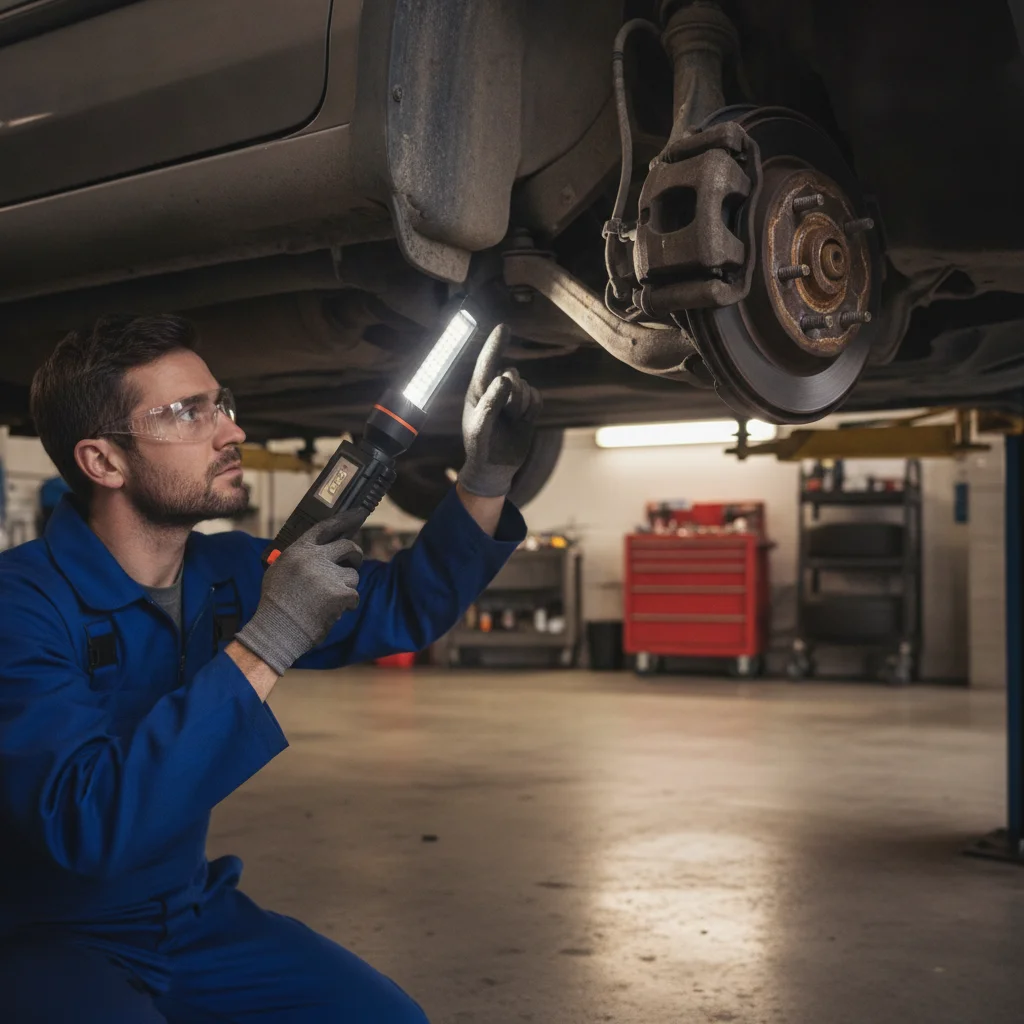
Using a torque wrench on the right jobs isn't about being overly precise for its own sake. It's about doing the job right the first time so it doesn't cost you twice — once to fix the damage, and again in depreciation when you go to sell.

All claims are backed by peer-reviewed research. Sources on request.