Key Takeaways
Option A
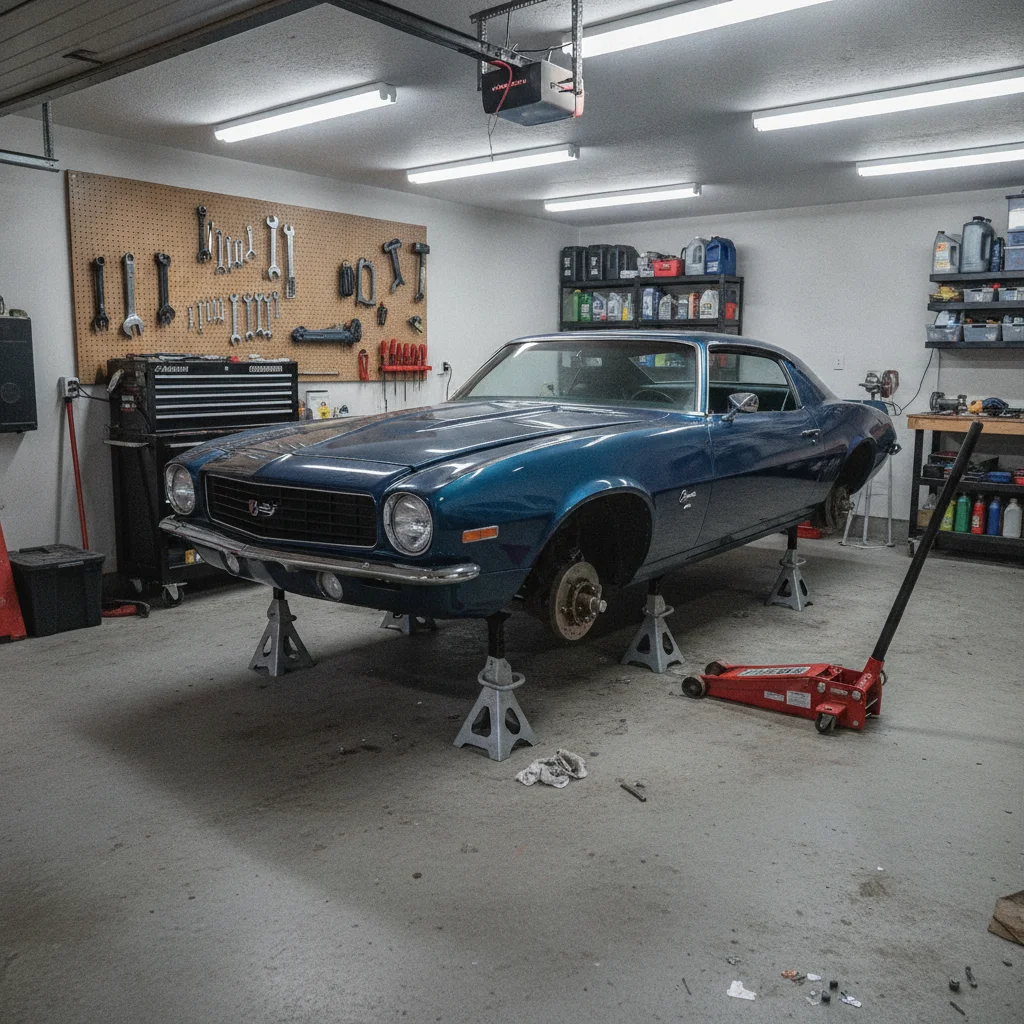
Jack Stands
The versatile, adjustable support for serious repair work.
Best for: Best for jobs that require removing wheels, accessing brake components, or getting underneath the car from multiple angles.
Option B
Ramps
The quick, stable drive-on solution for simple undercar access.
Best for: Best for straightforward oil changes, filter swaps, and visual inspections where you only need a few inches of clearance.
If you're doing a brake job, suspension work, or any job that requires pulling a wheel
Jack Stands
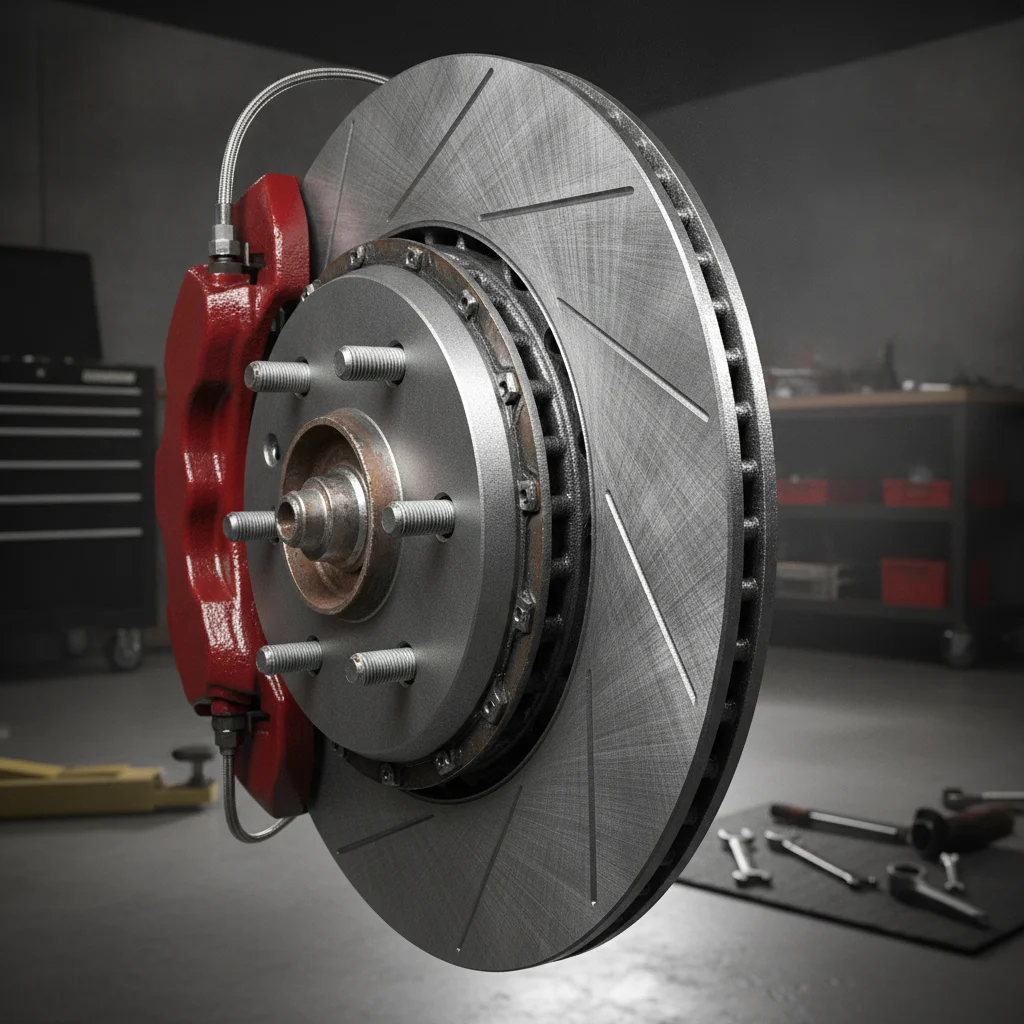
You can't remove a wheel on a ramp — the tire is still on the ground. Jack stands let you lift individual corners and work around the full wheel assembly.
If you're doing a quick oil change or checking an exhaust hanger
Ramps
Ramps are faster to deploy, more stable once the car is on them, and perfectly adequate when you only need to slide under without removing anything.
If you drive a lowered car or a vehicle with minimal ground clearance
Jack Stands
Many low-profile vehicles physically cannot drive up standard ramps without scraping the front bumper. Jack stands accessed with a low-profile floor jack solve that problem.
If you're a first-time DIYer doing basic maintenance on a stock-height car
Ramps
Ramps require fewer steps, eliminate the risk of a jack slip during the lift, and keep all four wheels stable — a significant confidence boost for beginners.
If you want one solution that handles the widest range of repairs
Jack Stands
A quality set of jack stands paired with a floor jack covers nearly every DIY scenario from oil changes to full axle work, making them the more versatile long-term investment.
Why This Choice Actually Matters
Crawling under a car that isn't properly supported is genuinely one of the most dangerous things you can do in a home garage. A hydraulic floor jack can fail — seals wear out, valves leak, and a slow-drop situation gives you almost no warning. The jack stands or ramps you place under the vehicle are your real safety net, not the jack itself.
That said, jack stands and ramps are not interchangeable. They're engineered for different tasks, different vehicles, and different working positions. Grabbing the wrong one doesn't just slow you down — it can make a job physically impossible or, in some setups, genuinely unsafe. Understanding the difference before you pull into the garage will save you time, frustration, and potentially your life.
Here's what each tool actually does, where each one shines, and the situations where you should never use one in place of the other.
How Each One Works
Jack Stands
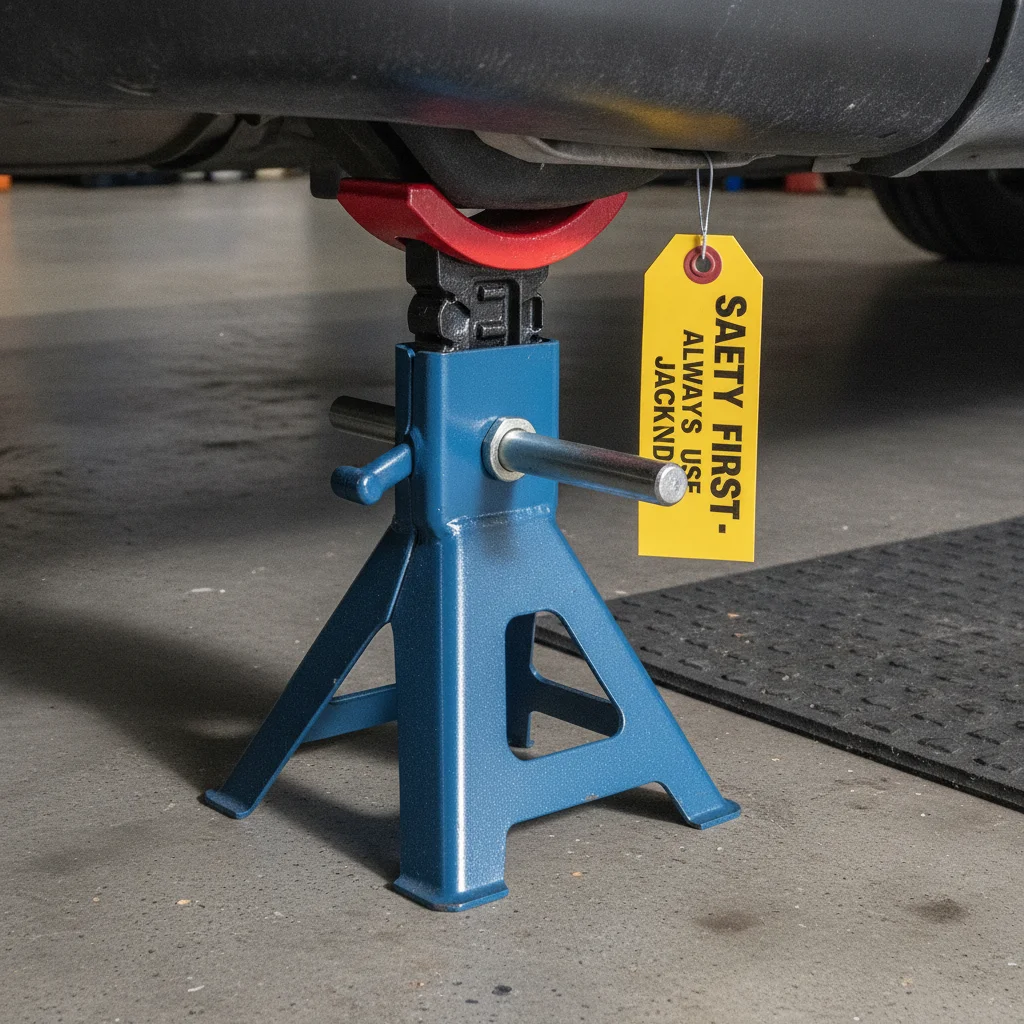
A jack stand is a passive, mechanical support — it holds a vehicle at a fixed height once you've raised it with a separate floor jack. Most stands are made from steel and use either a ratcheting pin mechanism or a threaded screw collar to lock at different heights. You set the height, slide the stand under a designated jack point (typically pinch welds, frame rails, or subframe brackets), and then lower the vehicle onto the stand. The floor jack is then removed or left loose beside it.
Good jack stands come in pairs and have a rated capacity stamped right on them — commonly 2-ton, 3-ton, or 6-ton pairs. Always use them in pairs minimum; use all four if you're lifting the whole car.
Ramps
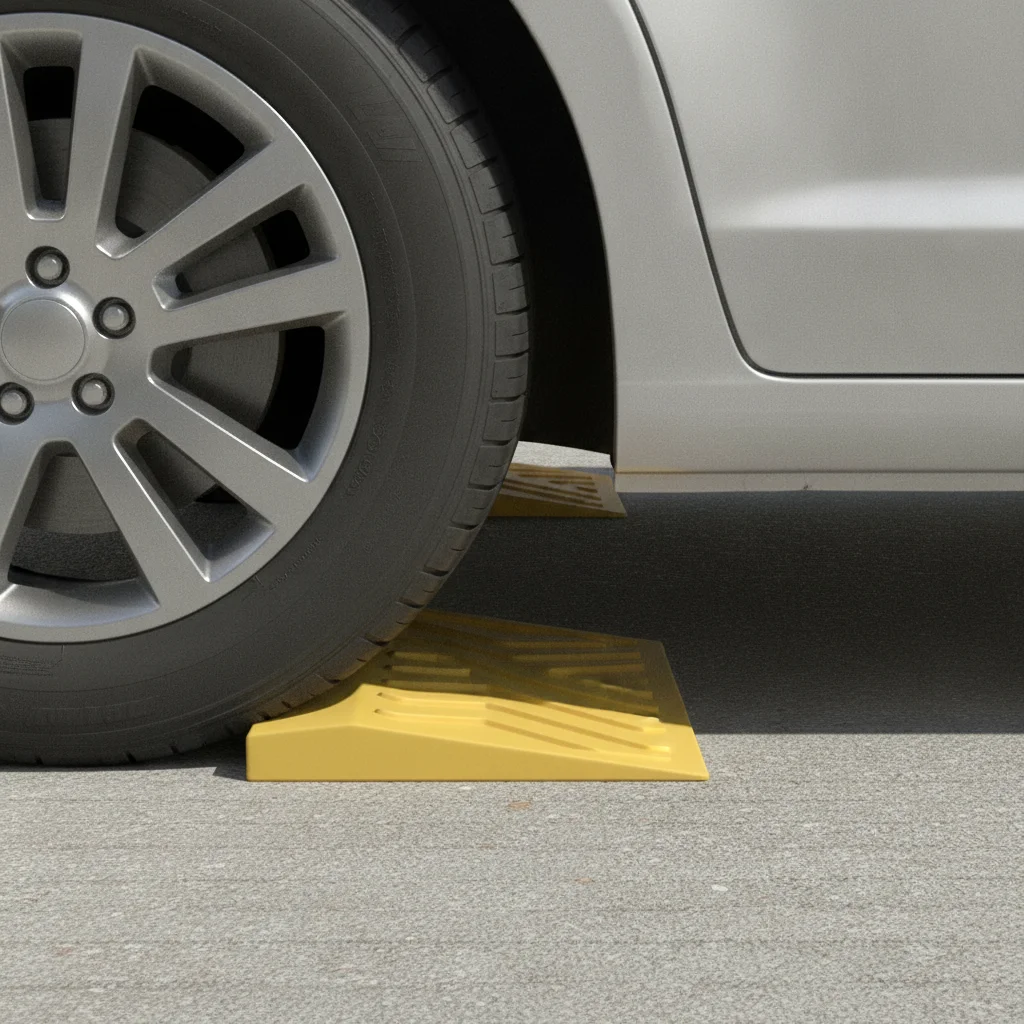
Ramps are a single-piece (or two-piece interlocking) inclined surface you drive the front or rear wheels up onto. No separate floor jack needed. Once the vehicle is on the ramps, it's already at working height and the wheels are still on the ramp surface, keeping the car stable. Ramps are typically made from heavy-duty plastic or steel and have their own weight ratings per pair.
The trade-off is that height is fixed — whatever the ramp's design gives you is what you get. Most standard ramps raise the vehicle 6 to 8 inches, which is enough for oil changes and exhaust work, but not always enough for deeper suspension jobs.
| Criterion | Jack Stands | Ramps |
|---|---|---|
| Setup time | 10–15 min (with floor jack) | 2–3 min (drive up) |
| Wheel removal possible | Yes | No |
| Height adjustability | Yes — multiple locking positions | No — fixed by ramp design |
| Typical lift height | 6–24 inches depending on model | 6–8 inches (standard) |
| Works on lowered vehicles | Yes (with low-profile floor jack) | Often no — bumper clears ramp |
| Solo-use friendliness | Moderate — extra steps involved | High — self-contained process |
| Stability once positioned | Good — better with wide base | Excellent — vehicle weight pins ramp |
| Typical price (pair) | $40–$80 | $30–$60 |
| Best job types | Brakes, suspension, full undercar | Oil changes, exhaust, inspections |
Key Differences You'll Feel in the Driveway
Setup Time
Ramps win on setup. Place them in front of or behind the correct wheels, drive up, chock the wheels still on the ground, and you're done — two minutes, maybe three. Jack stands require you to position your floor jack, find the correct jack points, raise the vehicle, position two to four stands, and slowly lower the car onto each one. For a full four-corner lift, that's easily 10 to 15 minutes done carefully.
Stability
Once the car is on them, ramps are harder to knock over. The vehicle's own weight pins them down. Jack stands, especially inexpensive ones with small footplates, can tip if the load shifts laterally. That's not a reason to avoid jack stands — it's a reason to buy decent ones with wide bases and always use them on flat, solid concrete.
Wheel Access
This is the dealbreaker for many jobs. On ramps, the tire is resting on the ramp surface. You cannot remove the wheel. If your job involves brakes, rotors, bearings, control arms, tie rods, or CV axles — anything that requires the wheel to come off — you need jack stands, full stop.
~300
Fatalities per year from vehicle rollover during maintenance
The U.S. Bureau of Labor Statistics estimates around 300 workers are killed annually in incidents involving vehicles falling from hoists or jacks — a risk that exists in home garages too.
2-ton
Most common jack stand capacity sold for home use
Most passenger vehicles weigh between 3,000 and 5,000 lbs, meaning a 2-ton-per-stand (4,000 lb pair) rating is the minimum acceptable for the average car or light truck.
6–8 in
Clearance added by standard plastic ramps
Most off-the-shelf drive-up ramps raise the vehicle 6 to 8 inches — sufficient for drain plug access on most stock-height cars but limiting for complex undercar jobs.
Clearance Requirements
Both tools have minimum clearance requirements. Standard ramps need a front bumper high enough to clear the leading edge of the ramp without scraping. Most stock-height sedans, trucks, and SUVs handle this fine. Lowered vehicles, sports cars with aggressive front splitters, and many European sedans sitting low from the factory often can't use ramps at all without expensive low-profile ramp sets. Jack stands accessed with a low-profile floor jack can solve this — the jack slides under the car at a lower angle than a ramp's incline.
Cost
Entry-level ramps run $30 to $60 a pair. Decent 3-ton jack stands run $40 to $80 a pair. Neither is a major investment, but if you already have a floor jack, stands give you more capability per dollar over time.
Check Your Jack Points Before You Lift
Every vehicle has designated jack points — usually reinforced sections of the frame, pinch welds, or subframe brackets shown in the owner's manual. Using a floor jack or stand on the wrong spot (like a rocker panel or an oil pan) can crack sheet metal or damage components. Take two minutes to find the correct points in your manual before the first lift. It's also worth checking for rust at those points, especially on older vehicles in salt-belt states — a corroded jack point can collapse under load.
Situations Where Only One Tool Makes Sense
Use Jack Stands When:
- You're removing a wheel — brakes, rotors, hubs, bearings, CV boots, suspension components. The wheel has to come off the ground.
- You need to access both front and rear — some jobs like a full exhaust replacement or undercoating require you to walk the length of the undercar. All-four-corner jack stand lifts let you do that.
- Your car sits too low for ramps — a low-profile floor jack and stands are the only realistic option for lowered vehicles.
- You're doing transmission or differential work — these jobs need serious height and stable support at specific frame points, not just a few inches of ramp clearance.
Use Ramps When:
- You're doing an oil and filter change — you need access to the drain plug and filter, nothing else. Ramps give you that in minutes.
- You're checking exhaust hangers, heat shields, or undercar rust — visual inspection jobs that don't require disassembly are perfect ramp territory.
- You're working alone — ramps are inherently safer solo because there's no moment of holding the car at jack-height while you position a stand. The drive-up process is self-contained.
- You want the simplest possible setup for routine maintenance — if you change your oil every 5,000 miles and that's the extent of your DIY work, a solid set of ramps may be the only undercar tool you ever need.
Safety Rules That Apply to Both
Regardless of which tool you use, these rules are non-negotiable:
- Always work on flat, solid concrete. Asphalt can compress under point loads, especially in hot weather. Gravel is never acceptable. A tilted surface and a stand or ramp is a rollover waiting to happen.
- Chock the wheels that stay on the ground. Wheel chocks cost about $10 and prevent the car from rolling off stands or ramps. Use them every time.
- Never exceed the rated load capacity. Weight ratings on stands and ramps are per pair, not per individual stand or ramp. A 3-ton pair of stands holds 6,000 lbs total — but only 3,000 lbs per stand. Know your vehicle's curb weight and which axle you're supporting.
- Never use a hydraulic floor jack as your only support. Hydraulic seals fail. Valves stick. A floor jack is a lifting tool, not a support tool. Get the car onto stands or ramps before you go under it.
- Inspect your equipment before every use. Check stands for cracks, bent legs, or a pin that doesn't lock cleanly. Check ramps for cracks or surface wear. This gear takes a beating over time.
For more guidance on setting up your home garage safely for DIY work, see our home garage setup guide.
Which One Should You Buy First?
If you're building out a basic DIY toolkit and can only buy one undercar support system right now, here's my honest take: get ramps first if your car is stock height and you primarily do oil changes. Get jack stands first if you have any interest in brake work, suspension, or tackling a wider range of repairs down the road.
Longer term, most serious home mechanics end up with both. The ramps stay in a corner of the garage for quick oil changes. The jack stands come out for anything more involved. They're not competing purchases — they complement each other once you're comfortable with either.
Spend a little more than the bare minimum on both. A $20 pair of no-name stands from a discount bin has no business under your car. Brands like Torin, Powerbuilt, and Pro-Lift have solid track records at prices that won't break the budget. For ramps, Rhino Ramps and Race Ramps are popular and well-reviewed. Read the weight ratings before you buy, and make sure the rating exceeds your vehicle's heaviest axle load — not just the overall curb weight divided by two.
To understand how keeping up with maintenance affects your car's resale value, check out our guide on maintenance and resale value.
Bottom line: the right tool is the one rated for your vehicle, appropriate for the job at hand, and used correctly on solid, level ground. Neither jack stands nor ramps are complicated — they just need to be respected.

All claims are backed by peer-reviewed research. Sources on request.