
Key Takeaways
Summary
18 items · 20–45 minutes
Why Verifying Before You Pay Is Non-Negotiable
The instinct to send an extra car payment is a smart one. Every dollar you put toward the principal today is a dollar that stops accruing interest tomorrow. But the gap between intent and execution is where many borrowers lose money they never expected to lose.
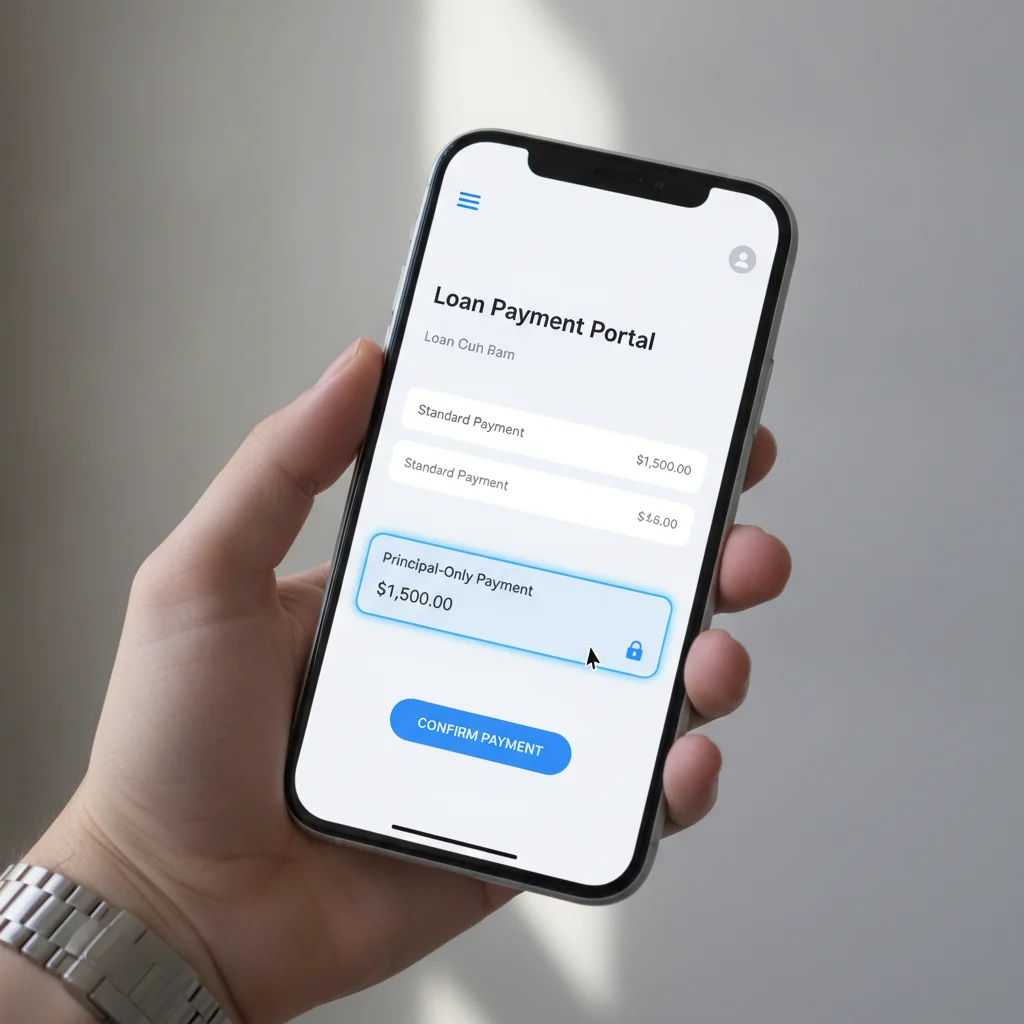
Here's the problem: your lender has no legal obligation to apply your extra payment the way you assume it will be applied. Without explicit instructions, many servicers will advance your due date — essentially crediting your next scheduled payment — rather than reducing your outstanding balance. That means you pay the same total interest over the life of the loan, just on a slightly shifted schedule. You think you're getting ahead; you're actually just moving the goalposts.
This checklist walks you through every verification step before you send a single additional dollar. Complete it once and you'll have a clear map of how your loan actually works — and exactly how to make extra payments count.
If you've heard that extra payments always go to principal and always save you money, read our companion piece on auto loan payoff myths that cost borrowers money first — some of what you believe about early payoff may not hold up.

Tools and Documents You'll Need
Before working through the checklist, gather these items. Having them in hand will cut your verification time in half and prevent you from needing to pause midway through.
Your original loan agreement
Contains the controlling language on prepayment penalties and how extra payments must be applied by the lender.
Most recent monthly loan statement
Shows your current outstanding principal balance, interest rate, and payment due date — your starting point for all calculations.
Amortization schedule
Breaks down every remaining payment into principal and interest so you can see exactly how much interest an extra payment will eliminate.
Online amortization calculator
Lets you model different extra payment scenarios — one lump sum vs. monthly additions — to find the most effective strategy for your remaining balance.
Lender's online account portal
The primary tool for submitting principal-only payments and confirming how they were applied after posting.
Customer service contact record
A written record (email, chat transcript, or notes) of your lender's instructions for designating extra payments — essential if a payment is misapplied.
Spreadsheet or budgeting app
Helps you track extra payment amounts, dates, and the corresponding drop in your principal balance over time.
The Pre-Payment Verification Checklist
Work through each group in order. The first two groups are foundational — skip them and the rest of the checklist won't be reliable. Items marked must are non-negotiable if you want your extra payment to actually reduce your loan balance. Items marked should are strongly recommended, especially for borrowers paying more than one additional payment per year.
Review Your Loan Agreement
Contact Your Lender to Confirm Procedures
Pull and Review Your Amortization Schedule
Prepare the Payment With Clear Instructions
Post-Payment Verification
Precomputed Interest Loans Behave Differently
If your loan uses precomputed (add-on) interest, the total interest you owe may have been calculated upfront and baked into your payment schedule. In this structure, extra payments don't always reduce your interest costs the way they do with simple interest loans. Check your loan agreement or ask your lender which interest method applies before assuming extra payments will save you money.
Advancing Your Due Date Is Not Paying Ahead
Many servicers, when they receive extra funds without clear instructions, will simply credit your next month's payment and push your due date forward. This feels like progress but it doesn't reduce your principal or eliminate interest — it just means your next payment is technically pre-made. Always specify 'apply to principal only' to avoid this default behavior.
Prepayment Penalties Can Wipe Out Your Savings
Certain auto loans — particularly those originated through dealerships or subprime lenders — include prepayment penalty clauses that charge a fee if you pay down the balance too quickly. Calculate the penalty amount and compare it to your projected interest savings before making any extra payments. In some cases, holding off until the penalty period expires is the smarter financial move.
What to Do If Your Lender Doesn't Cooperate
Most major lenders have a straightforward process for directing extra payments to principal. But some smaller credit unions, regional banks, and subprime lenders operate with less flexible systems. If you run into resistance, here's how to handle it.
Document everything in writing
If a phone representative tells you extra payments automatically go to principal, ask them to confirm that in a follow-up email or to point you to the specific section of your loan agreement that states it. Verbal assurances are not legally binding and they won't help you dispute a misapplied payment later.
Use the memo line strategically
When mailing a check, write "Apply to principal only — not to advance due date" in the memo line. This creates a paper trail. For electronic payments, use the designated additional-principal field in your account portal rather than just increasing the payment amount in a standard transaction.
Audit your statement after every extra payment
Pull your account statement 5–7 business days after your extra payment posts. Confirm that your outstanding balance dropped by the full amount of the extra payment (minus any interest that accrued since your last payment date). If the balance didn't move the way you expected, call immediately — the sooner you flag a misapplication, the easier it is to correct.
If your extra payments are consistently being mishandled and your lender won't resolve the issue, you may want to explore refinancing. A new loan with a lender that has a cleaner payment portal and clearer terms can actually save you more money in the long run than staying put and fighting payment misapplication every month.
Verbal Promises From Lenders Are Not Binding
If a customer service representative tells you that extra payments automatically go to principal, that assurance is not legally enforceable. Your loan agreement is the only document that governs how your lender processes payments. Always get payment instructions confirmed in writing — via email, chat transcript, or a mailed letter — before sending extra funds. If a payment is misapplied and you have no written record, disputing it becomes far more difficult.
Running the Numbers: Is the Effort Worth It?
Some borrowers run through the verification checklist and realize that making one or two extra payments per year won't move the needle much on their loan term or total interest — especially if the loan is already in its final 12 months or if the interest rate is very low.
To find out if extra payments are worth your energy, use your amortization schedule to run two scenarios:
- Baseline scenario: Pay the scheduled minimum every month and track total interest paid to payoff.
- Extra payment scenario: Add your planned extra payment amount and see how many months are eliminated and how much total interest is avoided.
A loan with a 7% APR and 36 months remaining behaves very differently from one with a 3% APR and 8 months remaining. The math tells you where your money creates the most leverage.
Once you've confirmed your payment strategy is sound, the next challenge is finding the cash to execute it consistently. Our article on freeing up cash to pay off your car loan faster covers practical budget strategies — from subscription audits to side income — that real borrowers have used to accelerate their payoff without derailing other financial goals.
Also worth understanding before you finalize any payoff strategy: the way extra payments are structured matters from the very beginning of a loan. If you're still in the shopping phase, reviewing what loan preapproval means and how to get it can help you choose a lender whose loan terms are favorable for early payoff from day one.
After You've Sent the Payment: Confirming It Worked
Completing the pre-payment checklist is the majority of the work. But a brief post-payment audit closes the loop and protects you against errors that compound over time.
Check your principal balance within one week
Log into your account and compare your outstanding principal balance before and after the payment posts. The balance should decrease by the amount of your extra payment, minus any accrued daily interest since your last payment date. If the numbers don't line up, contact your servicer with your payment confirmation number in hand.
Recalculate your payoff date
Many loan servicers will update your estimated payoff date after a principal-only payment. Verify that the new payoff date reflects the reduction you expected. If it hasn't changed, your payment may have been applied as a future payment advance rather than a principal reduction.
Set a reminder for next month's statement
On your next regular billing statement, confirm that your minimum payment amount has either decreased (if your lender recalculates payments after principal reductions) or that the payoff timeline shown has shortened. Either outcome is a signal that your extra payment was applied correctly.
Many of the surprises borrowers encounter after extra payments trace back to misunderstandings that are actually very common. See our article on why your extra car payment might not be reducing your principal for a deeper look at how this happens and what lenders are actually doing when they process your payment.

All claims are backed by peer-reviewed research. Sources on request.