Key Takeaways
Employment Status in Loan Preapproval
When a lender evaluates your auto loan preapproval application, your employment status tells them how predictable and verifiable your income is. Salaried workers, freelancers, gig workers, and business owners all present different levels of income certainty — and lenders price that risk accordingly. The type of employment you have shapes which documents you must submit, how far back lenders will look, and ultimately what rate and loan amount you qualify for.
Lenders assess income stability using metrics like debt-to-income ratio (DTI) and income consistency over 12–24 months. Self-employed borrowers are often evaluated on net income after deductions rather than gross revenue, which can significantly reduce the qualifying income figure.
Why Lenders Care So Much About How You Earn
Here's something most buyers don't realize until they're sitting in the finance office: lenders aren't just asking whether you have income — they're asking how certain that income is going to be six, twelve, and sixty months from now. That distinction is what makes employment status one of the most consequential factors in a preapproval decision.
A W-2 employee with a $60,000 salary and a gig worker averaging $60,000 per year look identical on paper by income total. But to a lender's underwriting model, they represent very different risk profiles. The salaried worker's income is documented, consistent, and predictable. The gig worker's income might spike in November and crater in February. That variability costs you — either in the form of a higher rate, a lower approved loan amount, or a harder conversation at the time of application.
This matters especially for auto loans because cars are depreciating assets. Lenders know that if a borrower defaults 18 months in, the collateral (your car) is likely worth less than the remaining balance. They build that reality into how they evaluate income reliability up front.
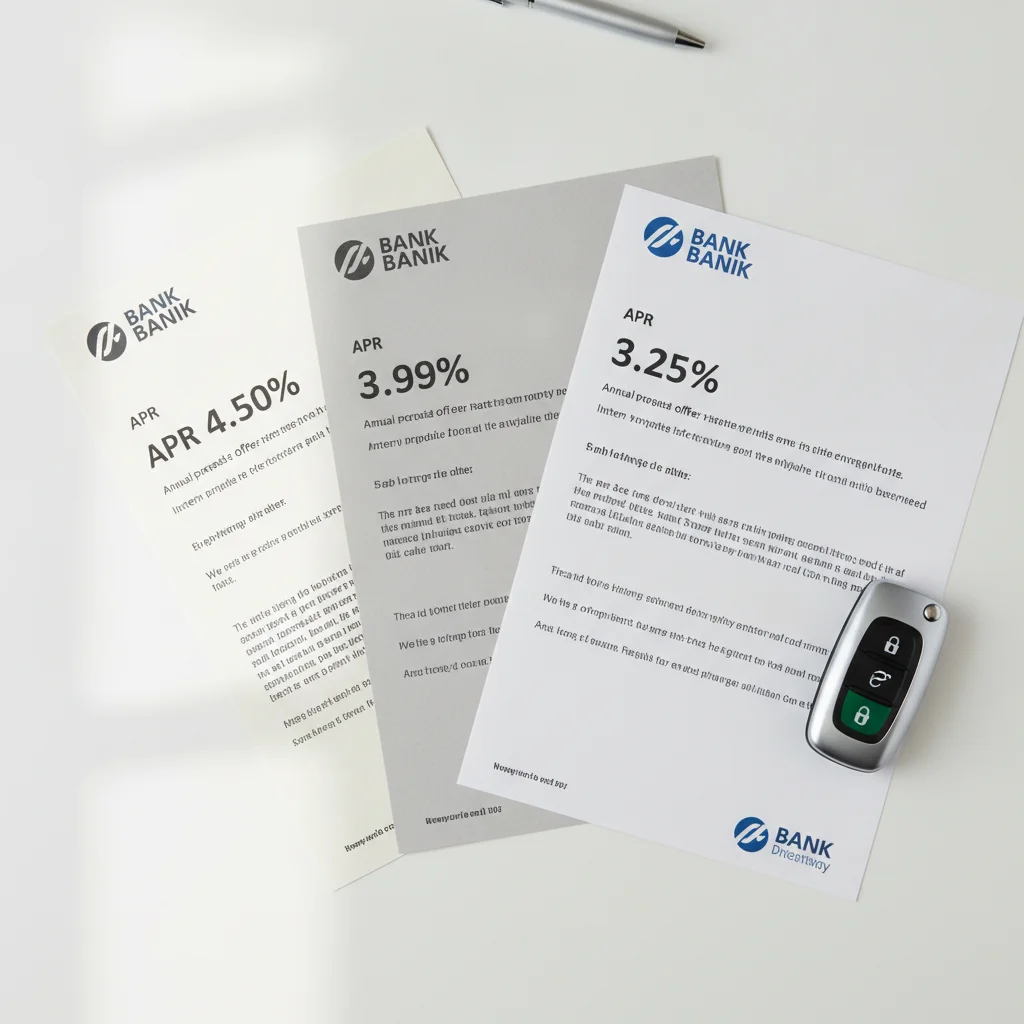
Understanding how your employment type gets evaluated before you apply is the single best way to avoid surprises — and to walk into a dealership with a real preapproval in hand rather than a wishful estimate. See what preapproval actually means and why it matters for the full picture of what that letter represents.
Salaried and Hourly Employees: The Easiest Path
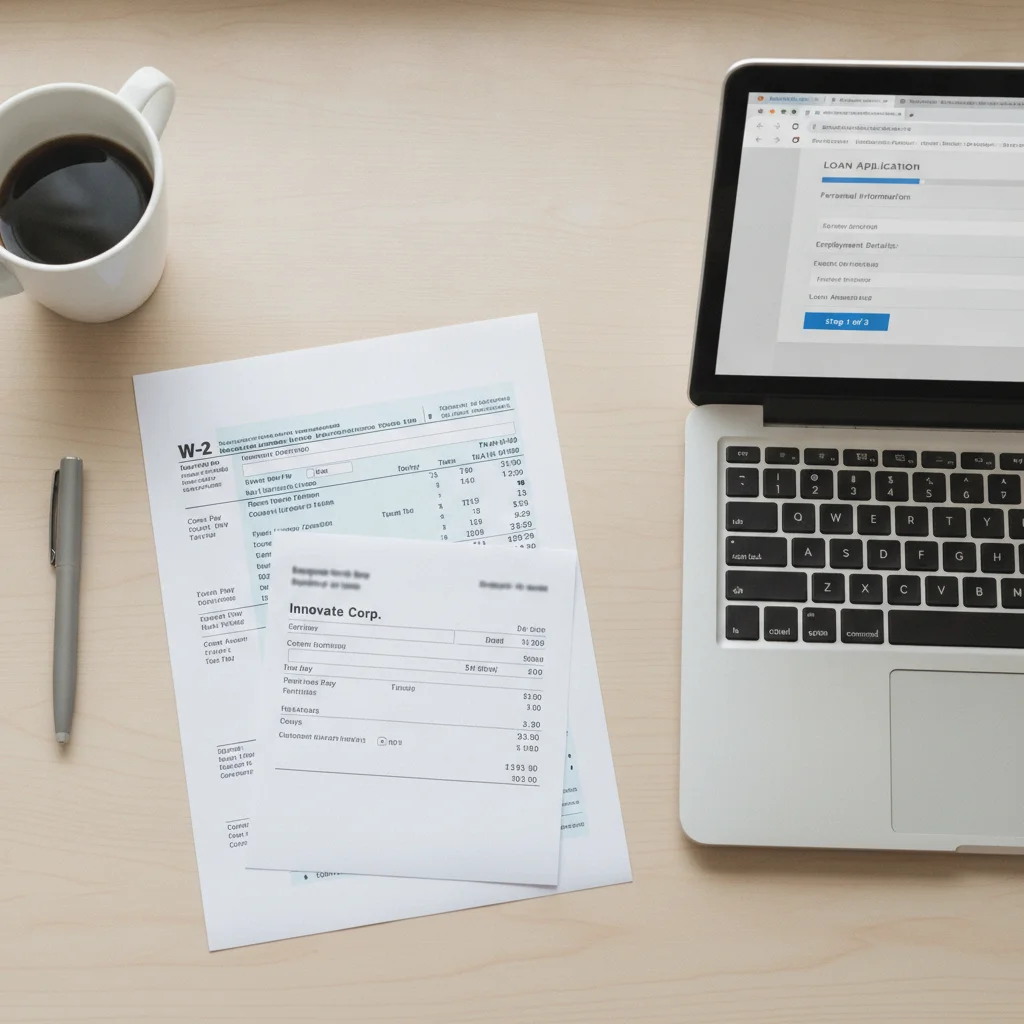
If you receive a consistent paycheck from an employer — whether you're salaried or hourly — you're in the most straightforward position. Lenders have built their entire underwriting infrastructure around W-2 employment. Your income is documented by your employer, corroborated by pay stubs, and cross-checked against your tax return. There's very little ambiguity.
What lenders typically ask for:
- Two most recent pay stubs
- Most recent W-2 (sometimes two years)
- Employer contact information for verification
Hourly workers can face slightly more complexity if their hours vary week to week. A lender will often average your hourly income over the most recent 24-month period rather than taking your current rate at face value. If you've recently gotten a raise or moved to full-time from part-time, bring documentation to support the current figure — don't assume the lender will take the highest number.
Document Your Bonus History Early
If a significant part of your income comes from bonuses, commissions, or overtime, pull your last two W-2s and year-end pay stubs before you apply. Lenders need to see that variable pay is consistent — not just present in your most recent paycheck. Having that documentation ready prevents delays and ensures your full income is counted.
Lock In Your Preapproval Before Visiting Any Dealership
A preapproval letter from an outside lender is your most powerful tool at the dealership. It tells the finance manager you already have a rate and a loan ceiling — and that they need to beat it to earn your business. Without it, you're negotiating blind. Apply to at least two lenders before you set foot on a lot, regardless of your employment type.
One thing salaried employees often overlook: if a significant portion of your income comes from bonuses or commissions, many lenders will not count that unless you can demonstrate a consistent two-year history of receiving it. If your base salary alone doesn't meet the DTI threshold, you may want to understand how lenders evaluate your full financial profile before applying.
28%
Of U.S. workers are self-employed or gig workers
According to McKinsey Global Institute research, approximately 28% of working-age Americans earn income through independent work, yet many face higher friction during loan underwriting.
2 years
Self-employment history most lenders require
The majority of traditional auto lenders require a minimum of 24 months of self-employment history before qualifying a borrower on business income.
40%
Of bonus/commission income lenders may exclude
Many lenders discount or exclude variable pay components like bonuses and commissions unless the borrower can demonstrate a consistent two-year history of receiving them.
15–20%
Down payment that offsets variable income risk
Industry underwriting guidelines suggest that a down payment in the 15–20% range can significantly improve approval odds for borrowers with non-traditional income sources.
Self-Employed Borrowers: More Paperwork, More Scrutiny
Being your own boss comes with financial complexity that lenders are trained to be cautious about. The core problem is that self-employed income is both harder to verify and often artificially reduced on paper. If you've been writing off business expenses aggressively — and you should be, for tax purposes — your reported net income on Schedule C or your business return may be significantly lower than what you actually bring home.
Lenders will typically use that net figure, not what you deposited. That gap between gross revenue and qualifying income surprises a lot of first-time self-employed borrowers.
What lenders typically ask for:
- Two years of personal tax returns (including all schedules)
- Two years of business tax returns (if applicable)
- Year-to-date profit-and-loss statement
- Three to six months of business and personal bank statements
Some lenders — particularly credit unions and smaller community banks — offer bank statement loan programs where 12–24 months of deposits are used to calculate income instead of tax returns. This can be a better path if your net income on paper underrepresents your actual cash flow.

Two years in business is typically the minimum lenders want to see. If you've been self-employed for less than two years, you may need a larger down payment, a co-signer, or to wait until you have a longer track record. Comparing lender types is especially valuable for self-employed buyers since different institutions have very different appetites for this income type.
Net Income vs. Gross Revenue for Self-Employed Borrowers
Many self-employed borrowers are surprised to learn that lenders use net income — the figure after business deductions — rather than gross revenue when calculating qualifying income. If you've aggressively deducted business expenses, your qualifying income could be 30–50% lower than your actual cash flow. A bank statement loan program through a credit union or non-QM lender may be a better fit in this situation.
Multiple Preapproval Applications Won't Sink Your Credit
Many buyers worry that shopping multiple lenders will hurt their credit score. In practice, most credit bureaus treat multiple auto loan inquiries within a 14–45 day window as a single inquiry for scoring purposes. Apply to two or three lenders within the same short window and it will have minimal impact on your score while giving you real leverage to compare rates.
Contract and Freelance Workers: Proving Consistency
The challenge for contract workers isn't usually the income amount — it's the pattern. Lenders want to see that your income is recurring and reliable, not just substantial in a recent good month. A single fat contract won't carry an application the way a steady client retainer will.
Independent contractors who receive 1099s occupy a middle ground. You're not a W-2 employee, but you're also not running a full business. Lenders will typically ask for your last two years of 1099s, your tax returns, and bank statements showing deposits that align with what you're claiming.
What helps your case:
- Long-term client relationships (multi-year contracts are gold)
- Multiple income sources rather than dependence on a single client
- Consistent monthly deposits showing minimal volatility
- A strong credit score and low existing debt load
Gaps in work history are the biggest red flag. If you had three months without income last year, be prepared to explain it. Some lenders will average income over 24 months, which dilutes the impact of gaps — others will flag them directly.
“Income verification is really about answering one question: how confident am I that this borrower will be making payments two years from now? A W-2 answers that question quickly. Everything else requires more evidence.”
— Senior Auto Loan Underwriter, Former underwriting manager at a regional bank, 14 years in consumer lending
Your credit score carries extra weight for contract workers because it compensates for income unpredictability. A 720+ score with decent reserves can offset a lot of the perceived risk from variable income.
Part-Time, Seasonal, and New-Job Applicants
These three groups face their own variations of the income verification challenge.
Part-time workers
Your income counts, but lenders want to see that it's stable. They'll typically ask for the same documentation as any W-2 employee — pay stubs, W-2s — but may average your income conservatively if your hours vary. If part-time work is supplemental to a primary income source, bring documentation for both. If it's your only source, a larger down payment can meaningfully strengthen your application by reducing the lender's exposure.
Seasonal workers
Seasonal income — construction, tourism, tax preparation — is legal and real, but lenders need to see that you've sustained it across multiple years. Two years of tax returns showing consistent annual income is typically the minimum. Lenders will annualize your income carefully, and many will not count unemployment benefits received in the off-season as qualifying income.
New job applicants
Starting a new job isn't automatically disqualifying, but timing matters. Most lenders want at least six months of tenure in your current position. If you recently started, a signed offer letter with your salary can sometimes substitute for pay stubs — but not all lenders accept this. If you changed industries, expect more questions. If you moved from salaried to self-employed, most lenders will want to see two full years before they'll qualify you on self-employment income alone.
How to Strengthen Your Application Regardless of Employment Type
Employment status is one input in a broader risk equation. Even if your income source is non-traditional, you can offset lender concerns through other parts of your application.
Strategies that work across employment types:
- Build your documentation package before you apply. Know exactly which documents each lender will ask for and have them ready. Delays caused by missing paperwork extend the process and can cause preapproval letters to expire before you find a car.
- Apply to multiple lenders. Different lenders have different risk tolerances for self-employed or variable income. A bank might decline you while a credit union approves you comfortably. Rate differences between lenders can be significant — understanding why offers vary helps you negotiate from a position of knowledge.
- Reduce your debt-to-income ratio before applying. Pay down a credit card balance or a small loan before submitting your application. Even a modest DTI improvement can change your approval tier. DTI is one of the primary levers lenders use — it's worth understanding exactly how it's calculated.
- Make a larger down payment. More equity upfront means less risk for the lender. For variable-income borrowers, 15–20% down can be the difference between approval and denial. See how down payment size shapes your loan structure.
- Consider a creditworthy co-signer. If your employment situation makes income verification difficult, a co-signer with a strong W-2 income can unlock approvals that would otherwise be out of reach.

One thing I've watched buyers do repeatedly: they walk into a dealership without preapproval, hand over their keys, and let the finance office run a credit check before they've had a chance to shop lenders. Once a dealer knows your situation, they control the narrative. A preapproval — even an imperfect one at a rate you'd like to improve — changes the entire dynamic. Understanding why income alone doesn't guarantee approval is especially important for buyers who assume a steady paycheck will carry them through.
Document Your Bonus History Early
If a significant part of your income comes from bonuses, commissions, or overtime, pull your last two W-2s and year-end pay stubs before you apply. Lenders need to see that variable pay is consistent — not just present in your most recent paycheck. Having that documentation ready prevents delays and ensures your full income is counted.
Lock In Your Preapproval Before Visiting Any Dealership
A preapproval letter from an outside lender is your most powerful tool at the dealership. It tells the finance manager you already have a rate and a loan ceiling — and that they need to beat it to earn your business. Without it, you're negotiating blind. Apply to at least two lenders before you set foot on a lot, regardless of your employment type.

All claims are backed by peer-reviewed research. Sources on request.